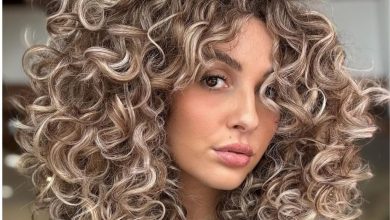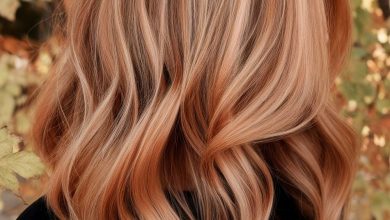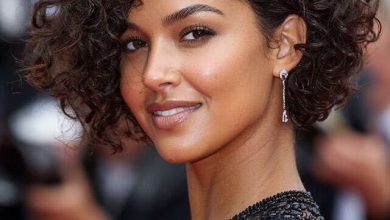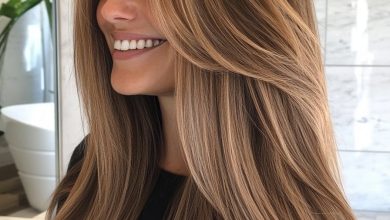
Curly hair catches light differently than straight hair, which means color reads as dimension, not just a single shade. Right now, lived-in color and glossy natural texture are the markers of a good dye job, not a uniform, flat tone from root to tip.
This collection of 25 curly hair dye ideas runs the gamut from low-upkeep dark bases with caramel highlights to vivid reds and pastels that demand a toning schedule. Whether your curls are fine and prone to falling flat or dense and thirsty for moisture, there is a shade and technique here that works with your texture, not against it.
Voluminous Shoulder Length Copper Curls
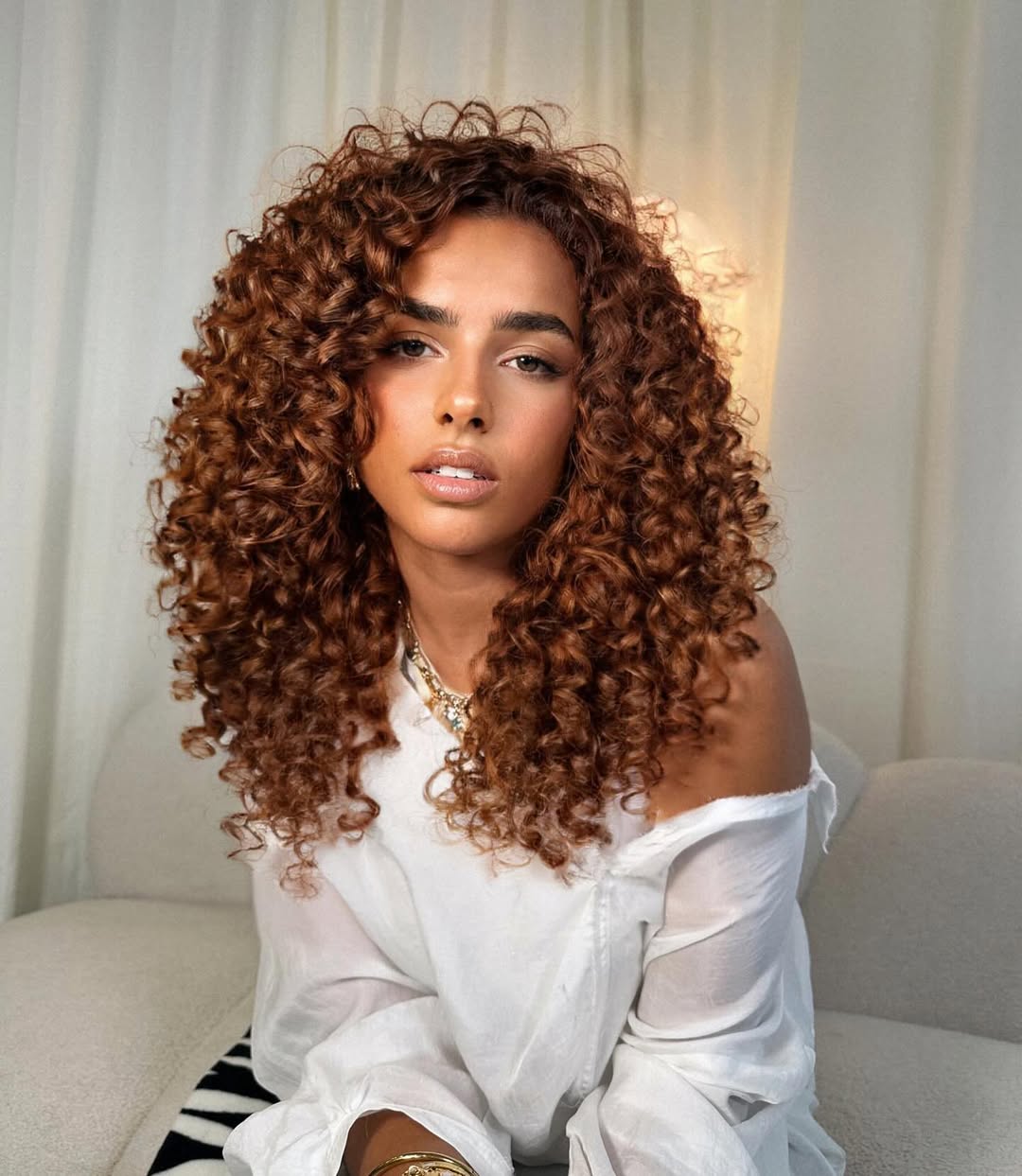
A warm copper base with subtle lighter tones does not read as flat in thick, curly hair the way it might on a smoother texture. The shoulder length layers here give the volume room to build without the weight pulling the curls down. Thick, curly hair starting at shoulder length is the ideal starting point; the cut and color together let each curl reflect light independently. Ask your colorist for: shoulder length layered cut, rich warm copper with subtle lighter tones. Low heat drying lifts the roots without disturbing the natural pattern.
Dark Brown Curls With Caramel Highlights
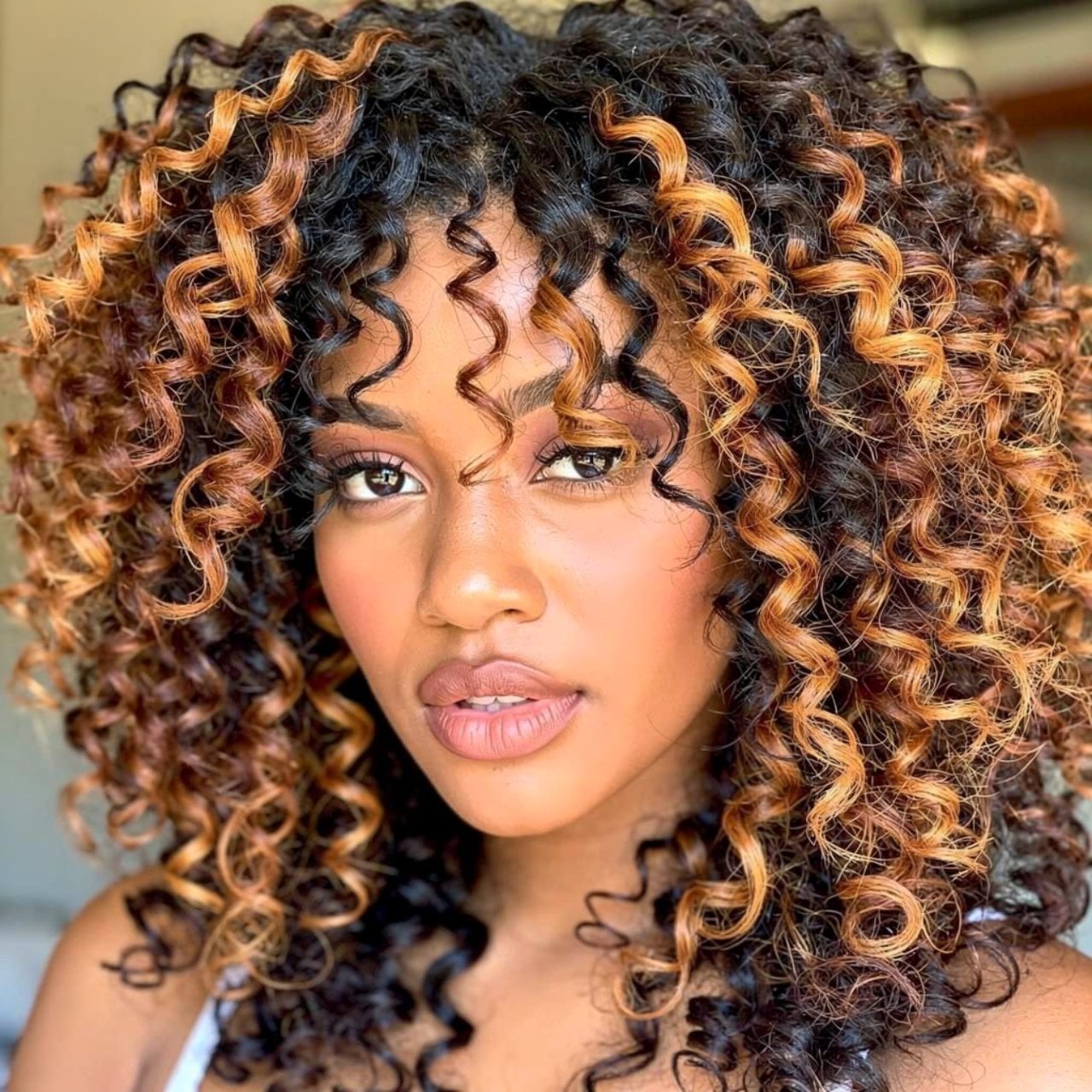
The dark brown base here is the anchor, and the caramel highlights are placed to land on the outer curves of each curl rather than the inner spiral. That placement means the lighter pieces appear when the hair moves, not all at once. Shoulder-length, thick, curly hair carries this contrast without the highlights looking sparse. Ask your colorist for: shoulder length layered cut, dark brown base with caramel highlights. A curl-defining cream applied to damp hair before air-drying keeps the texture defined; layers need a trim every 10 to 12 weeks.
Shoulder Length Dark Brown With Caramel
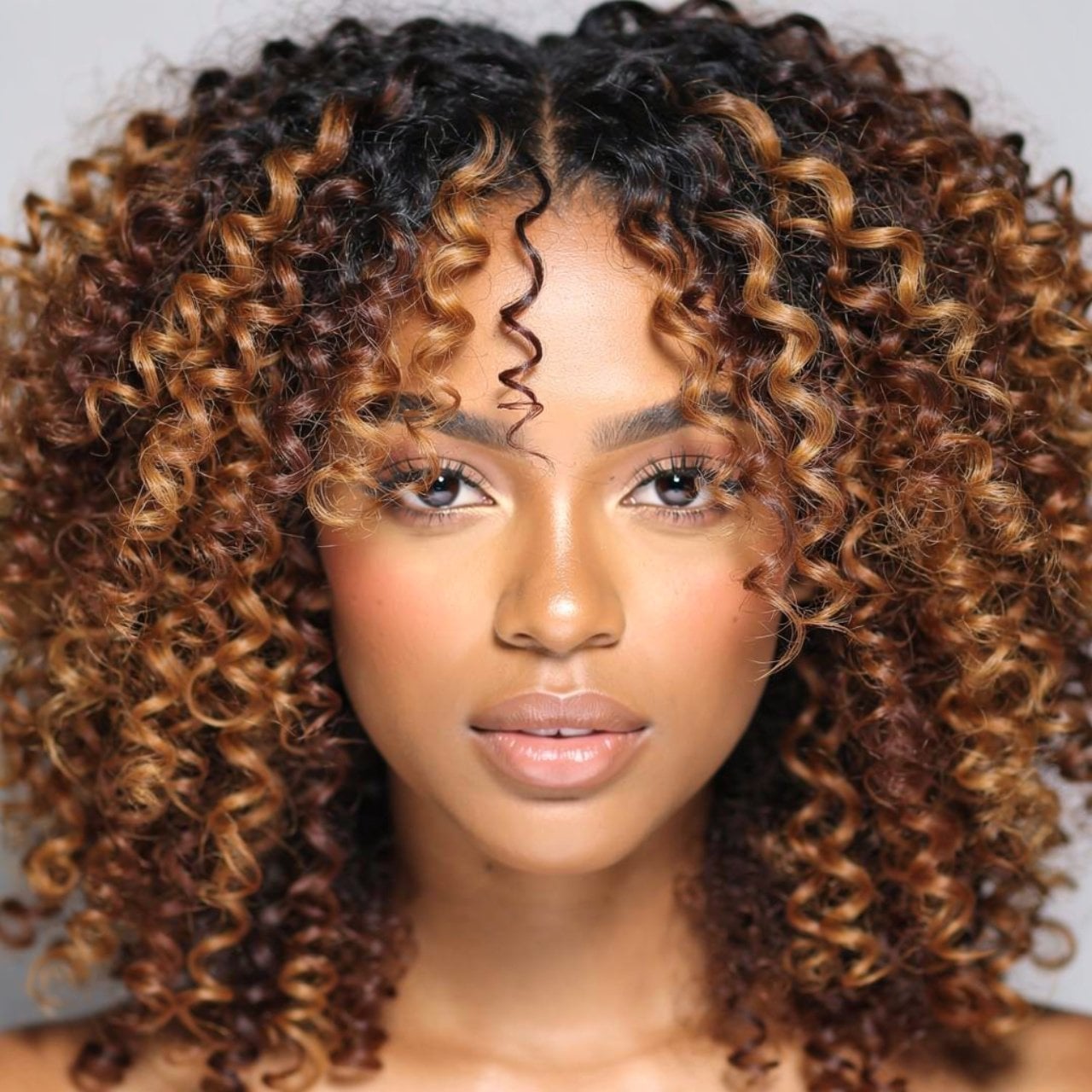
A uniform all-over color on curly hair can look like one solid block of pigment. This version uses caramel highlights on a dark brown base to break up the mass, so the curls read as separate shapes rather than a single dark volume. The shoulder length keeps the pieces light enough to bounce. Ask your colorist for: shoulder length layered cut, dark brown base with caramel highlights. A wide-tooth comb on wet hair detangles without disturbing the pattern.
Mid-Back Copper Curls With Auburn Tones
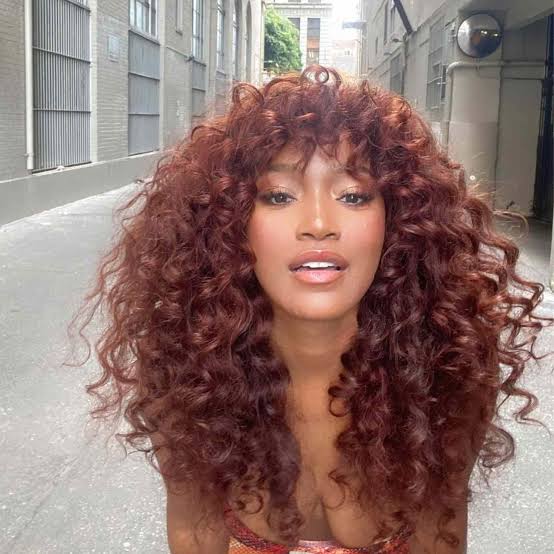
Does copper fade to orange faster on curly hair than on straight? Yes, because the cuticle is more lifted and the color washes out with every shampoo. The auburn undertones here give the copper a longer life by adding a cooler red base that resists going brassy. Thick, curly hair at mid-back length benefits from the layers cutting through the weight. Ask your colorist for: mid-back layered cut, rich copper with auburn undertones. A leave-in conditioner enhances curl definition; root touch-ups fall around every 6 to 8 weeks.
Mid-Back Dark Red Curls With Highlights
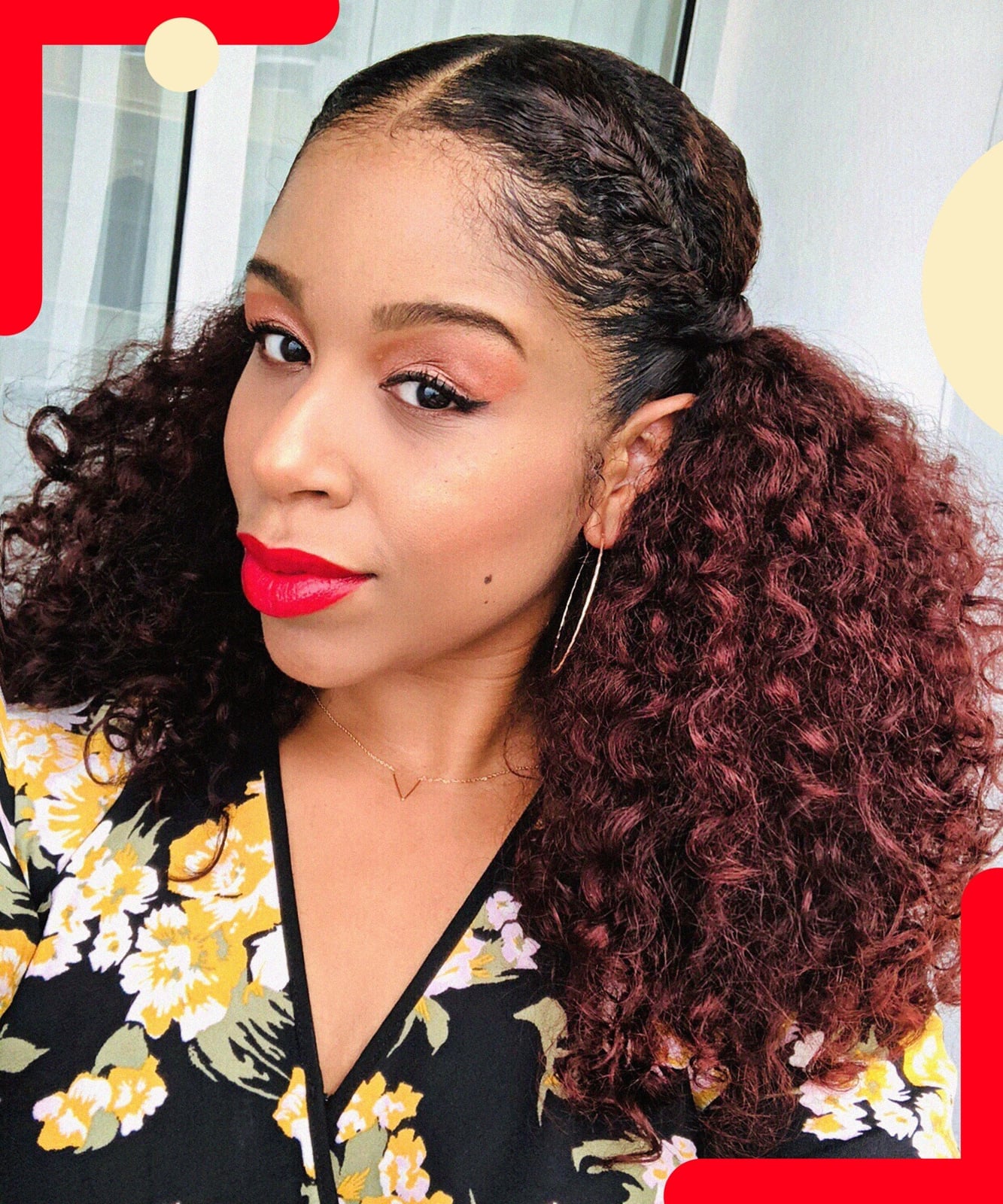
Dark red on its own can look opaque, especially on thick, curly hair where light struggles to reach the inner layers. The subtle lighter red highlights here are painted onto the mid-lengths and ends, not the roots, so the base stays rich while the outer curls catch the light. Mid-back length with layers keeps the weight distributed. Ask your colorist for: mid-back layered cut, dark red base with subtle lighter red highlights. A color-depositing conditioner between salon visits keeps the red from turning muddy; trim ends every 10 to 12 weeks.
Shoulder Length Deep Red Curls
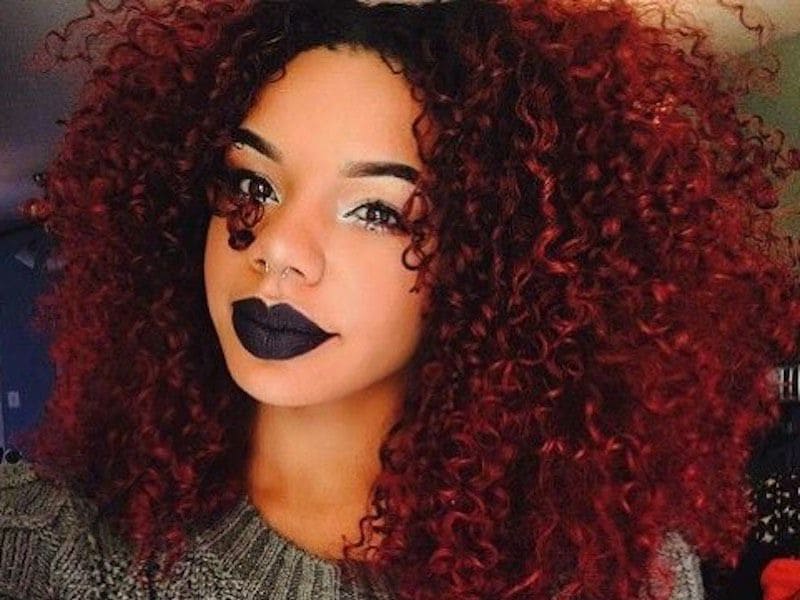
This is a shoulder-length layered cut on thick, curly hair with a deep, rich red base and subtle lighter red highlights running through the middle part. The deep red is striking on fair to medium skin tones, but there is a catch: red tones fade faster on curly hair because the cuticle is more open. Ask your colorist for: shoulder length layered cut, deep rich red base with subtle lighter red highlights. A red booster mask once a week can keep the vibrancy going longer, and color-safe shampoo is non-negotiable.
Vibrant Red Curls With Darker Roots
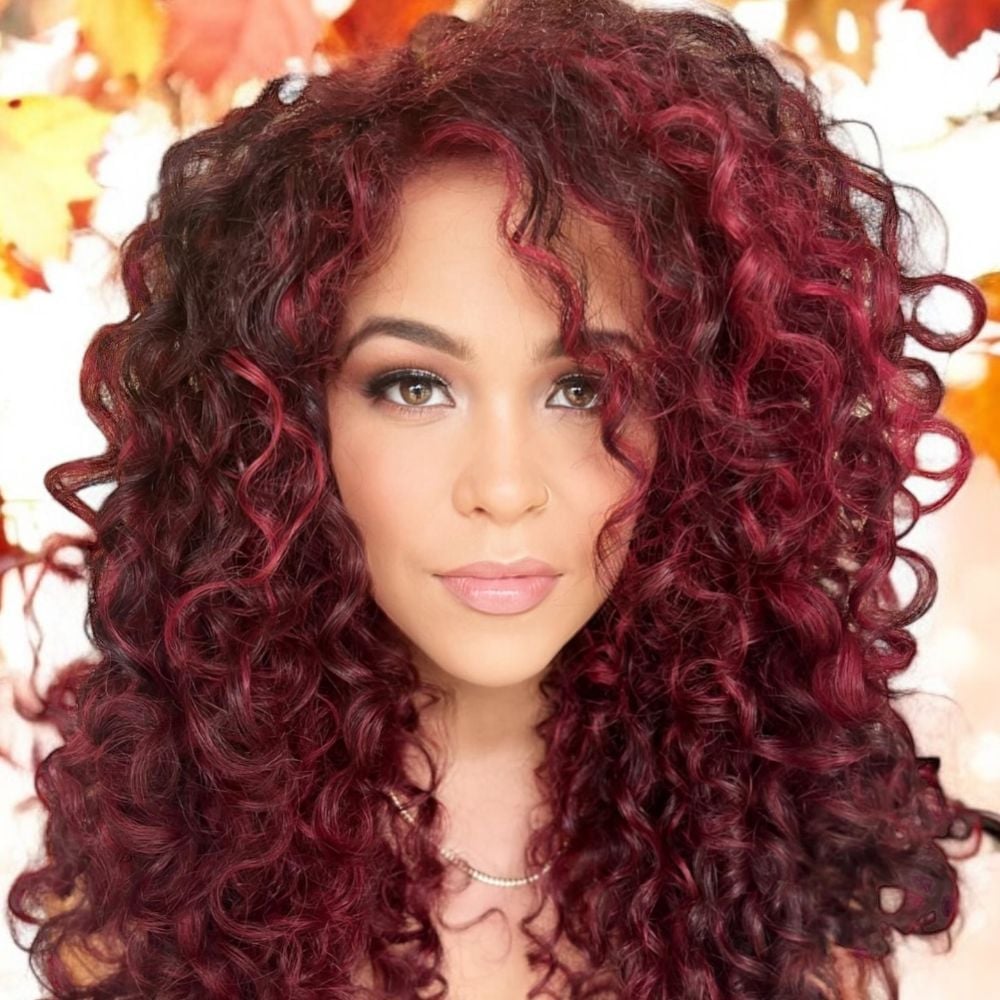
The technique here is a one-process vibrant red applied from mid-lengths to ends, with the root area left intentionally darker to create a shadow effect. Ask your colorist for: shoulder length cut, vibrant red color with darker roots. This built-in grow-out buys you about six weeks between touch-ups rather than three. For upkeep, a root touch-up kit works for DIY maintenance between salon visits, and a heat protectant is essential if you ever reach for a blow-dryer or curling wand.
Vibrant Copper Red Shoulder Length Curls
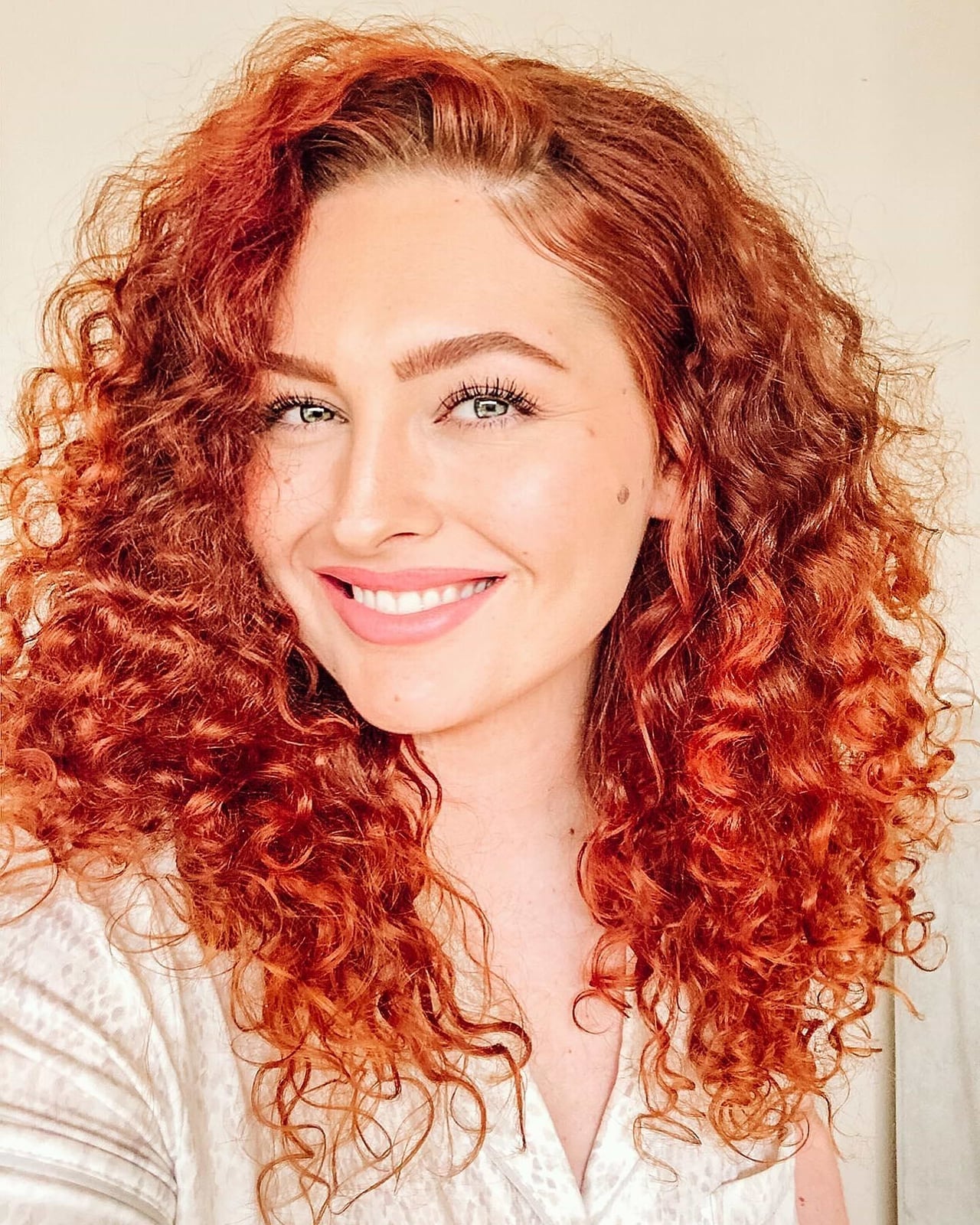
Is there a better season for a vibrant copper red than fall? Probably not, but this shoulder-length curly cut works year-round if you like attention. The color is a single vibrant copper red shade applied all over, and the defined, bouncy curls make the most of its reflective quality. Ask your colorist for: shoulder length cut, vibrant copper red color. A monthly gloss treatment keeps the copper from turning brassy, and color-safe shampoo and conditioner are the bare minimum for maintenance.
Shoulder Length Vibrant Red Blowout
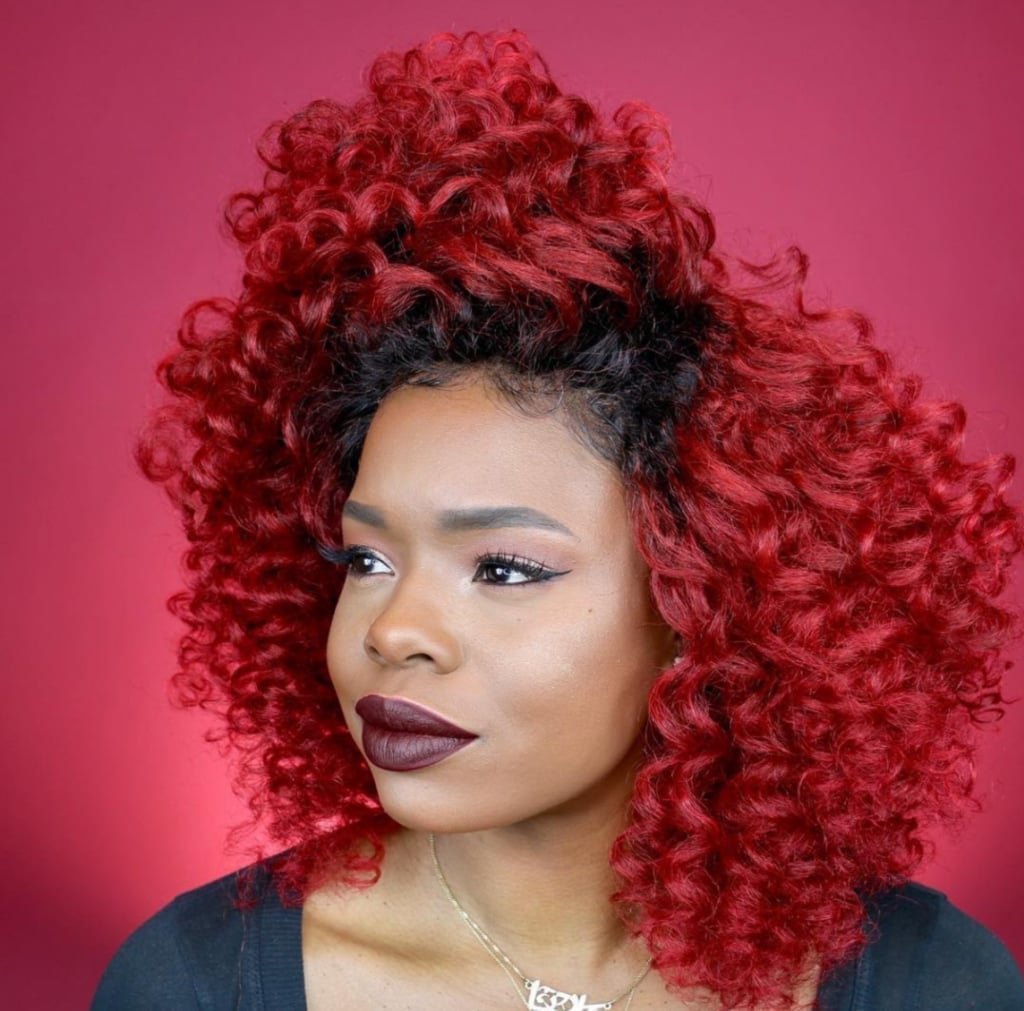
Thick, curly hair cut to shoulder length with layers gets a voluminous blowout here, and the vibrant, uniform red color is the whole point. The side part and smooth finish are a deliberate departure from air-dried texture, proving the same cut can do both. Ask your colorist for: shoulder length layered cut, vibrant uniform red color. A large round brush and a heat protectant spray are the tools you need for this look; plan on about 30 minutes with a blow-dryer.
Rose Gold Curly Hair With Full Bangs
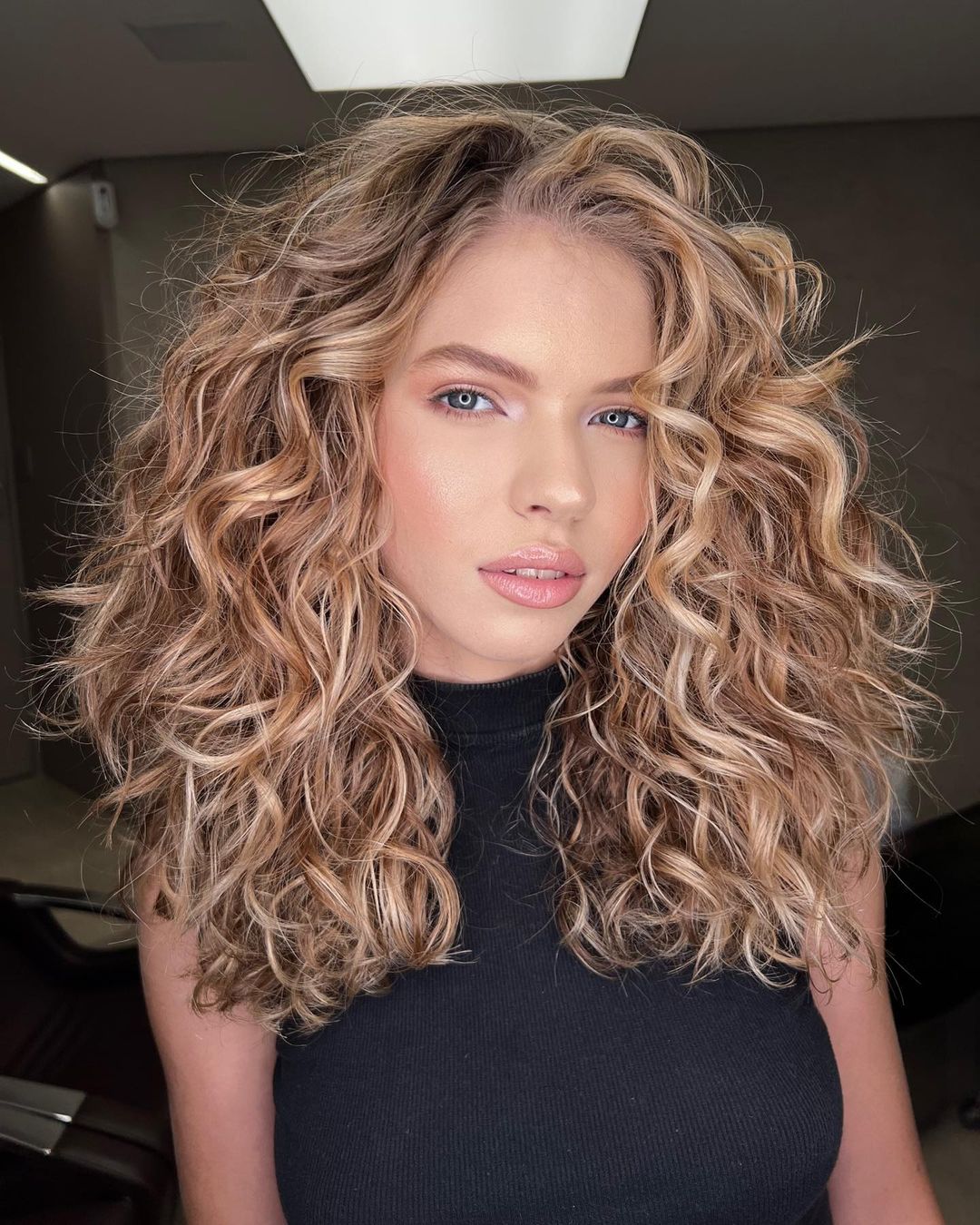
Thick, curly hair cut to shoulder length with full bangs gets a vibrant rose gold color all over, with a glossy finish that makes the shade look intentional. Rose gold is a pastel tone, so it typically works best on fair to medium complexions and requires a pre-lightened base. Ask your colorist for: shoulder length cut, full bangs, vibrant rose gold color. The fringe needs a trim every three to four weeks, and a sulfate-free shampoo helps the rose gold keep its pink tone without washing out warm.
Shoulder Length Dark Brown With Purple Highlights
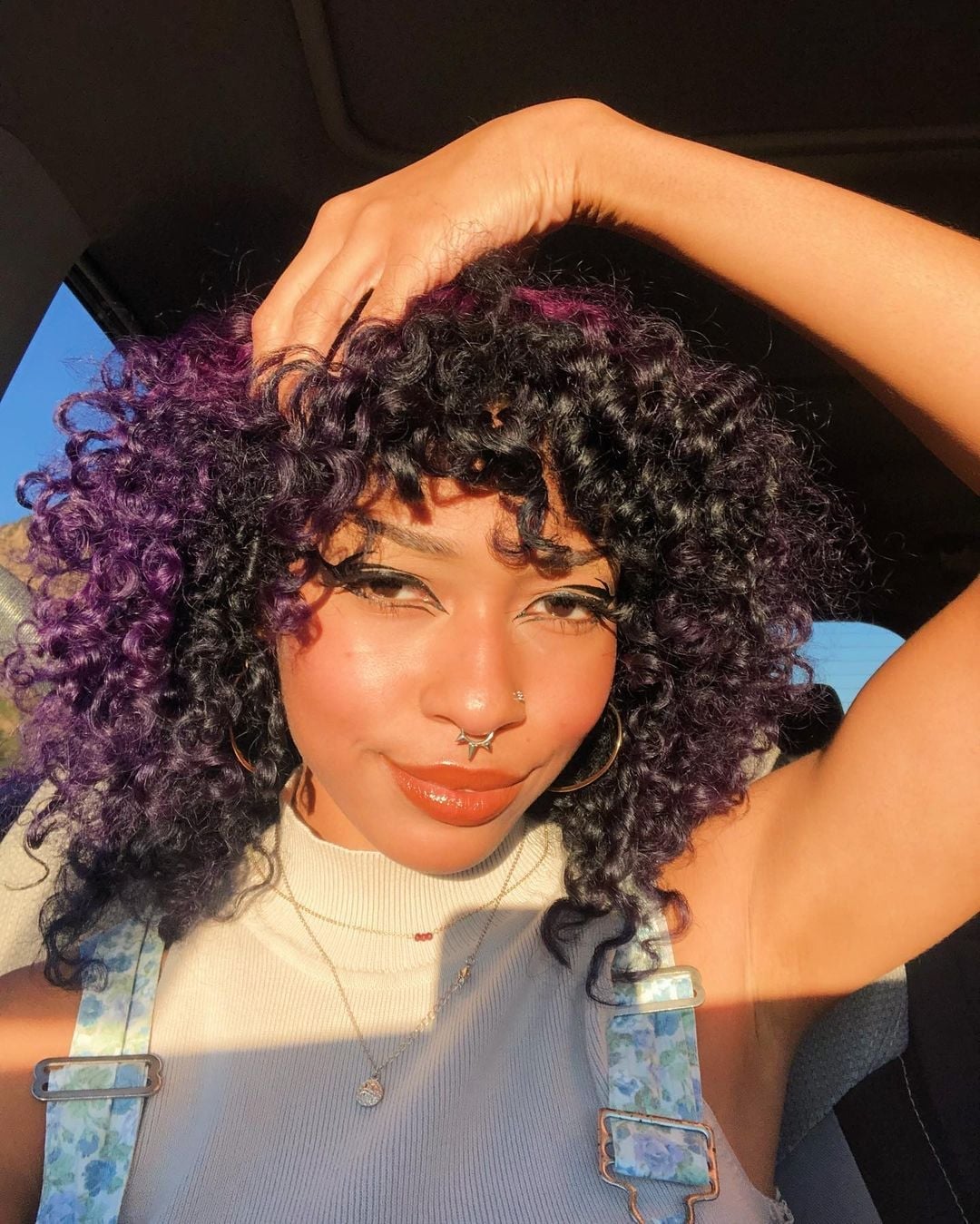
Does a dark base with purple highlights look as good on curls as it does on Instagram? Yes, but the upkeep is a conversation you should have with your colorist before committing. The contrast between the dark brown base and the vibrant purple pieces shows up beautifully in natural light, with the curl pattern adding a dimensional effect that straight hair just cannot replicate.
This look suits thick, curly hair at shoulder length with curtain bangs. Ask your colorist for: shoulder length cut with curtain bangs, dark brown base with purple highlights. Purple tones can fade quickly, especially on curls that are more porous. A color-depositing mask used weekly will keep the violet from turning into a muddy brown. Expect a toning appointment every four to six weeks if you want the purple to stay punchy.
Shoulder Length Purple And Blue Ombre Curls
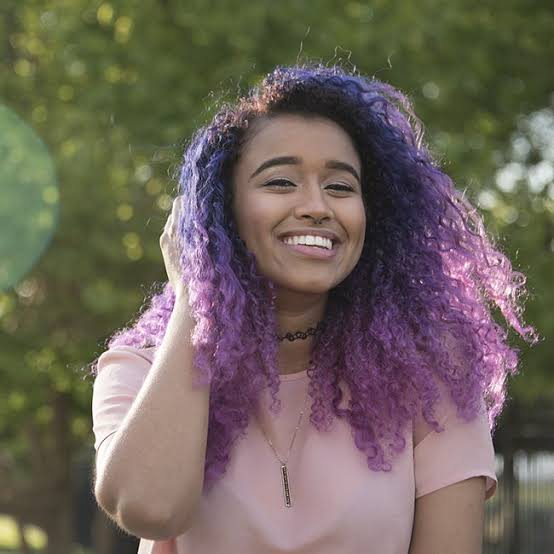
The ombre here starts at the root in a natural dark tone and shifts through purple into blue at the ends, a transition that relies on a skilled hand to avoid muddiness. On thick, shoulder-length curls, the color separation is clearer than on straight hair because each curl catches a different segment of the gradient. Ask your colorist for: shoulder length cut, dark roots to purple and blue ombre. The middle parting lets the two sides mirror each other, and the air-dried finish keeps the focus on the color rather than the styling. This is a look for someone who wants a statement color without the high-frequency root maintenance that an all-over bright shade demands.
Collarbone Shag With Bright Blue Curls
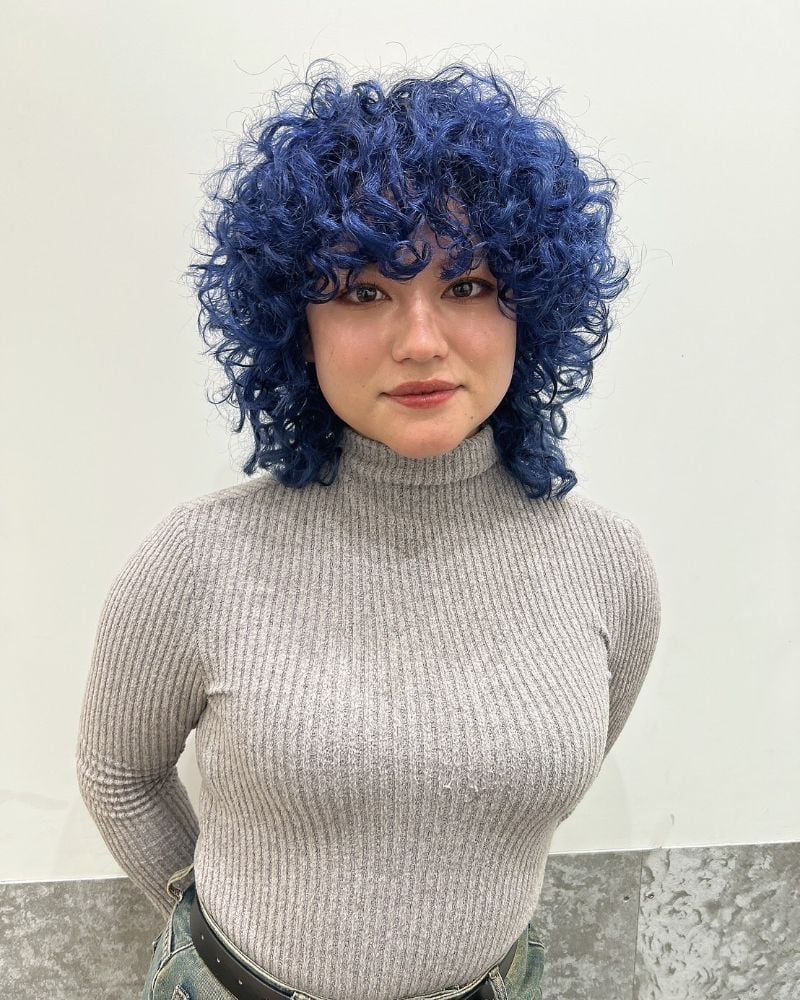
A shag cut and bright blue color make a logical pair: the choppy layers give the color more surface area to show off, and the curtain bangs keep it from feeling overdone. Medium-density curly hair at collarbone length is the ideal candidate here, because the shag needs enough texture to hold its shape but not so much bulk that the layers disappear. Ask your colorist for: collarbone length shag cut, curtain bangs, bright blue color. If your hair is very fine or very thick, the shag can either fall flat or turn into a pyramid, so stick to the medium-density sweet spot. The blue is a direct dye, which means it fades gradually and leaves a pastel stain instead of a harsh grow-out line.
Collarbone Ash Blonde Fine Curly Hair
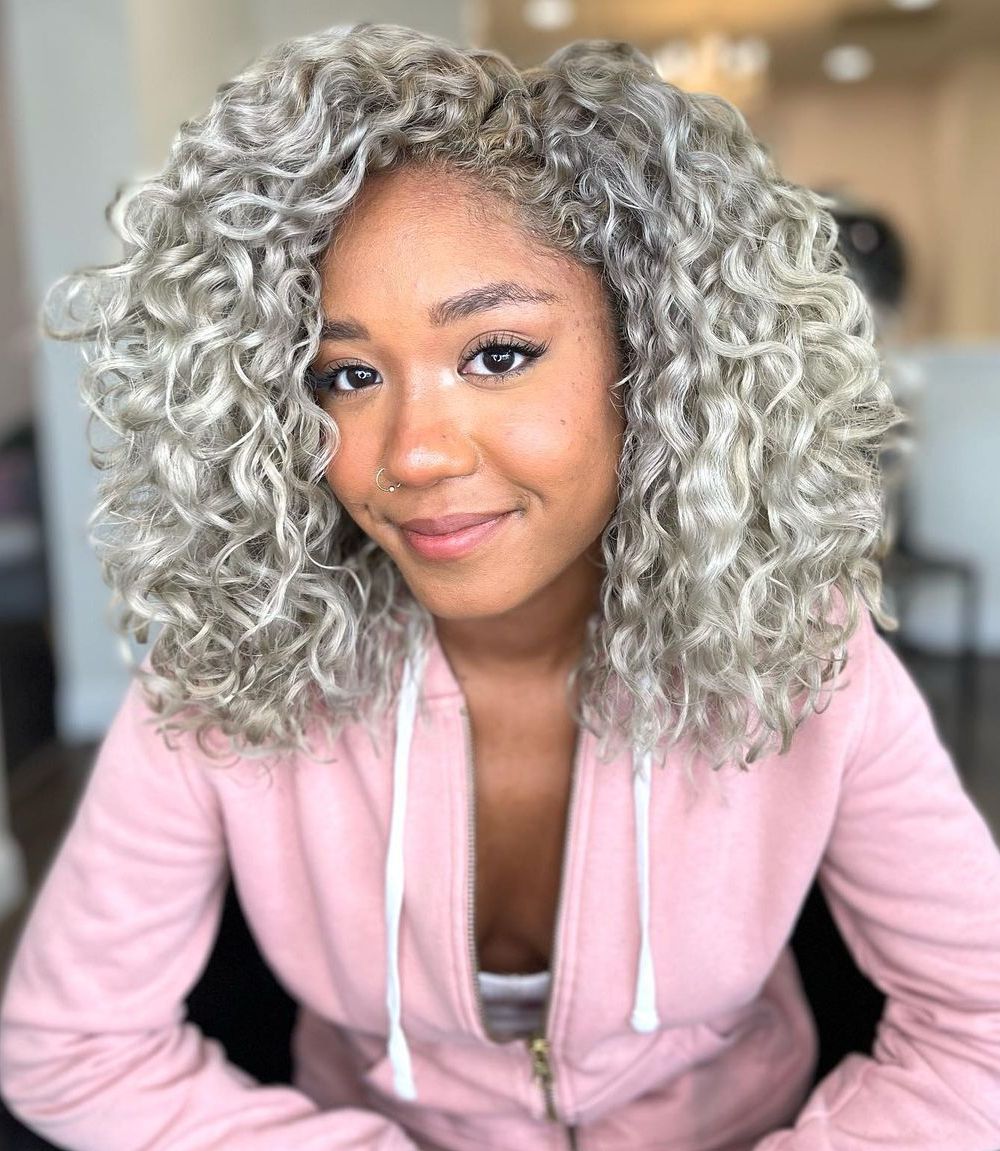
A uniform ash blonde on fine, curly hair is a high-effort proposition that delivers a cool, modern result when it works. The color requires lifting the natural pigment enough to deposit the ash tone, and fine hair is more prone to damage during that process. A salon is required here: the bleach application needs precision to avoid over-processing the delicate strands.
One real drawback is that ash blonde can look flat on fine curls without some volume strategy. Ask your colorist for: collarbone length cut, ash blonde all over color. A side parting and a voluminous blowout with a diffuser add the body that the uniform color alone does not provide. The grow-out is visible within three to four weeks, so plan for root touch-ups every six weeks if you want to maintain the seamless look.
Mid-Back Wavy Ash Blonde With Silver
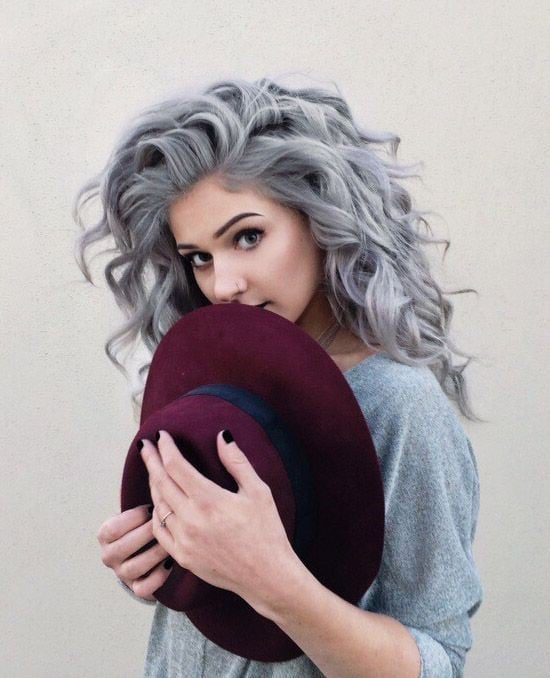
Silver undertones start with a pre-lightened base that is pale enough to accept the cool pigment, then a toner that leans into the gray. On fine to medium wavy hair at mid-back length with curtain bangs, the silver looks glossy because the waves create light and shadow across the length.
Ask your colorist for: mid-back length cut, curtain bangs, ash blonde with silver undertones. The upkeep is where this color earns its reputation: a purple shampoo alone will not cut it. You need a dedicated silver toner or a blue-based shampoo used twice a week to keep the warmth out. Air-drying with a lightweight curl cream preserves the wave pattern and prevents the cool tone from looking dusty.
Collarbone Honey Blonde With Caramel
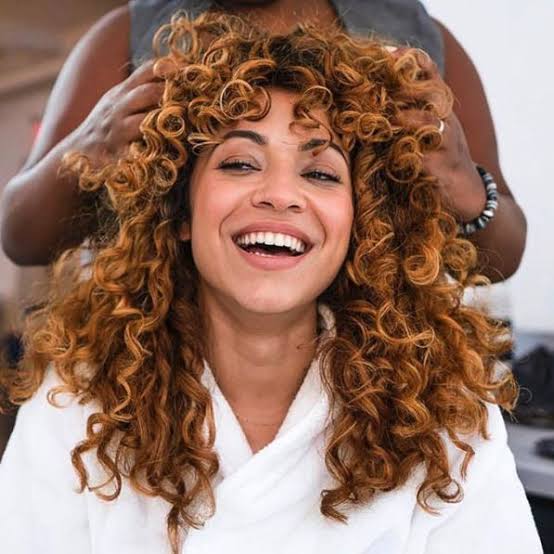
The glossy blowout here uses a side part and smooth waves to make the honey blonde base with caramel highlights look polished. Thick, wavy hair at collarbone length is the ideal canvas for this kind of dimension. Ask your colorist for: collarbone length layered cut, honey blonde base with caramel highlights. A warm honey blonde with caramel highlights works particularly well for fall, when the richer tones complement the seasonal shift in wardrobe and lighting. Blonde shades require regular toning to keep the warmth from turning brassy; a blowout enhances the shine and dimension, making the caramel highlights pop against the lighter base.
Collarbone Brown With Caramel Balayage
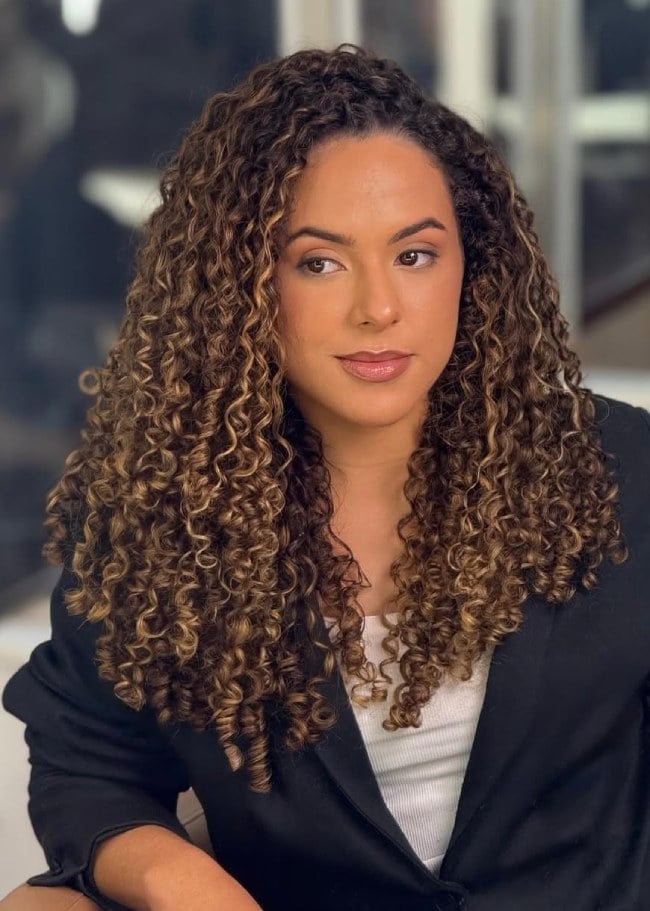
The brown base with caramel balayage here is designed to mimic natural sun exposure, with the lighter pieces concentrated around the face and ends. Thick, curly hair at collarbone length benefits from this placement because the curls catch the caramel at different angles, creating movement without needing a full highlight. Ask your colorist for: collarbone length cut, brown base with caramel balayage. Be specific: say you want a hand-painted balayage starting a few inches from the roots, with the caramel woven through the mid-lengths and ends. Balayage grows out softly, which means you can stretch the time between salon visits; refresh the toner every 10-12 weeks for optimal warmth.
Collarbone Dark Base With Blonde Balayage
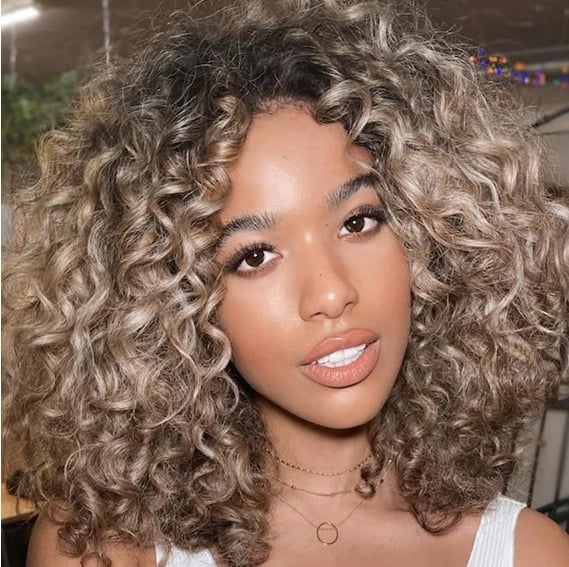
The contrast here creates a sharp separation between the dark base and blonde balayage. Thick, curly hair at collarbone length is ideal for this technique because the volume shows off the light pieces without them getting lost. Ask your colorist for: collarbone length cut, dark base with blonde balayage. The balayage technique involves painting the blonde onto the surface of the curl, so the color sits on top of the dark base instead of lifting the entire strand. A purple shampoo helps maintain the blonde tone and prevents it from turning brassy against the dark base.
Collarbone Dark Brown With Blonde Highlights
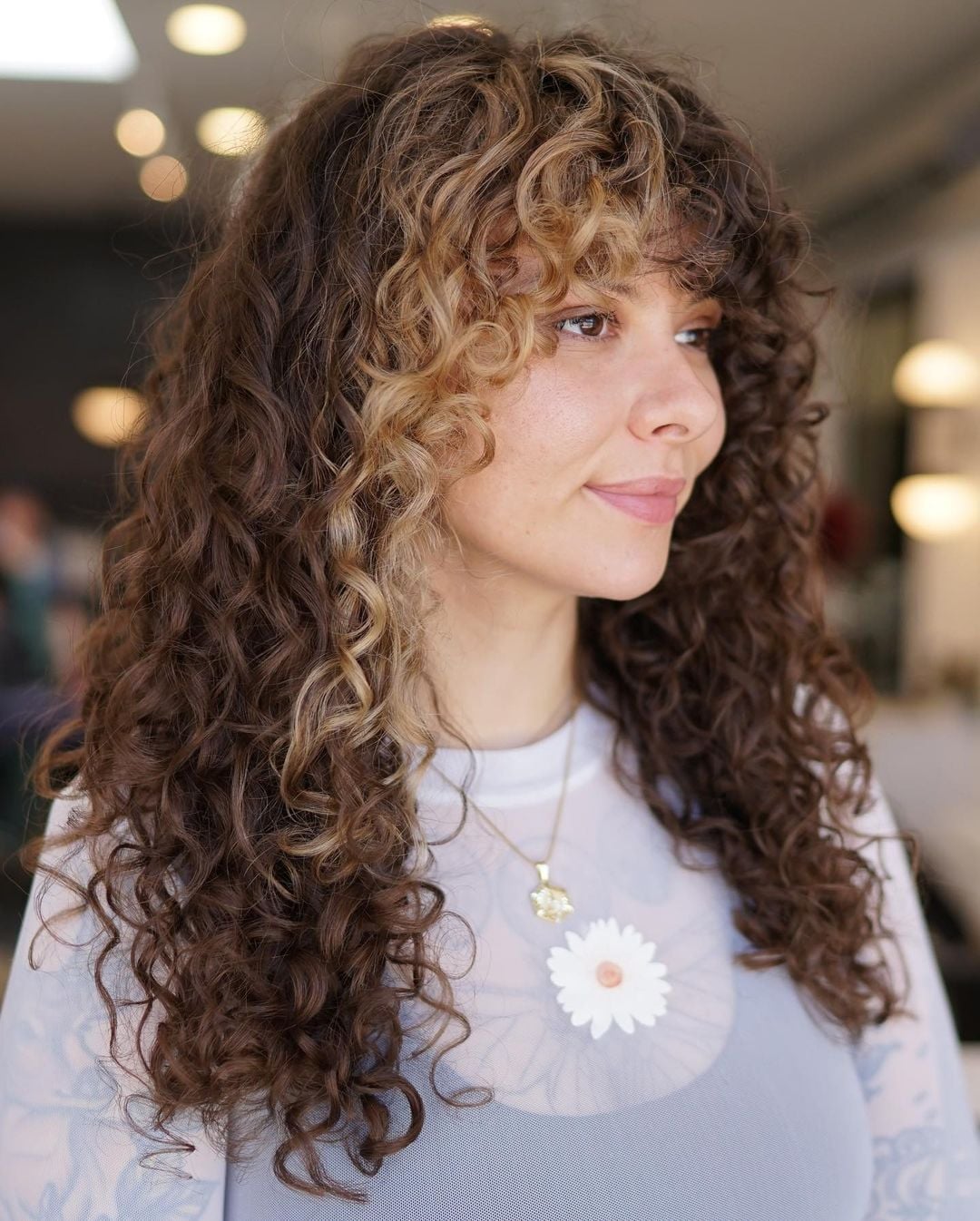
Does a dark brown base with blonde highlights still need a toning appointment? Yes, and the curtain bangs make it worth it. The blonde pieces are placed to frame the face, catching light when the hair is air-dried. Thick, wavy hair at collarbone length works with this combination because the waves bend around the highlights, creating a lived-in effect. Ask your colorist for: collarbone length cut with curtain bangs, dark brown base with blonde highlights. Curtain bangs require a round brush and a few minutes of styling to sit correctly. The blonde highlights need a toning appointment every 6 to 8 weeks to stay bright.
Mid-Back Copper Curls With Blonde Balayage
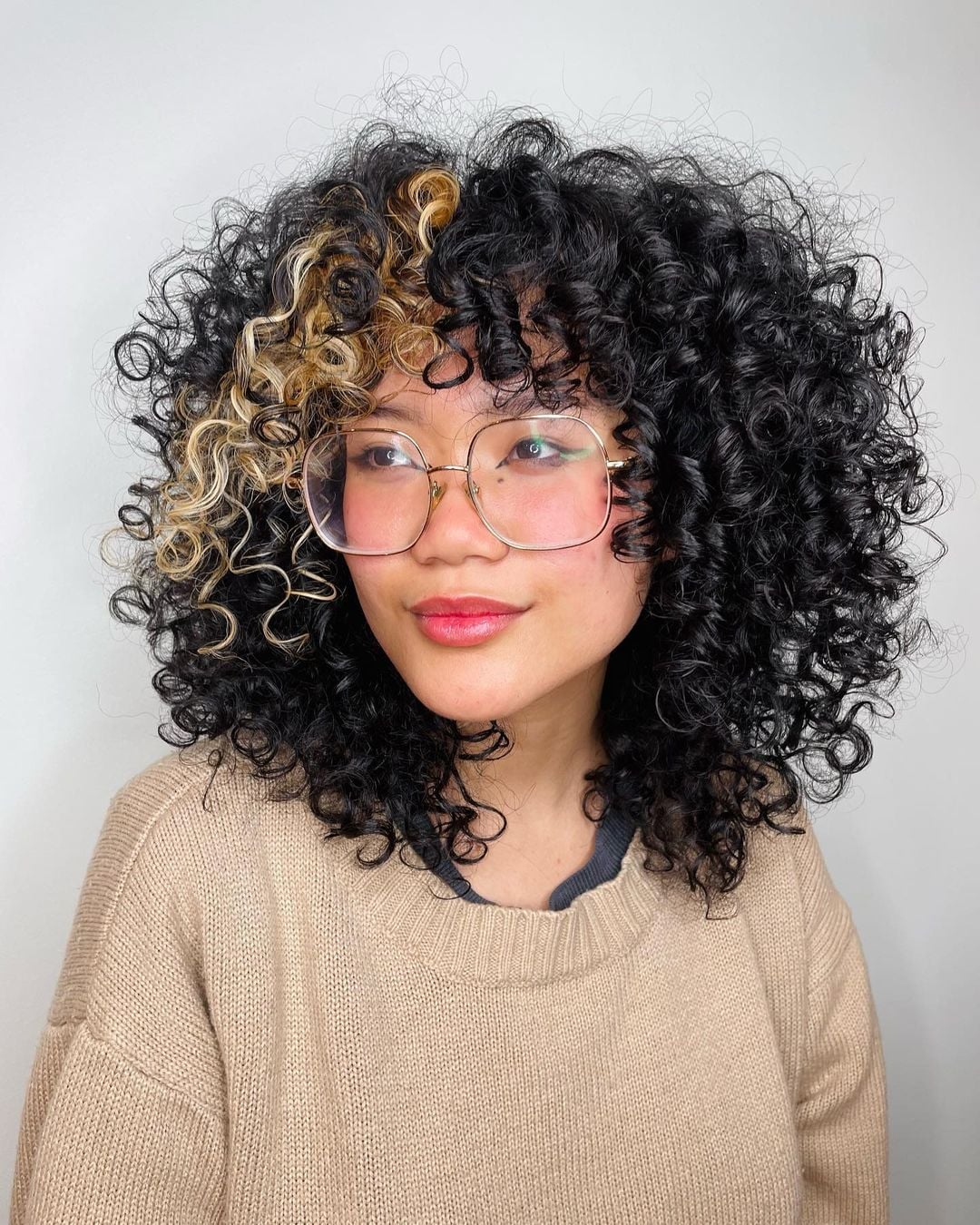
The difference between a solid copper color and a copper base with blonde balayage is that the balayage adds lift without losing the warmth. On thick, curly hair at mid-back length, the blonde pieces sit on the surface of the curls, creating a multidimensional effect that a single copper shade cannot match. Ask your colorist for: mid-back layered cut, copper base with blonde balayage. The copper base anchors the color, while the blonde balayage provides contrast and brightness. A solid copper color is more uniform and requires less maintenance, but it also lacks the depth and movement that the blonde balayage provides.
If you prefer a more dramatic look, go for a copper base with a higher contrast blonde balayage. For a softer transition, ask for a lower contrast with the blonde blended closer to the copper. Both options benefit from a color-safe shampoo to maintain the vibrancy of the copper and the lightness of the blonde.
Mid-Back Ombre From Dark Brown To Auburn
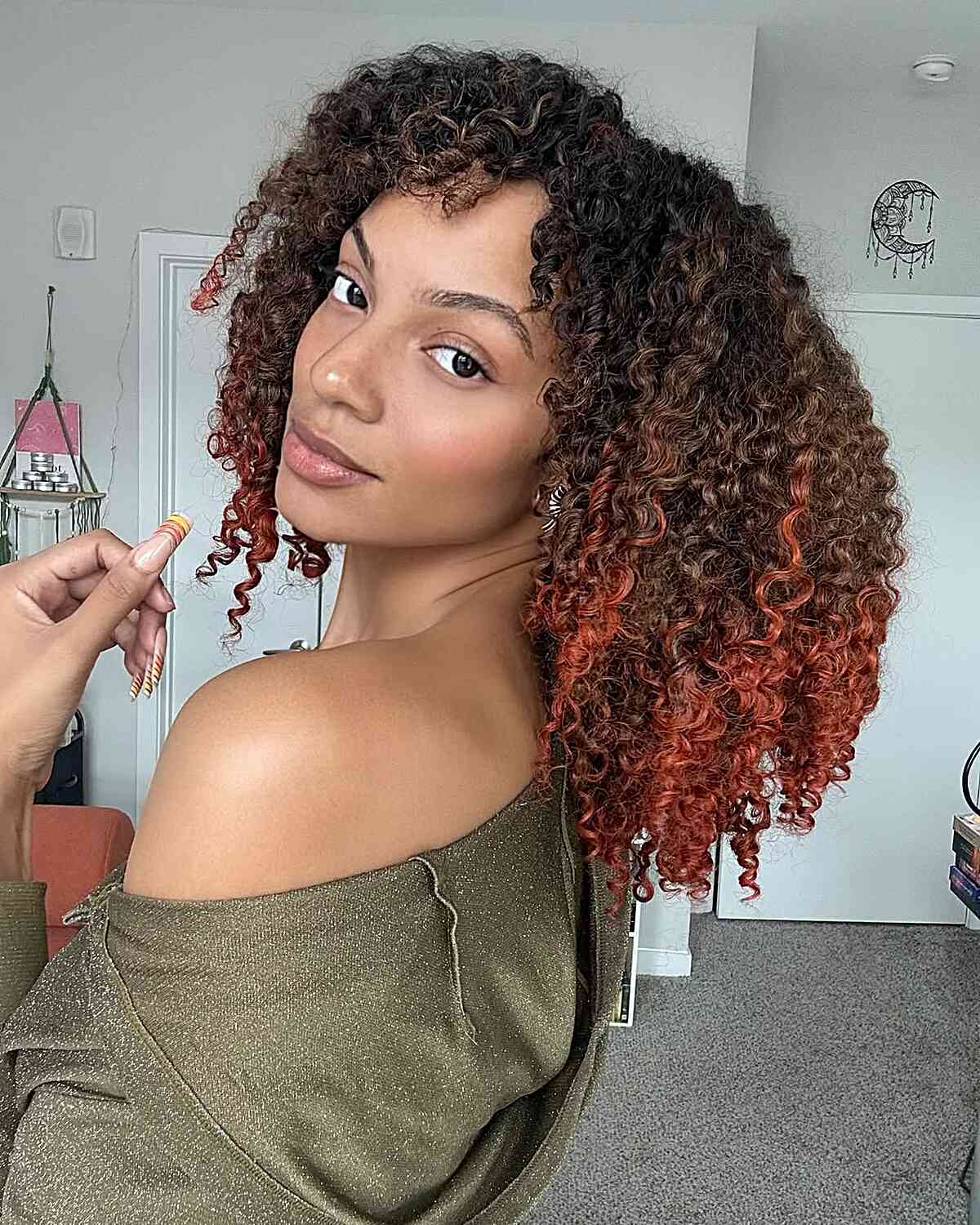
The ombre here is a slow fade from dark brown at the roots to auburn at the ends, not a sharp line. Loose, voluminous curls let the transition show clearly. This works best on thick, curly hair at mid-back length, where the color has enough canvas to graduate naturally.
Ask your colorist for: mid-back layered cut, dark brown base fading to auburn ends. Because the roots stay dark, you can stretch salon visits to twelve weeks or so. The auburn ends need extra moisture to stay healthy and keep the color from turning brassy. A deep conditioner every wash helps.
Mid-Back Brown With Blonde Balayage and Styled Air-Dried
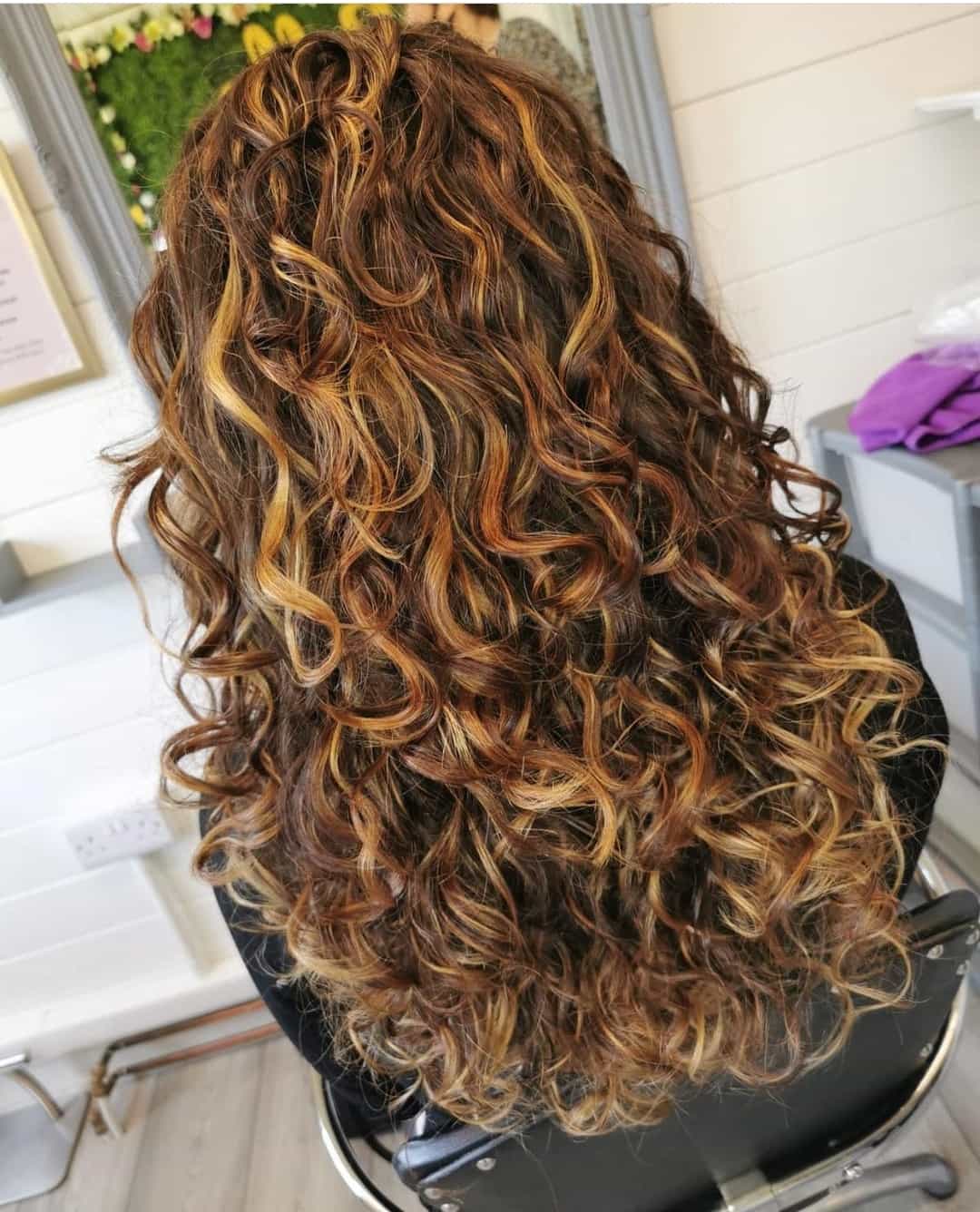
Is there a more low-maintenance way to add dimension to thick, mid-back length curly hair than a brown base with blonde balayage? Probably not. The balayage technique paints the lighter pieces onto the surface of each curl, so the grow-out is soft. Ask your colorist for: mid-back layered cut, brown base with blonde balayage. The middle parting and air-dried styling keep the look natural. A toner refresh every three to four months keeps the blonde from pulling brassy, but the brown base does most of the work between appointments.
Natural Black Mid-Back Curly Hair
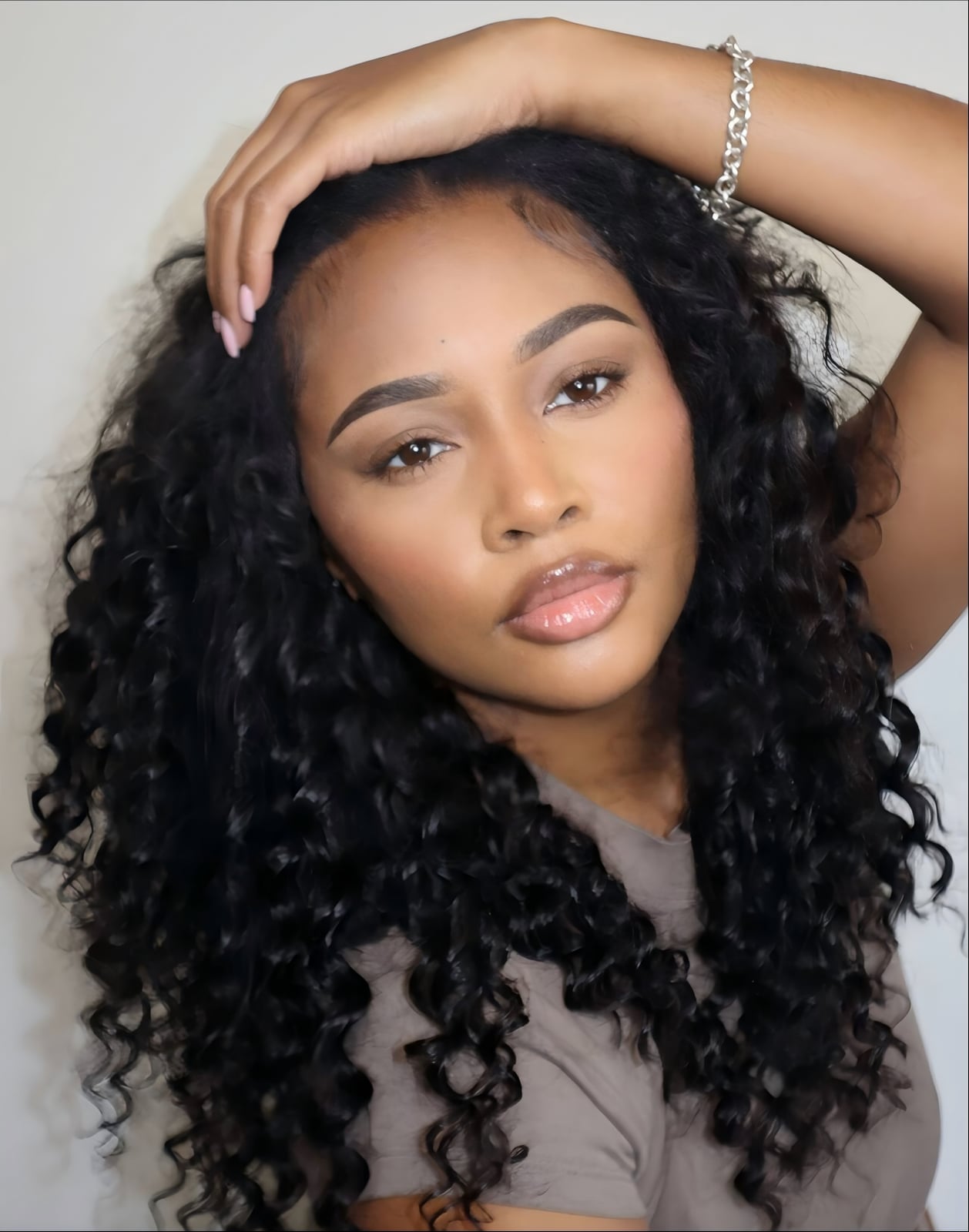
Natural black is not a color you dye; it is a color you maintain. This is thick, mid-back length curly hair with well-defined, glossy curls and a side parting, air-dried to let the texture speak for itself. If you are starting from a lighter shade, getting back to natural black at home is tricky. It often pulls green or muddy. Ask your colorist for: mid-back layered cut, natural black color. A demi-permanent dye in a cool black shade is your best DIY bet, and a gloss treatment every few weeks keeps the shine high.
Chin Length Bob With Caramel Highlights
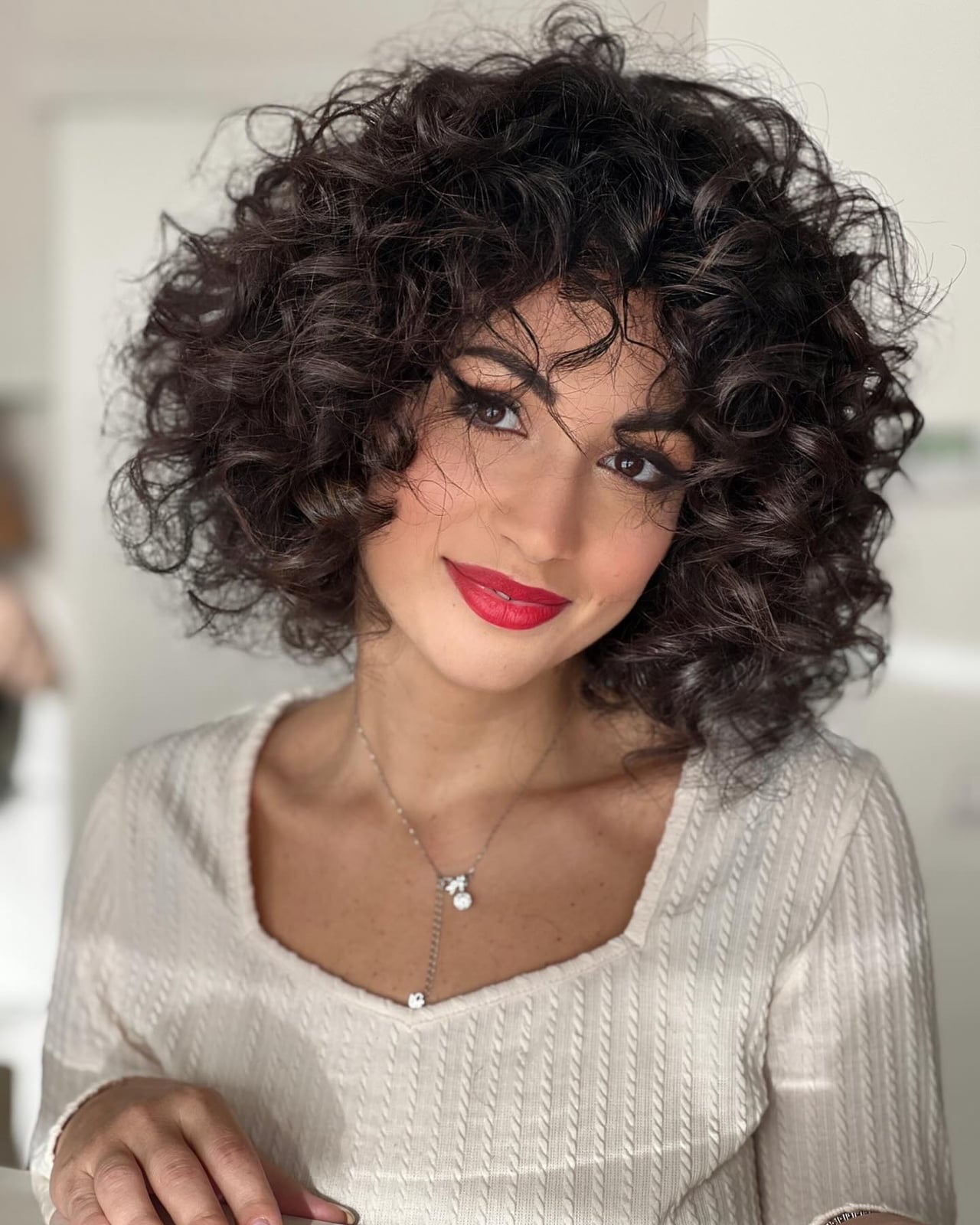
A chin-length bob on thick curly hair already has presence; subtle caramel highlights add depth. Air-dried styling keeps it low-effort. Ask your colorist for: chin length curly bob, dark brown base with subtle caramel highlights. The highlights sit close to the base color, so grow-out is soft. Plan a trim every six to eight weeks to keep the bob shape crisp, and use a curl cream to stop the shorter layers from fluffing out.
Vivid Pink Bob With Lighter Highlights
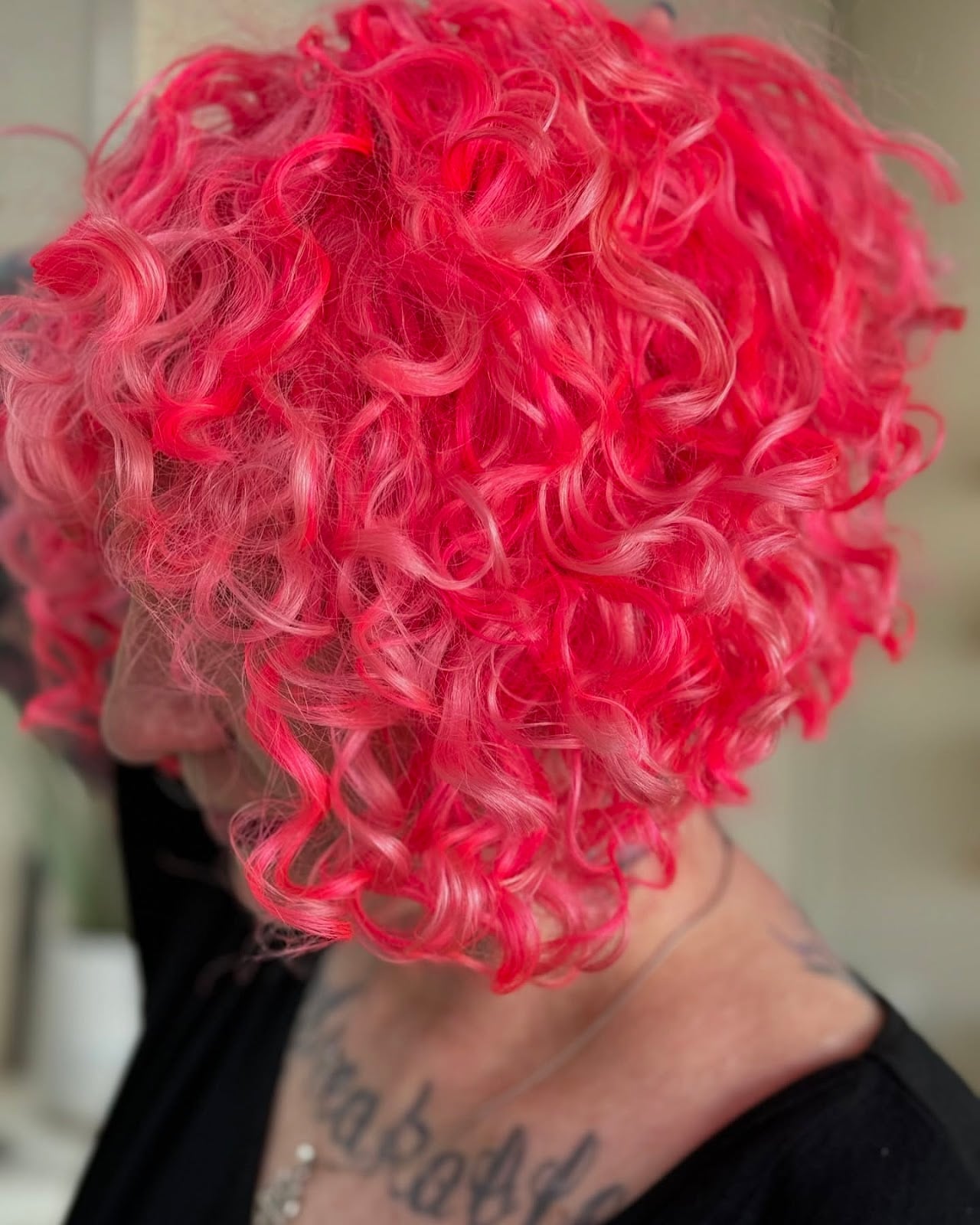
The lighter pink highlights add dimension, but the real story is the upkeep. This color fades fast on curly hair, which tends to be more porous. Ask your colorist for: bob cut, vivid pink color with lighter pink highlights. You will need a color-depositing conditioner and sulfate-free shampoo to stretch each salon visit. The drawback: pink roots show quickly against your natural shade, so expect a touch-up every four weeks or a root shadow to buy time.
Final Thoughts
If your curls are fine, stick with a single-process color or subtle highlights to keep the look soft. For thick, coily hair, balayage offers a low-maintenance grow-out that won’t leave you with a harsh line of demarcation. Semi-permanent colors are your friend if you like to switch shades often without the long-term commitment.
- Wait 48-72 hours after coloring before shampooing.
- Use color-safe shampoos and conditioners specifically for curly hair.
- Deep condition weekly to maintain moisture and elasticity.
- Rinse with cool water to help seal the cuticle and preserve color.
- Avoid excessive heat styling; opt for air-drying or low-heat settings.
Embrace bold color to celebrate your natural curls.