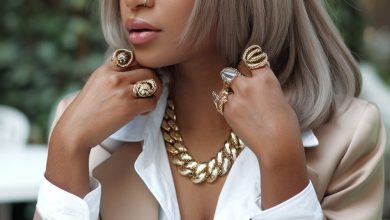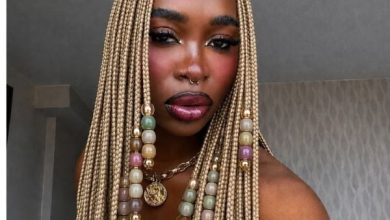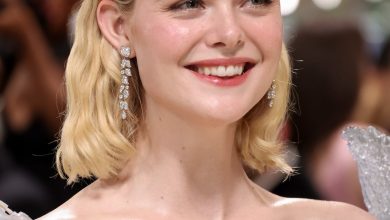
Dark blonde hair sits at that clever midpoint between brunette and blonde, a base that takes highlights, balayage, and toners without tipping into high-maintenance territory. The current trend favors lived-in color over uniform brightness, with soft face-framing layers and curtain bangs adding movement to glossy, natural textures.
This collection of 29 dark blonde hair ideas spans the spectrum from low-upkeep balayage to more precise babylights, and from chin-length bobs to mid-back waves. Whether your hair is fine and tends to fall flat or you’re wrestling a stubborn grow-out line, there’s a shade and technique here that works with your texture and routine. Dark Blonde Hair proves that you don’t need to go light to make an impact.
Mid-Back Wavy Dark Blonde With Ash Highlights
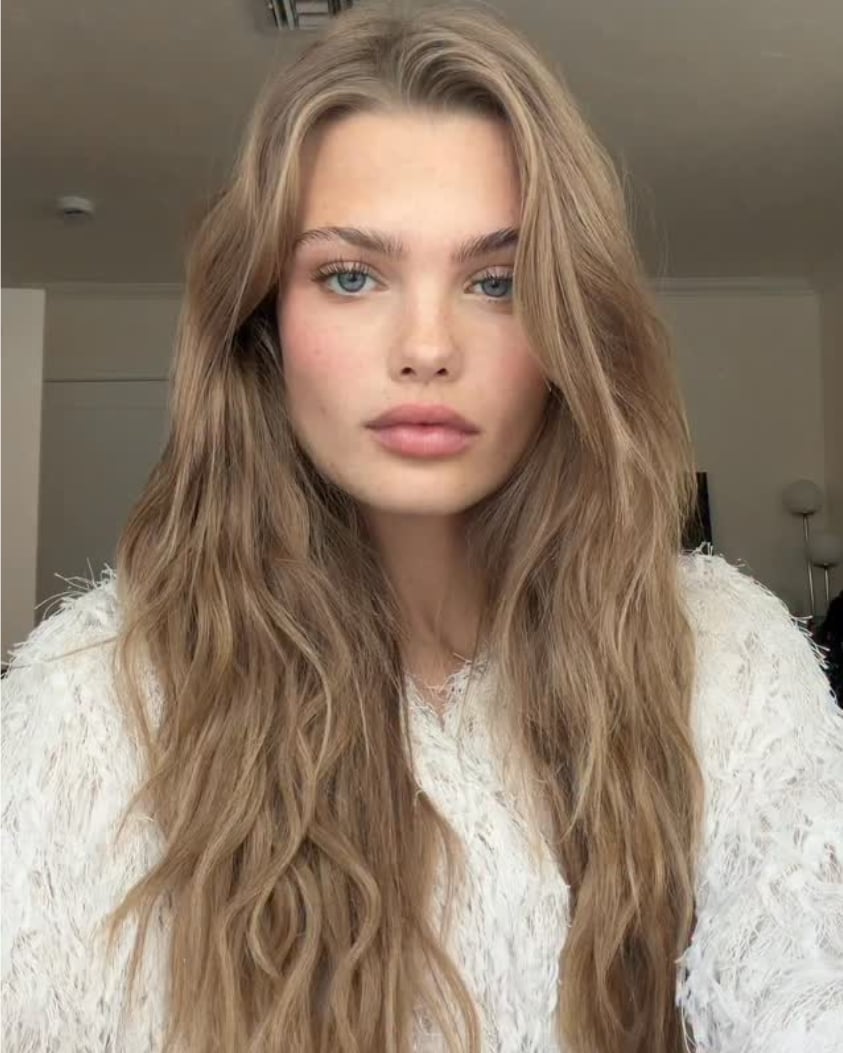
Ash blonde highlights on a dark blonde base read as cool without trying to be platinum. The trick is keeping them subtle enough that the natural waves do the work. Fine hair benefits from this approach: the ash tones add depth rather than weight, and the middle part helps a round face appear longer. Ask your colorist for mid-back dark blonde with ash highlights, natural waves. Air dry with a texturizing spray and plan on a trim every six to eight weeks.
Mid-Back Dark Blonde With Lighter Balayage
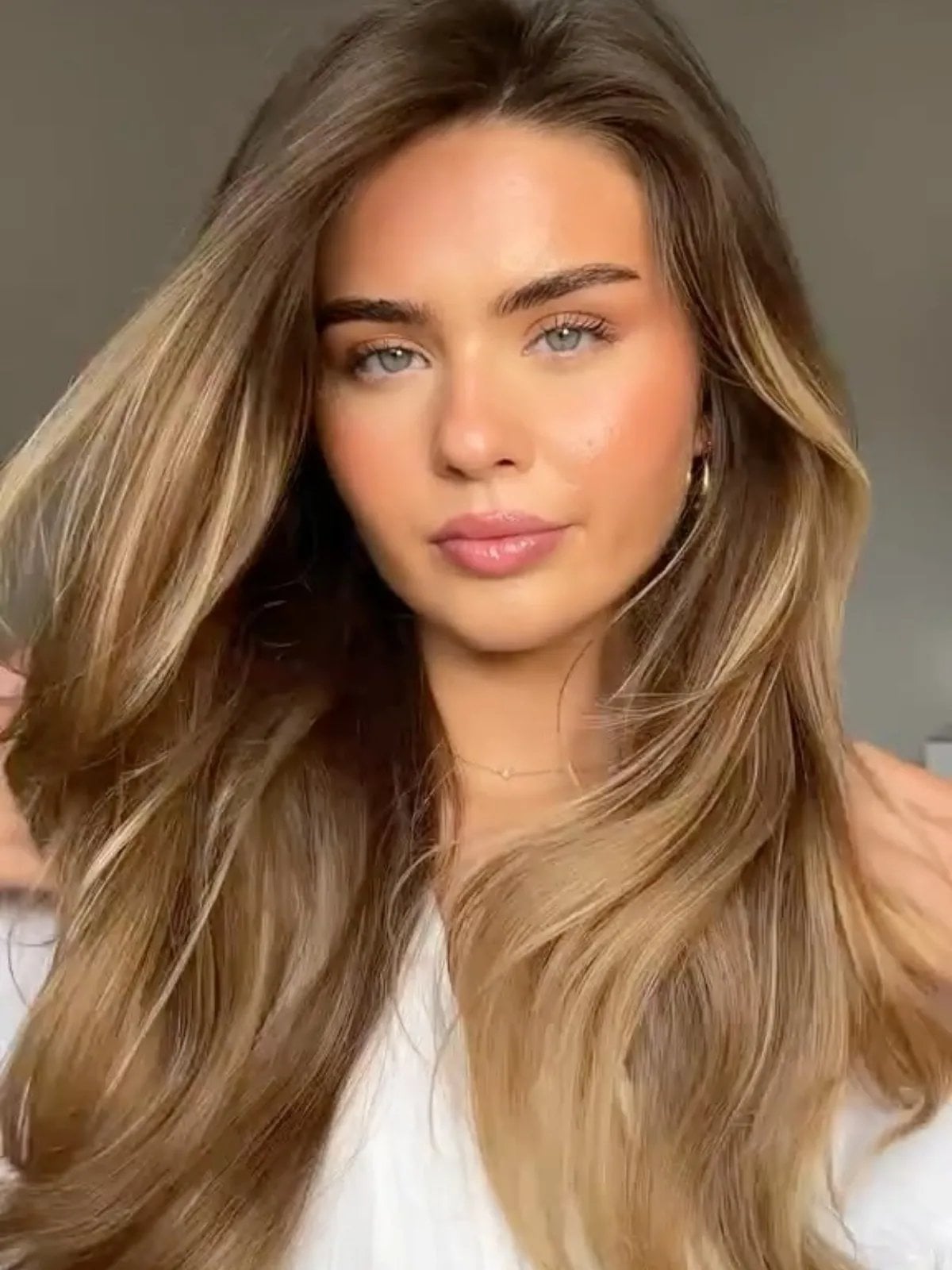
A side part changes the game for a balayage. The lighter pieces fall forward where they catch the most light, and the dark blonde base keeps the whole thing from looking bleached out. Thick, wavy hair at mid-back length is the ideal canvas here, since the waves break up the color in a way that straight hair cannot fake.
Ask your colorist for mid-back dark blonde with balayage, loose waves, side part. The short list for the appointment: bring a photo, ask for soft pintura sections near the face, and skip the foil for a more hand-painted finish.
Golden Chestnut Blonde With Face-Framing Layers
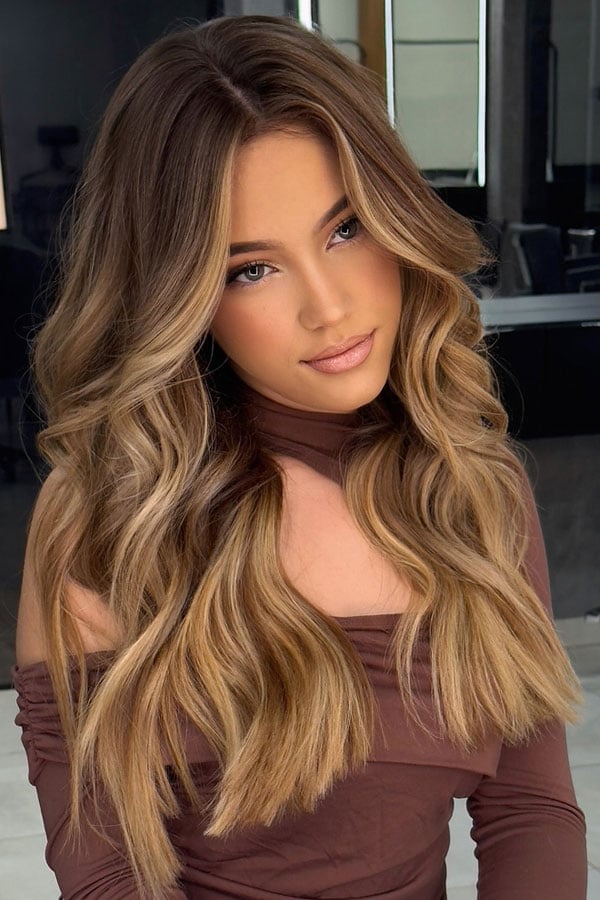
How do you get that warm, glossy look without tipping into brassy? Start with a golden chestnut base and add lighter blonde pieces only around the face. The contrast reads as intentional because the darker base anchors the whole thing. This works best on thick, mid-back length hair; the face-framing layers soften a square jaw or a round cheek without losing length.
Ask your colorist for mid-back golden chestnut blonde, face-framing layers, soft waves. The face-framing sections are painted finer than the rest, so they blend rather than stripe. A middle part keeps the shortest layers from sitting too far forward.
Collarbone Dark Blonde With Subtle Highlights
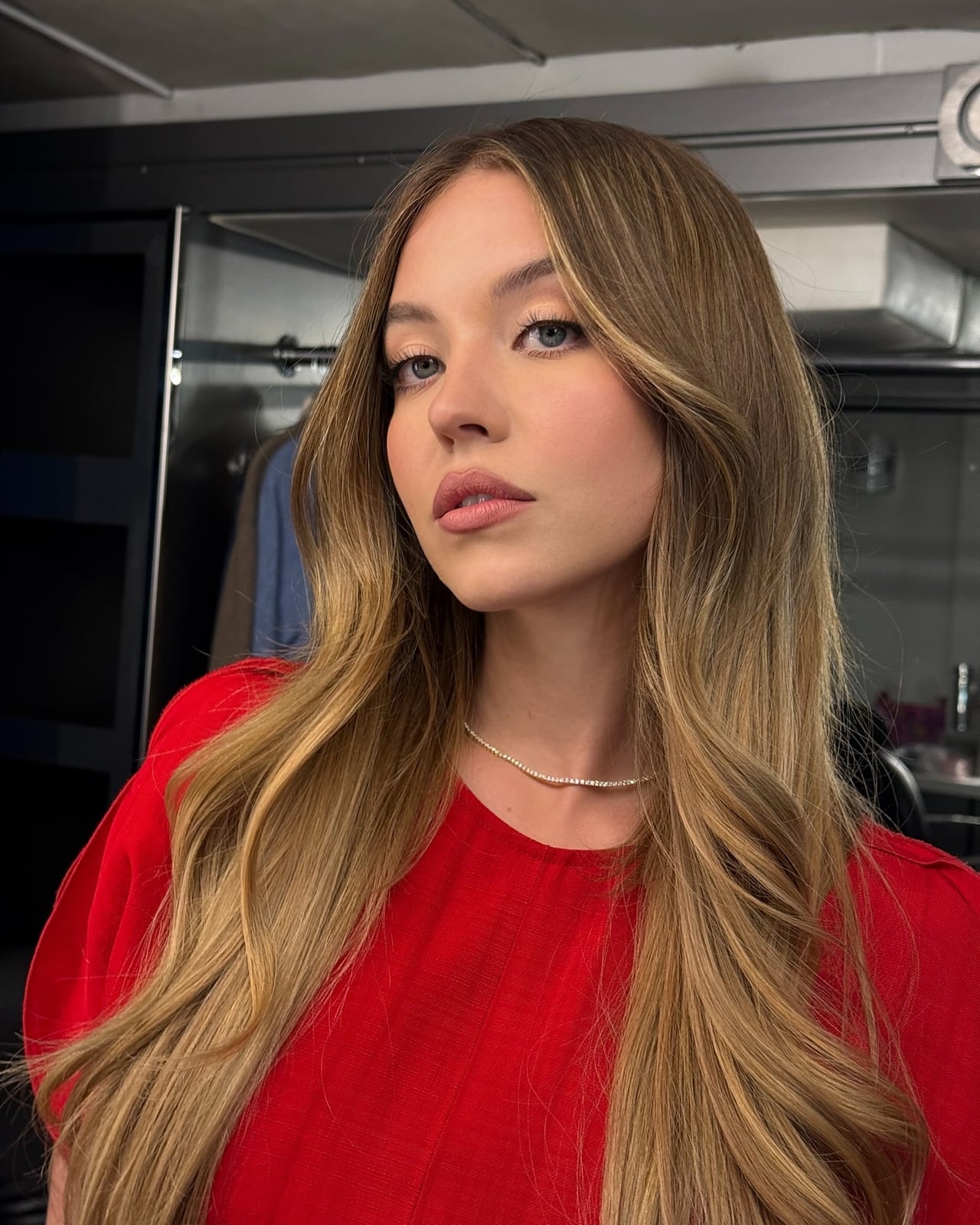
That glossy finish does not happen by accident. On collarbone-length dark blonde hair, subtle lighter highlights add dimension while the base stays rich. The shine looks healthy, not greasy. A middle part at this length elongates a round face, and the collarbone cut hits the right spot for thick hair that needs weight at the ends. Ask your colorist for collarbone dark blonde with subtle highlights, soft waves. Apply a shine serum to the ends after styling and expect a trim every six to eight weeks to keep the ends clean.
Shoulder Length Dark Blonde Curls With Caramel
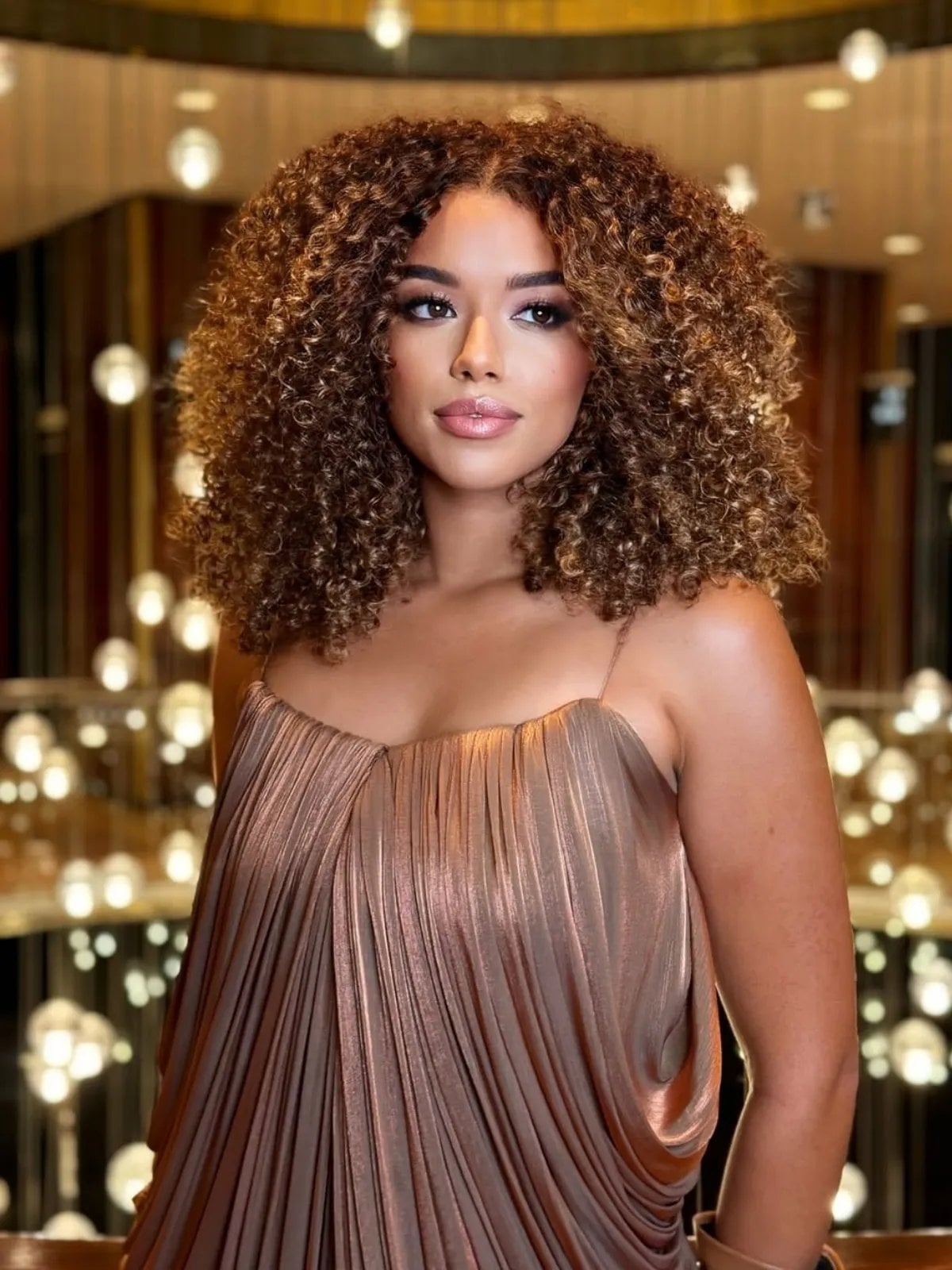
Structured blowouts get all the attention, but natural curls have a different advantage: they hide the grow-out line better. Caramel highlights on a dark blonde base add warmth without fighting your natural texture. Thick, curly hair at shoulder length benefits from the lighter pieces, which prevent the curls from reading as one solid block. A middle part balances wider faces by breaking the symmetry. Ask your colorist for shoulder length dark blonde with caramel highlights, natural curls. This is a good fall look, when the weather shifts but you are not ready for a full color change.
Smoky Golden Blonde Mid-Back With Face-Framing
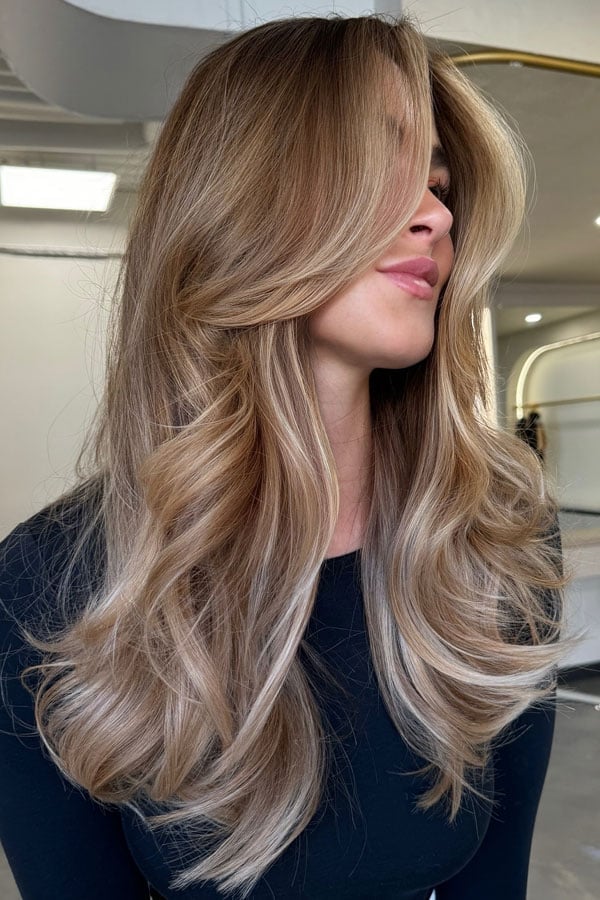
A smoky golden blonde base keeps the warmth in check while subtle highlights cut through the density at mid-back length. The face-framing layers are cut to catch the lighter pieces, so the highlights land exactly where they soften the line of the jaw. Thick, wavy texture holds the shape of a blowout without much protest. Ask your colorist for: mid-back smoky golden blonde with face-framing highlights.
The ‘smoky’ part comes from a cooler-toned gloss over the golden base, so the highlights appear ash instead of honey. A large barrel brush during blow-drying pushes volume into the front sections, and a trim every six to eight weeks keeps the layers from losing their intended shape.
Collarbone Dark Blonde With Curtain Bangs
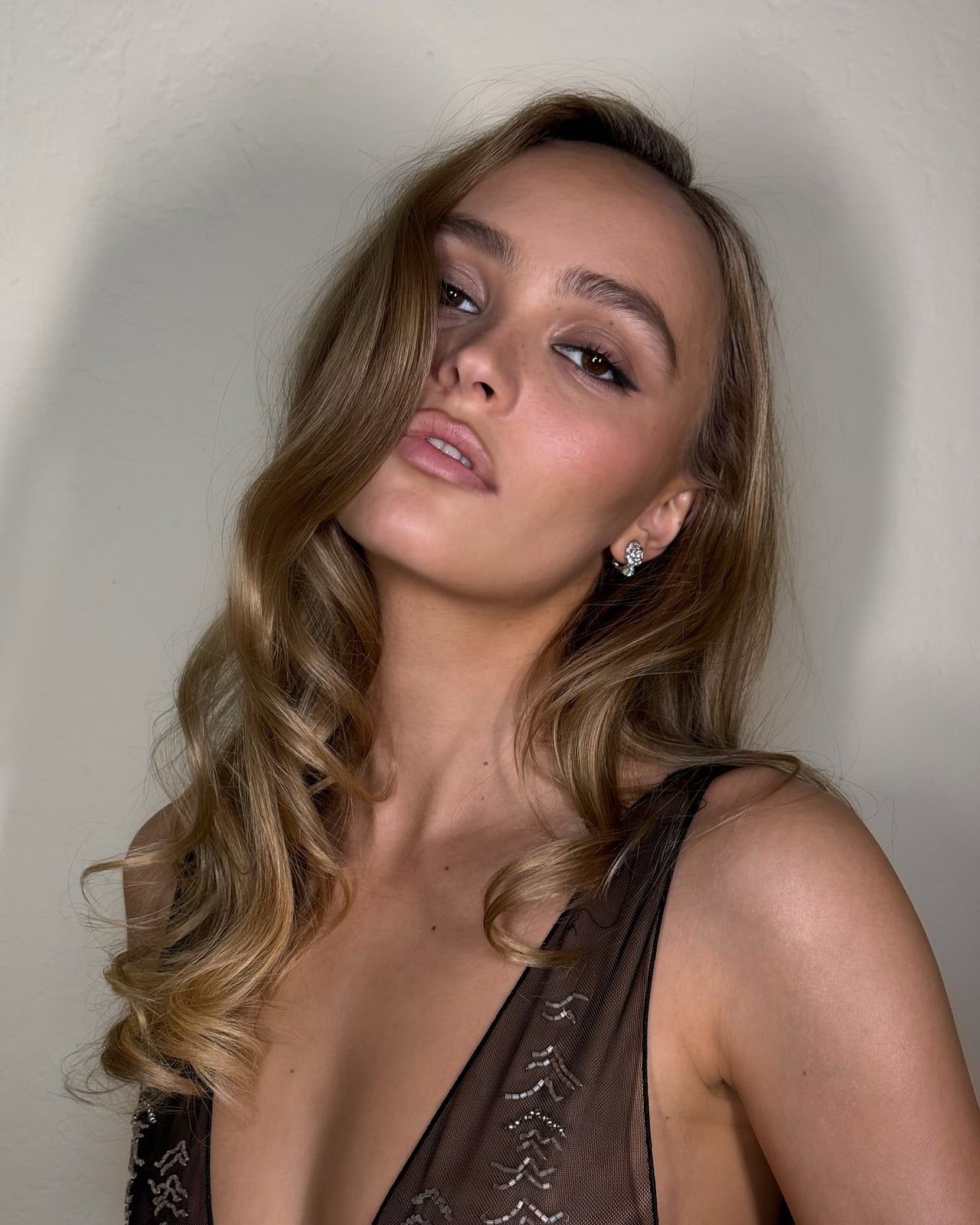
Wondering how to ask for curtain bangs that look intentional? The key is length and connection. These bangs are cut to graze the cheekbones and blend into the collarbone-length layers, so they swing with the rest of the hair instead of sitting separately. The dark blonde base with subtle blonde highlights keeps the overall tone soft and unified. Ask your colorist for: collarbone dark blonde with curtain bangs. A salon visit is the right call here: cutting curtain bangs freehand takes an experienced eye, and the shape dries itself with a quick round-brush sweep.
Collarbone Dark Blonde With Subtle Gradient
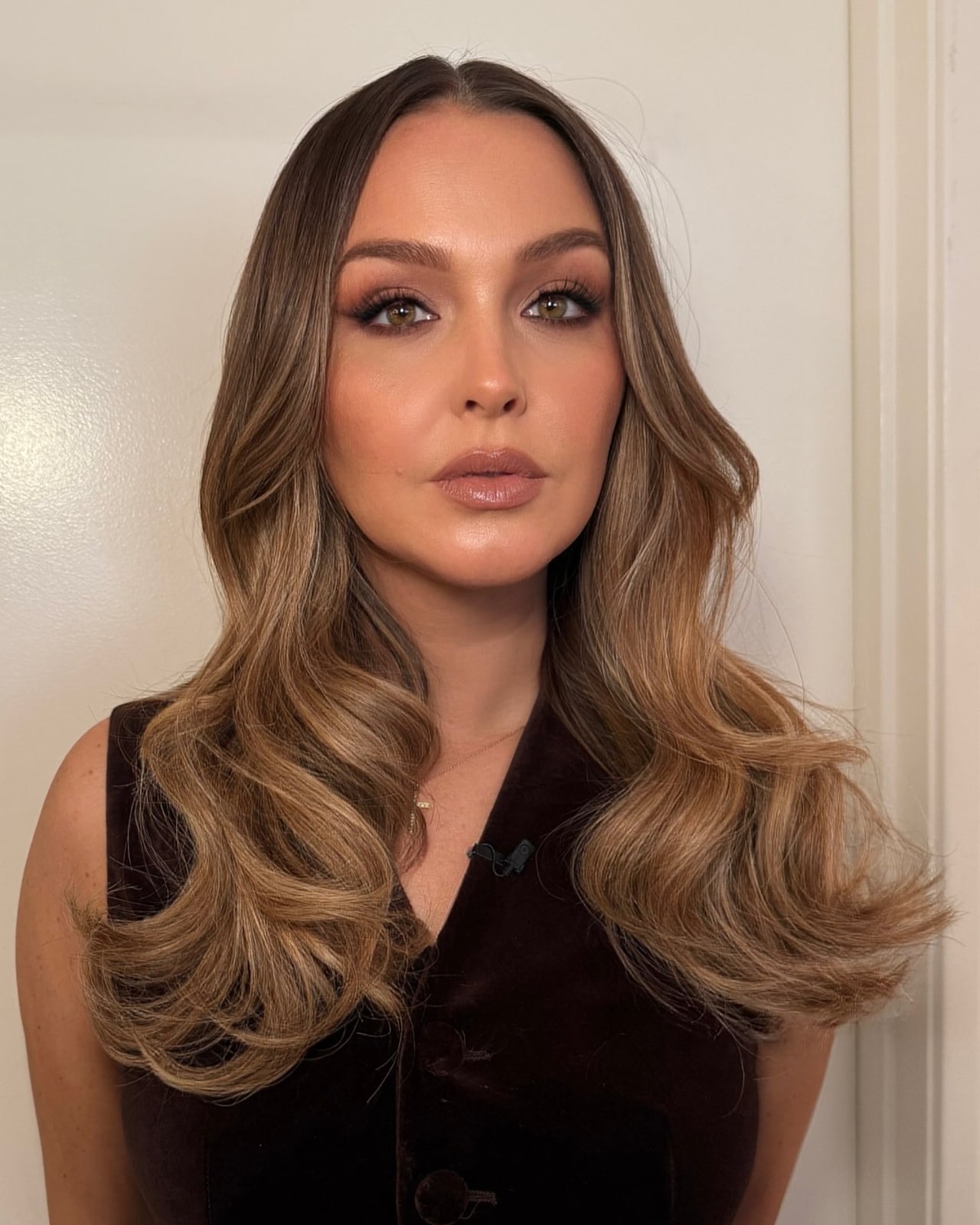
The gradient here is so gradual that you might miss it at first glance: the lighter blonde tone starts a few inches from the root and deepens toward the ends, creating a soft glow rather than a stripe. On collarbone-length dark blonde hair, that subtle placement means the grow-out line stays invisible for about eight weeks. A middle part shows off the symmetry of the gradient, and the glossy finish is the detail that sells it. Ask your colorist for: collarbone dark blonde with a subtle gradient and gloss. Use a shine serum on dry ends between washes, and plan a trim every six to eight weeks to keep the ends healthy enough to reflect light.
Mid-Back Dark Blonde With Face-Framing Highlights
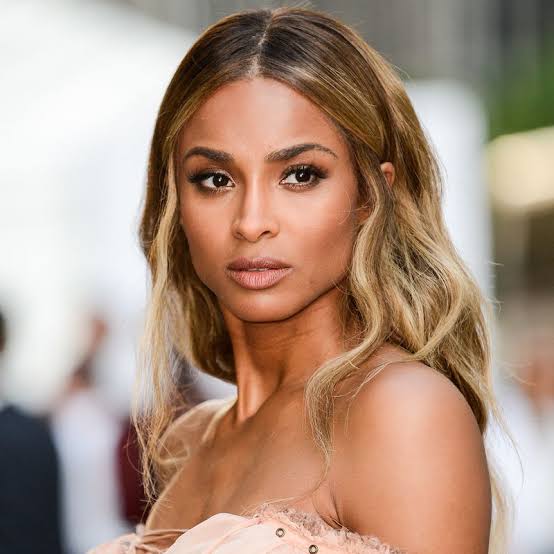
Face-framing highlights are applied from the brow bone down to the mid-lengths, leaving the back of the hair in a deeper dark blonde. The technique is deliberate: the lighter pieces wrap around the face so they catch light when the hair moves, without lifting the entire head. On mid-back length, thick, wavy hair, that placement also reduces the amount of foil work, which cuts down on salon time. Ask your colorist for: mid-back dark blonde with face-framing highlights. The layers are cut to support the highlights, so the lighter strands fall naturally around the jaw and shoulders rather than sitting on top of the wave pattern.
Collarbone Bob With Lived-In Balayage
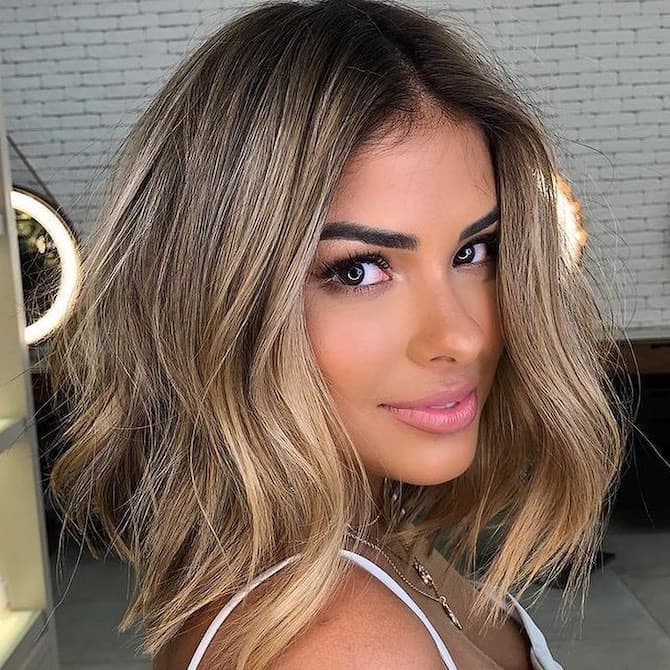
A bob at collarbone length is short enough to feel like a cut but long enough to pull back, and the lived-in balayage buys you time between color appointments. The root shadow is the honest trade-off: it hides new growth for weeks, but it also means the blonde pieces won’t lift as light as a full highlight. On medium-density hair with loose waves, the subtle blonde highlights peek through the wave pattern rather than sitting on top. Ask your colorist for: collarbone bob with lived-in balayage and a root shadow. The downside is that if you prefer a very bright blonde, this technique will feel too soft.
Mid-Back Dark Blonde With Dimensional Waves
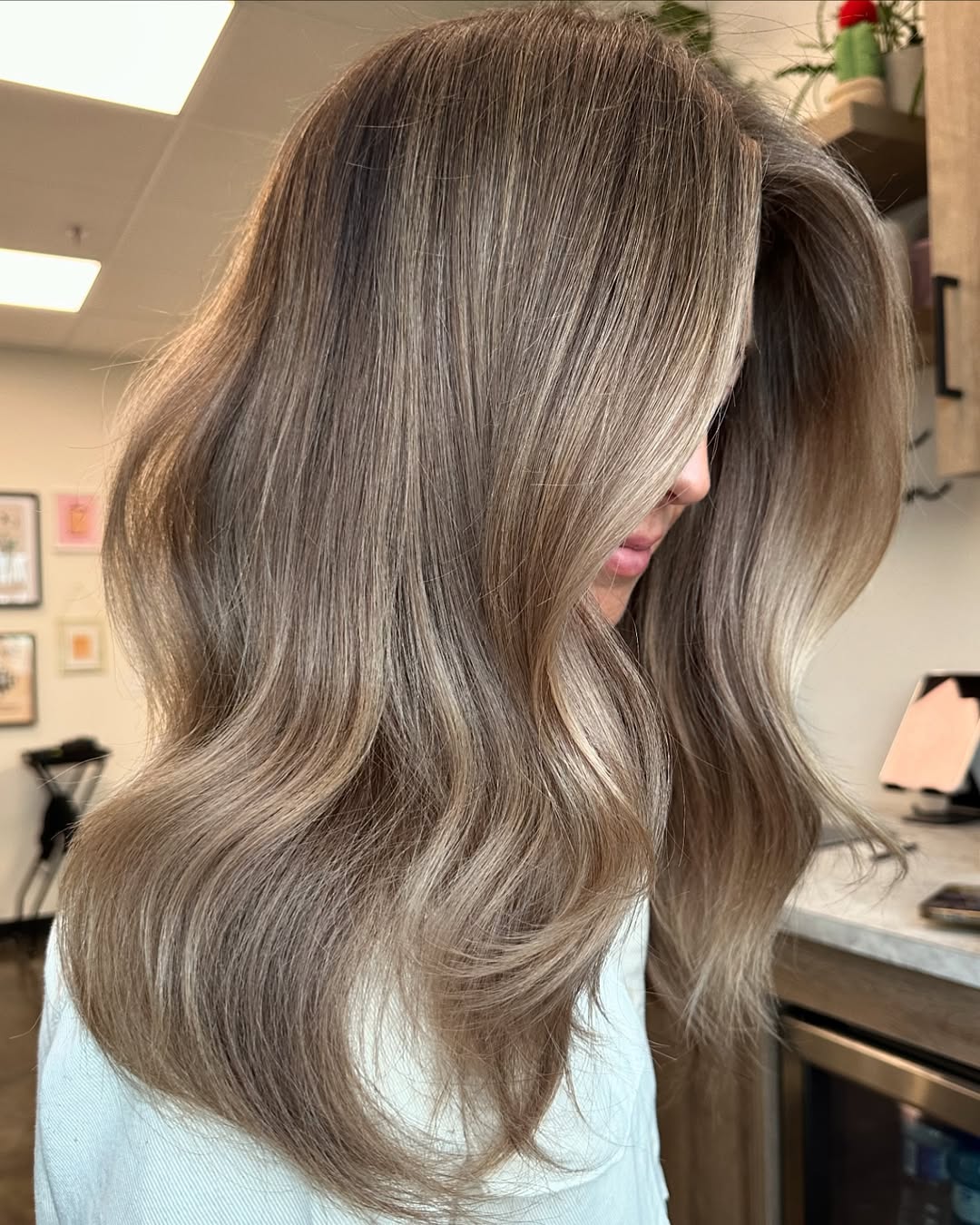
What if dimensional color could do the work for you? On thick, wavy hair at mid-back length, a dark blonde base with lighter blonde highlights creates movement without a single styling product. The middle parting and soft blowout waves let the lighter pieces reflect at different angles, so the color shifts as you move. Ask your colorist for: mid-back dark blonde with dimensional highlights, soft waves. This technique suits hair that already has some body; fine, straight strands won’t hold the waves long enough to show off the dimension. A round brush during blow-drying adds curve at the ends, and a trim every six to eight weeks keeps the layers from dragging the shape down.
Collarbone Dark Blonde With Natural Tone
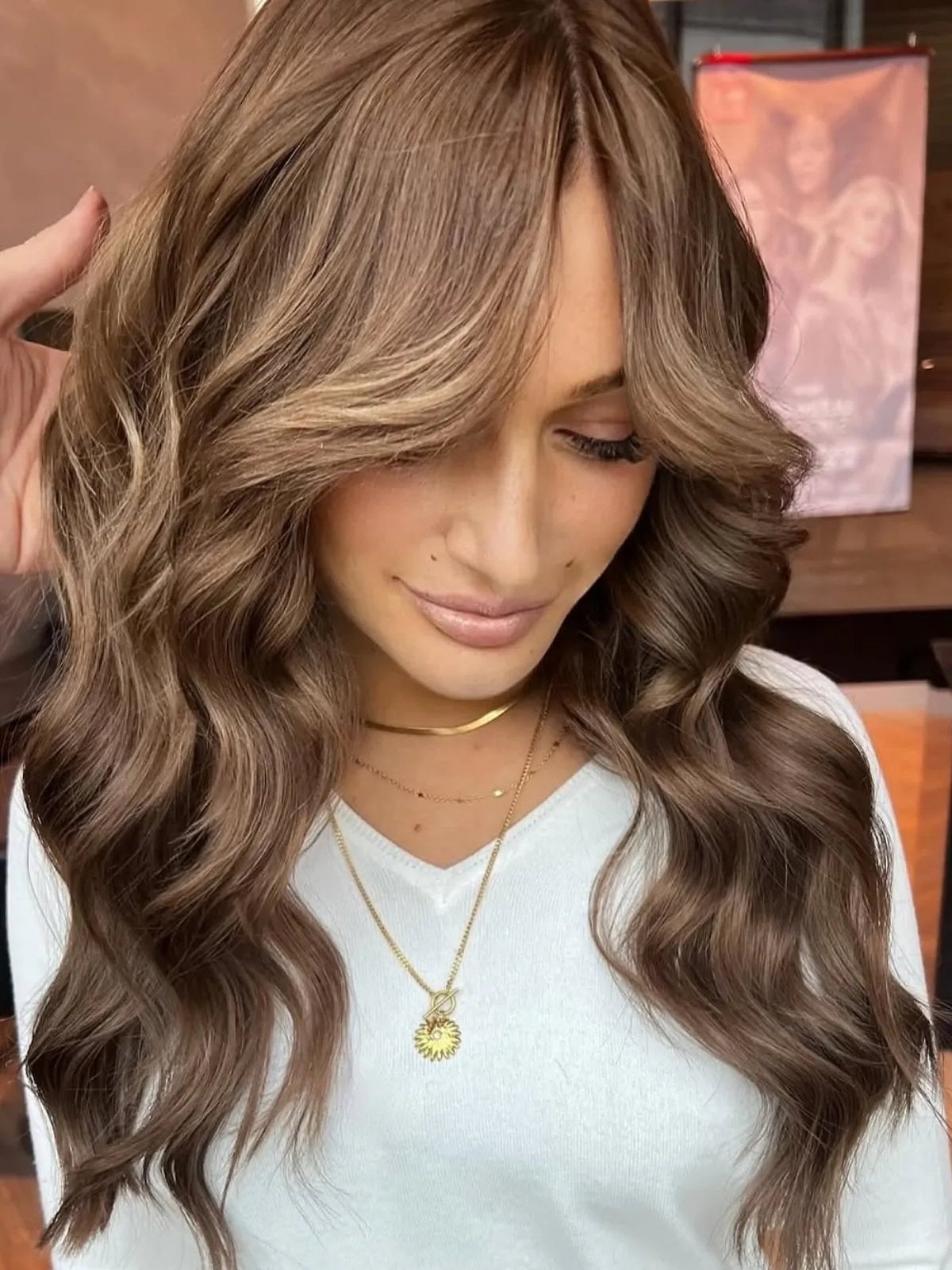
The natural tone here is the quiet overachiever of dark blonde hair. At collarbone length with a middle part and soft waves, the subtle lighter highlights look sun-kissed and salon-finished, which is exactly the point. Ask your colorist for: collarbone dark blonde with subtle highlights, soft waves. This finish wears well because it skips the high-contrast grow-out line; the base blends into the roots between appointments. A shine serum on the ends after styling gives the glossy finish, and a trim every six to eight weeks keeps the collarbone length neat.
Chin Length Blunt Bob In Dark Blonde
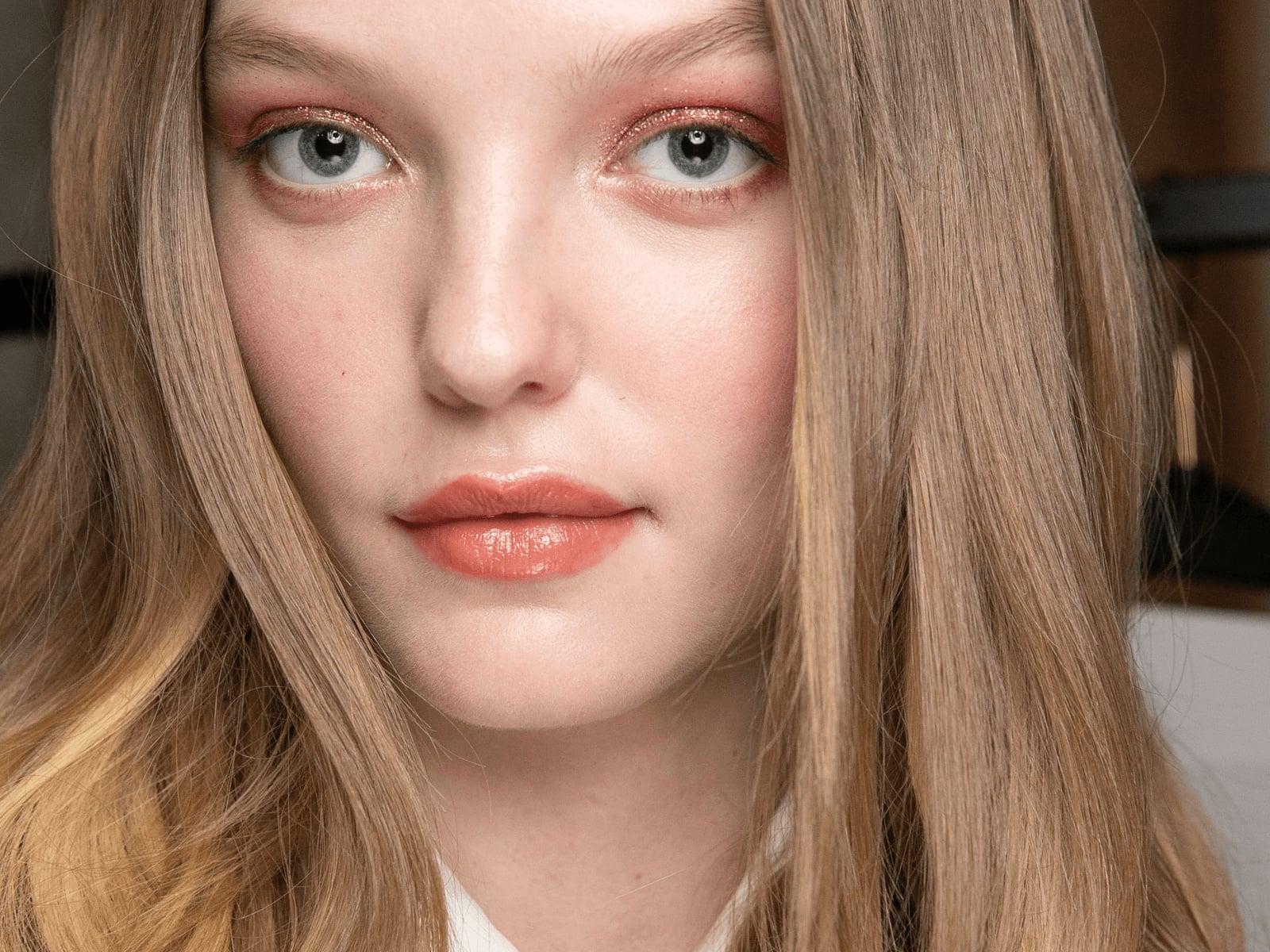
A blunt bob is a geometry lesson: the line must be perfectly straight or the whole shape falls apart. On fine, straight hair at chin length with a middle parting, the dark blonde color shows off the precision of the cut, since there are no layers to hide behind. Ask your stylist for: chin length blunt dark blonde bob. This is a salon job, not a kitchen-scissors project; a fraction of an inch off and the baseline goes crooked. The result is a clean, sharp silhouette with a deliberate look. A flat iron keeps the smooth finish, and the blunt baseline needs a trim every six to eight weeks to hold its edge.
Mid-Back Dark Blonde With Blended Layers
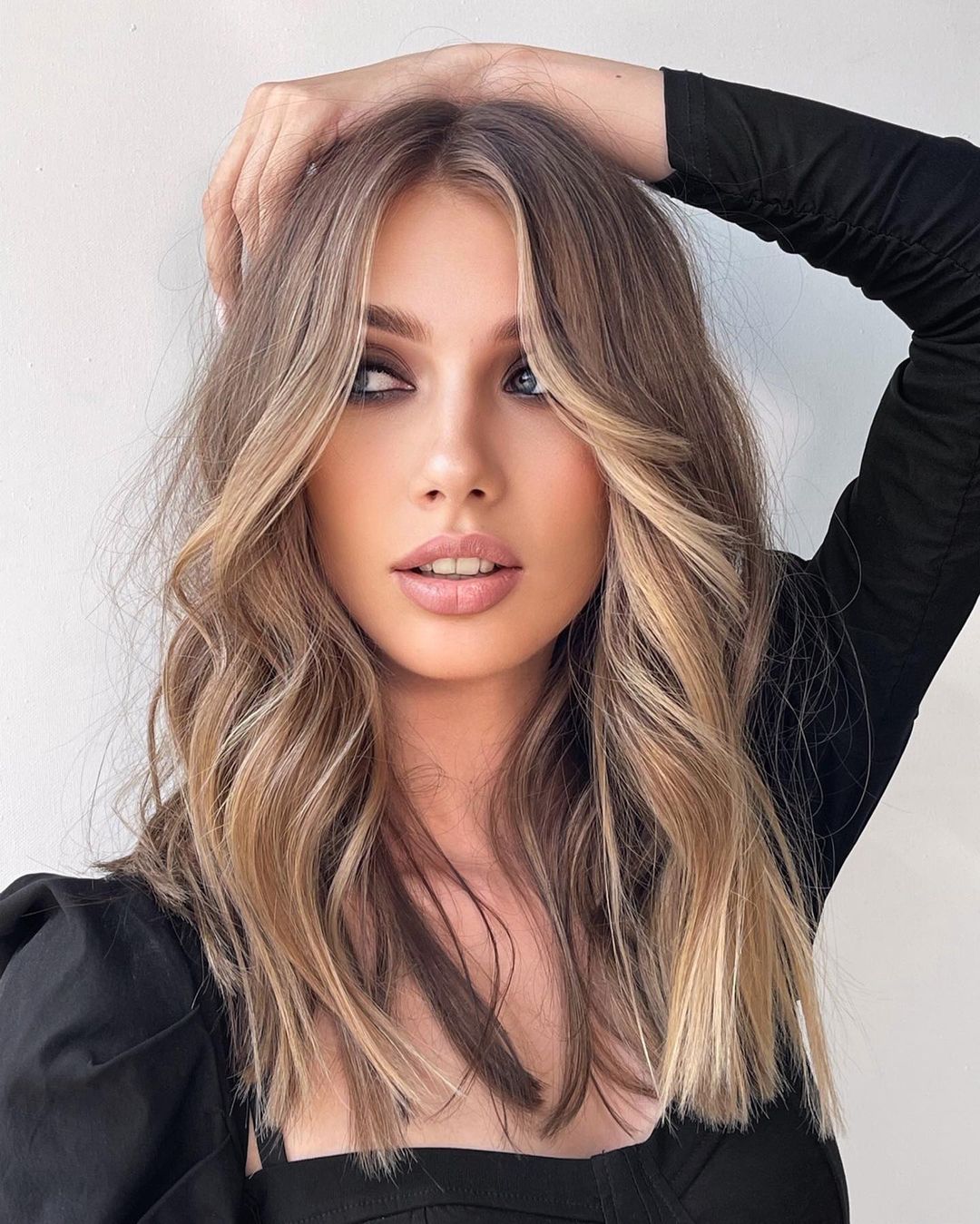
Compared to the sharp, disconnected layers that create obvious steps, blended layers here melt into each other, so the dark blonde base with lighter blonde highlights looks like one continuous wash of color. This mid-back length with loose waves suits thick hair that can carry the weight without looking bottom-heavy. Ask your colorist for: mid-back dark blonde with blended highlights, loose waves. The technique uses a large barrel curling iron to bend the ends, which shows off the softer transitions between tones. If you prefer more visible movement, ask for chunkier pieces at the front; if you want the color to stay subtle, keep the blend tight.
Shoulder Dark Blonde With Root Shadow
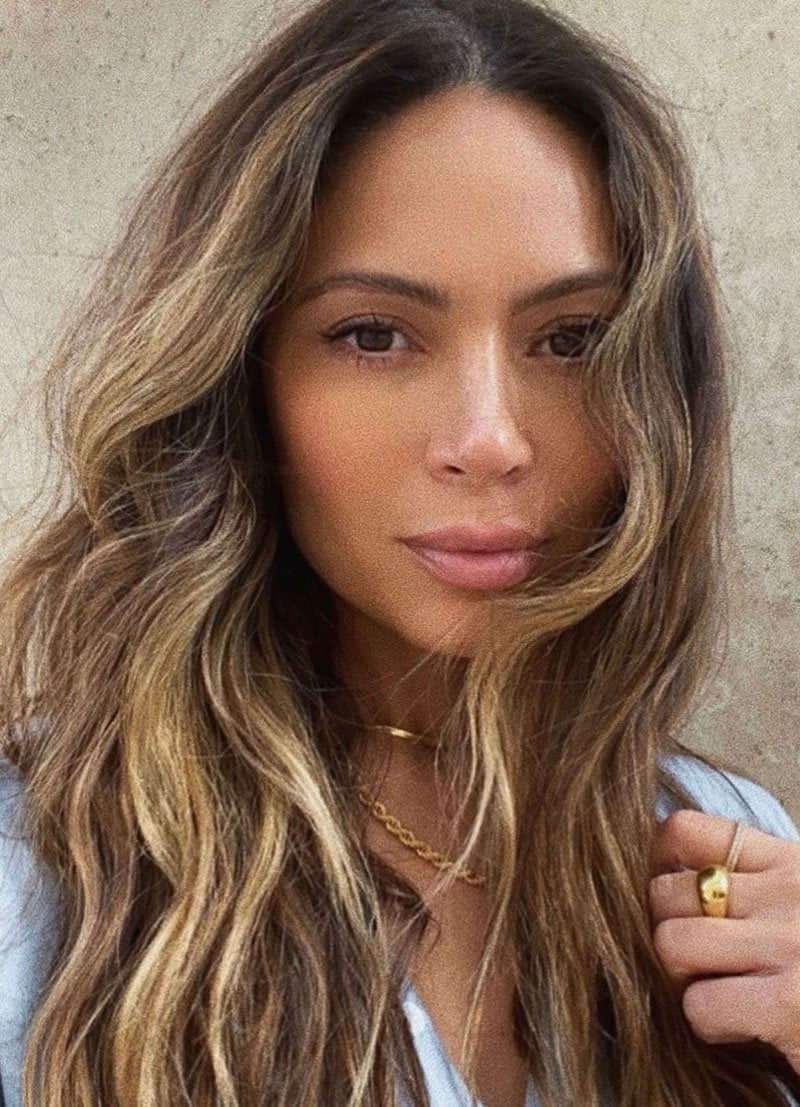
Rule of thumb: a root shadow buys you time, but it doesn’t buy you forever. On shoulder-length, wavy dark blonde hair with blonde highlights, the darker root shadow softens the grow-out line, so you can push a touch longer between color appointments. The face-framing bangs and middle parting break up the solid color at the front, which suits angular faces by adding softness around the jaw. Ask your colorist for: shoulder length dark blonde with root shadow and face-framing bangs. The drawback is that the shadow needs to be refreshed eventually; left too long, it creeps down and turns into a stripe. Blow-dry the bangs with a round brush, directing them away from the face, and trim every six to eight weeks.
Mid-Back Dark Blonde With Balayage and Styled In Loose
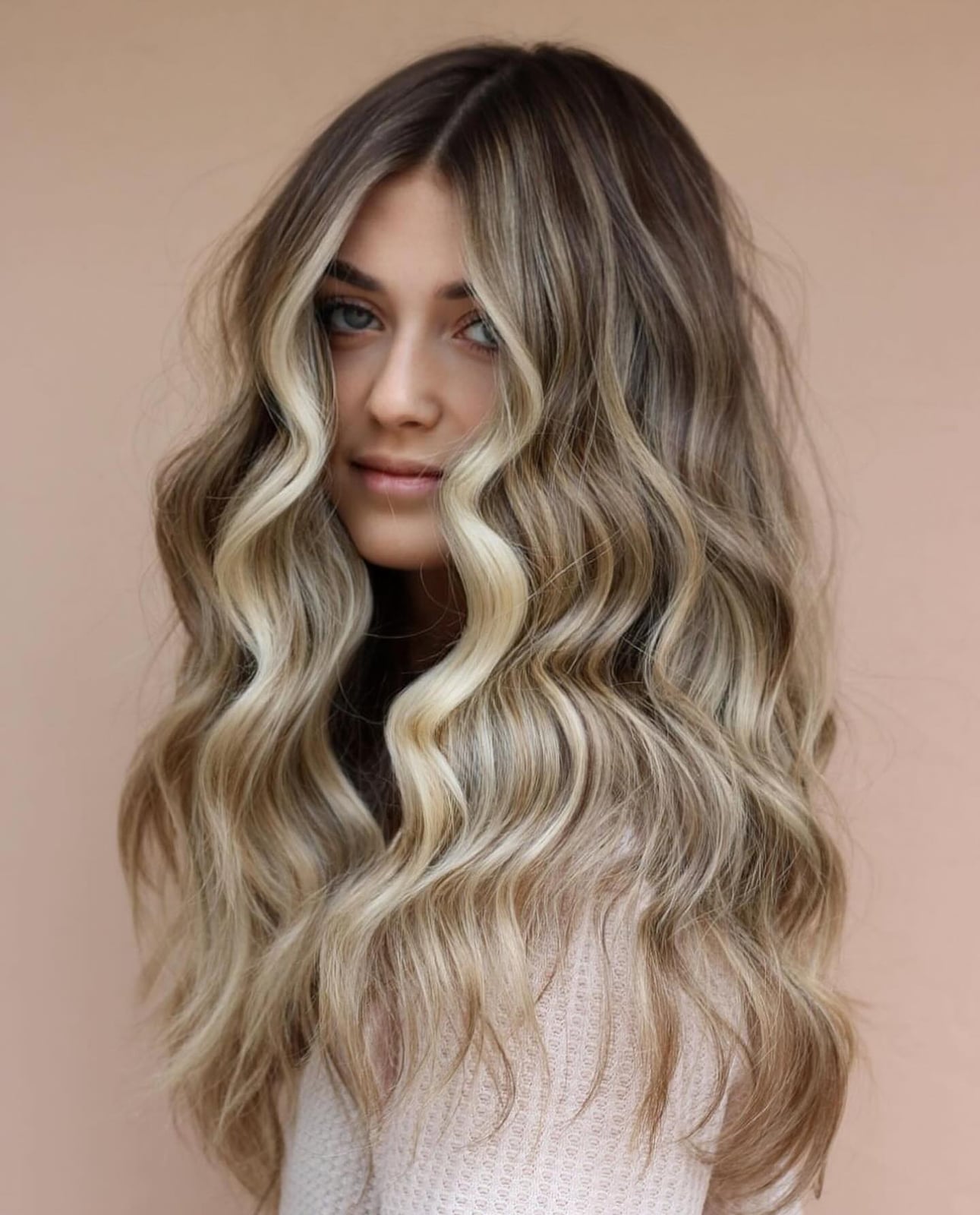
Wondering how to get that lived-in dark blonde that doesn’t look like you just left the salon? The key is asking for balayage that starts lower down, so the rich dark blonde base stays prominent at the roots while the blonde highlights concentrate through the mid-lengths and ends. On mid-back length hair, this placement keeps the color from feeling top-heavy and adds dimension to the loose, glossy waves.
Ask your colorist for: mid-back dark blonde with balayage, loose waves. The soft layers are what make the texture work, especially on thick hair, since they remove weight without sacrificing length. A middle parting lets the waves fall evenly on both sides. This is a casual, everyday color that looks natural, not costumed.
Mid-Back Dark Blonde Half-Up Fishtail Braid
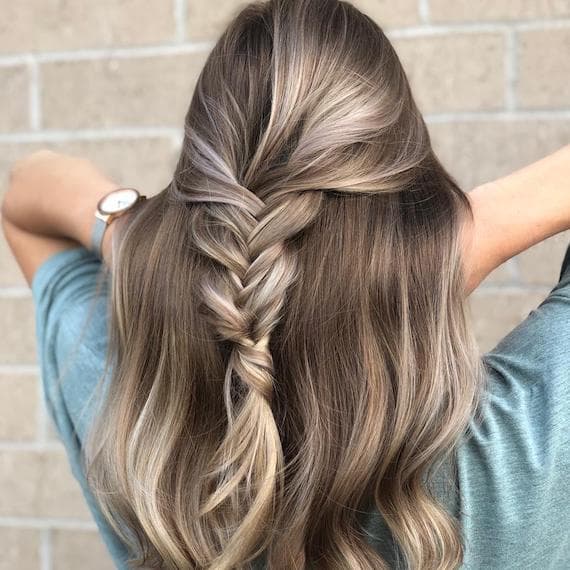
The half-up fishtail braid is a clever way to show off color depth, since the braid pulls the darker roots and lighter ends together into one visible strand pattern. On mid-back length dark blonde with subtle highlights, the braid reads as a texture detail rather than a formal style.
Ask your stylist for: mid-back dark blonde with highlights, half-up fishtail braid. To build it, gather the top section from each side, split it in two, and cross small pieces over until you reach the nape, then secure. Gently tug the edges of the braid to loosen it, which adds volume and makes the wavy texture below look fuller. Medium density hair holds the braid shape best without slipping.
Mid-Back Dark Blonde With Babylights
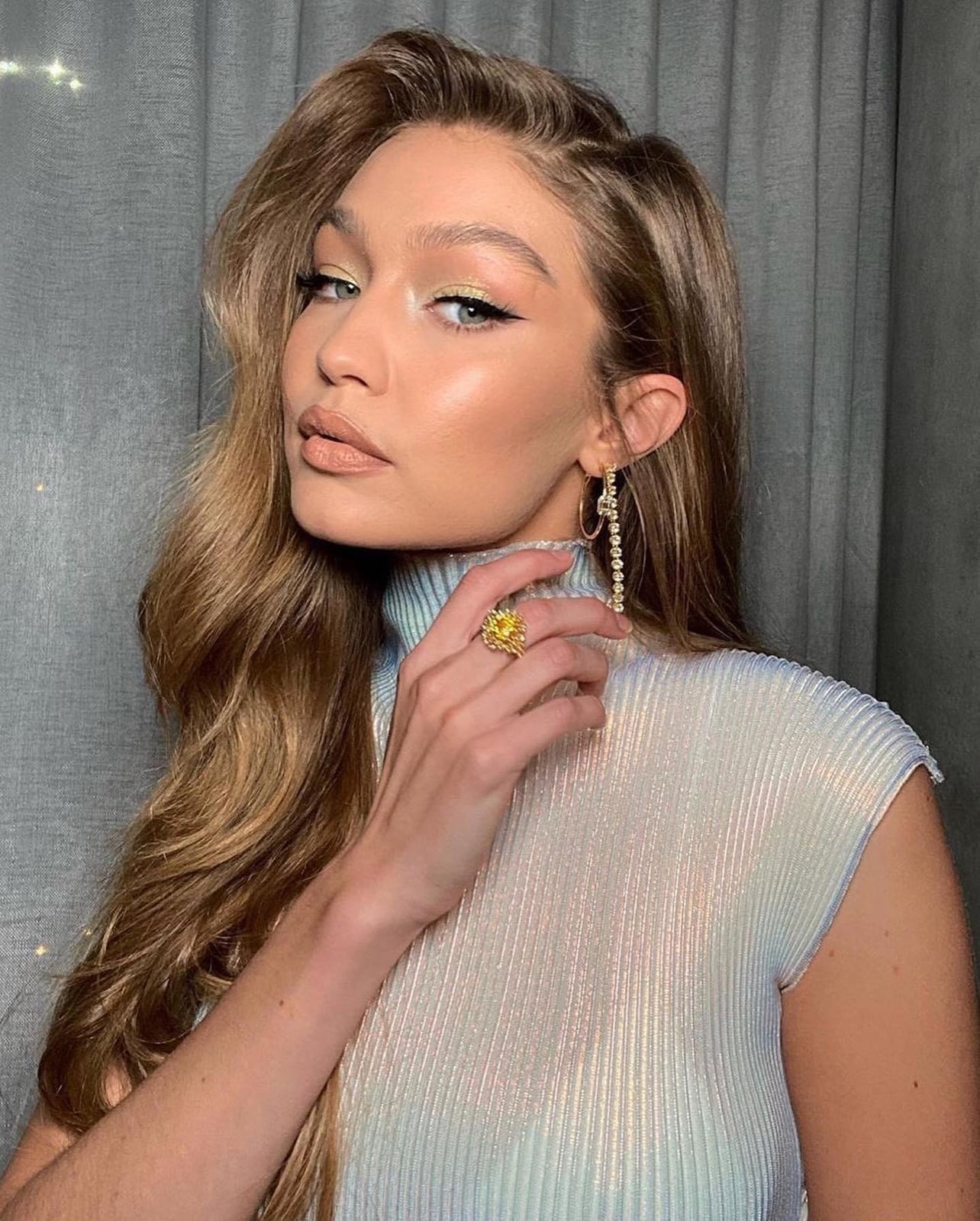
Babylights are the quiet cousin of highlights, and on dark blonde hair they create dimension without announcing themselves. The technique uses very fine sections of blonde, painted close to the root, which mimics the natural lightening that happens around the face.
Ask your colorist for: mid-back dark blonde with babylights, polished waves. On thick hair, these fine streaks prevent the color from looking flat while keeping the base dark blonde intact. A glossy blowout lets the babylights peek through the waves, which makes the whole style look sun-kissed, not striped.
Mid-Back Dark Blonde With Lighter Balayage and Natural Finish
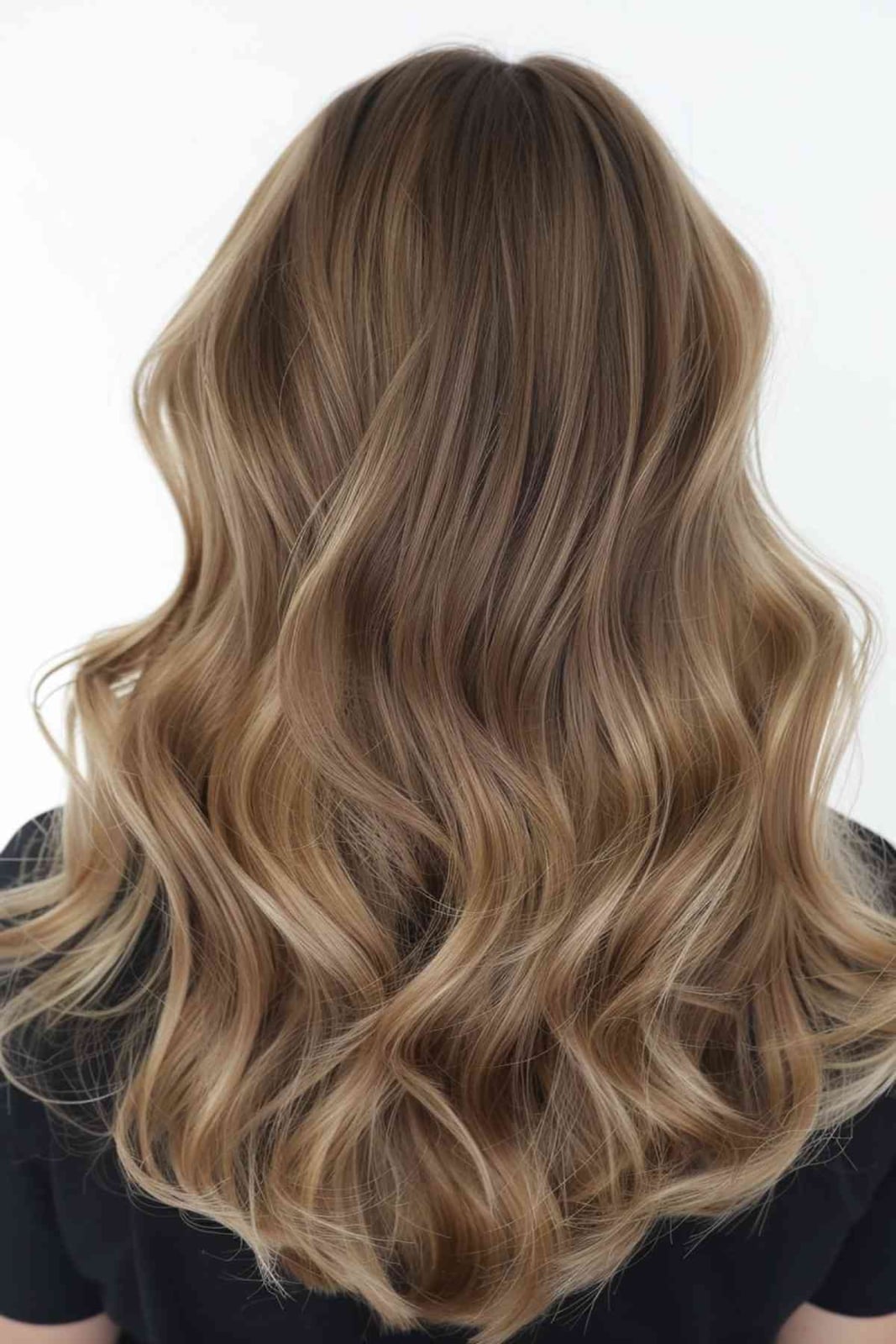
The beauty of a lighter blonde balayage on a dark blonde base is that grow-out is a non-event. Because the color is painted freehand and heavier toward the ends, the line where new growth meets color is soft, not stark. On mid-back length hair, that means you can stretch the time between salon visits.
Ask your colorist for: mid-back dark blonde with balayage, loose waves. To keep the natural finish, skip heavy styling products and let the thick, wavy texture dry with some movement. A texturizing spray helps the waves separate and show the lighter ends. Plan for a touch-up every 10 to 12 weeks, which is longer than traditional highlights because the root line stays blurred.
Mid-Back Dark Blonde With Full Bangs
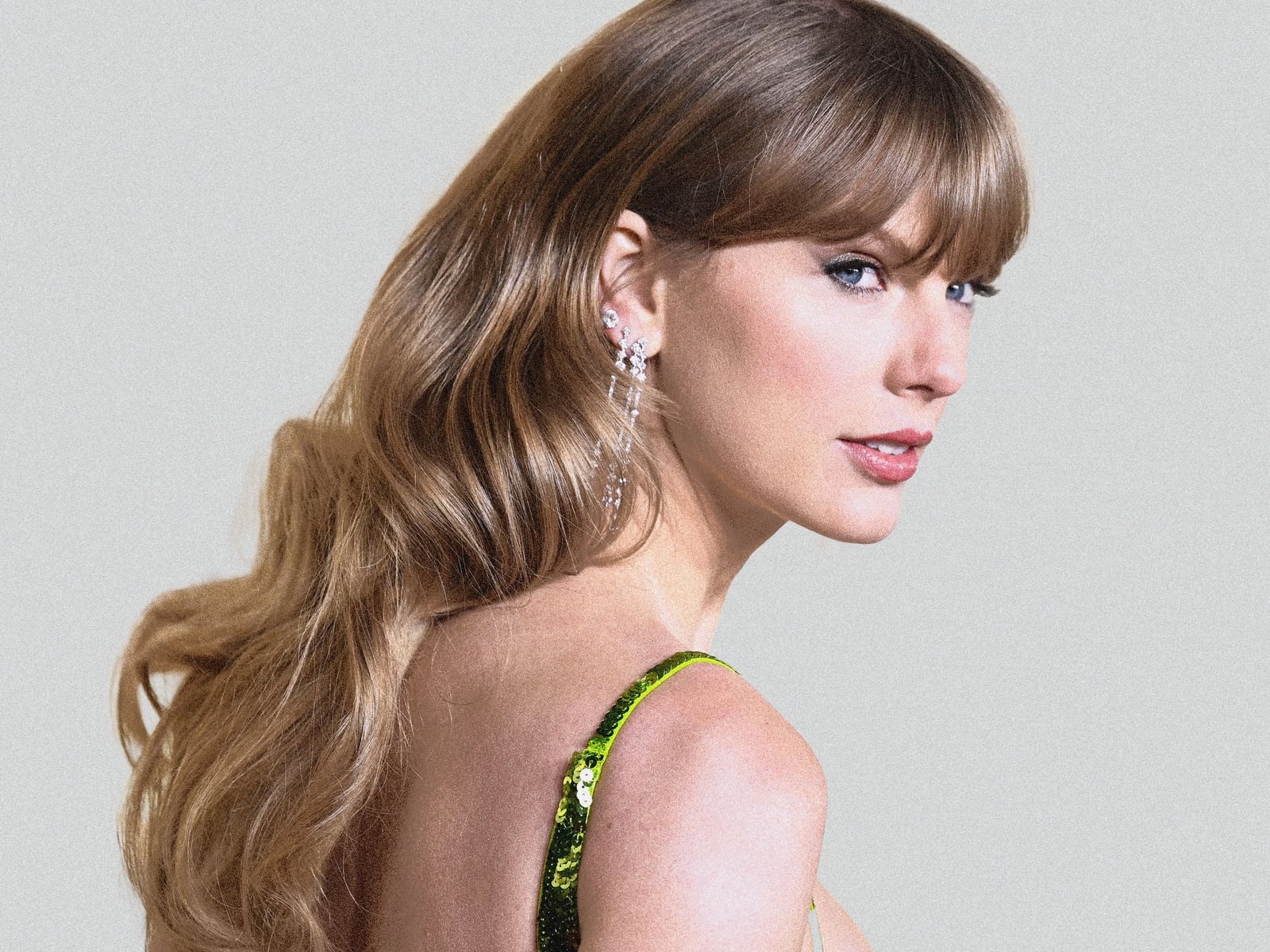
Can you get full bangs without losing the easy feel of long dark blonde hair? Yes, if the bangs are cut to sit with the side part and the rest of the hair keeps its soft layers. The full bangs add structure up top, while the mid-back length and wavy texture keep the overall style from feeling heavy. Ask your stylist for: mid-back dark blonde with subtle highlights and full bangs. The subtle lighter blonde highlights keep the dark base from reading as flat, and the glossy blowout ties the bangs to the length. This is a salon finish, not a kitchen-scissors project, since the bangs need a precise cut to blend with the side part.
Mid-Back Dark Blonde With Curtain Bangs And Root Shadow
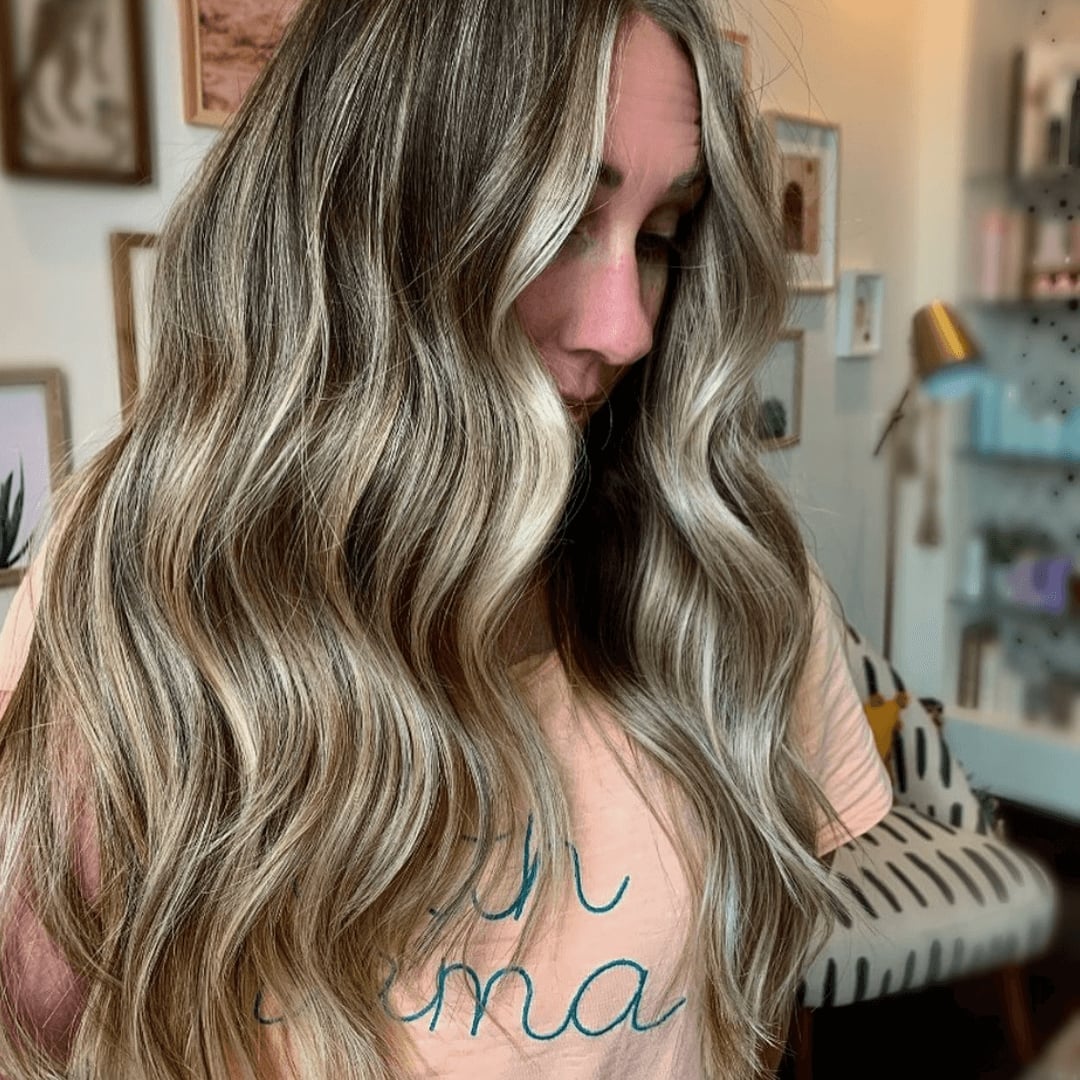
The root shadow here does the heavy lifting, letting the blonde highlights start a few inches down so the grow-out stays soft for weeks. Curtain bangs and face-framing layers break up the width of thick, wavy hair, and the middle parting works well on round or square faces by elongating the center. If your hair is fine, the root shadow adds the illusion of density at the crown, which is a nice trick.
Ask your colorist for: mid-back dark blonde with root shadow, curtain bangs. A root shadow means you can stretch between appointments, but the bangs still need a trim every six to eight weeks to keep their shape. Blow-dry them with a round brush, directing each side away from the face.
Collarbone Dark Blonde With Balayage And Curtain Bangs, Wavy
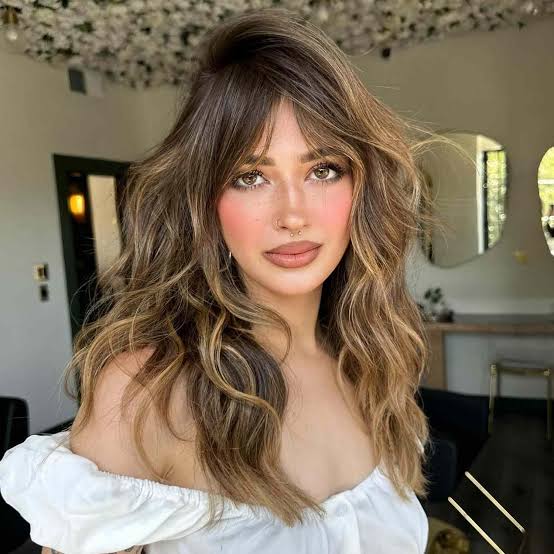
The balayage here is painted freehand, so the lighter blonde tones land heavier at the ends and feather out near the roots, which keeps the collarbone length from feeling flat. On thick, wavy hair, the side part adds volume on top while the curtain bangs soften a strong jawline. Ask your colorist for: collarbone dark blonde with balayage, curtain bangs, side part. A texturizing spray on the waves gives a natural finish, and the bangs need trimming every four to six weeks. The color itself fades slower than foils, but plan for a gloss around eight weeks out if you want the tone to stay true.
Shoulder Length Dark Blonde With Highlights And Lowlights
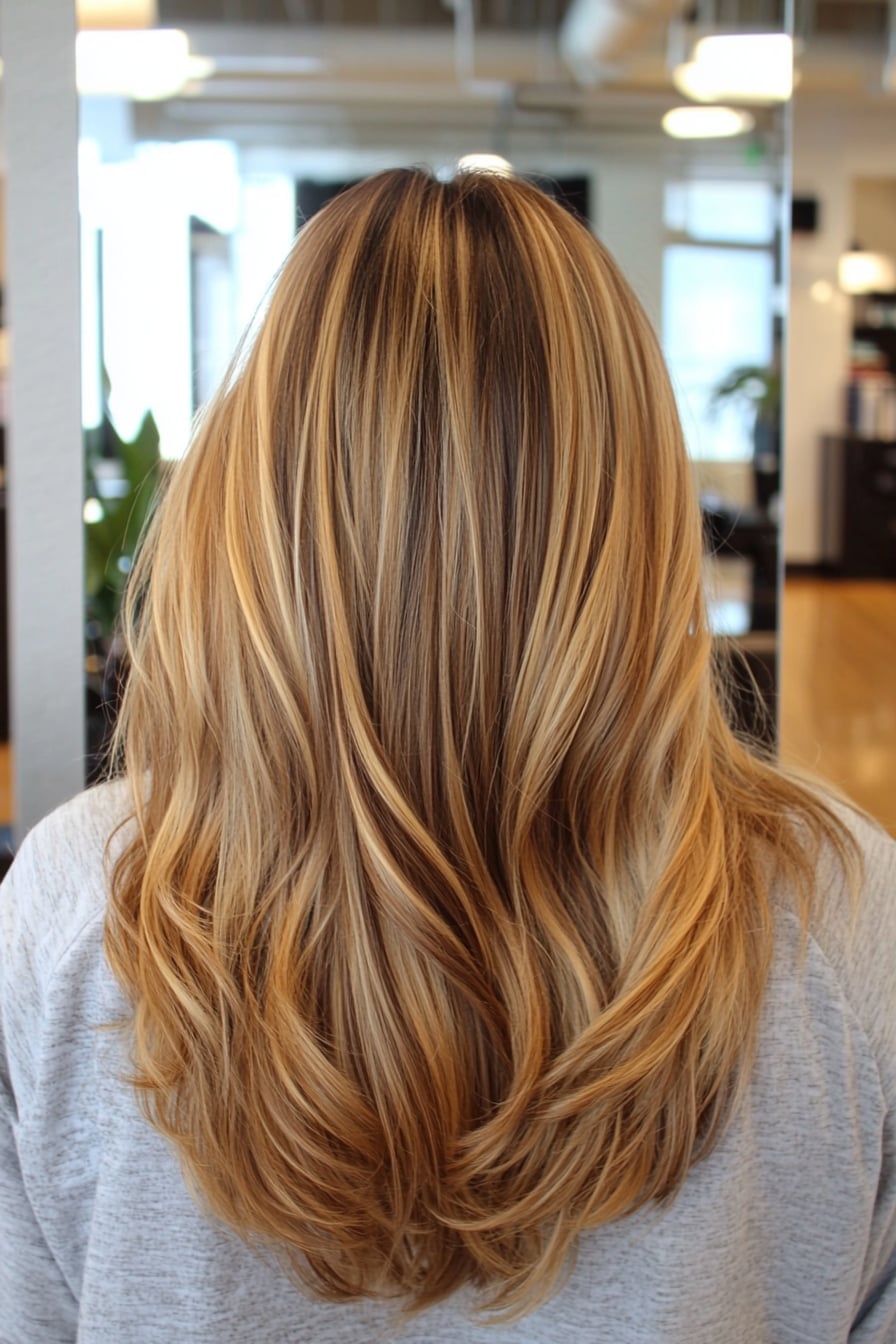
Highlights alone can wash out a dark blonde base, but adding lowlights gives the color depth, so the waves look dimensional. This shade works on medium density hair at shoulder length, where the layers have enough movement to show off the mix. Ask your colorist for: shoulder length dark blonde with highlights and lowlights, loose waves. If you skip the lowlights, the blonde lifts brighter and needs toning more often; with them, the grow-out is more forgiving. Use a texturizing spray on the waves for definition, and a trim every six to eight weeks keeps the ends from looking stringy.
Chin Length Dark Blonde Bob With Balayage, Wavy
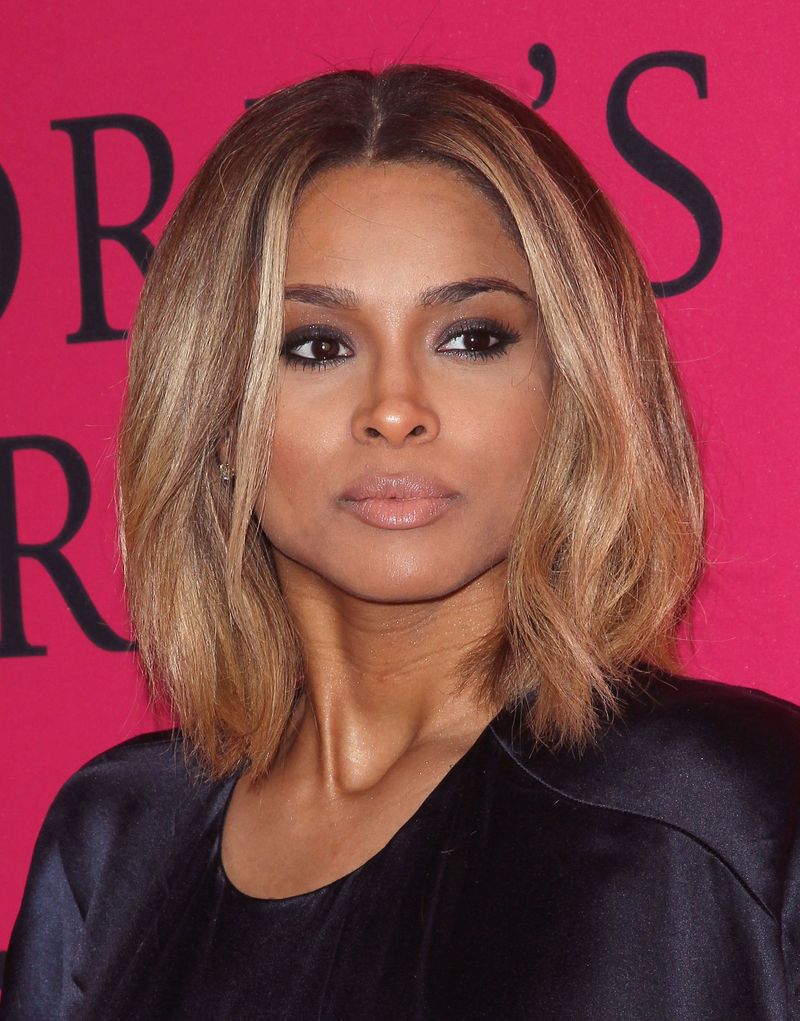
A bob this short shows every color decision, so balayage is a smart pick because it places the lighter blonde tones where they catch the most light, around the face and ends. The middle part elongates a round face, though a square jaw might prefer a deep side part. Ask your colorist for: chin length dark blonde bob with balayage. The trade-off is upkeep: balayage on a bob needs a refresh every ten to twelve weeks, and the blonde can turn brassy faster on shorter hair, so a purple shampoo once a week is non-negotiable. You can style the waves at home with a texture spray, but the cut itself needs a salon trim every six to eight weeks.
Collarbone Ash Blonde With Face-Framing Bangs
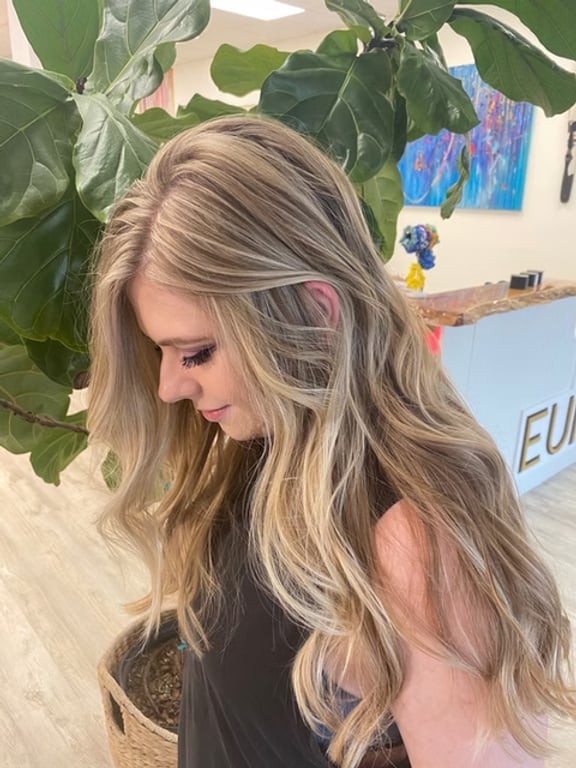
An ash tone cancels out the yellow that dark blonde can pick up, so the color stays cool and muted rather than going golden. The face-framing bangs on this collarbone length are cut to blend into the layers, which softens an angular jawline on thick, wavy hair. Ask your colorist for: collarbone dark ash blonde with face-framing bangs. The ash tone needs a toning appointment every six to eight weeks to hold its cool edge, and the bangs should be trimmed on the same schedule. Blow-dry them with a round brush, directing them away from the face, and the style holds its shape through the day.
Mid-Back Dark Blonde With Dimensional Highlights, Layers
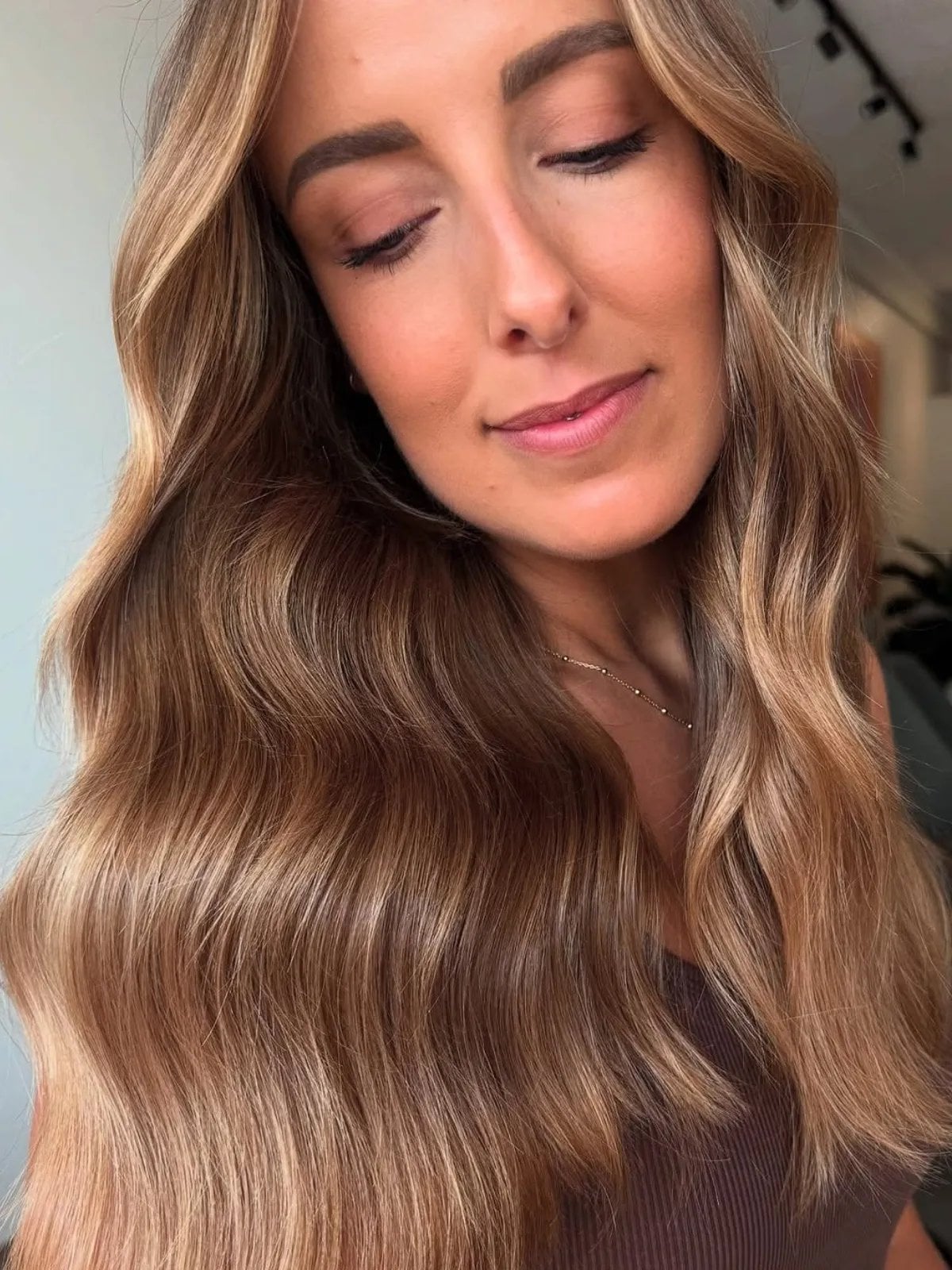
The trick to dimensional color on mid-back length hair is that it never lands evenly. Blonde highlights are painted sparingly through the ends, keeping the dark blonde base visible at the roots so the whole thing shows depth instead of stripes. Thick, wavy hair with a middle parting shows off that variation best, and the soft layers prevent the weight from pulling the wave out. Ask your colorist for: mid-back dark blonde with dimensional highlights, loose waves. Dry waves get a lived-in texture that makes the color look like it grew in naturally, not fresh from the bowl.
Shoulder Length Dark Blonde With Balayage
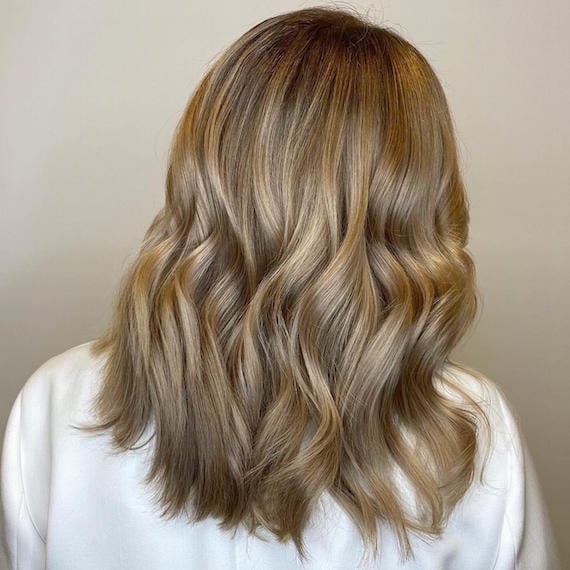
Balayage on shoulder-length hair skips the foil dependence of full highlights and lets the lighter blonde tones melt into the dark blonde base. The back view here shows exactly how that works: the balayage is densest at the ends and feather-light at the roots, so the grow-out never screams for a fix. Medium density hair holds the soft wave without going flat, and the shoulder length keeps the color from getting lost in too much length. Ask your colorist for: shoulder length dark blonde with balayage, loose waves. A texturizing spray on the waves adds definition, and the balayage needs a touch-up every 10 to 12 weeks.
Shoulder Length Dark Blonde With Curtain Bangs
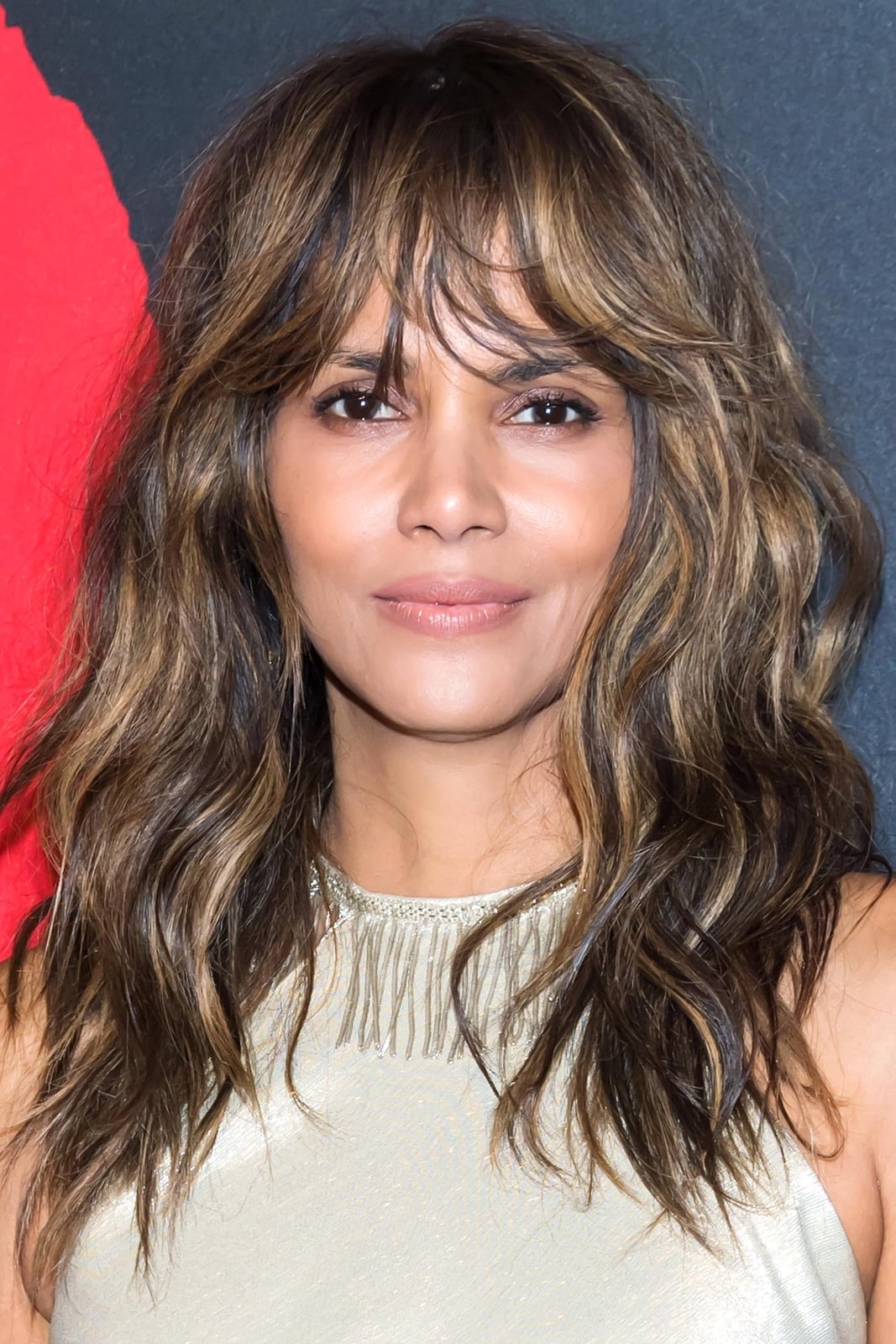
How do you get curtain bangs that actually sweep where you want them on shoulder-length hair? Ask for them to be cut with the shortest point hitting just below the cheekbone, so they blend into the layers rather than sitting as a separate fringe. The dark blonde base with lighter blonde highlights keeps the bangs from looking flat, and the middle parting lets both sides fall evenly. Thick, wavy hair holds the shape without constant re-styling. Ask your stylist for: shoulder length dark blonde with curtain bangs. A round brush directing each side away from the face is all they need to settle in.
Collarbone Dark Blonde With Dimensional Highlights
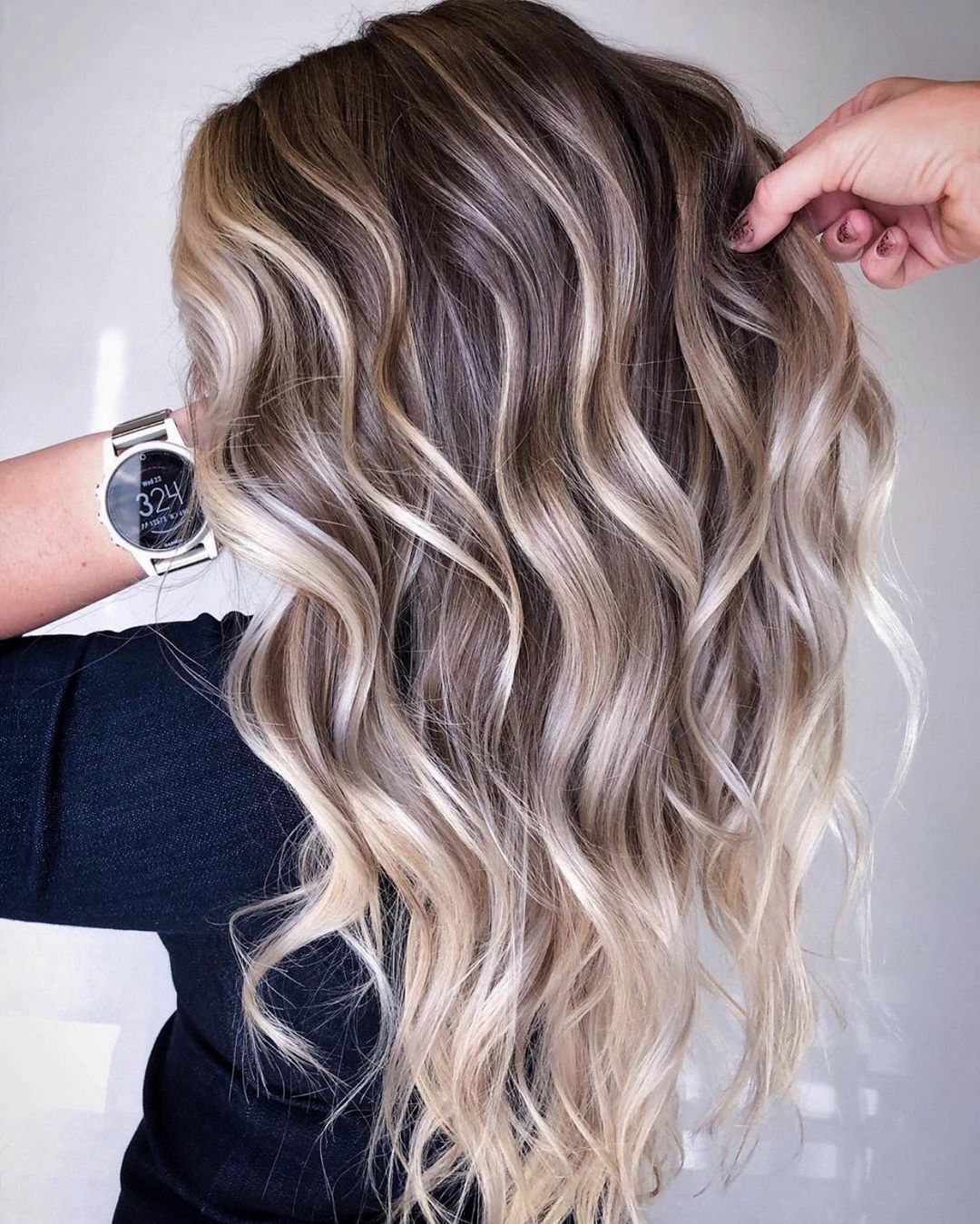
The collarbone cut is a test of whether your highlights actually do something, because there is less canvas to work with. Here the blonde highlights are concentrated around the face and through the ends, so the dark blonde base keeps the roots grounded while the lighter pieces add depth. Thick, wavy hair with a smooth blowout gives the color a polished finish that still has movement. Ask your colorist for: collarbone dark blonde with dimensional highlights, smooth blowout. A smoothing serum seals the cuticle for shine, and a trim every six to eight weeks keeps the collarbone line sharp.
Final Thoughts
For a low-maintenance dark blonde, ask for balayage or babylights instead of heavy all-over color, and let the base stay a few shades deeper than the lightest pieces. That keeps grow-out soft and the tone believable.
- Refresh balayage or highlights every 8-12 weeks.
- Use purple shampoo once every two weeks.
- Apply heat protectant before styling.
- Wash 2-3 times a week with color-safe shampoo.
- Trim ends every 6-10 weeks.
Dark blonde is the shade that does the work for you.