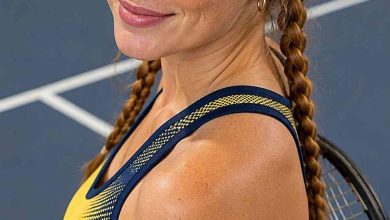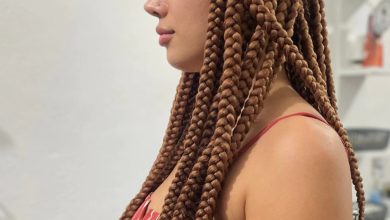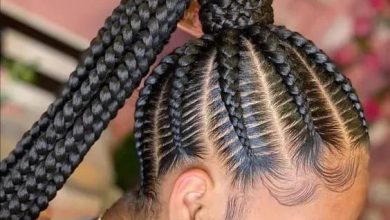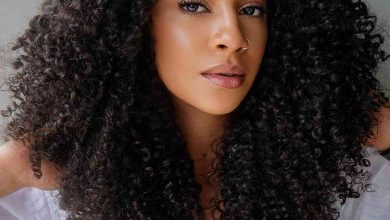
Curtain bangs and lived-in color are quietly replacing the blunt, one-length cuts that dominated last season. Soft face-framing layers let your natural texture do the work, which means less time with a round brush and more time actually leaving the house.
This collection of 30 Everyday Hairstyles spans air-dried curls to polished blowouts, so there is something for fine hair that falls flat, a bob that needs a refresh, or a fringe that will not sit still. Whether your texture is straight or coily and your schedule runs low upkeep or high polish, each look is built to hold up past lunch.
Naturally Curly Shoulder Length Cut
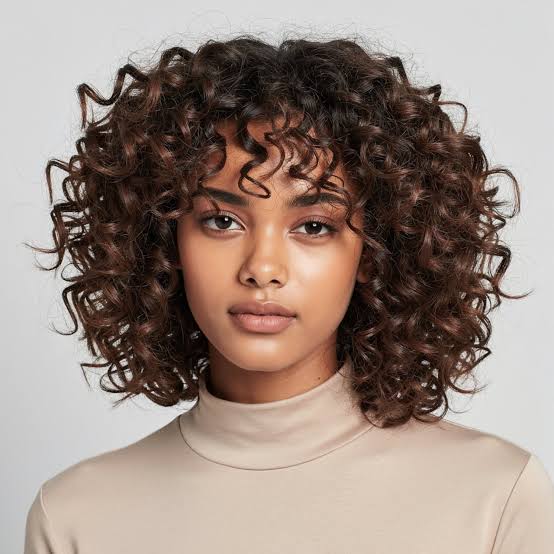
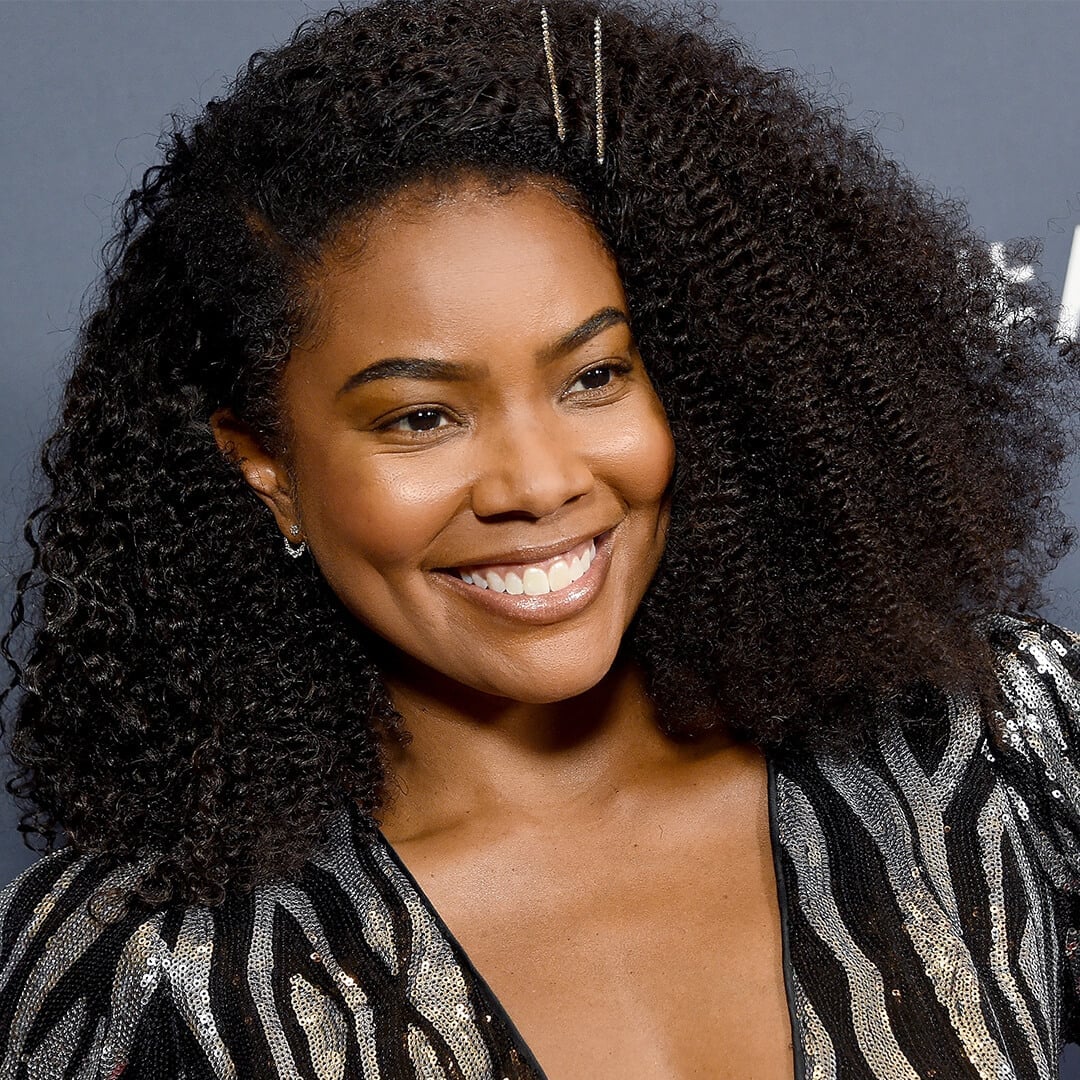
This cut respects the curl pattern instead of fighting it, with layers that let each spiral land where it wants while the shoulder length keeps the weight from pulling them straight. Thick, curly hair is the obvious candidate here. Ask your stylist for: shoulder length cut, natural curl definition, middle part. Work a curl cream through damp hair and let it air dry to get those defined spirals, then plan on a trim every ten to twelve weeks to keep the shape from growing out into a triangle.
Messy Waves Bob With Subtle Balayage
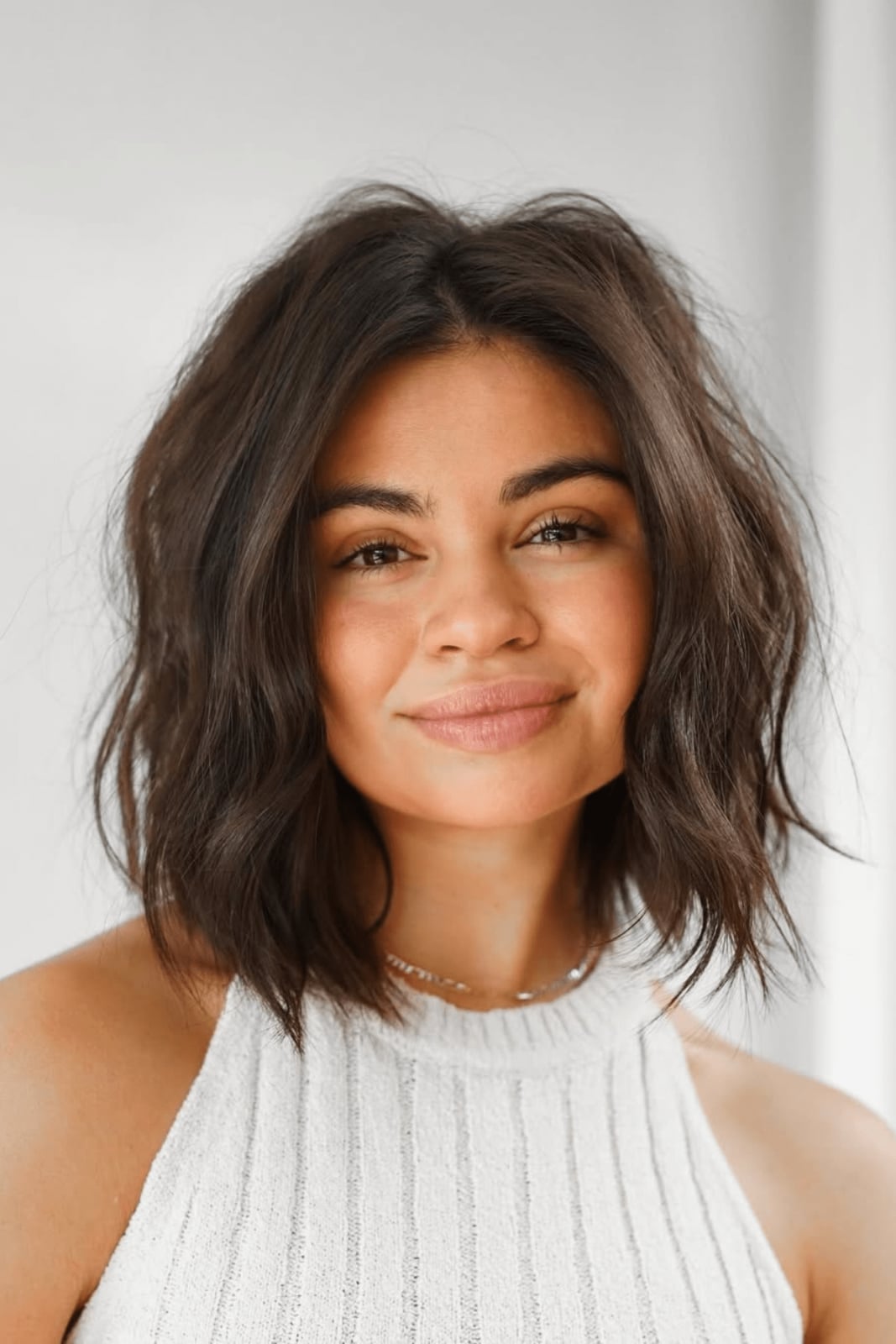
What if the bob you want already looks like you rolled out of bed and it went right? This one does, thanks to a chin length cut on thick, wavy hair with a subtle balayage that adds depth without demanding a high-maintenance root touch-up. The middle part and lived-in texture make it a solid pick for round or square faces. Ask your stylist for: chin length bob, lived-in waves, subtle balayage. The messy wave bob holds its shape through a workday, and a texturizing spray on dry hair keeps the bend from falling flat.
Sharp Blunt Black Bob
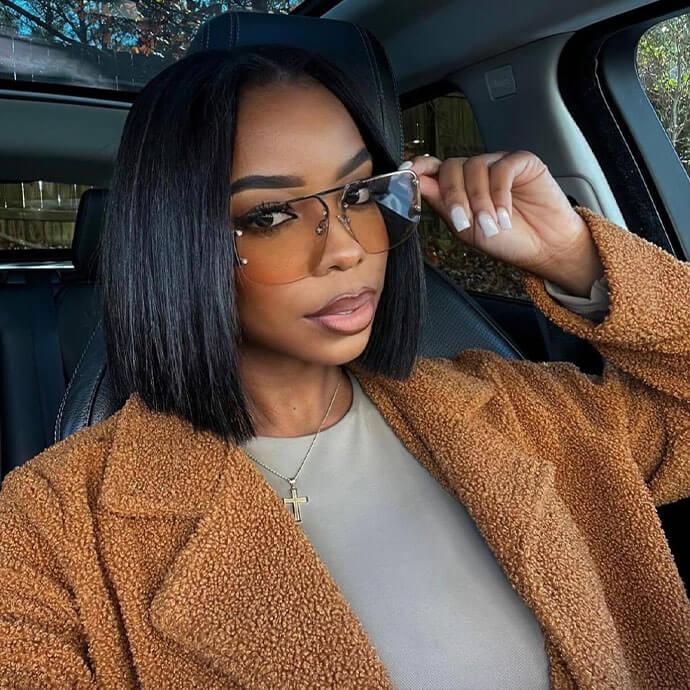
That precision is why this is a salon job rather than a DIY trim. The black color and smooth blowout give it a polished finish that holds its shape all day, especially on thick, straight hair that can support the weight of the cut. Ask your stylist for: chin length blunt bob, smooth blowout, black color. You will be back every four to six weeks to keep that line sharp.
Curly Shoulder Length With Auburn Highlights
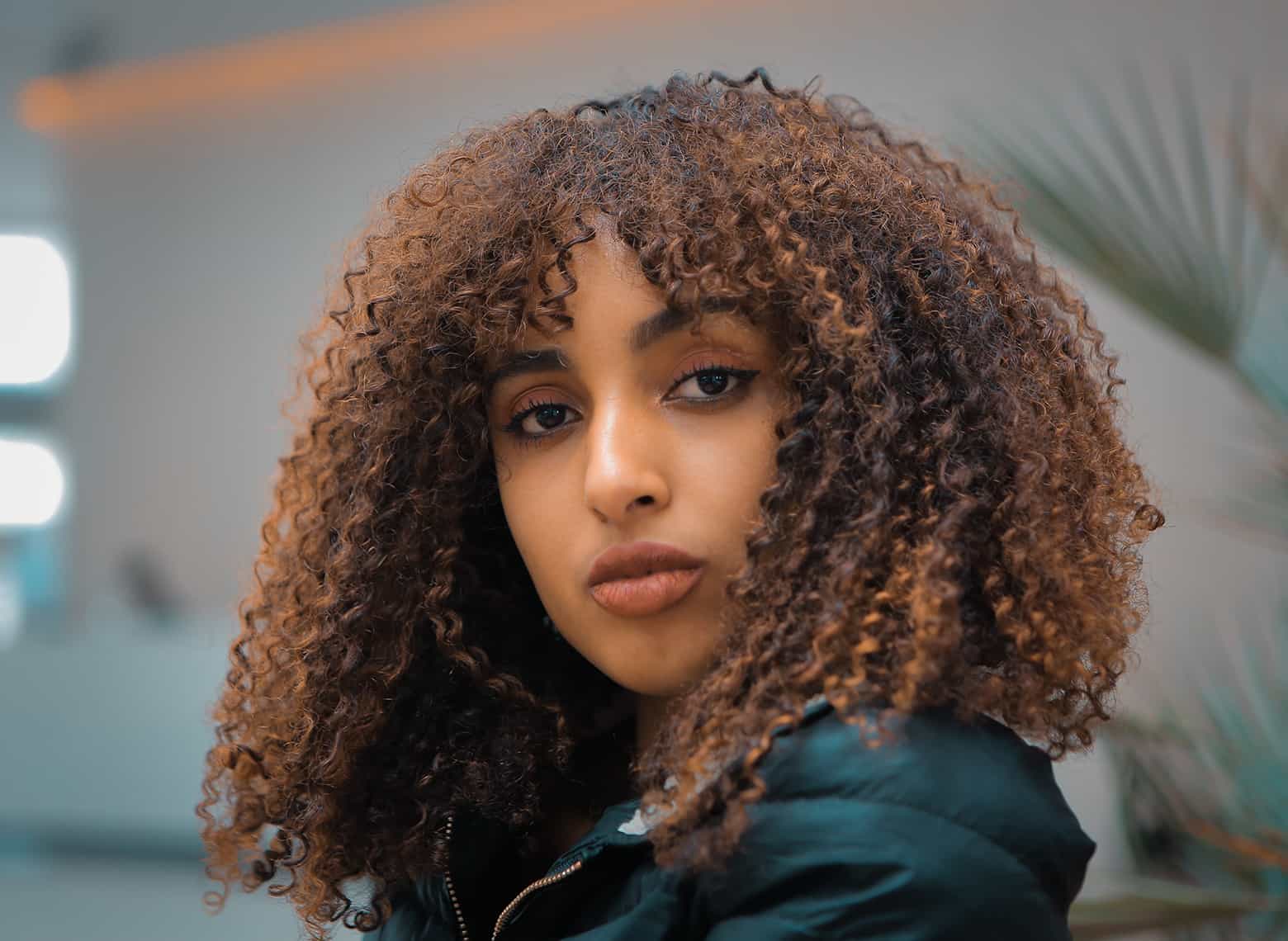
Dark brown alone can read a little flat on curly texture, but add auburn highlights and the spirals start to pick up warmth like they are catching low autumn sun. This shoulder length cut with curtain bangs keeps the curl pattern defined while the color adds dimension that moves with every bounce. It suits thick, curly hair, and the middle parting works on oval and long faces. Ask your colorist for: shoulder length cut, defined curls, auburn highlights, middle part. Air dry with a diffuser on low heat, and trim every ten to twelve weeks to keep the bangs from turning into an experiment.
Chin Length Bob Low Bun
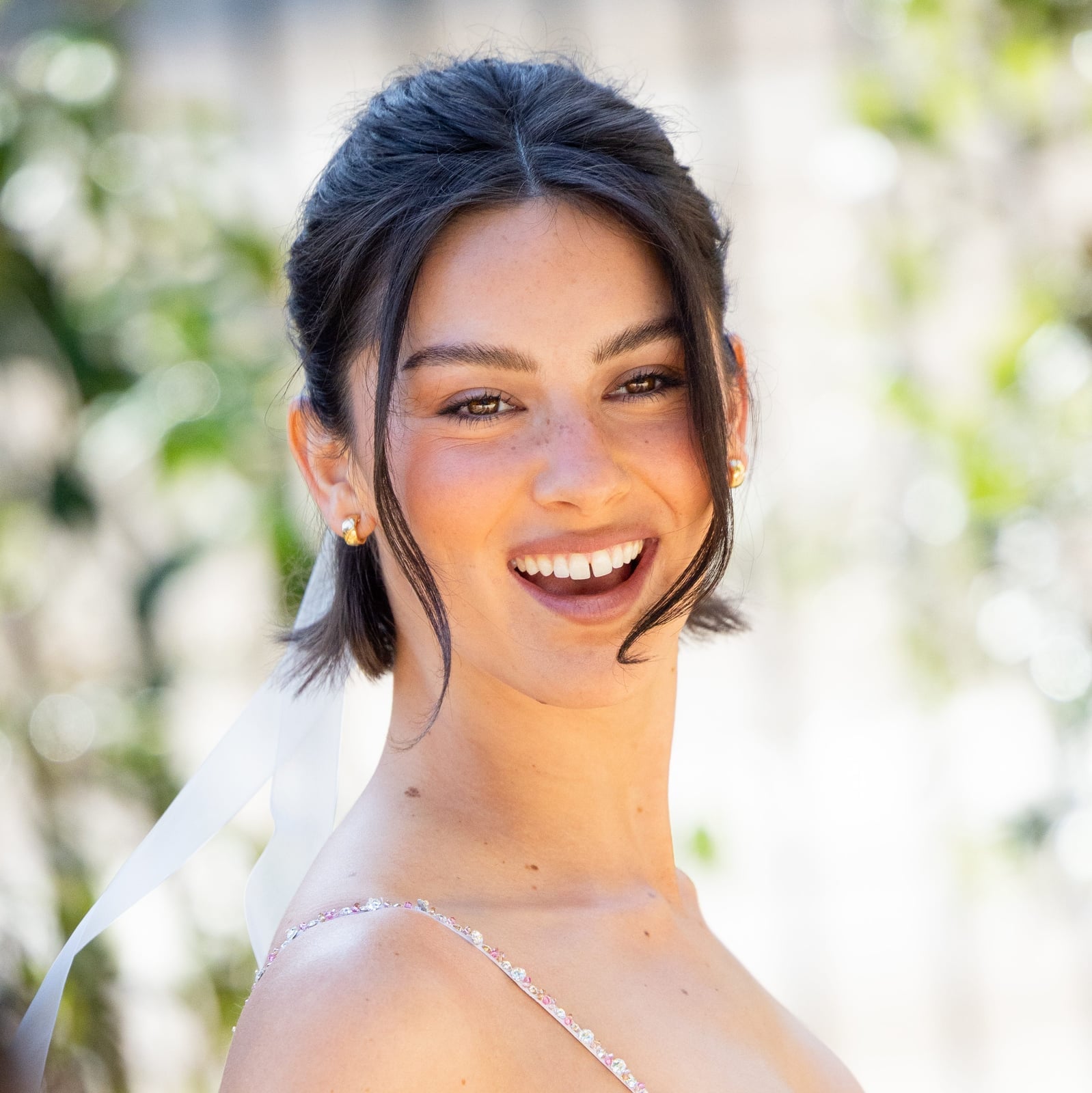
The fine, wavy texture here is short enough that the bun appears planned, not desperate, and the subtle lighter streaks keep the dark brown from looking heavy. Ask your stylist for: chin length bob, low textured bun. Gather the hair at the nape, twist, wrap, and pin; it takes about three minutes once you have done it a few times. The real drawback is that a bob this short leaves little to work with, so the bun will be compact and needs bobby pins that actually hold.
Ash Blonde Bob With Curtain Bangs
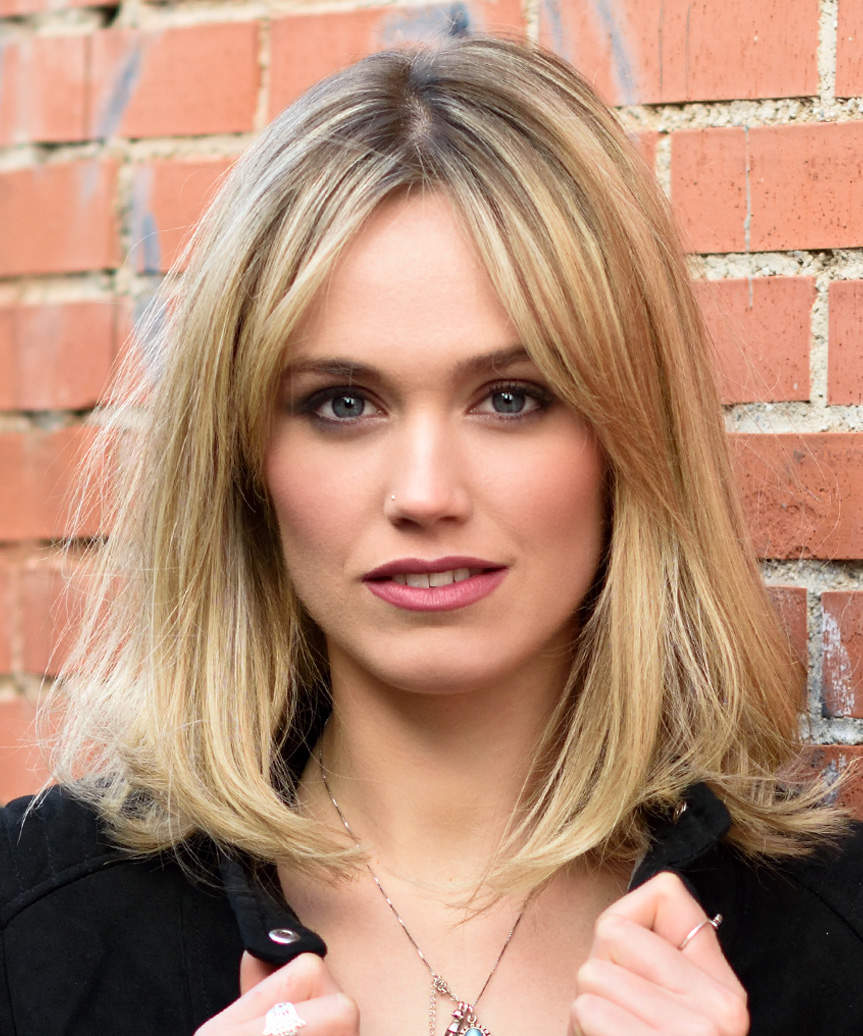
Ever wonder why that ash blonde bob with curtain bangs looks polished in the salon photo but falls flat at home? The mistake is going too ashy, which can pull gray, or cutting the bangs too short. Ask your stylist for: chin length bob, curtain bangs, ash blonde color. A round brush and a blow dryer aimed under the fringe are key for a smooth finish that actually holds. This is a salon cut and a salon color. Fine, straight hair holds the shape best, and a toning appointment every four to six weeks keeps the ash from turning brassy.
Shoulder Length Half Up With Braid
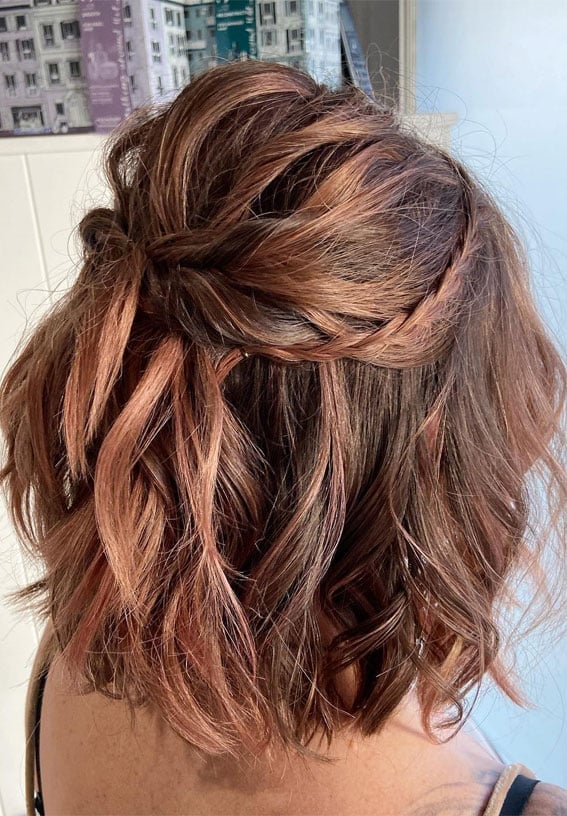
The steps are straightforward: section off the top third of your hair, braid it from the front hairline back, then secure the braid together with the rest of the top section at the crown. Medium-density wavy hair at shoulder length gives the braid enough weight to stay visible without looking bulky. The middle parting keeps the look balanced from every angle.
Collarbone Waves With Subtle Highlights
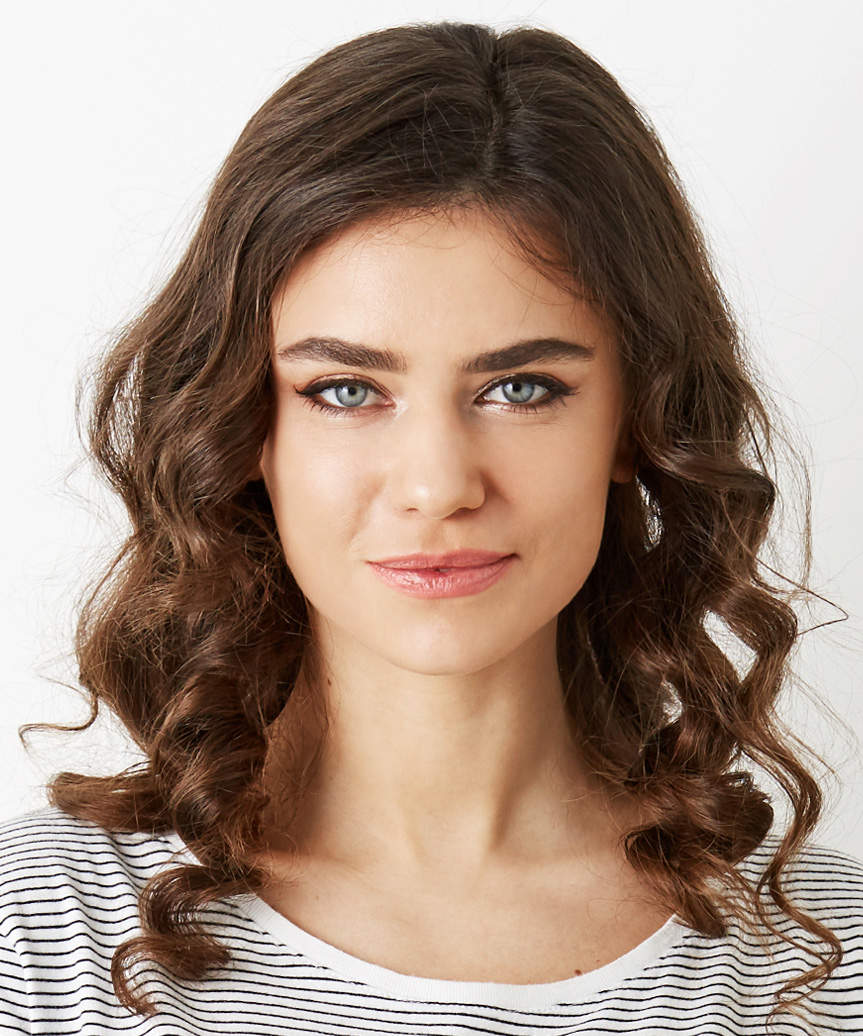
That placement elongates the face and keeps the shape from turning into a triangle. Dark brown hair with subtle lighter highlights adds depth without demanding a toning schedule. Ask your colorist for: collarbone length, loose natural waves, subtle highlights, middle part. Medium-density wavy hair holds a scrunched wave for most of the day with just a wave spray and a diffuser. A trim every eight to ten weeks prevents the layers from losing their shape.
Blonde Ponytail With Twisted Detail
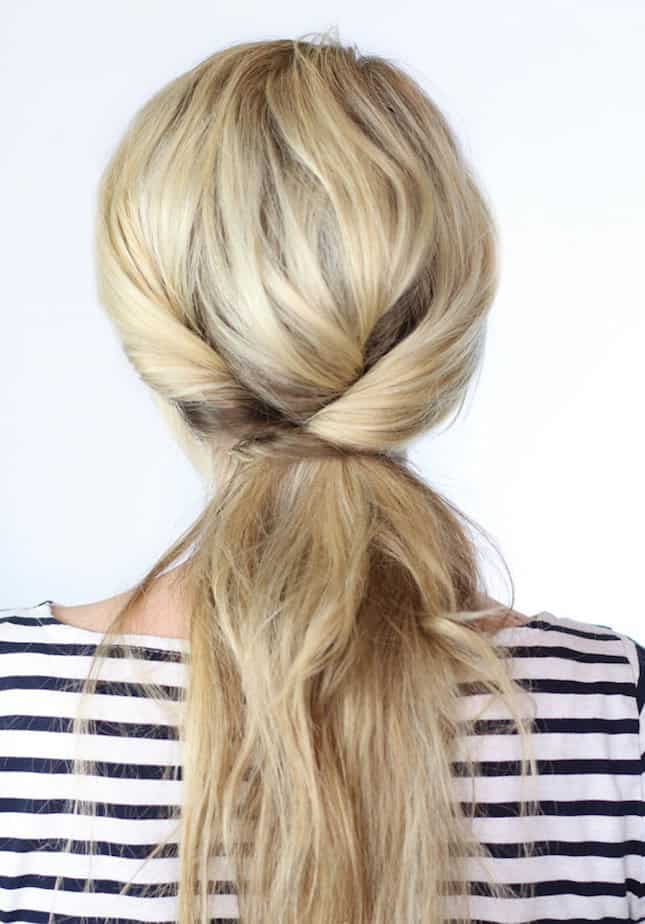
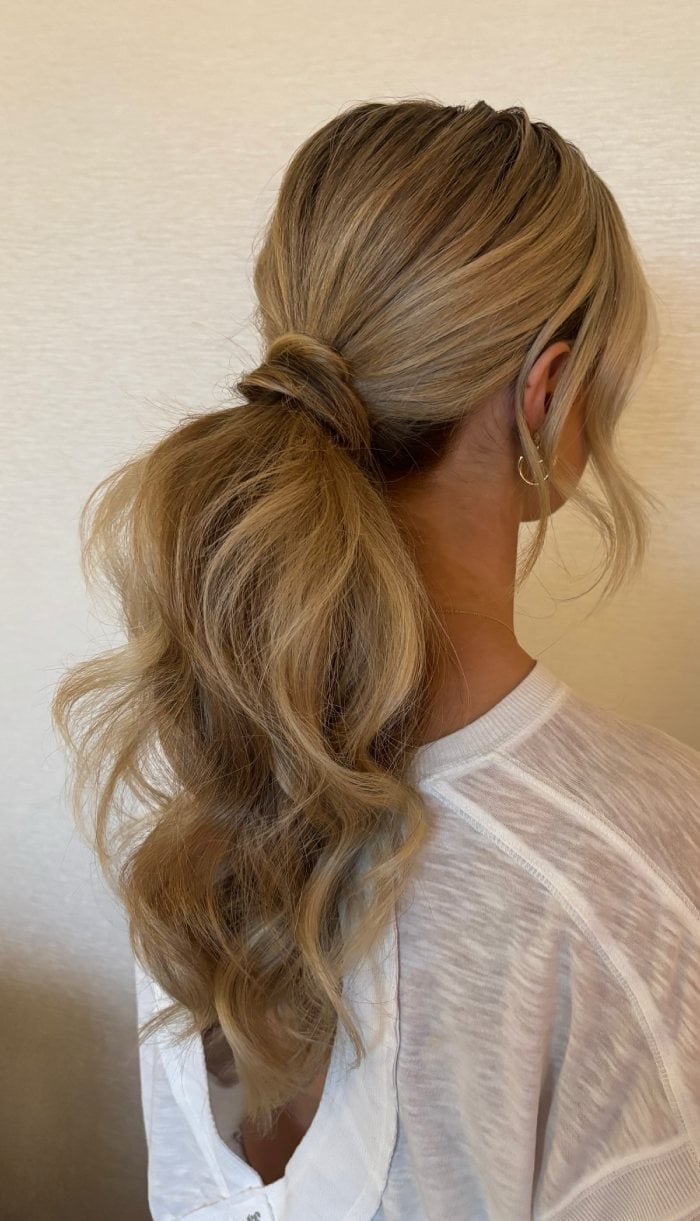
How do you get that twisted detail to stay put without a visible elastic? You cheat by using the hair itself. Gather your shoulder-length blonde hair into a low ponytail at the nape. Take a one-inch section from underneath the ponytail, twist it tightly, and wrap it around the base to hide the hair tie. Secure with a bobby pin. The side parting and a few loose strands around the face keep it from looking too severe. This is a five-minute DIY that works best on wavy, medium-thickness hair that has enough grip to hold the twist.
Long Dark Brown Messy Bun
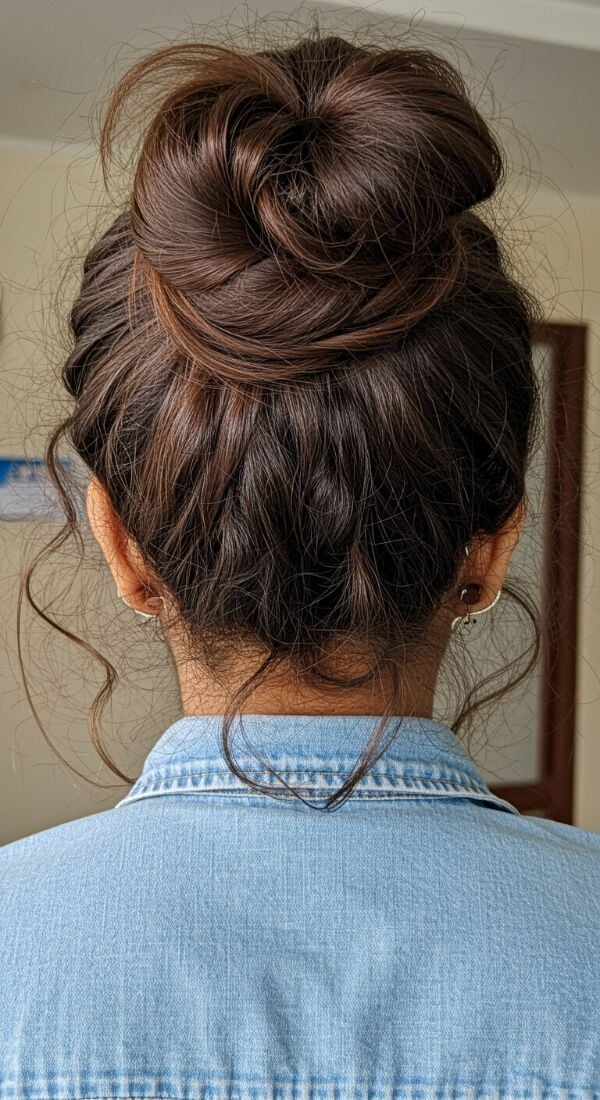
A high messy bun relies on tension at the crown and deliberate looseness everywhere else. Gather thick, wavy dark brown hair at the crown, twist it once, wrap it into a coil, and let the ends stick out. The loose tendrils around the nape and ears are the point, not an accident. They soften the silhouette and keep the bun from looking like a ballet preparation. One real drawback: those tendrils will escape their intended placement by midday unless you pin them individually. Thick hair holds the bun shape well, but the bun will sag if the hair is too long or too heavy.
Collarbone Layers With Caramel Highlights
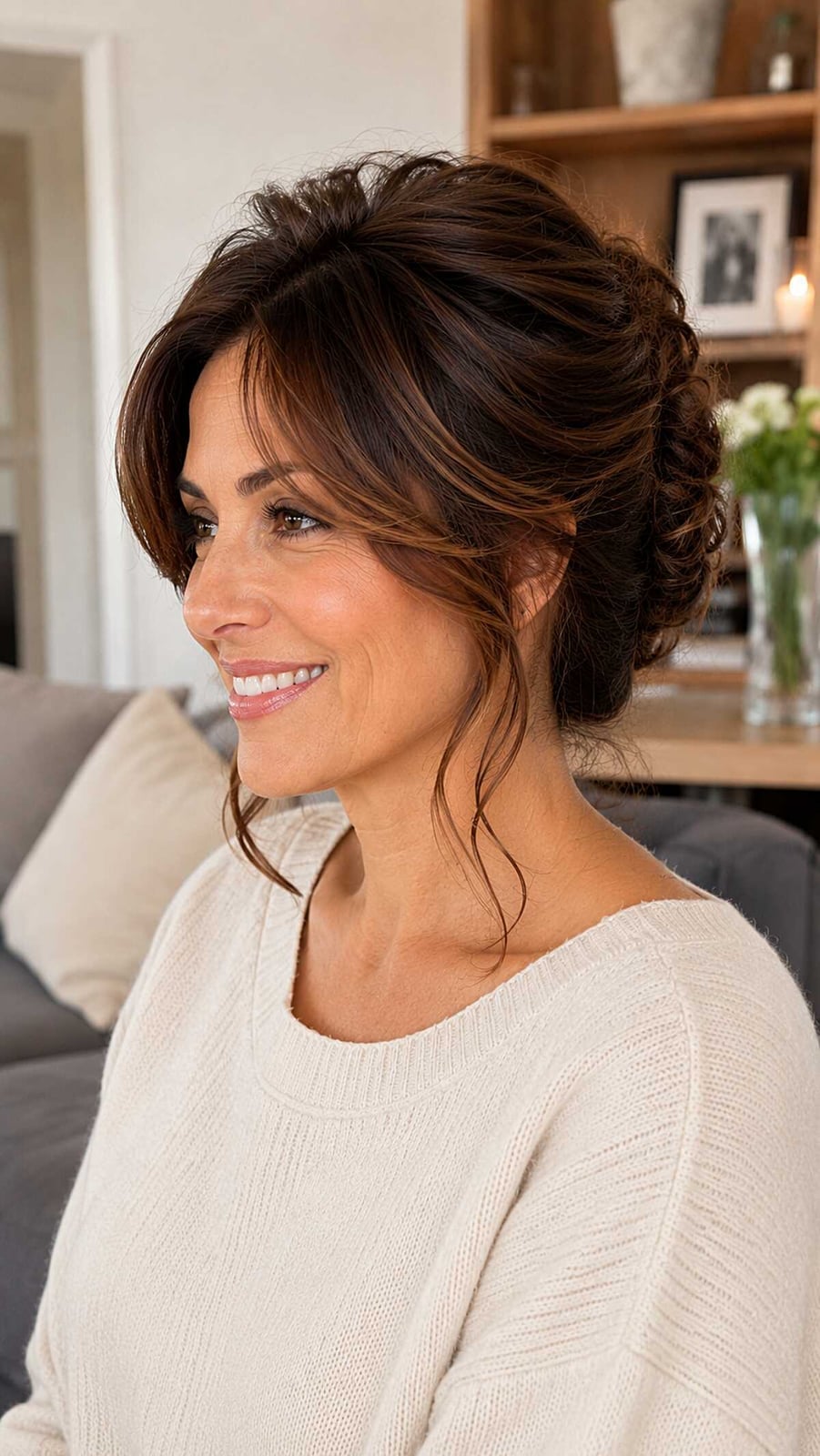
The loose updo is built to leave something behind. Face-framing tendrils are wrapped around a curling wand and released before they cool, so they fall in soft waves rather than tight spirals. That collarbone length gives the tendrils enough weight to drape, not bounce. Ask your stylist for: collarbone length layers with curtain bangs and caramel highlights. The middle part keeps the front pieces symmetrical, which suits oval and heart faces. Medium density wavy hair holds this shape best, since fine hair may let the tendrils straighten out by midday. A trim every eight to ten weeks keeps the layers from losing their bend.
Collarbone Blowout With Face-Framing Layers
A salon blowout on thick wavy hair gives face-framing layers a polished curtain effect that is hard to copy at home. The stylist works in sections, pulling each layer forward and over a large round brush to create that swoop around the jaw. At home, the same result takes a blow-dryer, a brush and a few extra minutes of patience, and it usually lasts a day rather than a week. Ask your stylist for: collarbone length with face-framing layers and subtle blonde highlights. This cut suits round and heart faces, as the middle part and length below the chin elongate. Trim every eight to ten weeks to keep the framing layers from landing at an awkward spot.
Collarbone Blowout With Strawberry Blonde
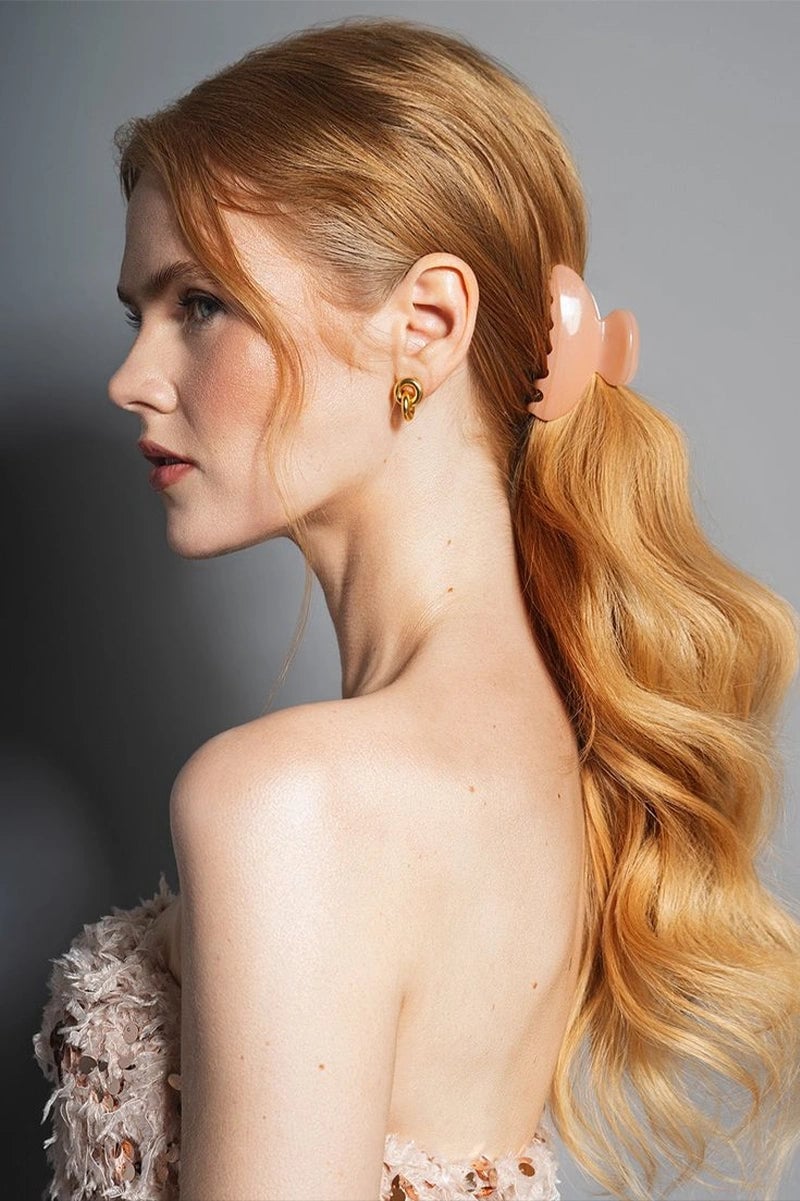
Strawberry blonde is a base that reads differently in every light, which is exactly why the subtle highlights matter here. They lift the wavy texture without turning it brassy, and the gentle blowout keeps the collarbone length glossy rather than frizzy. Ask your colorist for: strawberry blonde base with subtle highlights and curtain bangs. The middle part and face-framing layers suit oval and heart faces, letting the soft waves fall forward. Medium density hair carries this color well, as it holds the shine without looking flat. A smoothing serum and a round brush at home will mimic the salon finish, and a trim every eight to ten weeks keeps the ends healthy.
Collarbone Layers With Caramel Highlights and Curtain Bangs
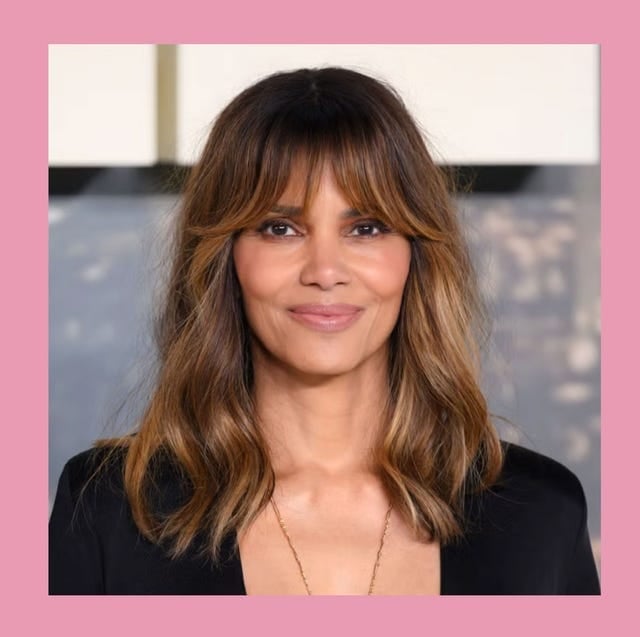
How much time does a collarbone blowout with curtain bangs actually take each morning? About fifteen minutes once you have the technique down. The gentle waves are set with a large barrel curling iron, then brushed out so they soften into a natural S-shape. The caramel highlights on a medium brown base add depth that makes the waves visible even when they fall straight. Ask your colorist for: collarbone layers with caramel highlights and curtain bangs. The middle part and soft face-framing layers suit oval and heart faces. The honest drawback is the upkeep: highlights need a toner every six to eight weeks and a trim every eight to ten, or the color goes brassy and the ends split.
Collarbone Bob With Caramel Highlights, Wavy
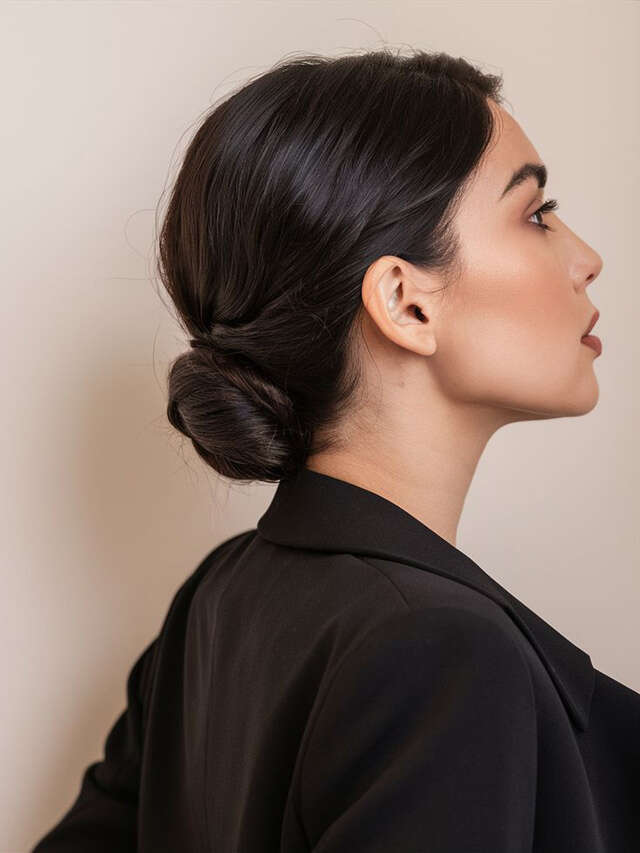
The collarbone bob with caramel highlights is a cut that announces itself before you say a word. Ask your stylist for: collarbone length bob with curtain bangs and caramel highlights, then specify that you want the face-framing layers to start at the cheekbone. This placement softens the jaw and keeps the waves from falling into a triangle shape. The middle part and smooth blowout give it that glossy finish, while the soft waves add movement without looking curled. It suits oval and heart faces best, with medium density wavy hair holding the shape. A round brush and a smoothing cream at home will reproduce the salon blowout, and a trim every eight to ten weeks keeps the bob from losing its line.
Collarbone Bob With Blonde Highlights
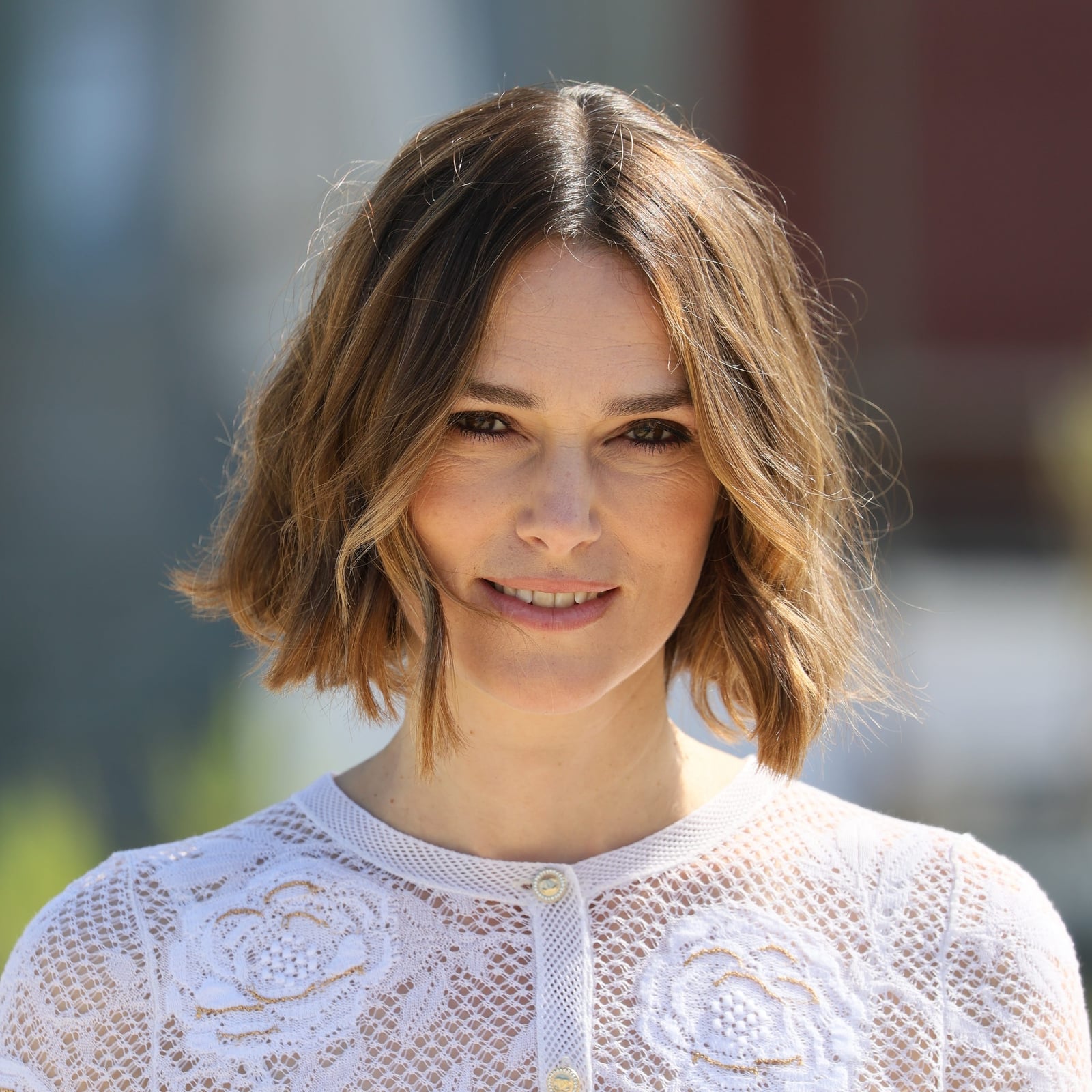
The trick to making blonde highlights look natural in a brown bob is keeping them fine and weaving them close to the base color. Ask your stylist for a collarbone length bob with curtain bangs and blonde highlights, then let the face-framing layers do the work. A middle parting and soft waves give it movement, so the color shifts as you turn your head instead of sitting in one flat stripe. This is a salon job, not a DIY, because the highlight placement needs a practiced eye. A texturizing spray adds definition to the waves, and a trim every eight to ten weeks keeps the bob from creeping past the collarbone.
Collarbone Lob With Face-Framing Layers, Dark Brown
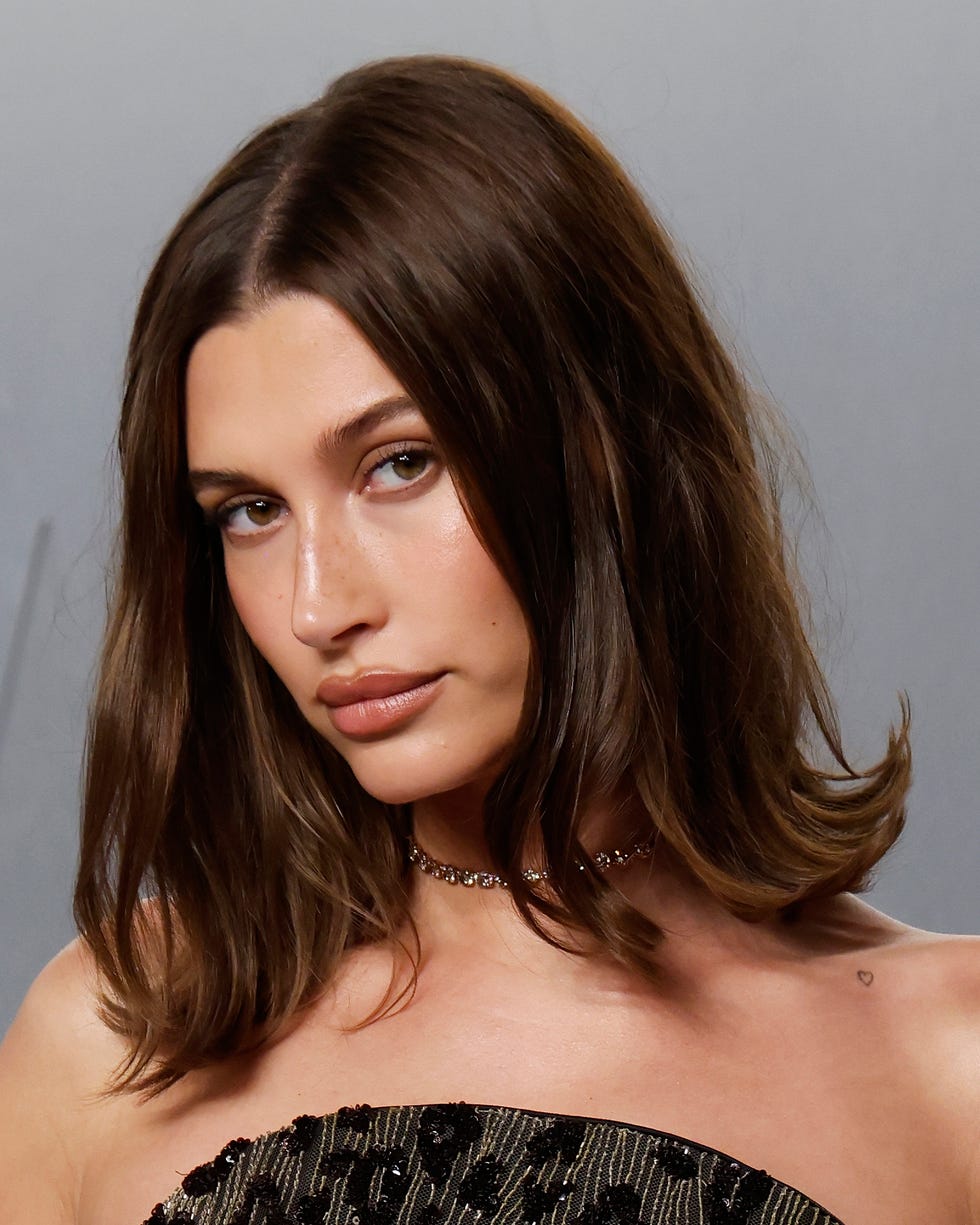
When the weather can’t decide between cold and cool, this lob lands somewhere useful. It’s not a heavy winter cut, but the dark brown base with subtle highlights keeps it from feeling like a summer washout. Ask your stylist for a collarbone length lob with face-framing layers and soft waves, and let the middle parting open up the face. The gentle blowout gives it a glossy finish that works for the office and carries into the weekend. A serum and a round brush keep the waves smooth, and a trim every eight to ten weeks maintains the shape.
It suits medium density, wavy hair best, especially on oval and heart faces. The layers soften the jaw without committing to a full fringe. The subtle highlights add depth so the dark brown doesn’t read as flat, and the collarbone length means it clears coat collars without a fight.
Collarbone Lob With Blonde Balayage
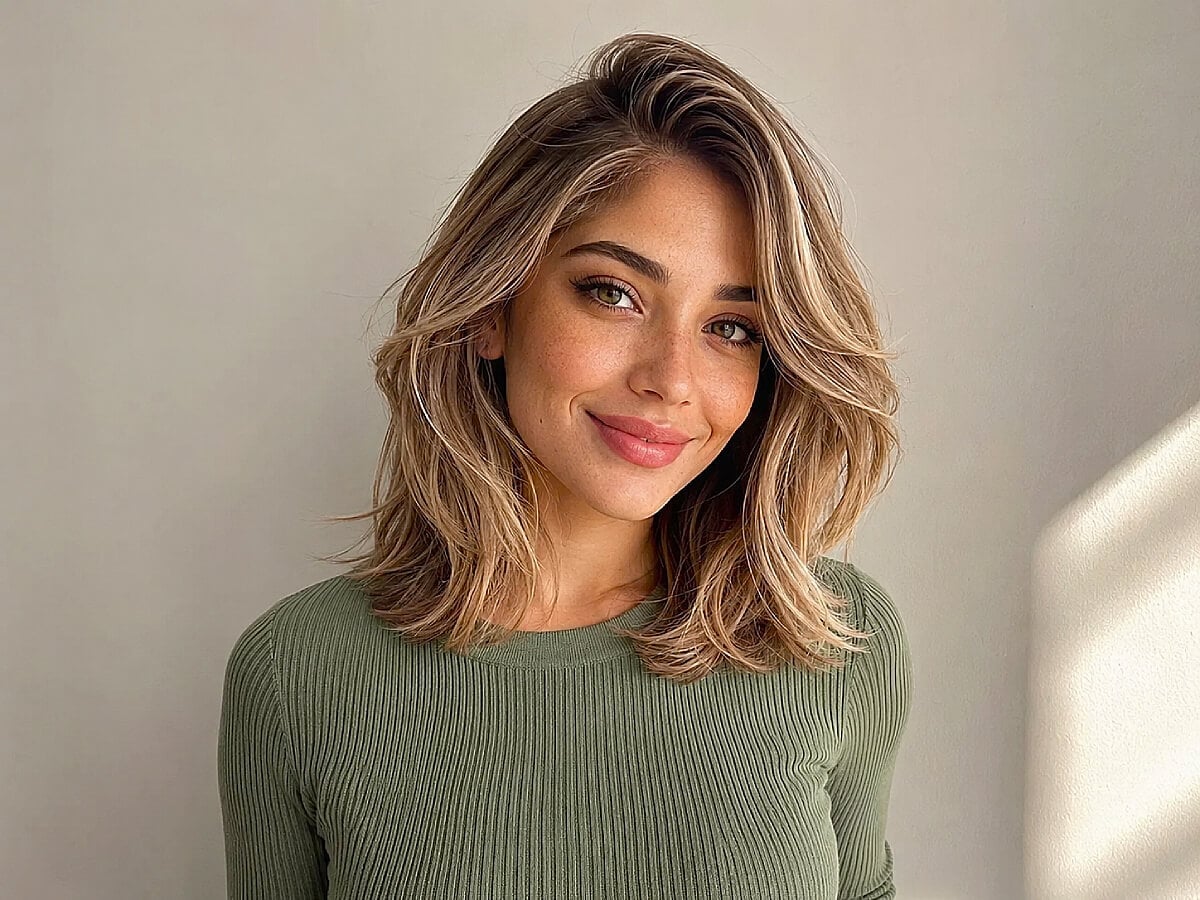
How long before the roots become a problem? With a lived-in balayage, the answer is longer than you think. Ask your colorist for a collarbone length lob with curtain bangs and lived-in blonde balayage, and the side part helps the color blend from the light brown base. The loose waves separate the balayage into pieces, so the grow-out looks natural rather than urgent. The real drawback is that the ends go lighter each time you tone, so you will need a trim every eight to ten weeks to keep the lob from looking stringy. A texturizing spray enhances the waves and keeps the balayage from settling into one flat block.
Collarbone Half Up With Face-Framing Pieces
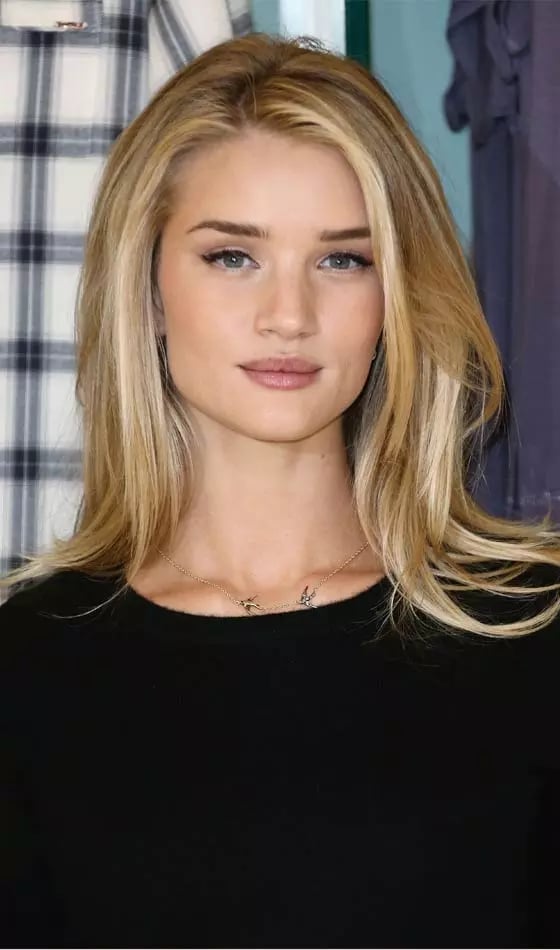
The half-up style pulls the hair off the face without losing the length. On collarbone length ash blonde with highlights, the loose waves give it body, and the face-framing pieces soften the side part. Ask your stylist for collarbone length layers with face-framing pieces and a half up half down finish, though this is one you can do at home. Curl the face-framing pieces, gather the top section, and secure it loosely so the waves fall naturally. The ash blonde with highlights adds dimension, so the style holds visual interest even when the waves start to relax. A trim every eight to ten weeks keeps the layers from losing their shape.
- Use a medium barrel iron for the face-framing pieces.
- Pin the top section loosely to keep the waves intact.
- Finish with a light hairspray for hold.
Mid-Back Ponytail With Loose Waves
A high ponytail only works if the hair can support it, and thick, wavy hair is the ideal candidate. The mid-back length gives the ponytail weight, while the platinum blonde with root shadow adds contrast so the whole thing does not wash out. Ask your stylist for mid-back length layers with a high ponytail and loose waves, leaving out face-framing pieces. The side part keeps the face soft, and the loose waves in the ponytail give it volume without looking stiff. Thick hair holds the height for hours, unlike fine hair, which tends to sag. This is a DIY style, so curl the ponytail and the face-framing pieces for extra body, and trim every twelve to fourteen weeks to keep the ends healthy.
It suits all face shapes, though the high placement can elongate a round face. The root shadow means you can skip the salon for a few extra weeks, since the grow-out looks deliberate. The platinum blonde needs a purple shampoo to keep the brassiness away, but the ponytail looks polished and put together.
Mid-Back Half Up Twisted Knot
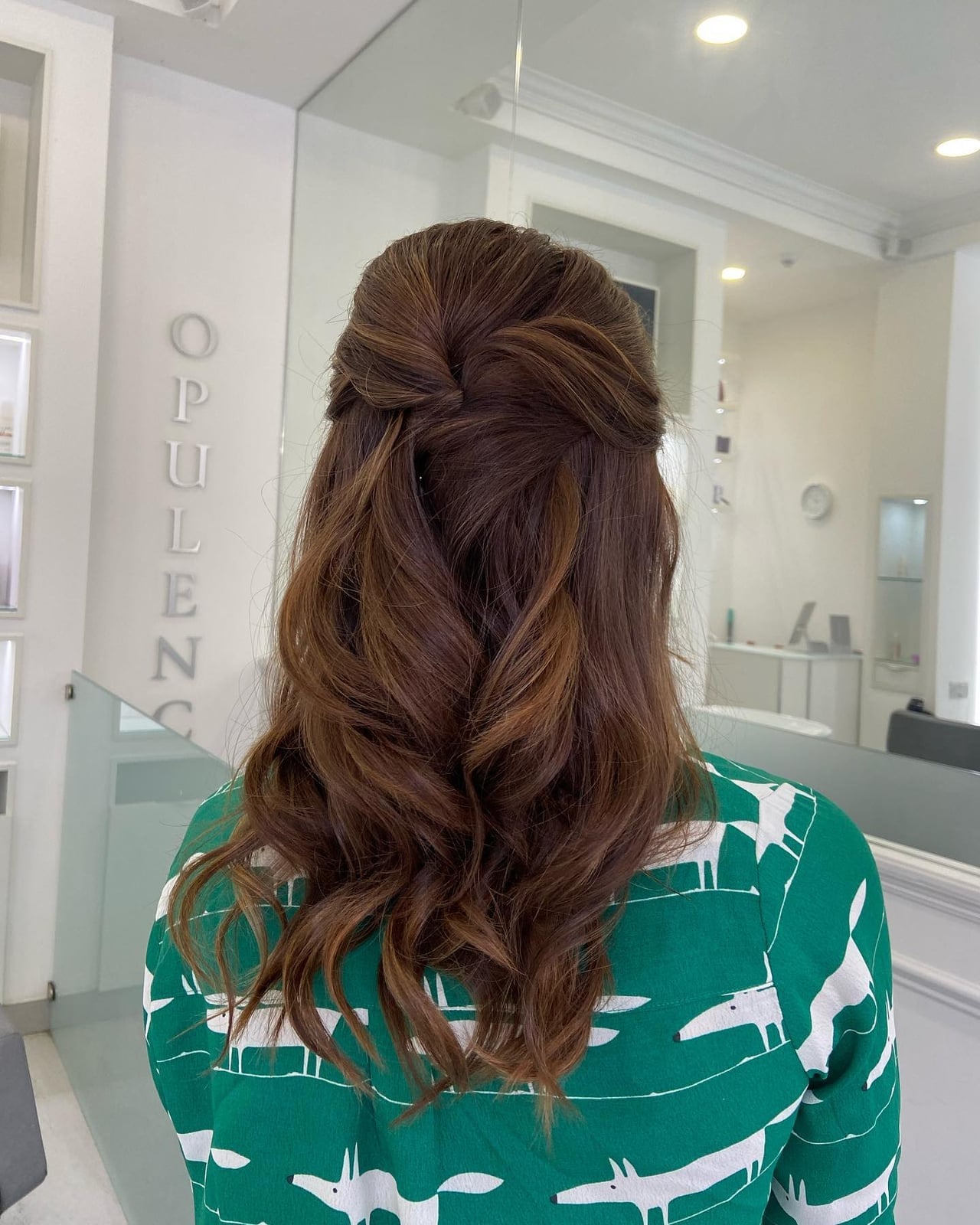
A messy bun is the usual reflex for mid-back hair, but the twisted knot takes the same lazy impulse and adds a little structure. The top section is gathered and twisted into a knot at the crown, while the rest falls in soft waves, a middle parting keeping the front clean. It looks more deliberate than a bun, without demanding the patience of a full updo.
This suits medium density, wavy hair at mid-back length, and the knot sits well on any face shape. Ask your stylist for: mid-back length, half up half down, twisted knot detail, subtle balayage. To keep the knot from slipping, twist the top section tightly before securing with pins. A trim every 10 to 12 weeks keeps the layers from dragging the style down.
Mid-Back Ponytail With Braided Detail
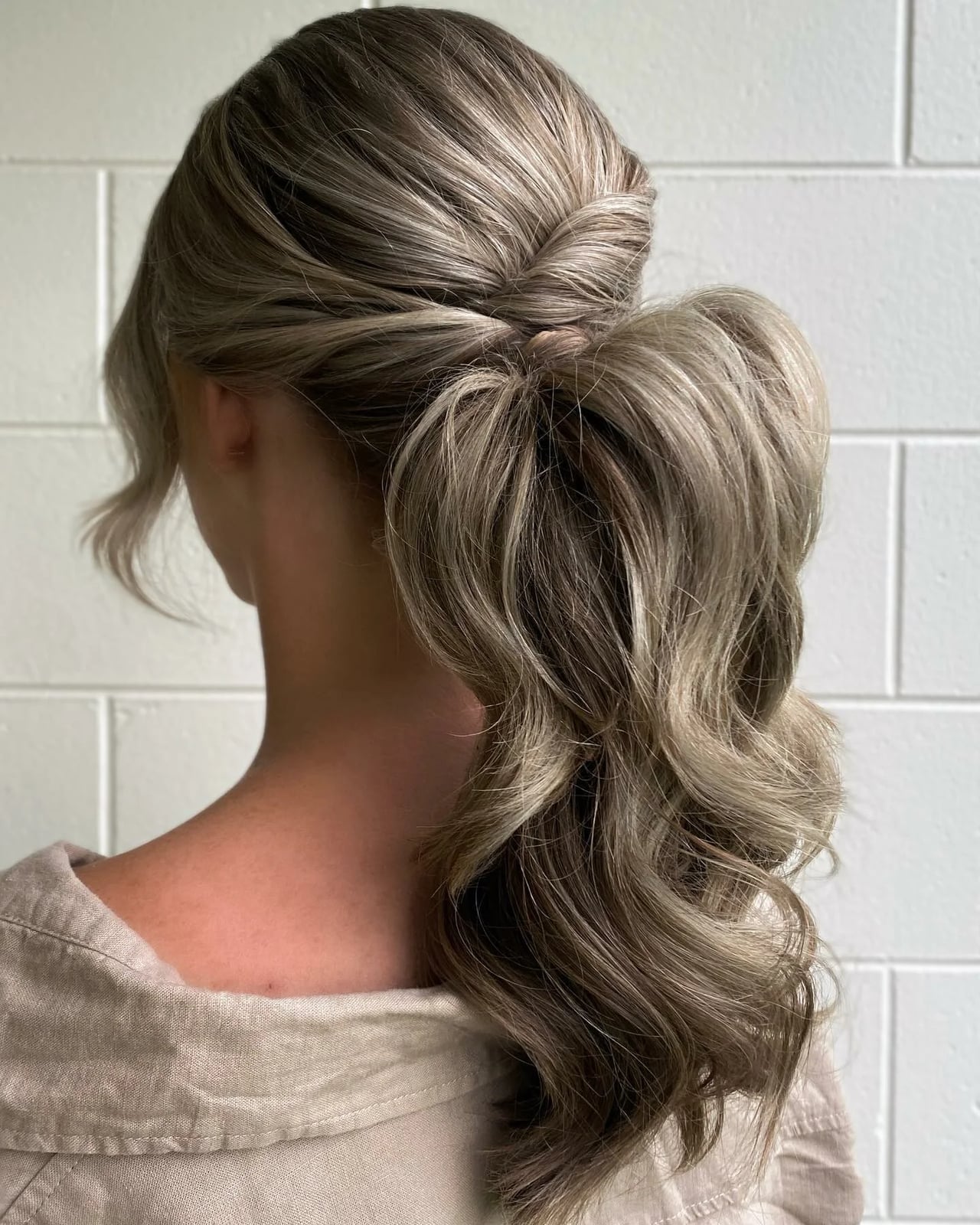
The low ponytail gets its upgrade from a thin braid wrapped around the base, a detail that takes the style from functional to finished. The hair is pulled back at mid-back length, with the braid encircling the elastic to hide the hardware and add texture. Ash blonde highlights catch the light along the wavy lengths, and the side parting keeps the front soft.
Ask your stylist for: mid-back length, low ponytail, braided wrap detail, ash blonde. This works on wavy, medium density hair of mid-back length and suits any face shape. To keep the braid from unraveling, wrap it snugly and pin the end underneath. A trim every 12 to 14 weeks maintains the long layers that give the ponytail its movement.
Mid-Back Messy Updo With Ash Blonde
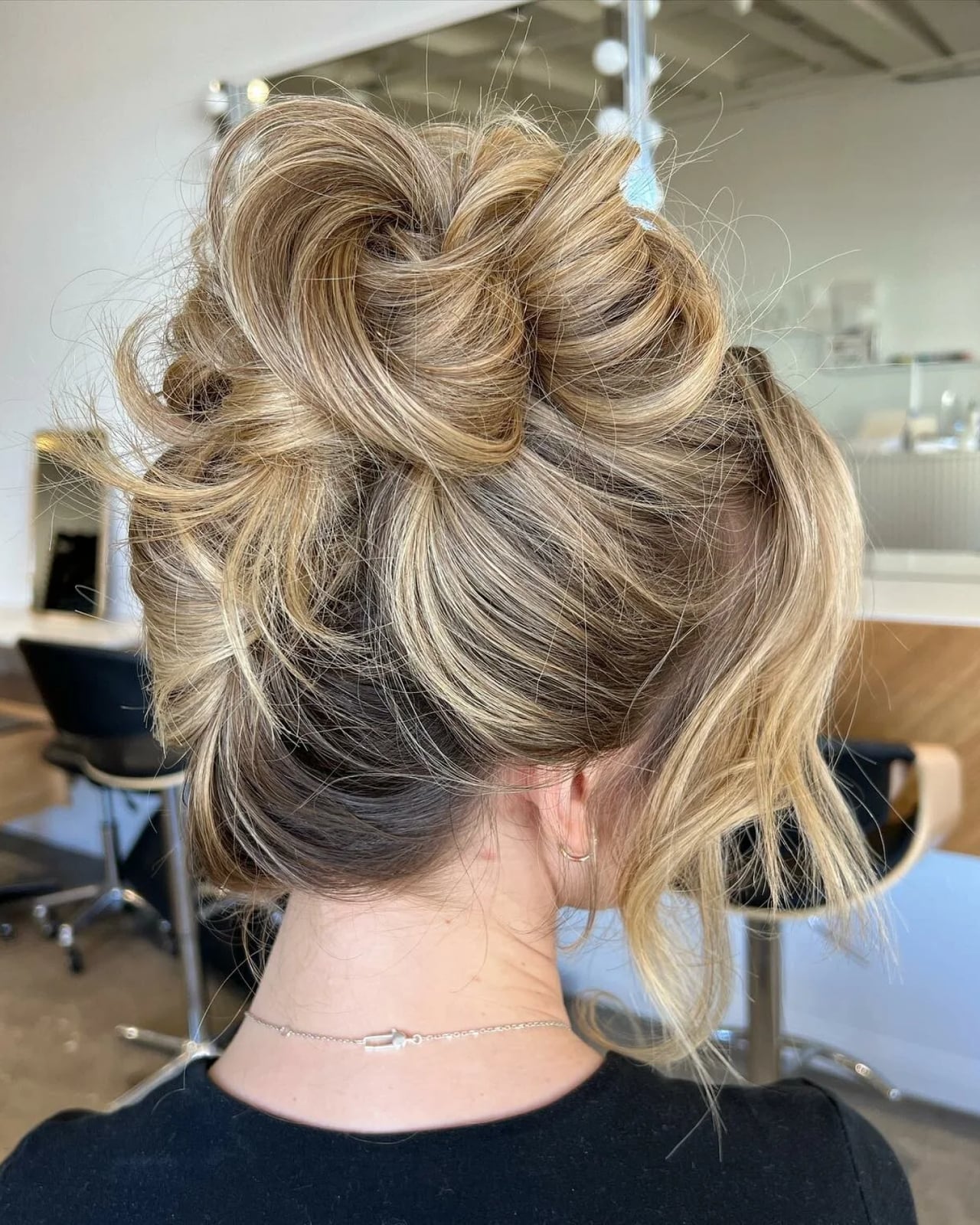
The intricate knotting in this updo is the kind of detail that looks like it took an hour, because it did. Thick, wavy hair is twisted and pinned into a complex arrangement at the back, with strands artfully pulled loose to soften the whole thing. The ash blonde with darker roots adds depth, so the knots read clearly instead of blending into a blob.
Ask your stylist for: mid-back length, intricate messy updo, ash blonde with dark roots. This is not a five-minute morning style; it needs thick, wavy hair of mid-back length and a steady hand with bobby pins. The honest drawback is the time: expect to sit for a while and keep texturizing spray on hand to tame flyaways. A trim every 12 to 14 weeks keeps the ends from splitting, which would show in the twists.
Mid-Back Fishtail Braid
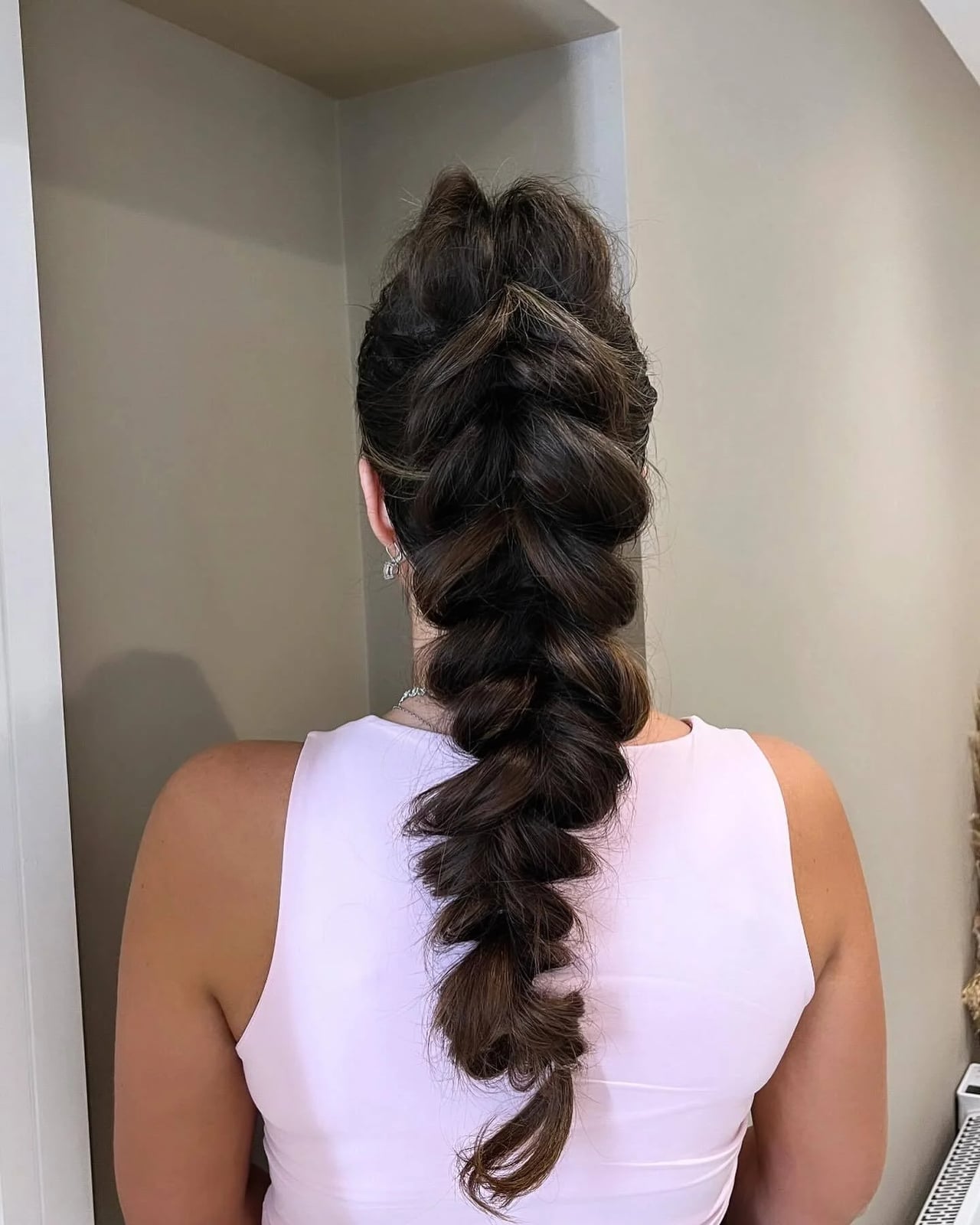
Why does the fishtail braid always look better on someone else? Because the mistake is braiding too tightly, which makes it skinny and severe. The fix is to pull sections apart gently after braiding, which is exactly what gives this dark brown version its voluminous, textured finish. Thick, wavy hair at mid-back length holds the braid well, and the pulled-out strands soften the whole thing.
Ask your stylist for: mid-back length, voluminous fishtail braid, dark brown. Doing it yourself is possible but fiddly; the salon version is faster and smoother. If you go the DIY route, braid loosely and then tug at the edges for that fuller look. A trim every 12 to 14 weeks keeps the ends from fraying, which would show in the braid.
Mid-Back Braided Ponytail, Platinum Blonde
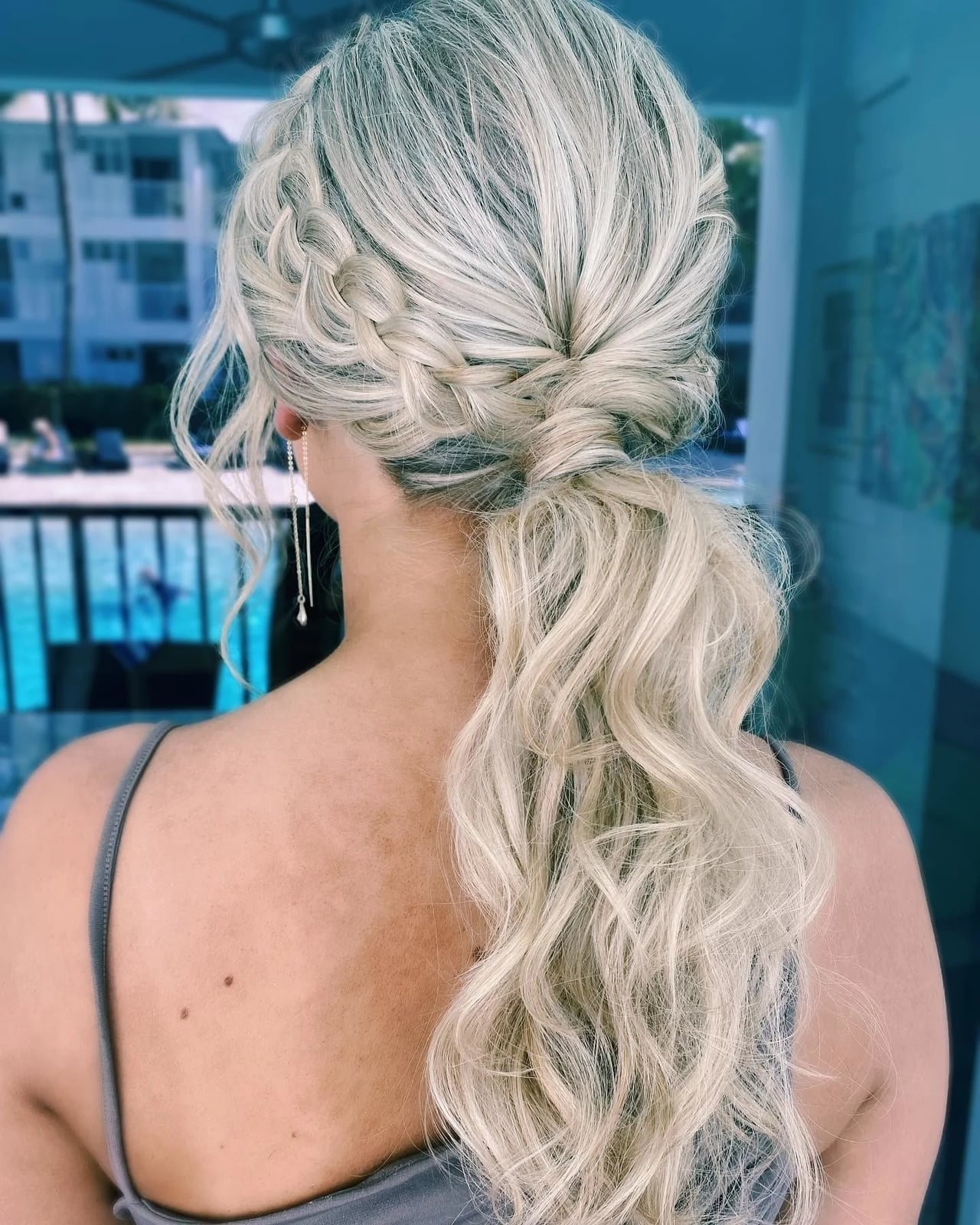
A braided crown that flows into a low ponytail gives fine hair a reason to look voluminous. The platinum blonde is the star here, with loose waves below the braid adding movement and body. The braid starts at the crown and transitions into the ponytail, a detail that reads as intricate without being fussy.
Ask your stylist for: mid-back length, braided crown ponytail, platinum blonde, voluminous waves. This suits fine, wavy hair of mid-back length, and the braid adds visual weight where fine hair often lacks it. To keep the braid from looking scrappy, keep the sections even and the tension consistent. A trim every 12 to 14 weeks maintains the ends, and a purple shampoo once a week keeps the platinum from going brassy.
Mid-Back Blowout With Auburn Highlights
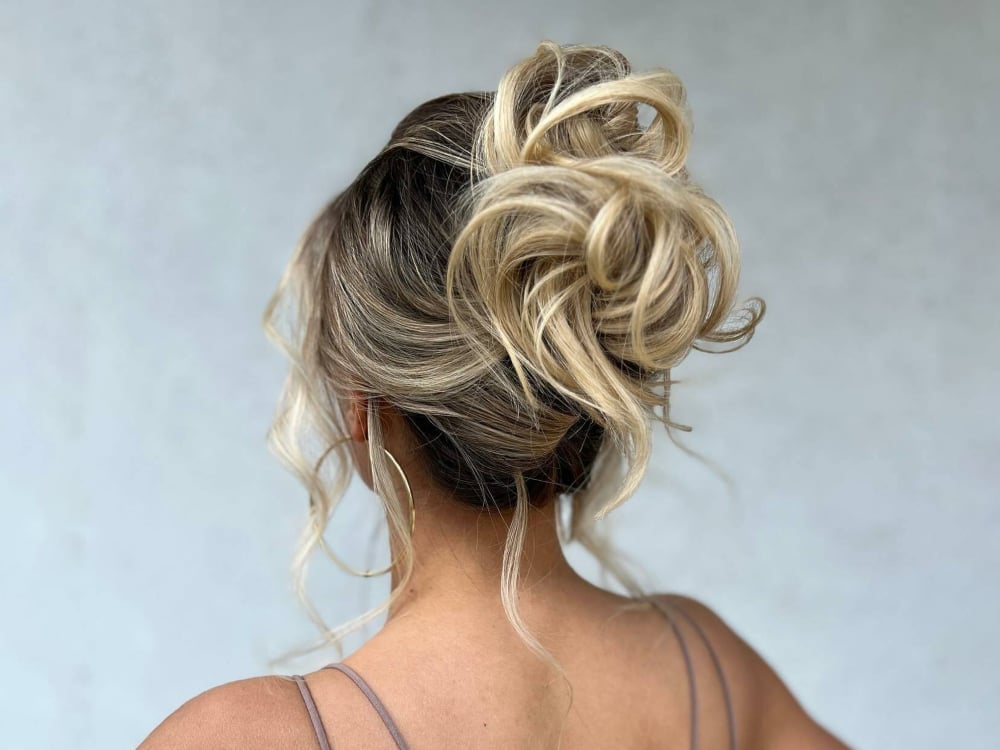
The glossy finish is doing most of the talking here, while the face framing layers make sure the movement doesn’t stop at the ends. This is a blowout built for thick, wavy hair that already has some weight to it. The mid-back length gives the auburn highlights room to show depth, while the curtain bangs soften the whole arrangement around the cheekbones. Oval and heart faces tend to get the most out of this shape.
Ask your stylist for: mid-back length, glossy blowout, face framing layers, auburn highlights. A shine serum worked through damp hair before you pick up the round brush will get you that reflective surface. The middle parting keeps everything symmetrical, so the layers fall evenly on both sides. Plan on a trim every 12 to 14 weeks to keep the ends from splitting and the shape from losing its line.
Long Loose Updo With Wispy Pieces
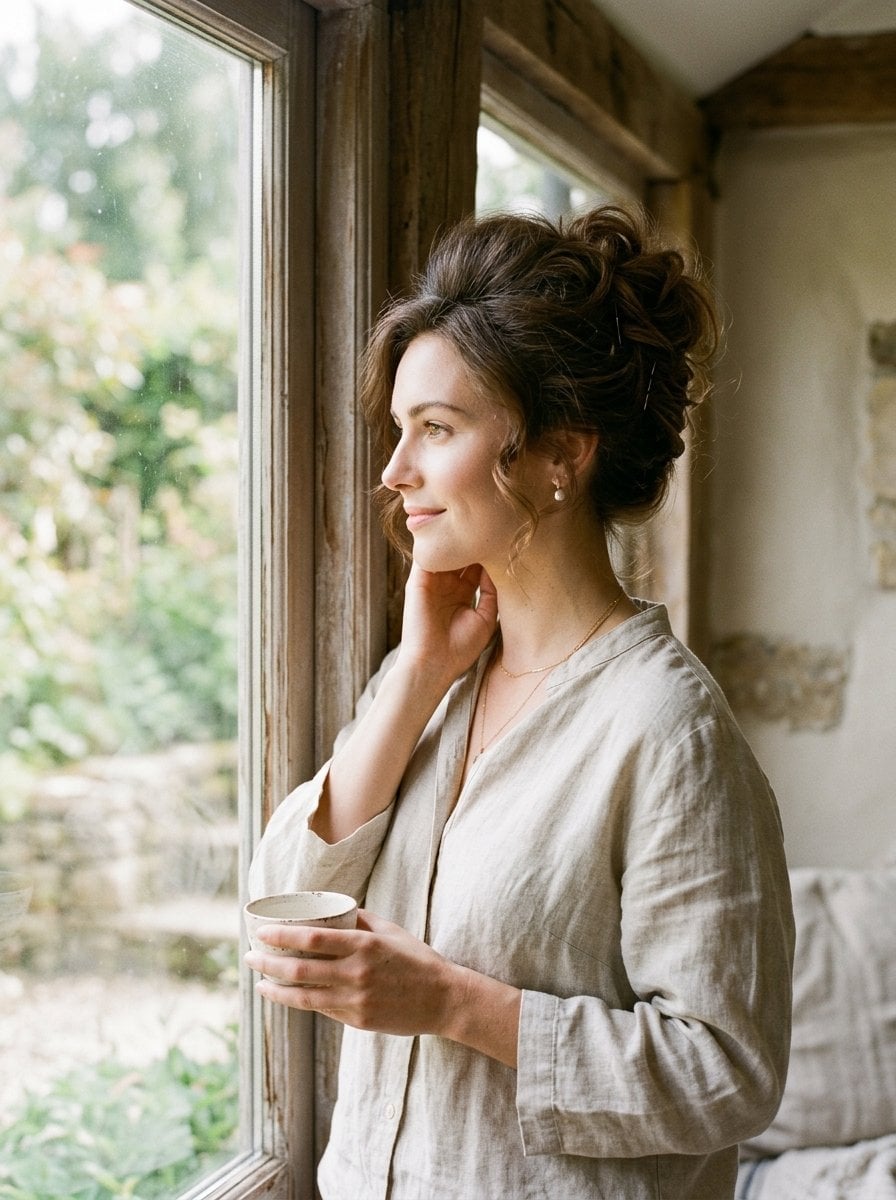
Will it hold until dinner, or will you be re-pinning it in the restroom by 4 pm? That is the real question with any loose updo, and the answer depends on how you build it. The textured curls give the pins something to grip, so this style has a better chance than a slick, smooth twist. The wispy pieces around the face are not an accident, they are what keep a gathered style from looking severe. Thick, wavy hair of long length holds this shape best, and it suits just about any face because of the soft framing.
Ask your stylist for: long hair, loose romantic updo, textured curls, wispy face-framing pieces. The honest drawback is that the wispy bits will escape faster on a humid day, so carry a few extra pins if you want the silhouette to last past the first course. A trim every 12 to 14 weeks keeps the ends from looking frayed when they are pulled loose.
Mid-Back Double Dutch Braids
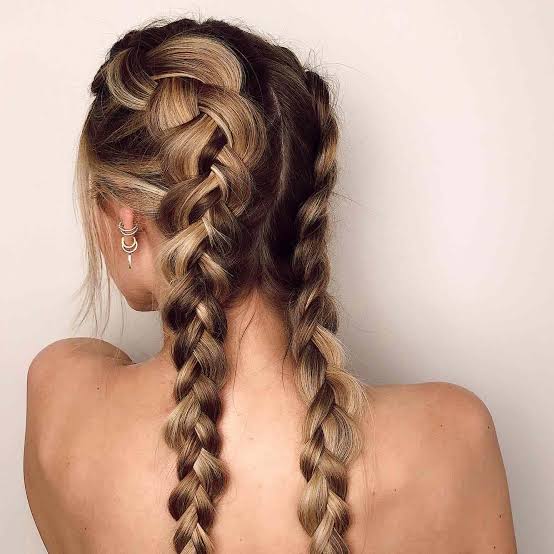
Two Dutch braids starting at the crown create a raised, almost sculptural line down the back, and the dark blonde base with lighter highlights woven through gives each braid visible dimension. The technique involves crossing sections under the middle strand, which is what makes the braid sit on top of the hair rather than blending into it. Thick, wavy hair of mid-back length is ideal because the density keeps the braids from looking skinny. Ask your stylist for: mid-back length, double dutch braids, dark blonde with highlights. You can attempt this at home, but getting both braids even and tight at the crown takes practice; a salon does it in about 30 minutes with clean sections. The style holds all day and actually looks better on day two when the braids have softened slightly.
Long Curly Half-Up Ponytail
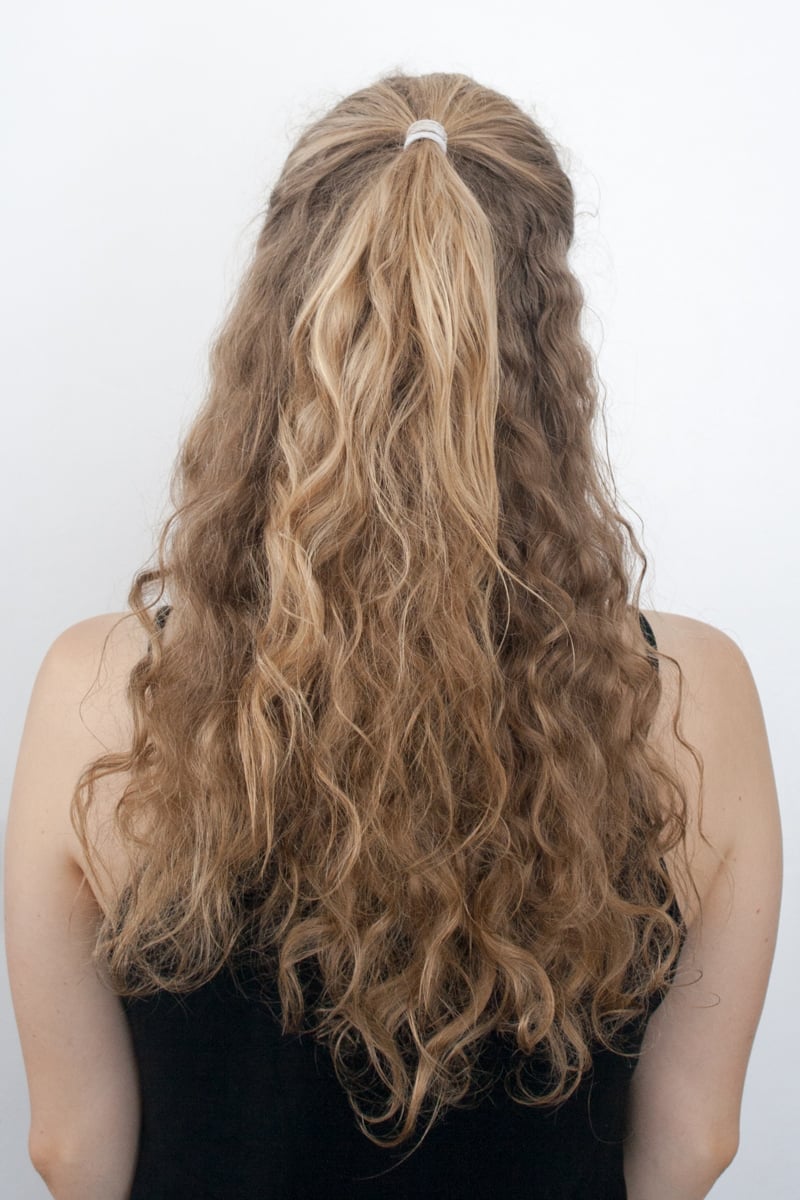
The half-up ponytail is the rare style that works harder on curly hair than on straight, because the texture gives the gathered section natural volume without any teasing. A high placement on the back of the head keeps the curls off the neck while the rest falls free in loose coils. This suits thick, curly hair of long length, and the middle parting keeps the two sections balanced. Ask your stylist for: long length, half-up ponytail, curly texture, blonde with highlights. To recreate it at home, apply a texturizing spray to the roots before you gather the top section, then secure it with an elastic and let the front pieces fall where they want. The hold is honest: it stays put for a full day because the weight of the hair does the work, not the elastic. A trim every 12 to 14 weeks keeps the curls from splitting at the ends.
Long Voluminous Waves With Blonde Balayage
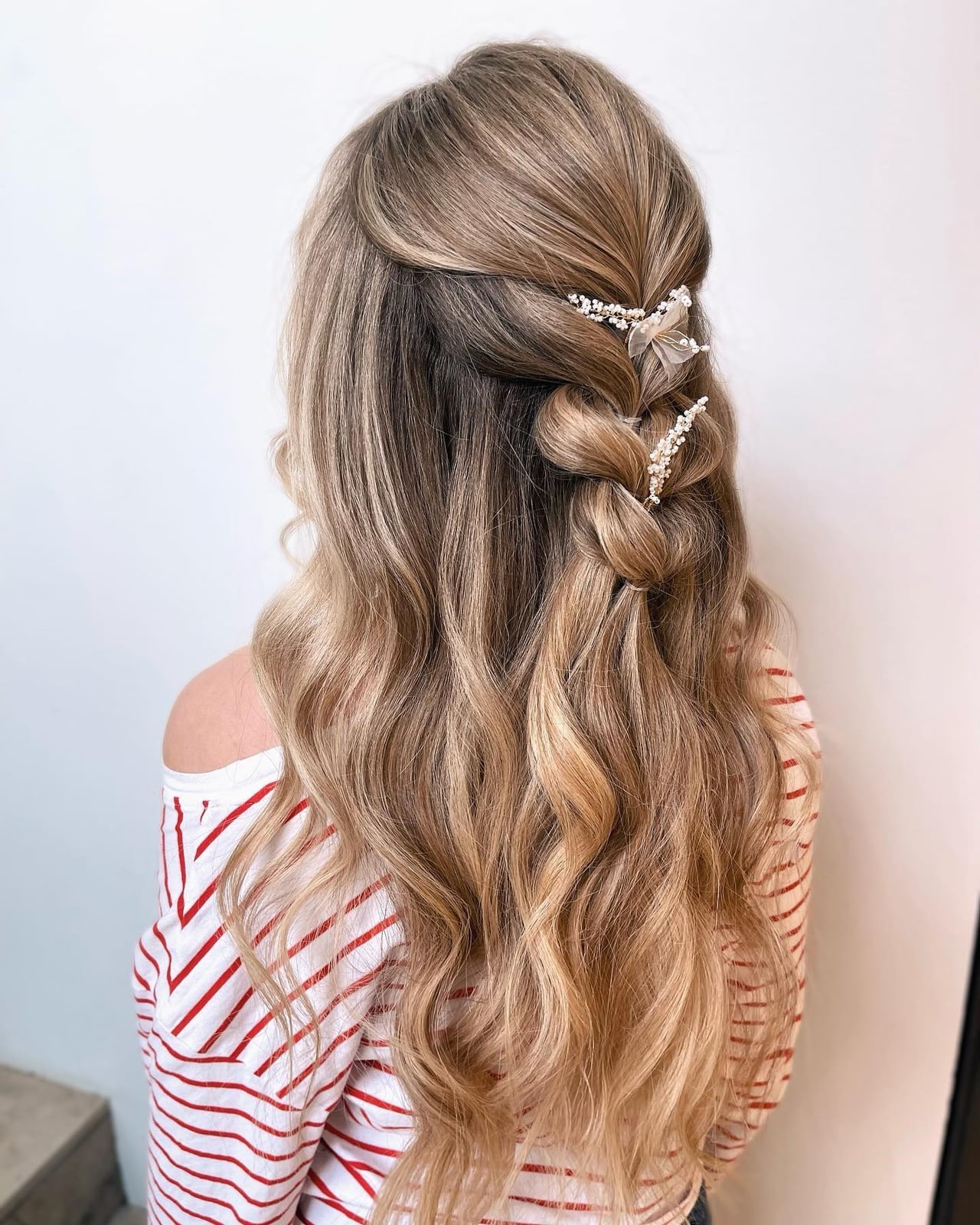
Where a tight curl can feel like a commitment and a sleek blowout formal, this loose wave sits in the middle: substantial but not fussy. The side parting adds height at the root, and the long layers give the wave pattern room to move without collapsing into a single curl. The dark brown base with significant blonde balayage means the color does the work of creating depth, so the wave itself does not need to be perfect. Thick, wavy hair of long length carries this shape best. Ask your stylist for: long length, voluminous waves, blonde balayage, side part. A volumizing product at the roots and a round brush on the blow-dry will get you close, and the style lands well for summer evenings where you want movement without constant touch-ups. It is a salon-heavy look, but the balayage grows out softly, so you get a few months before the root line demands attention.
Final Thoughts
Fine hair holds shape best with one blunt baseline and minimal layers. Round faces benefit when the length falls below the chin. Curly textures skip heavy layering at the ends to keep density where it counts.
- Trim blunt cuts every 6-8 weeks to maintain sharp lines.
- Tone blonde shades every 4-6 weeks to counteract brassiness.
- Use a heat protectant spray before blow-drying or styling.
- Wash hair 1-3 times per week, depending on texture and styling.
- Refresh air-dried curls with a curl-enhancing spray or serum.
Find your signature everyday style that works with your life.