After 60, a haircut should do more than just shorten hair. It should add volume, frame the face, and make mornings easier. The current trend leans toward soft, lived-in texture and face-framing layers that move naturally, not stiff, over-processed shapes.
This collection of 28 Haircuts for Women Over 60 covers everything from low-maintenance pixies to shoulder-length shags. Whether your hair is fine, thick, wavy, or straight, there is a cut here that works with your texture, not against it. These ideas solve common frustrations like hair that falls flat, a grow-out line that shows too fast, or bangs that refuse to cooperate.
Shaggy Collarbone Cut With Pinkish Blonde Waves

A shag uses stacked interior layers to create movement without losing density. At collarbone length with curtain bangs, it softens the jaw and cheekbones for round and heart faces. Ask your stylist for: collarbone length shaggy cut with curtain bangs, pinkish blonde color. This cut works best on medium-density wavy hair that already reaches the collarbone. Air dry for a textured finish, then plan a trim every six to eight weeks to keep the layers from looking stringy.
Voluminous Chin Length Angled Bob

On fine wavy hair, the answer depends on prep. The angled shape stacks weight at the back, so the front pieces swing forward naturally. Side-swept bangs and a side parting add lift at the crown. Ask your stylist for: chin length angled bob, voluminous waves, silver gray color. The honest drawback: fine texture can fall flat by midday without a volumizing mousse at the roots. A large-barrel curling iron helps the waves hold for the evening.
Sleek Chin Length Bob With Blunt Bangs
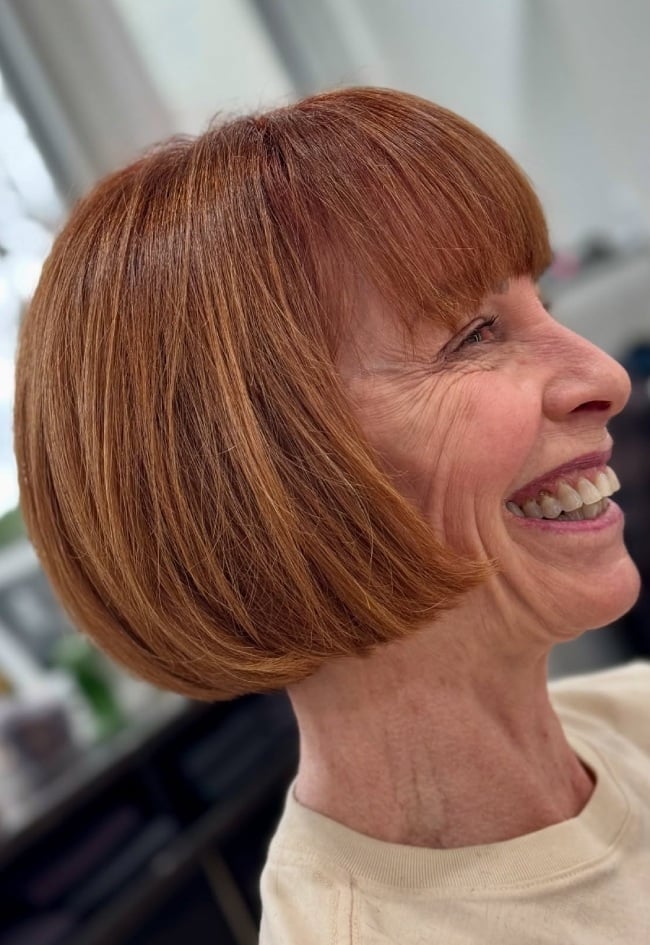
Where the shag is all texture, this blunt bob is the opposite: one clean line from nape to chin. The blunt bangs cut straight across the forehead create a strong horizontal that suits oval and long faces. Ask your stylist for: chin length blunt bob, blunt bangs, light blonde. The copper shade with subtle lighter streaks adds warmth without the upkeep of a full highlight. If you prefer a softer finish, the shaggy cut is a better match. This one demands precision every four to six weeks.
Textured Gray Pixie Cut With Short Bangs
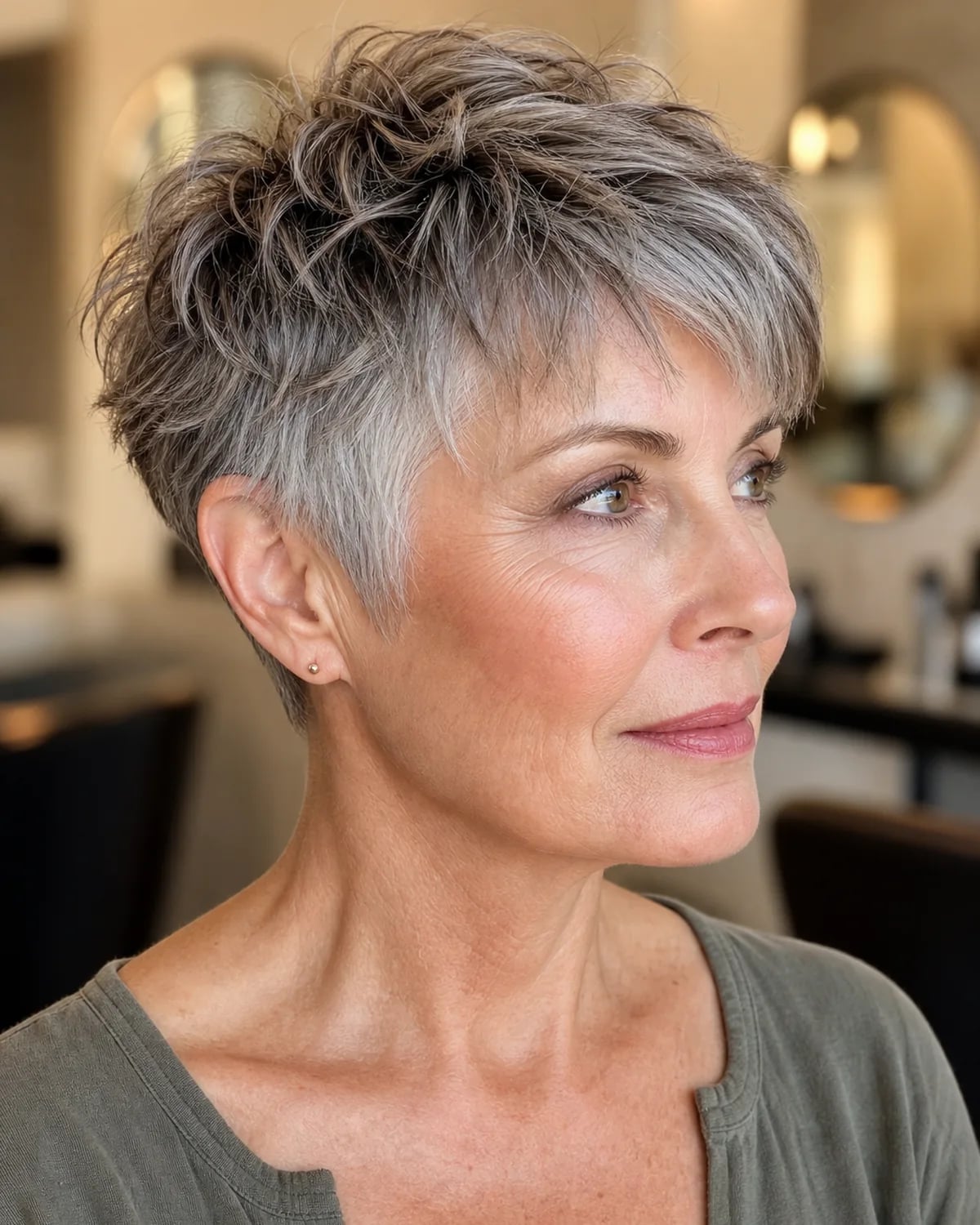
A pixie cut at ear length relies on internal layering to create the illusion of fullness. The short bangs are cut into the top section and swept to the side, so the texture sits forward rather than flat. Ask your stylist for: short textured pixie cut, side-swept short bangs, gray color. This works on fine wavy hair of any density, and the darker roots mean you can stretch the salon visit. A texturizing paste or wax is the styling tool here, not a brush. Trim every four to six weeks to keep the shape crisp.
Collarbone Layered Bob With Voluminous Waves

Curtain bangs frame the face without closing it off. Ask your stylist for: collarbone layered bob, curtain bangs, salt and pepper gray. This shape suits medium-density wavy hair and works for both oval and square faces. A round brush during blow-drying builds the volume at the crown. The style is suitable for the office and for weekend plans.
Collarbone Lob With Soft Layers And Curtain Bangs
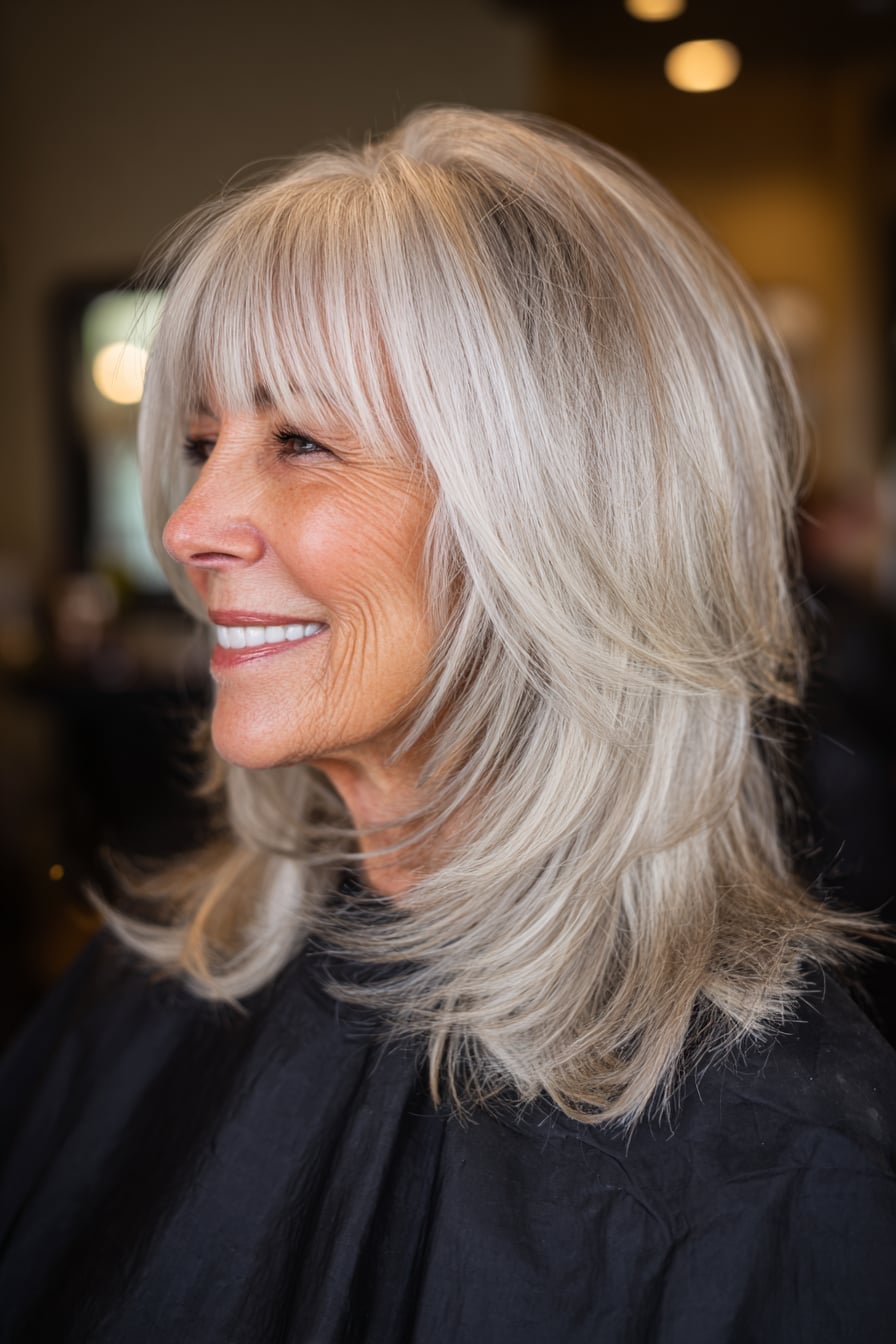
Wondering how to ask for those soft, face-framing layers without ending up with a choppy mess? For fine, straight hair at the collarbone, the key is in the wording. Ask your stylist for: collarbone lob, soft long layers, curtain bangs, ash blonde. The curtain bangs should sweep away from the face, blending into the longer layers for a seamless finish. A side part adds volume at the root, and a round brush during blow-drying gives the fringe its gentle curve. Plan on a trim every six to eight weeks to keep the baseline and the bangs in shape.
Collarbone Layered Shag With Honey Blonde
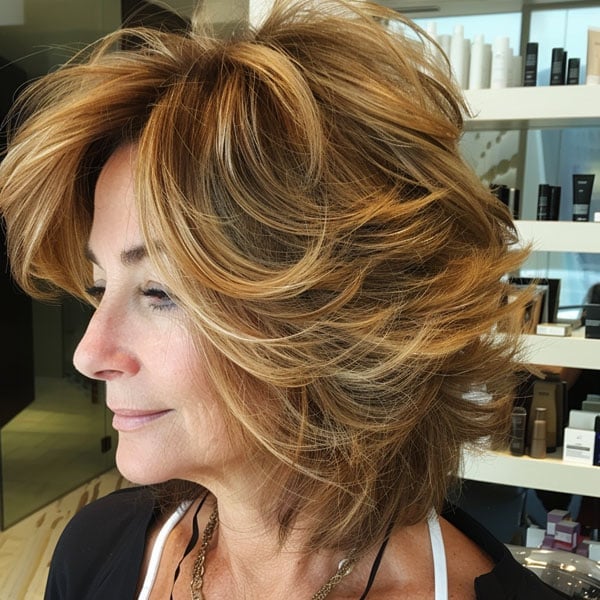
The collarbone layered shag with honey blonde is a lesson in volume, but it asks for something in return. With thick, wavy hair, the blowout is what makes or breaks this cut; skip the round brush and the layers fall flat, or worse, frizz up. Ask your stylist for: collarbone layered shag, curtain bangs, honey blonde. The side part and voluminous blowout give the shape its lift, but that volume doesn’t survive a humid day without a fight. The real drawback is the upkeep: expect to re-style or refresh to keep the waves defined, and book a trim every six to eight weeks to maintain the shag’s shape.
Medium Length Cut With Face-Framing Bangs
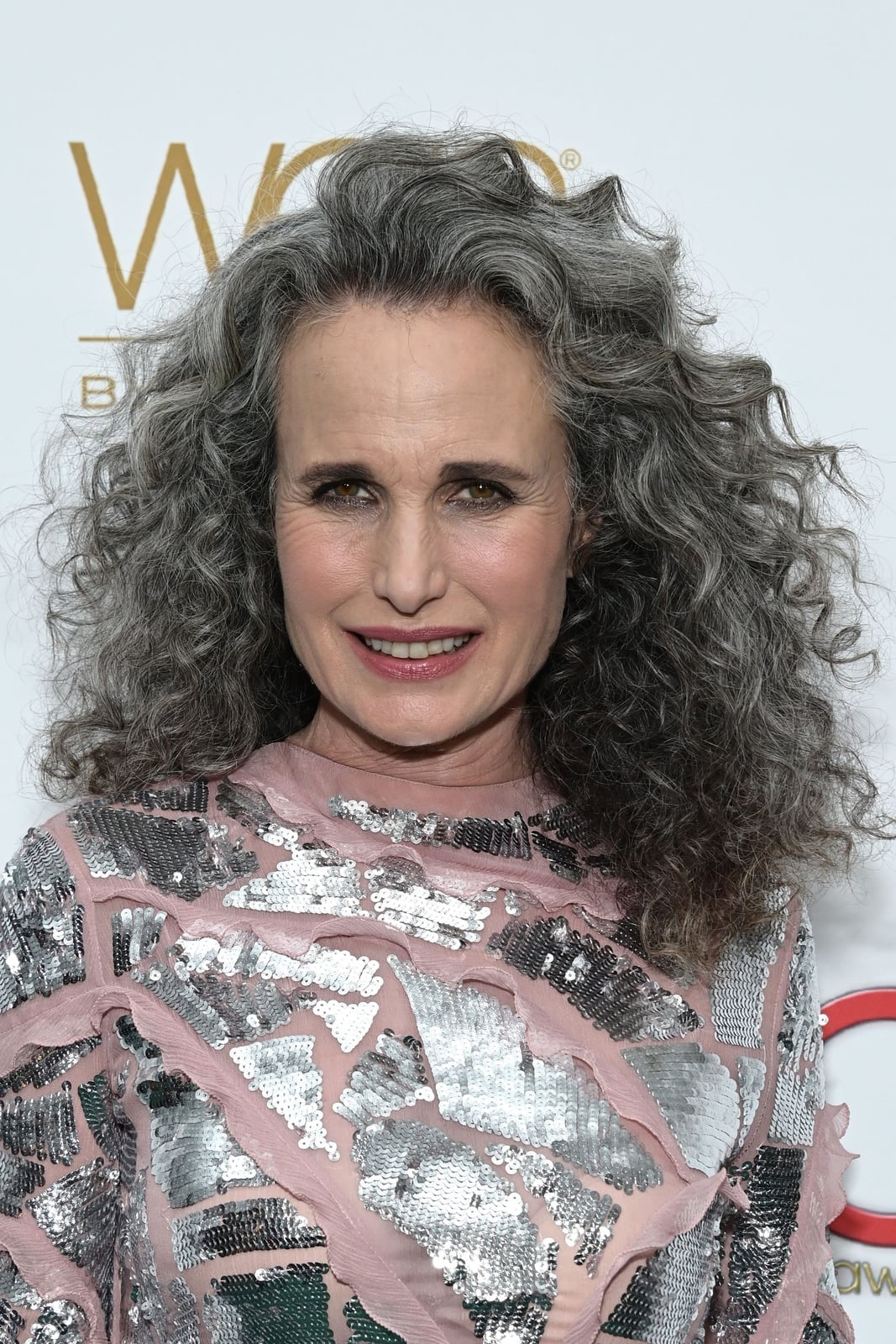
A practical rule for medium-length cuts: face-framing bangs only work if the layers are cut to follow the curve of your face. The common mistake is asking for curtain bangs but skipping the layers that make them blend, leaving a blunt line that fights the style. For thick, straight hair at the shoulder, the gray blonde color needs those soft waves to give it movement. Ask your stylist for: medium length cut, curtain bangs, gray blonde color. Use a large barrel iron to create gentle waves, and trim every eight to ten weeks to keep the shape from growing out heavy.
Shoulder Length Long Shag With Face-Framing Layers
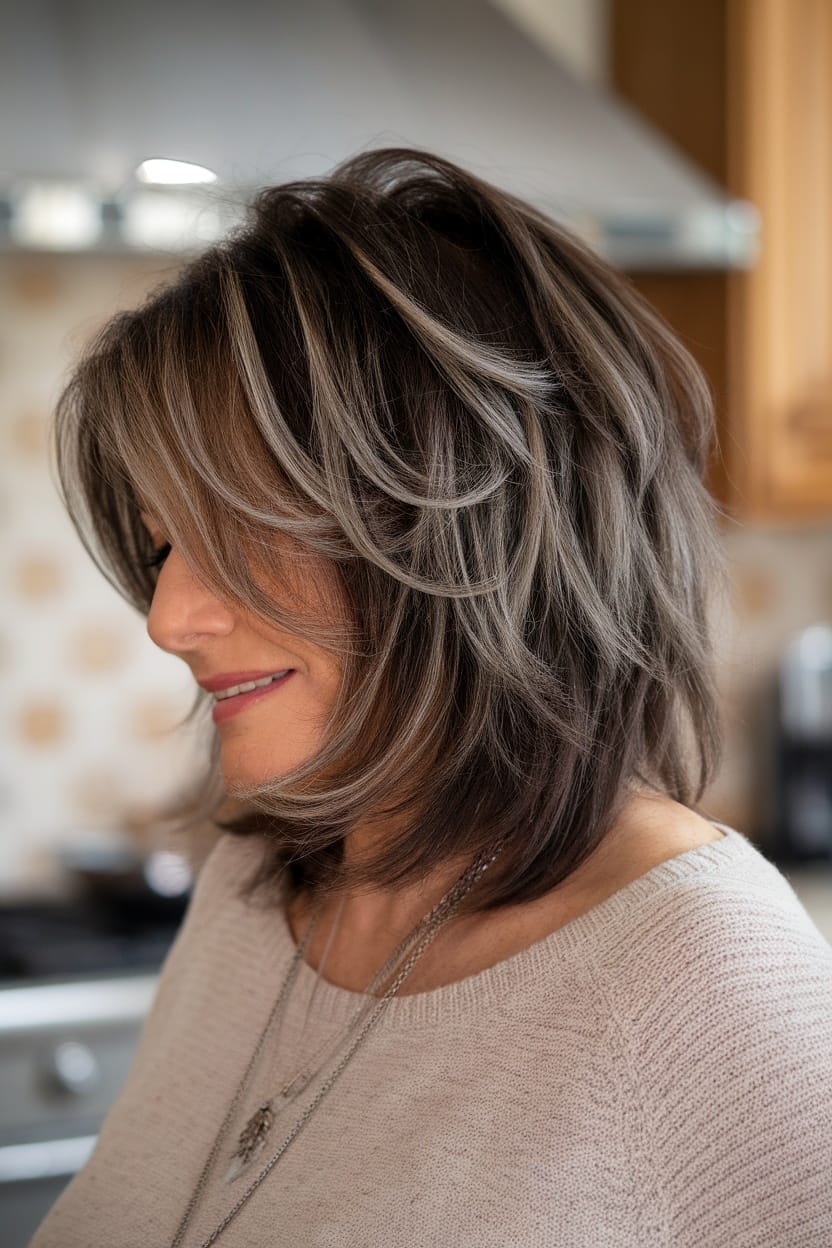
The shoulder-length long shag is a shape that genuinely flatters medium-density wavy hair, because the layers do the work of adding body without weighing it down. The face-framing layers and curtain bangs soften the angles of a square jaw or a round face, while the middle part keeps it modern. Ask your stylist for: shoulder length long shag, curtain bangs, face-framing layers. The medium brown with blonde highlights adds depth, but the real trick is styling: apply a texturizing spray and air dry for that lived-in feel. A trim every six to eight weeks keeps the layers from growing into a shapeless blob.
Long Layered Hair With Silver Gray Curls
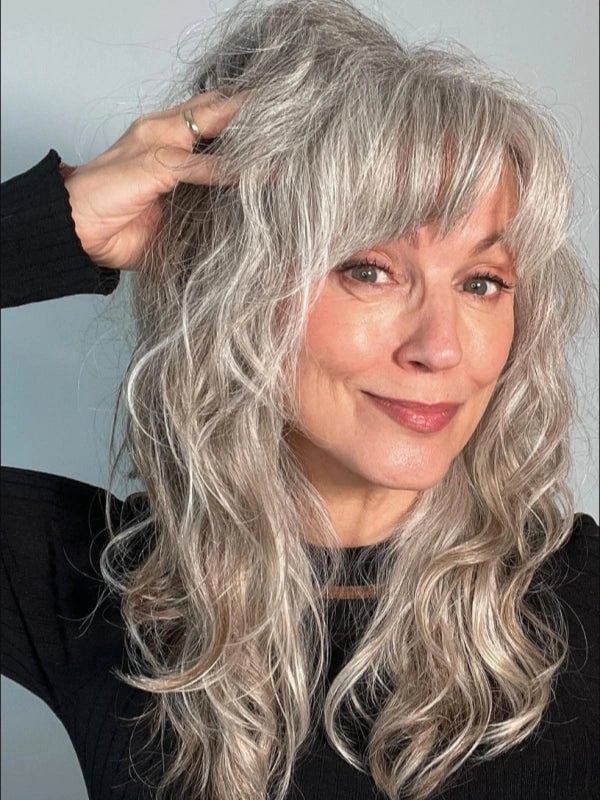
The technique behind long layered hair with silver gray curls is all about working with, not against, the natural wave. For thick, wavy hair at mid-back, the layers are cut to remove weight, letting the curl spring up instead of hanging heavy. The curtain bangs blend into those layers, so the face gets soft framing without a hard line. Ask your colorist for: long layered hair, silver gray color, curtain bangs, loose curls. Styling starts with a curl-defining cream on damp hair, then air dry or diffuse to set the pattern. Length affects curl: the longer the hair, the more the curl stretches, so trim every eight to ten weeks to keep the shape and the bounce.
Long Layered Hair With Silver Gray Waves, Mid-Back

Can long, fine wavy hair past the shoulders still hold shape without looking stringy? Yes, if the layers are cut to move with the wave pattern rather than fight it. This mid-back cut uses long layers that start below the chin, so the weight stays low and the ends don’t go see-through. The curtain bangs soften the face without shortening the overall length, and the silver gray base with lighter highlights adds dimension that fine texture needs. A side parting helps distribute volume evenly. A texturizing spray and a quick tousle help maintain body through the day. A trim every eight to ten weeks keeps the layers from growing into one shapeless block. Ask your stylist for: long layered hair, silver gray waves, curtain bangs.
Collarbone Layered Bob With Tousled Finish
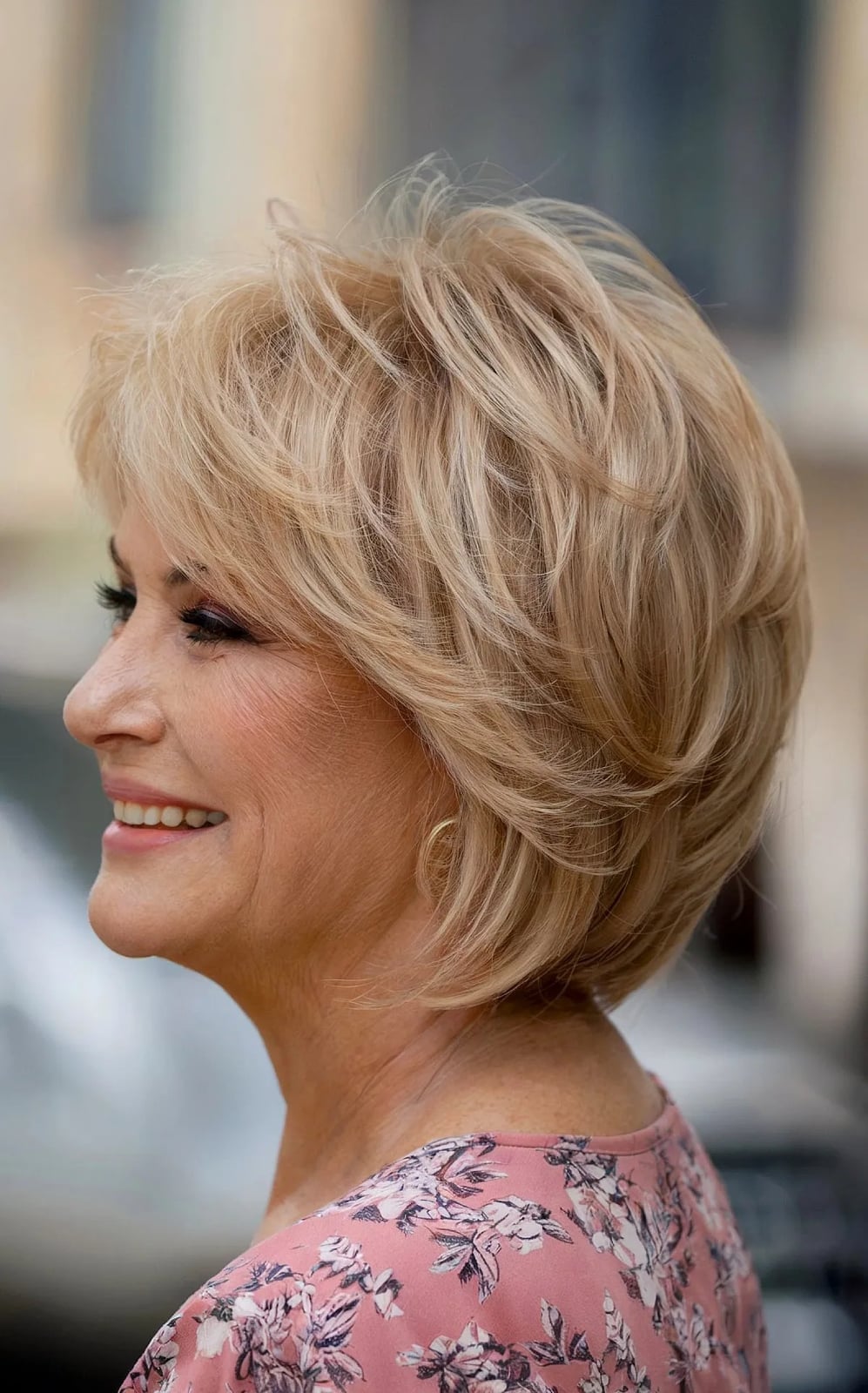
The trick to this collarbone bob is that it looks deliberately undone without actually being messy. Soft, choppy layers cut into thick wavy hair create that airy, feathered movement, and the light blonde base with subtle highlights stops it from reading as heavy. A side part adds asymmetry, which keeps the shape from feeling too round. The tousled finish comes from cutting the layers at an angle so they stack slightly at the ends. Ask your stylist for: collarbone layered bob, soft choppy layers, light blonde. A texturizing spray on damp hair, then air drying or diffusing, gets you the same finish without heat damage.
Collarbone Layered Bob With Textured Layers
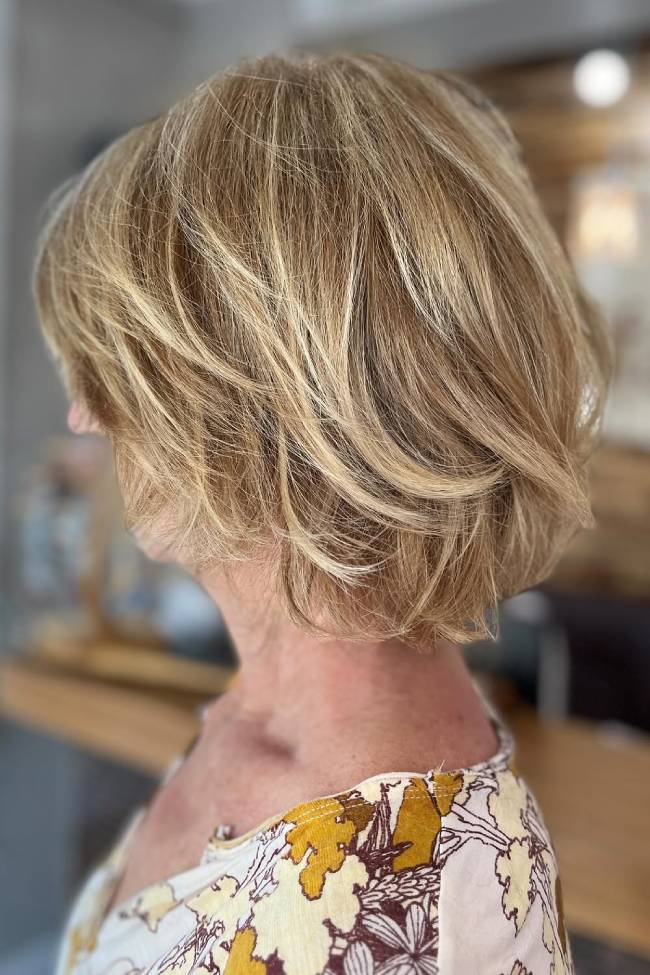
Here is the mistake most people make with fine wavy hair: they ask for texture and end up with frizz. The fix is to keep the layers soft and the cut blunt enough that the wave pattern stays defined, not scattered. This collarbone bob has no bangs, which simplifies styling and means less weight at the front. The textured layers are concentrated in the ends, so the top stays smooth and the wave falls naturally. A blonde base with subtle highlights helps the texture look intentional. Ask your stylist for: collarbone layered bob, textured layers, no bangs. A trim every six to eight weeks keeps the ends from fraying.
Collarbone Bob For Volume With Balayage
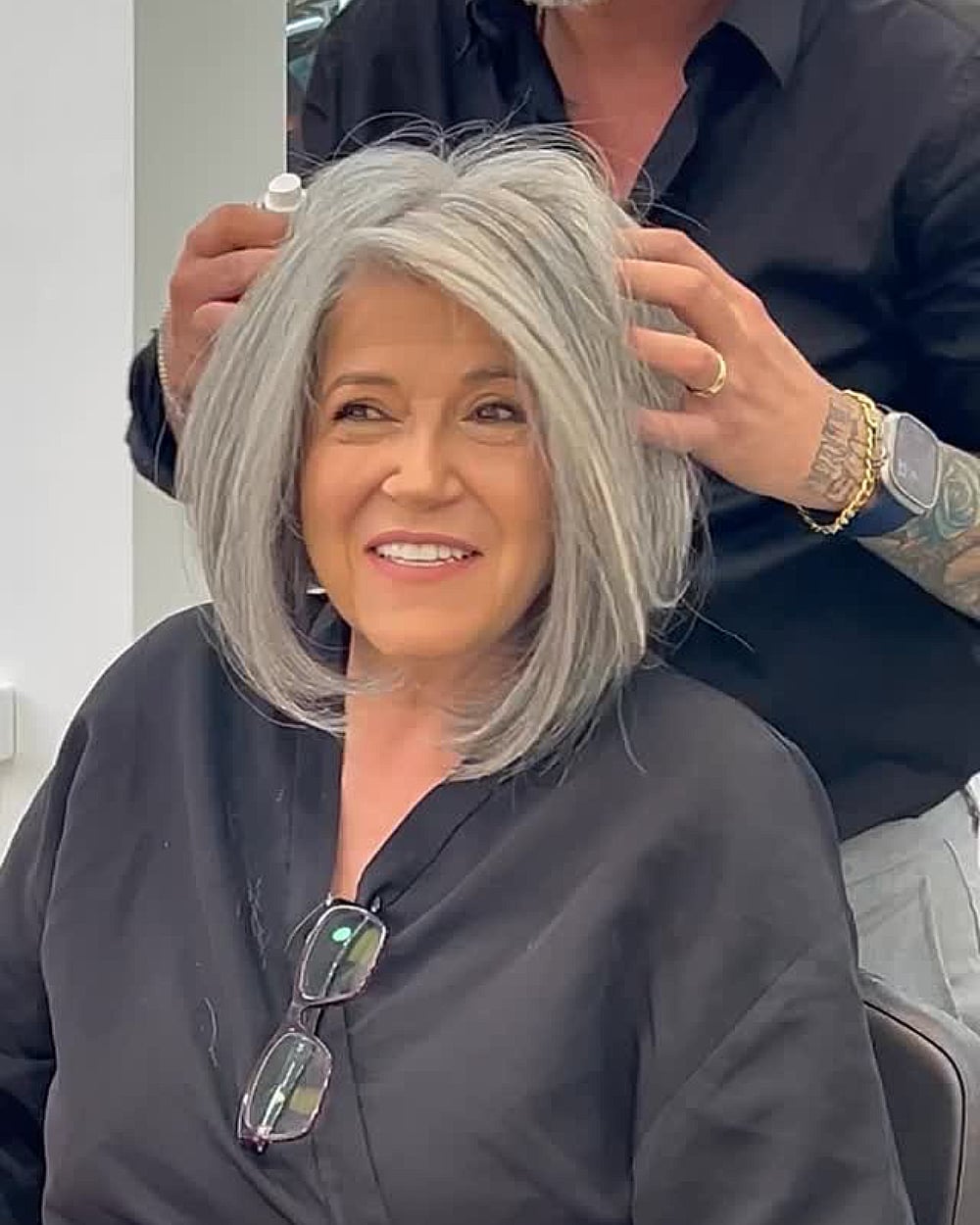
The technical challenge with a collarbone bob on fine straight hair is that it can sit too flat at the crown. The fix is in the cut: layered ends that are shorter at the nape and slightly longer at the front, which naturally lifts the back. A side parting also helps, because it breaks up the hair’s fall and creates a little more root space. The light brown base with blonde balayage adds the illusion of depth, which fine hair needs to look thicker. This bob has no bangs, so the volume at the crown becomes the focal point. Ask your stylist for: collarbone bob, volume at the crown, light brown with balayage. Blow-drying upside down or using a round brush at the roots gives the lift without extra product.
Sleek Collarbone Lob With Ash Blonde Highlights
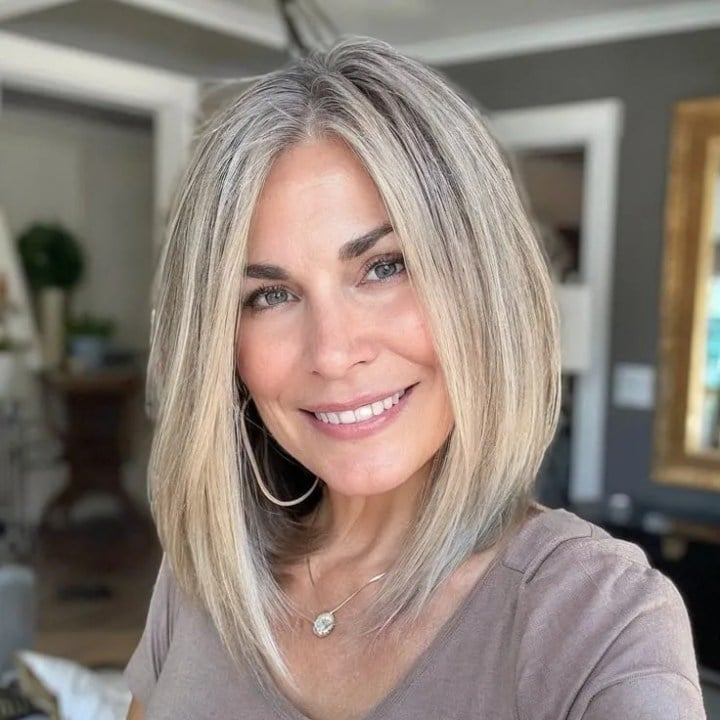
A sleek collarbone lob is one of those cuts that looks simple but requires the right hair type to pull off. Fine straight hair is ideal here because it holds a smooth line without fighting it. The middle parting and no bangs make the shape symmetrical and clean, which flatters oval and longer face shapes by not adding width. The ash blonde base with lighter highlights gives the lob a cool, polished finish that works well for professional settings. This is not a cut for wavy or coarse hair, which would need more product and heat to stay straight. Ask your stylist for: collarbone length sleek lob, no bangs, ash blonde. A flat iron and a lightweight smoothing serum keep the shine without weighing it down.
Layered Bob With Side-Swept Bangs In Gray
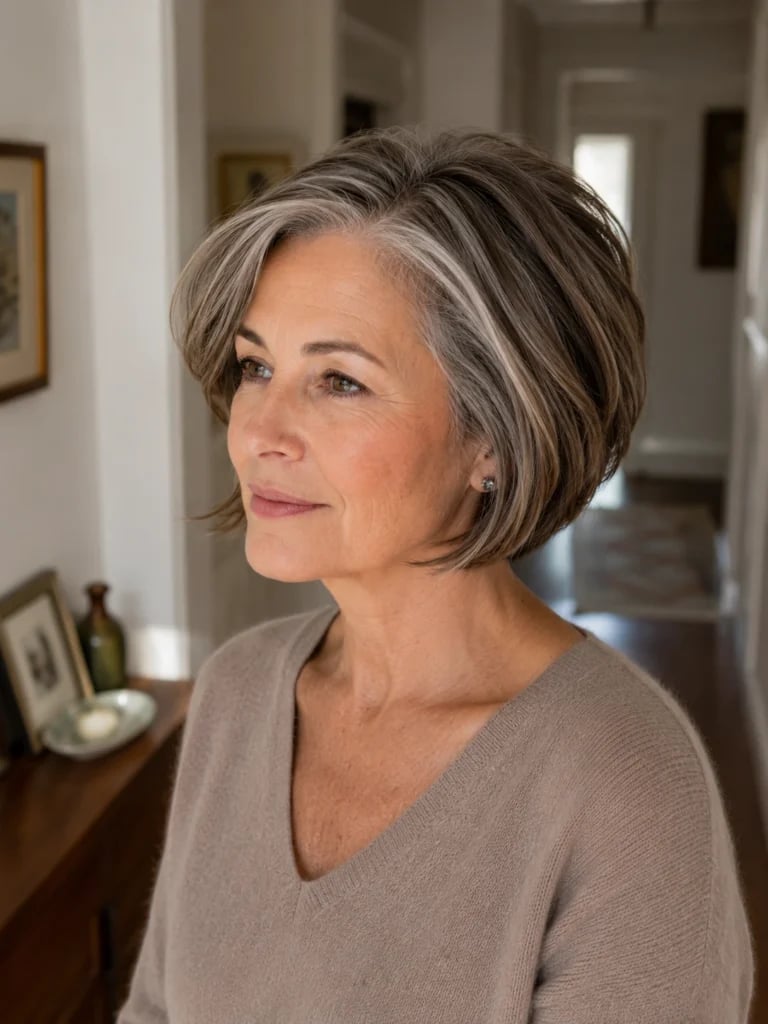
On fine straight hair, yes, with a round brush. The gray base with silver highlights adds dimension that makes the layers look deliberate. Ask your stylist for: chin length layered bob, side-swept bangs. The real catch: side-swept bangs need a trim every three weeks or they drift into your eyes. Plan on a full cut every six to eight weeks to keep the bob shape clean.
Stacked Bob With Smooth Finish
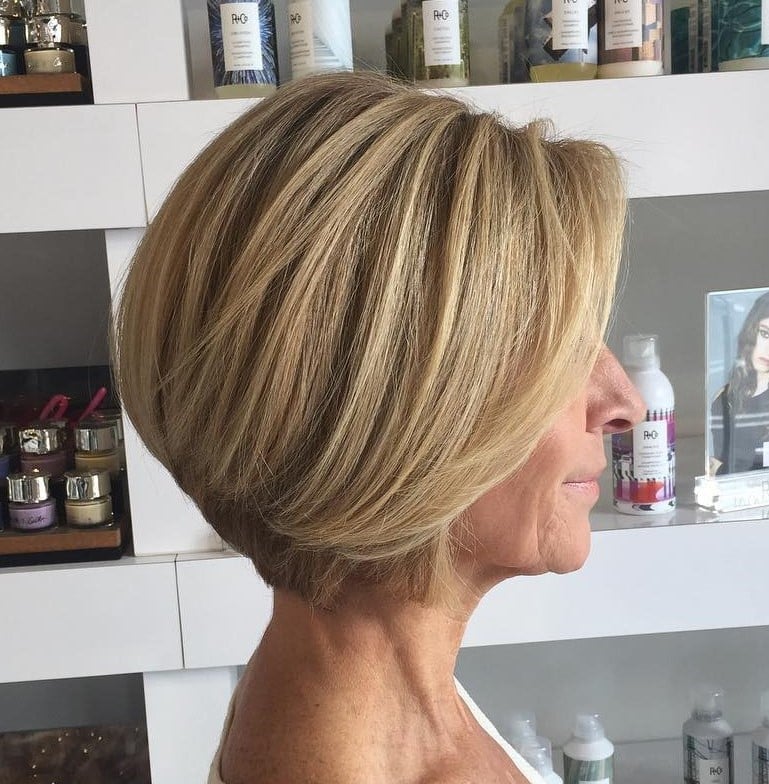
Unlike a softer layered bob, the stacked bob is built for structure. The back is cut shorter, graduating into a rounded chin-length shape that holds its own without curling irons. Fine straight hair benefits from the stacked layers, which create the illusion of density at the crown. Ask your stylist for: chin length stacked bob, smooth finish. Blonde with subtle highlights keeps the shape from looking too severe. A flat iron and a dab of smoothing serum are all you need to maintain the polish.
Stacked Bob Viewed From Back
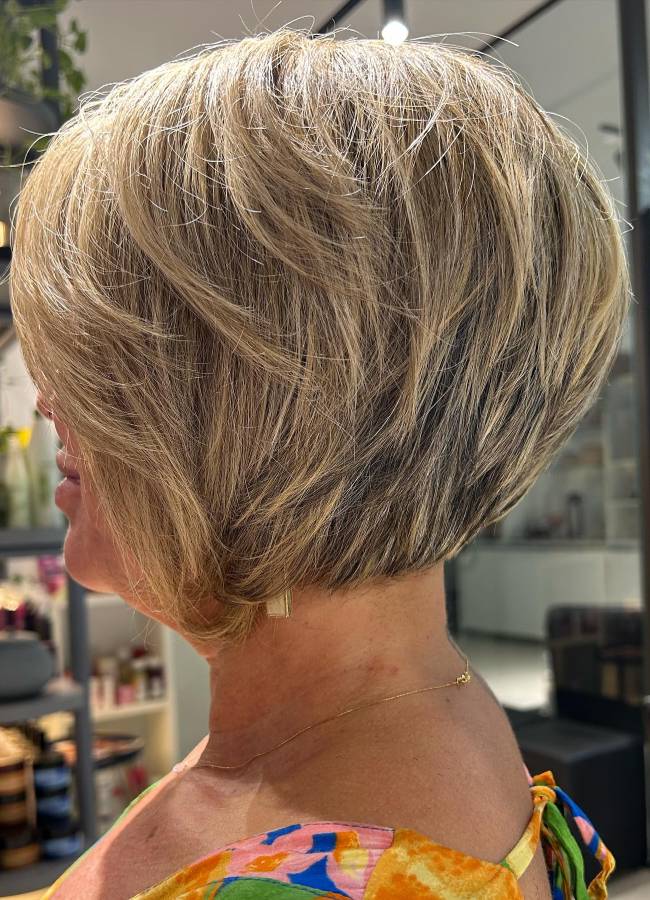
The design of a stacked bob is most visible from the back. The stylist cuts graduated layers that build volume at the nape, then the hair falls longer toward the chin. Fine wavy texture works with this technique, as the natural wave softens the stacked lines. Ask your stylist for: chin length stacked bob, no bangs. Blonde highlights emphasize the layered shape. This cut relies on precision, not daily styling, to look deliberate.
Textured Pixie Cut With Tousled Bangs
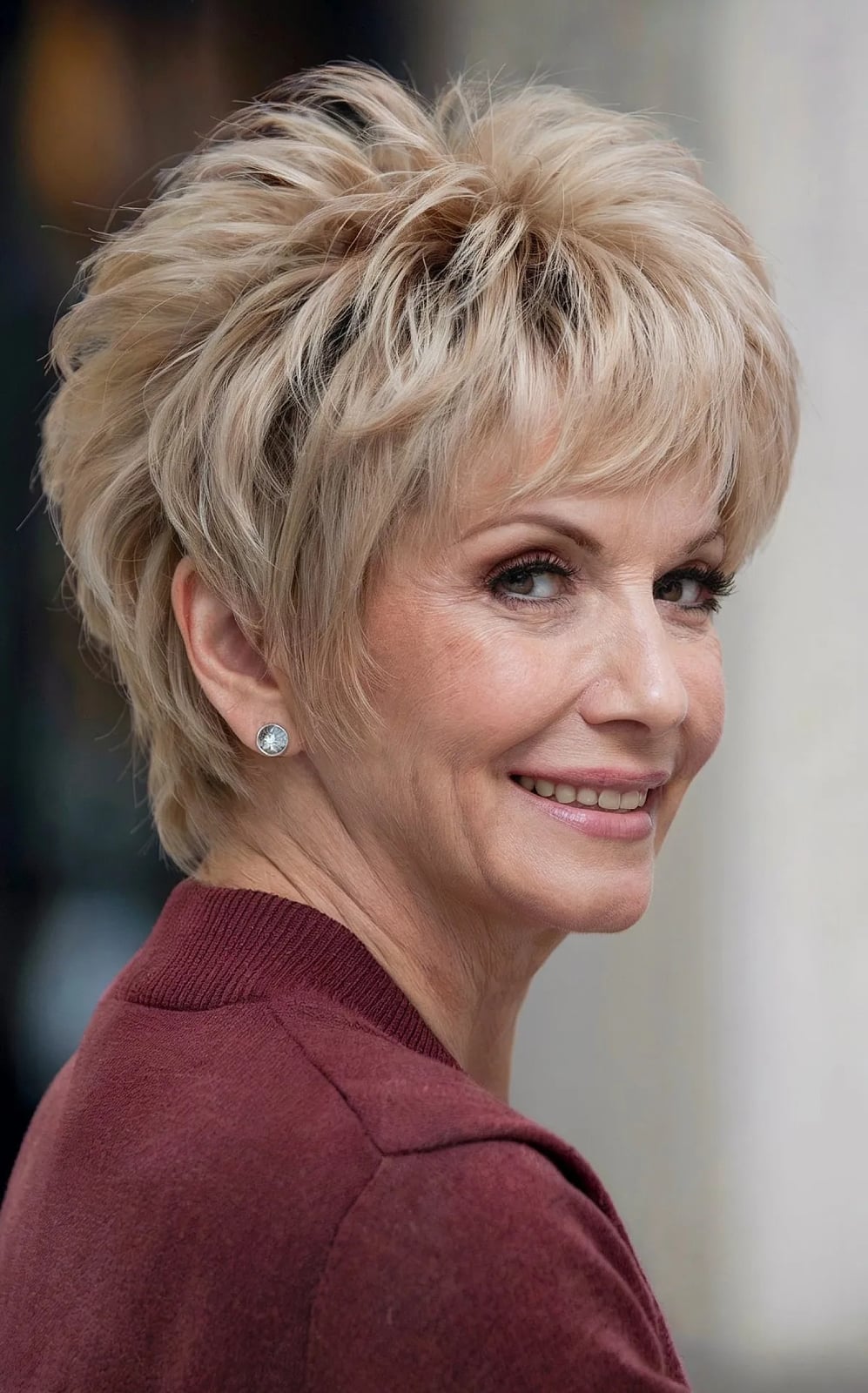
This ear-length pixie cut with choppy layers and a tousled fringe is built for movement, not precision. The blonde base with lighter highlights gives each layer its own visual weight, which helps the cut hold shape even on wavy hair.
Thick or wavy textures are the sweet spot here, the layers prevent the dreaded helmet effect. Fine hair can work too, as long as the density is medium to high. Ask your stylist for: textured pixie cut, choppy layers. The fringe frames the face without demanding a blow-dryer, just a texturizing product and a quick tousle.
Icy Blonde Pixie Bob With Wispy Bangs
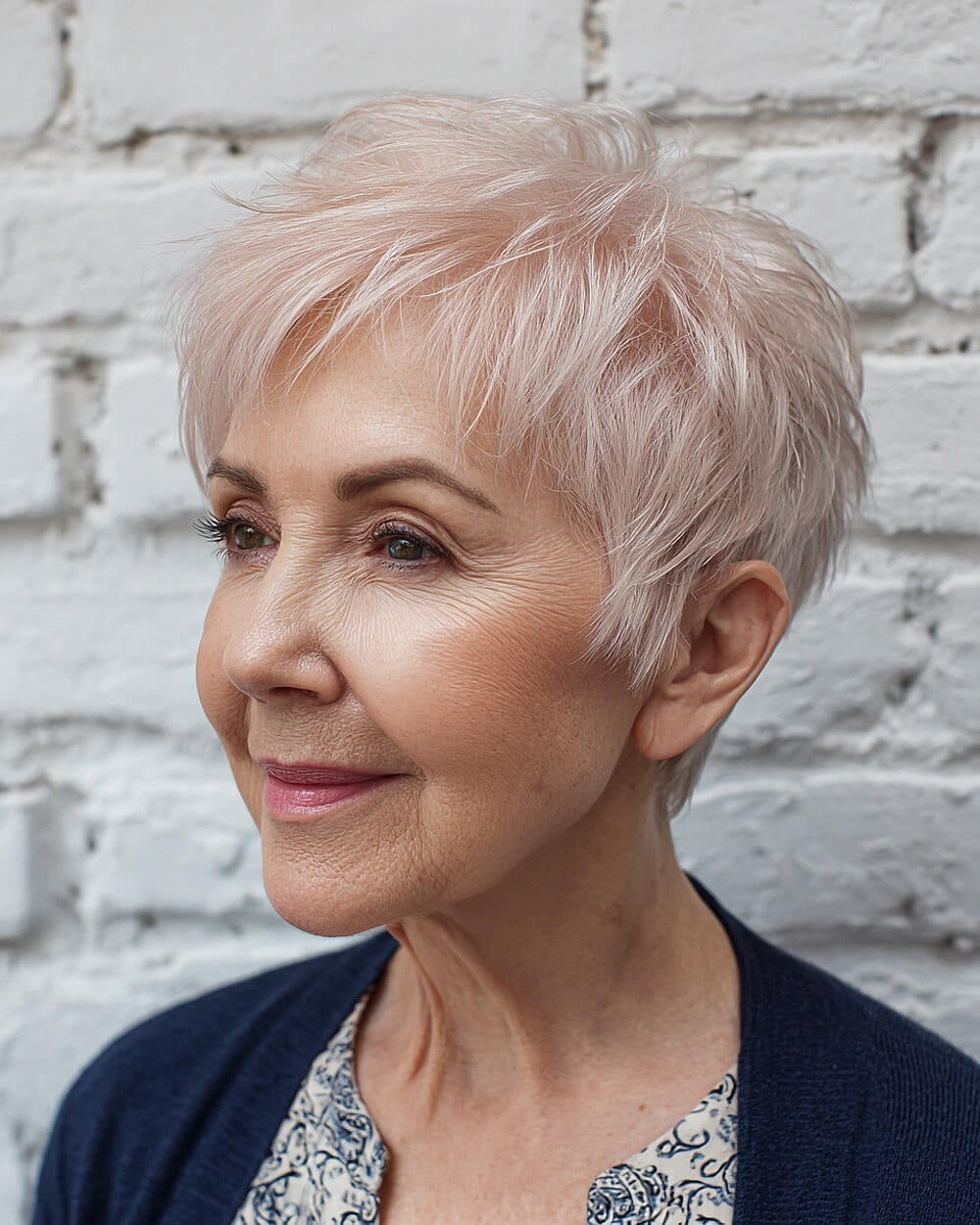
How much upkeep does an icy blonde pixie bob actually demand? More than a darker shade, but the cool silvery tone is a deliberate look. On fine wavy hair ending around the ear, the wispy side-swept bangs soften the overall shape. Ask your colorist for: ear length pixie bob, icy blonde. The drawback: icy blonde can lean brassy without a purple shampoo every four weeks. Trim rhythm is every four to six weeks to keep the pixie bob precise.
Pixie Bob With Blonde Highlights And Air-Dried Texture
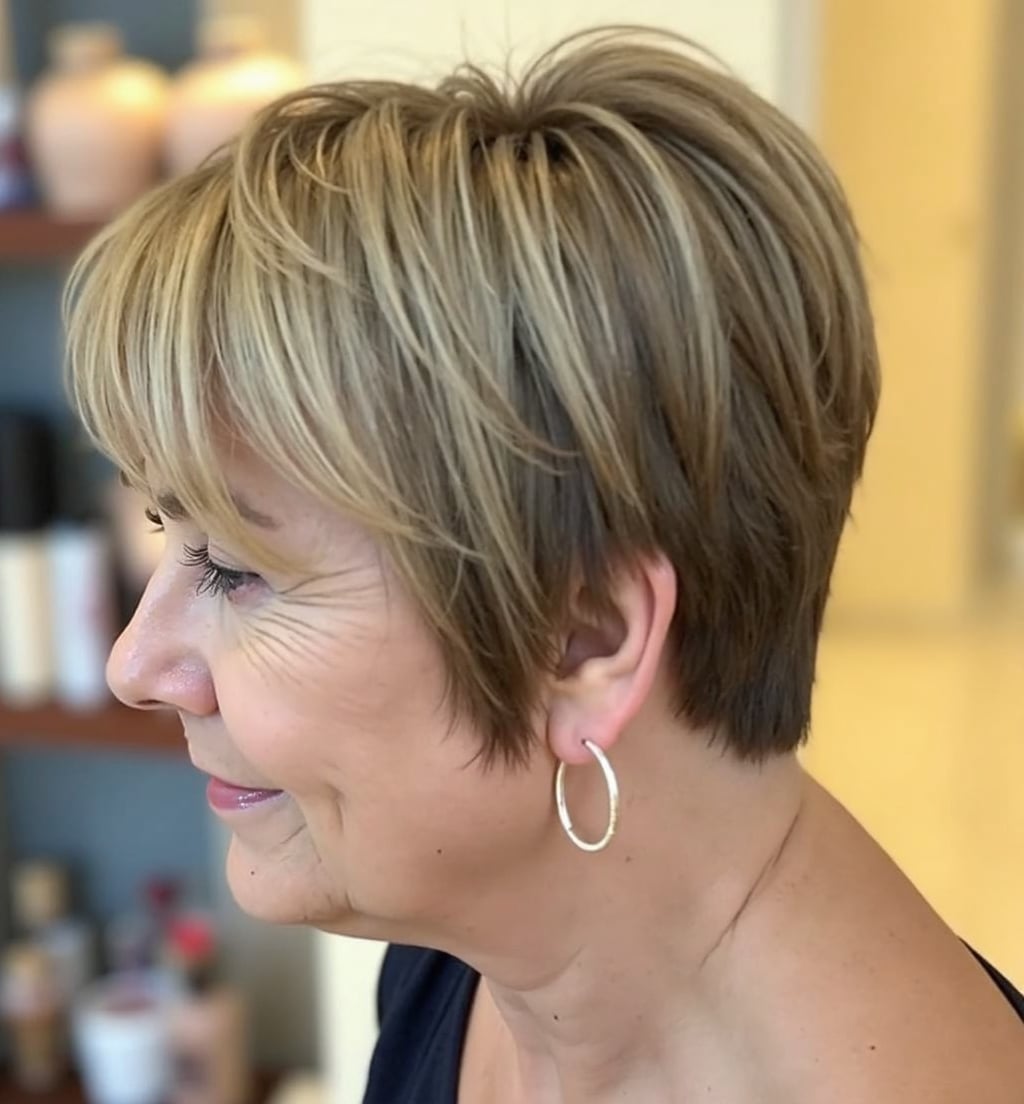
An ear-length pixie bob with side-swept bangs and a blonde base shot through with lighter highlights is designed to look like you did nothing at all. Fine straight hair that is ear length benefits from the wispy bangs, which add softness without requiring a round brush. Ask your stylist for: ear length pixie bob, side-swept bangs. Apply a texturizing cream to damp hair and let it air dry. A trim every four to six weeks keeps the shape from collapsing.
Textured Gray Pixie With Asymmetrical Bangs
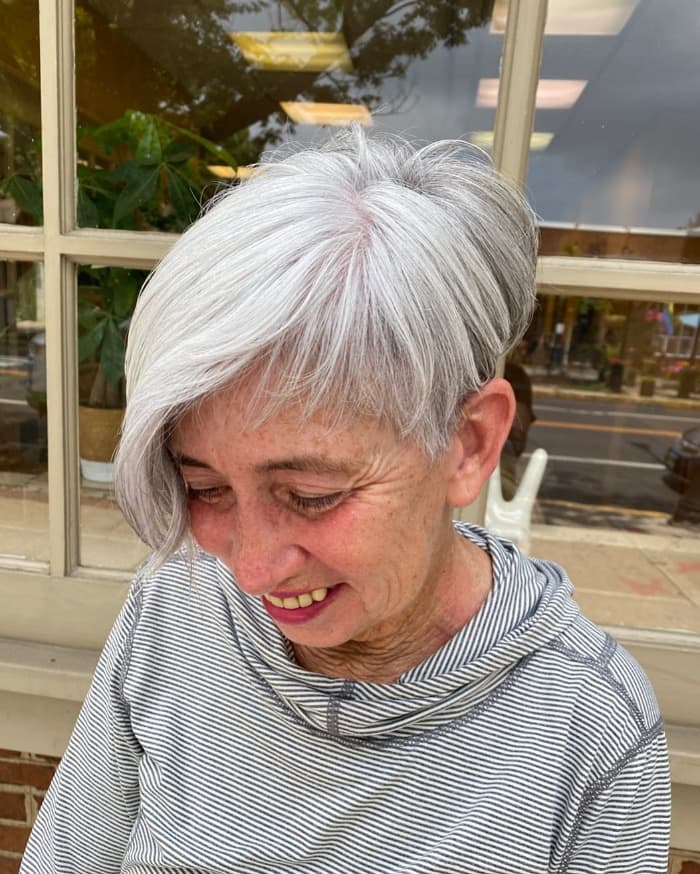
The most common mistake with an ear-length textured gray pixie is making the asymmetrical bangs too severe for fine hair. A deep side part and a sweep across the forehead prevent that harsh line. Ask your stylist for: ear length pixie, asymmetrical bangs. Work a texturizing paste through damp hair and style with your fingers. Plan on a trim every four to six weeks to maintain the uneven silhouette without letting the bangs get heavy.
Short Curly Silver Gray Pixie
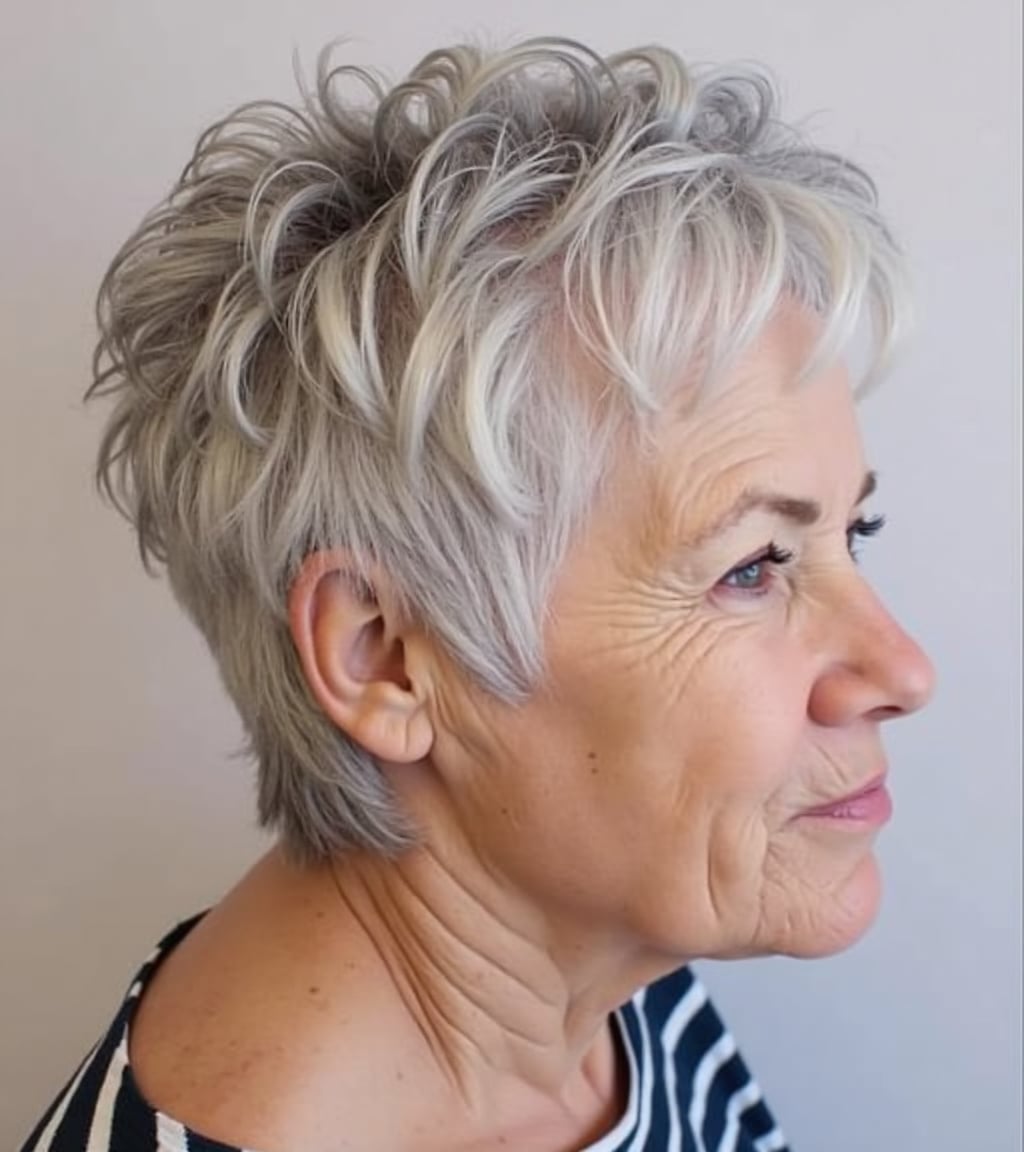
This ear-length short curly pixie is built from the crown down. Volume is concentrated at the top, with a short textured fringe that doesn’t fight the curl pattern. Fine curly hair gains lift without weight. Ask your stylist for: short curly pixie, silver gray color, textured fringe. Use a curl-defining cream on wet hair and scrunch. A trim every four to six weeks prevents the shape from turning into a puffball.
Choppy Shag Ear Length With Ash Blonde
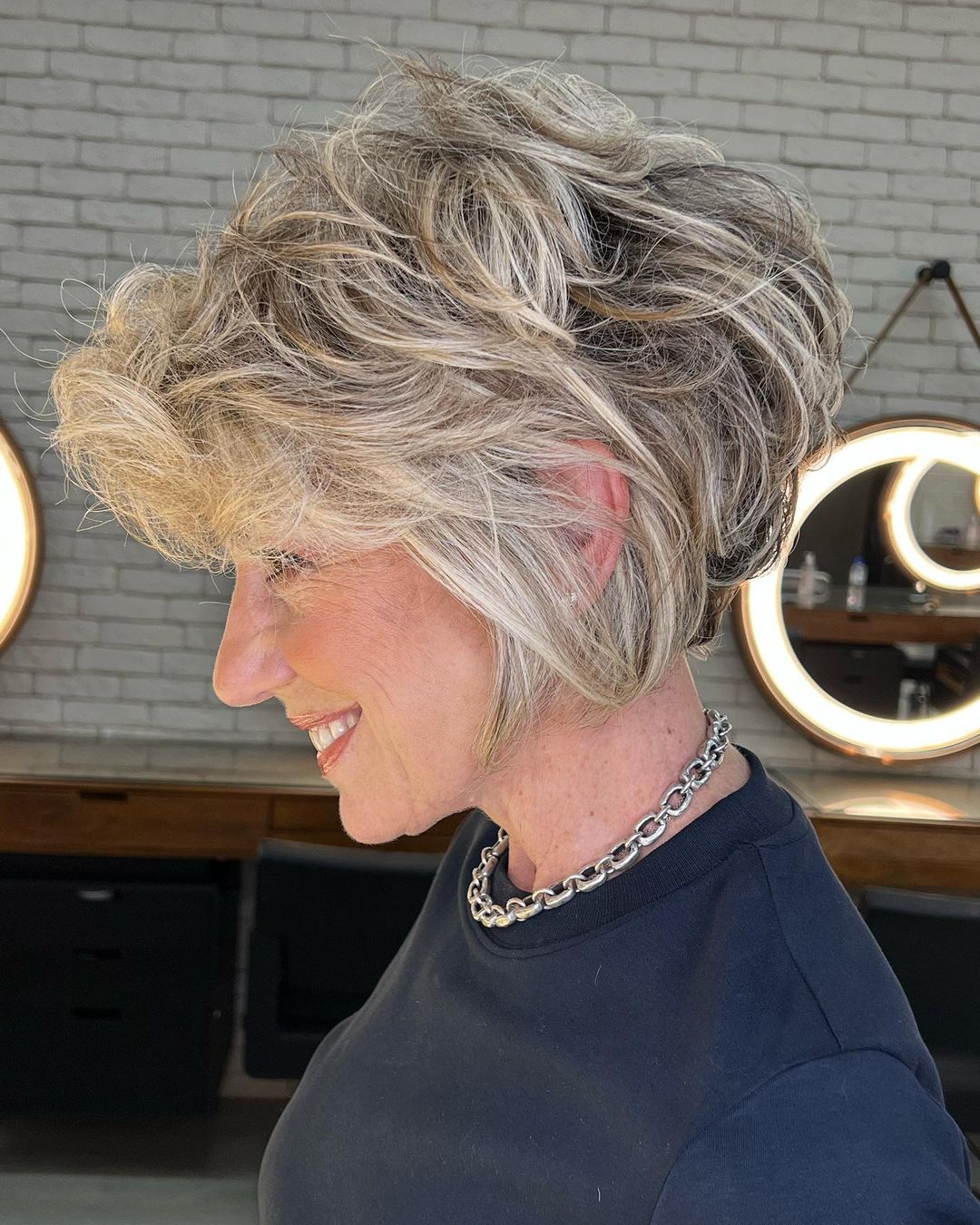
Thick wavy hair is the ideal candidate for an ear length choppy shag. The cut uses volume and texture to manage bulk, while the ash blonde base with darker roots and lighter highlights adds dimension. Ask your stylist for: ear length choppy shag, ash blonde color, choppy bangs. Apply a texturizing spray to damp hair and scrunch. A trim every four to six weeks keeps the choppy ends defined.
Short Layered Pixie With Side Fringe and светло-русый с бликами
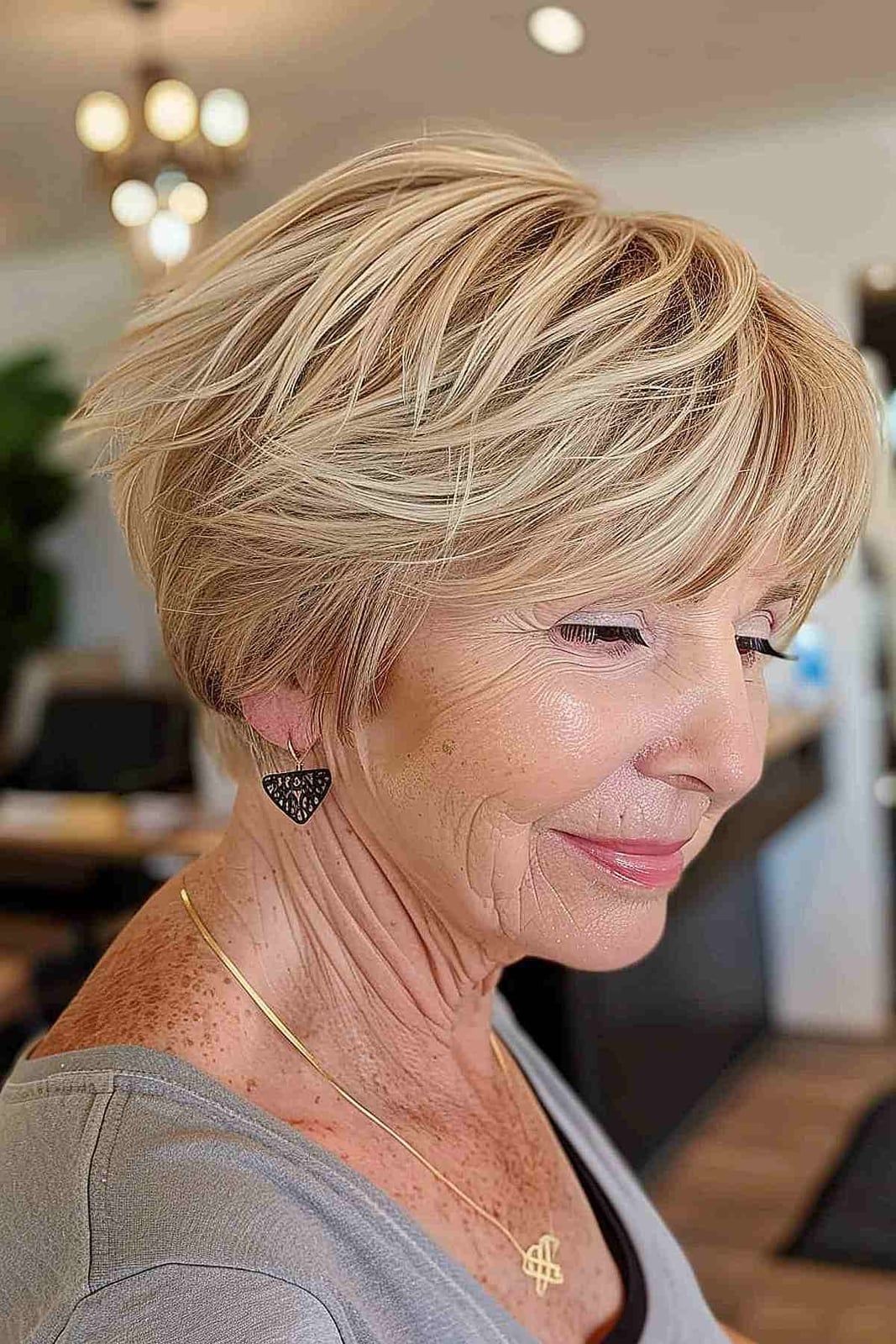
Ever had a pixie cut that looked great in the salon chair but turned into a stiff helmet by lunch the next day? That is the risk with thick, straight hair and a short layered pixie. The texture here is built from choppy internal layers that create lift at the crown, and the side fringe sweeps across the forehead to break up the density. The light blonde base with subtle highlights adds dimension so the layers look deliberate. Ask your stylist for: short layered pixie, light blonde, side fringe. The drawback is the daily styling commitment. A texturizing paste is essential, and a trim every four weeks keeps the shape in check.
Medium Length With Choppy Layered Ends
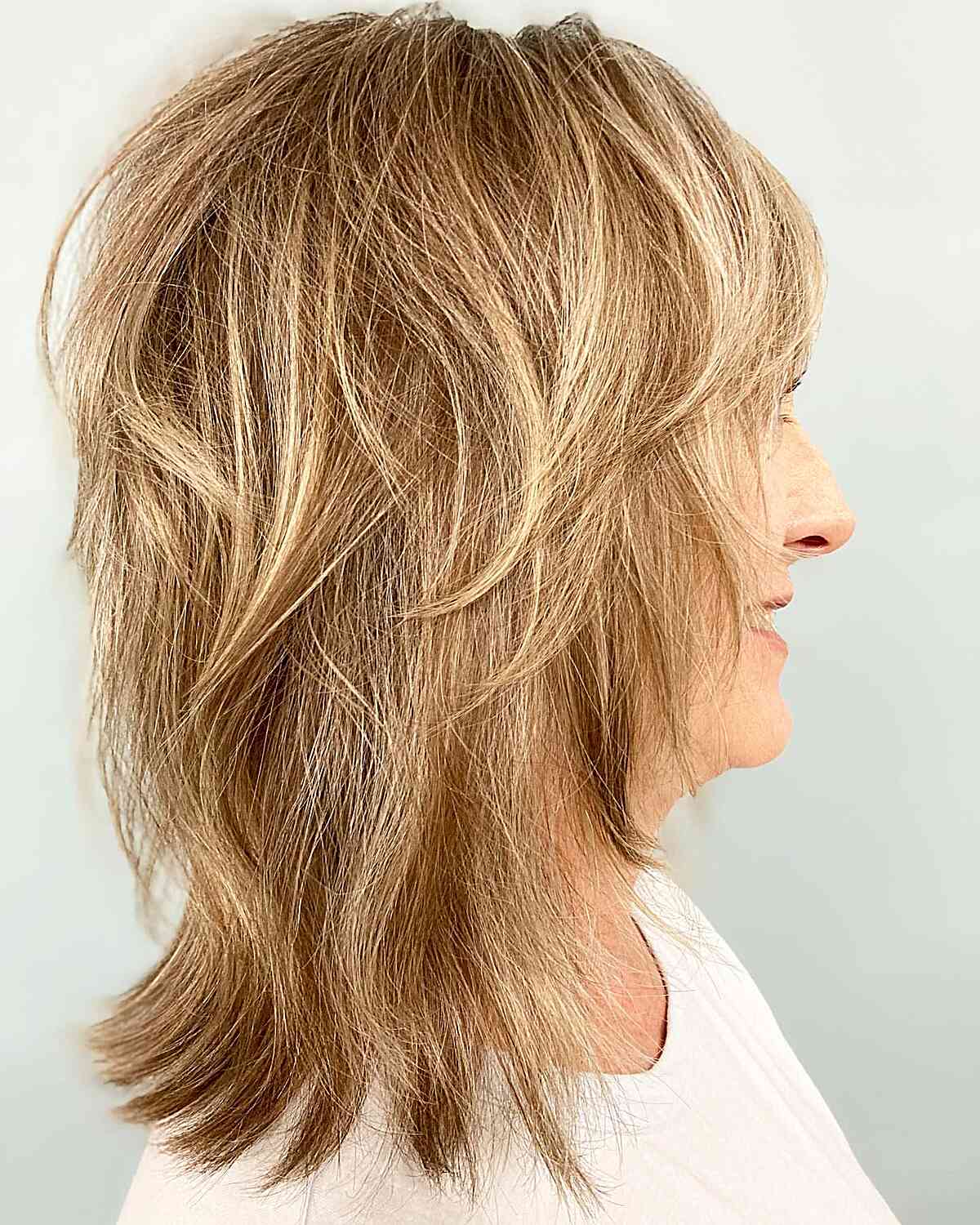
Ever asked for texture and got something that looks like you wrestled a hedgehog? This medium length cut with choppy layered ends avoids that trap. The shoulder length shape keeps enough weight for thick wavy hair, while the layered ends break up density without losing shape. No bangs here, just a side part that lets the layers fall forward. Ask your stylist for: medium length cut, choppy layers, light blonde. The tousled finish comes from a texturizing spray and a quick scrunch with your hands. Plan a trim every eight to ten weeks to keep the choppy ends sharp.
Wedge Bob With Stacked Shape
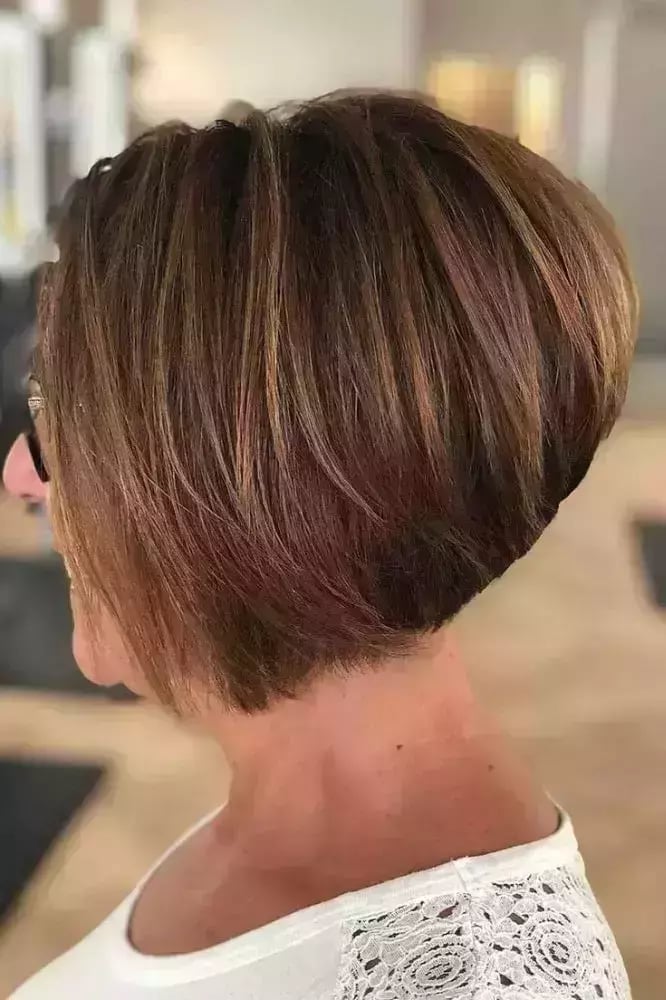
Thick straight hair holds this shape best. No bangs, which keeps the focus on that sculpted back. Ask your stylist for: neck length wedge bob, stacked layers, dark brown with auburn. The catch is maintenance. You need a trim every four to six weeks. Let it grow even two weeks past that and the stacked shape collapses.
Collarbone Layered Bob With Voluminous Waves, Close-Up Take
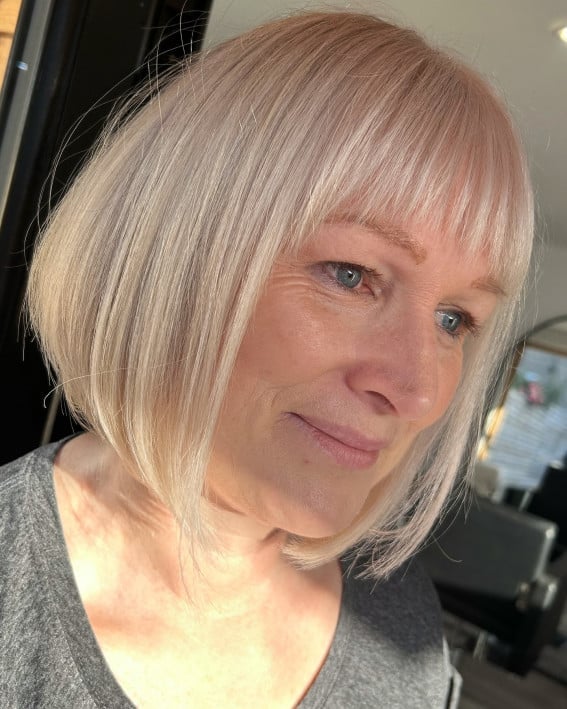
The design trick here is the blunt bangs hitting just above the brow, which gives fine straight hair a graphic edge without looking severe. The chin length bob is one solid line underneath, no layers to fray the silhouette. The smooth finish comes from a flat brush and a heat protectant. Ask your stylist for: chin length blunt bob, straight blunt bangs, light blonde. The front view makes the bangs the anchor of the whole cut. A toning appointment every four to six weeks keeps the uniform light blonde from turning brassy.
Final Thoughts
For finer hair, prioritize cuts with layers that create movement and volume, like a textured pixie or a layered bob with face-framing elements. Avoid blunt, heavy cuts that can make fine hair appear thinner.
- Trim bobs and blunt cuts every 6-8 weeks to maintain shape.
- Pixie cuts may need trims every 4-6 weeks to keep their structure.
- Refresh color with toning glosses every 4-6 weeks for vibrancy.
- Use volumizing products at the roots for fine or thinning hair.
- Protect hair from heat styling with a thermal spray.
Age is just a number; style is eternal.