Hiking hairstyles have to earn their keep: they need to hold through wind, sweat, and a hat crammed on at the summit. The current shift favors styles that look intentional without trying, like lived-in color and soft face-framing layers that move with you rather than fighting the terrain.
Whether your hair is fine and slips out of a ponytail by mile two or thick enough to weigh down a single braid, this collection of 24 hiking hairstyles has a solution. You will find options from five-minute air-dried waves to salon-grade Dutch braids, all chosen for how well they stay put on the trail.
Long Box Braids With Blonde Tips
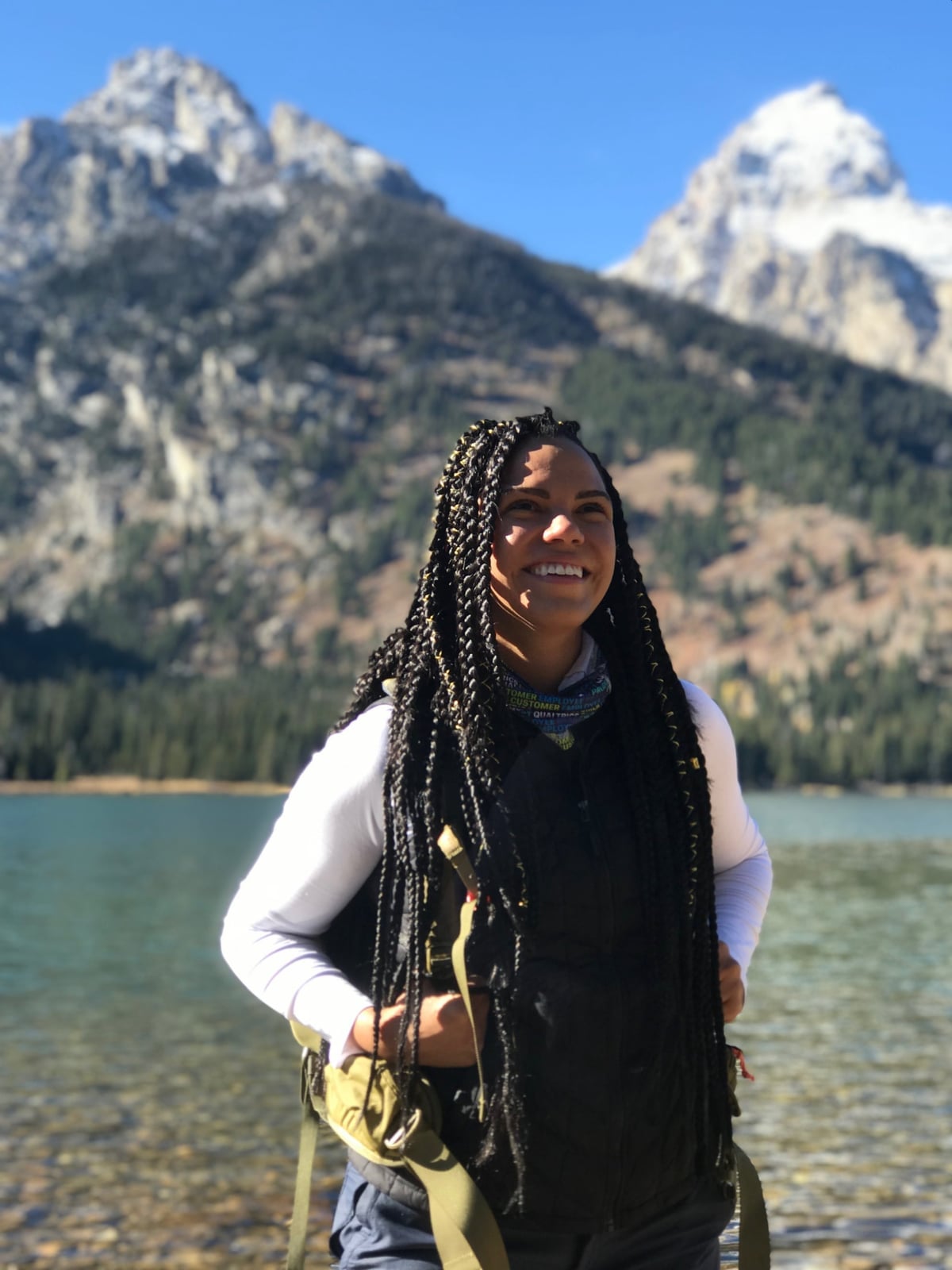
The blonde tips contrast with the black braid, which is exactly the point. These mid-back box braids on thick, coily black hair are a hiking hairstyle that works with your texture, not against it. The braids stay put on windy summits, and the middle parting keeps the style symmetrical. Ask your stylist for: mid-back box braids with blonde tips. This suits anyone with thick, coily hair, regardless of starting length, since the braids do the length work. At night, a silk scarf keeps the edges smooth and prevents friction. Salon upkeep runs every 6 to 8 weeks to refresh the parting and tighten any loose roots.
What makes this style hold is the tension. Each braid is anchored at the scalp, so the whole installation stays put through sweat and scrambling. The blonde tips add a low-maintenance contrast that grows out without a harsh line. For hikers who want to skip daily styling, this is the most honest answer.
Mid-Back Loose Double Braids With Curtain Bangs
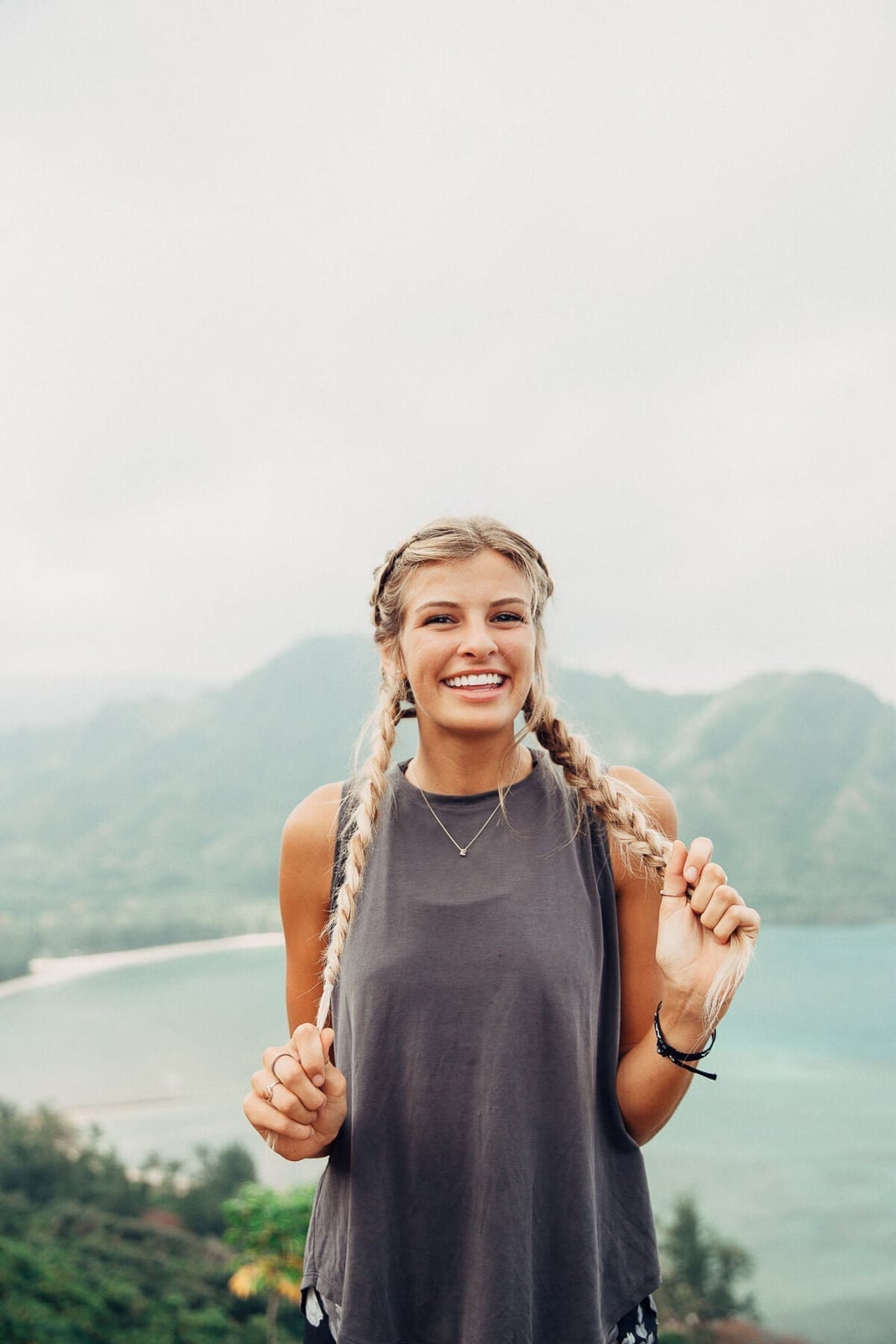
How do you get braids that look relaxed instead of severe? Start with the right cut. These mid-back loose double braids begin with thick, wavy blonde hair cut in layers, so the braids have natural movement and don’t lay flat. The curtain bangs and middle parting frame the face without needing constant tucking. Ask your stylist for: mid-back loose double braids, curtain bangs. This suits thick, wavy hair of mid-back length; the curtain bangs soften square and oval faces. For a summer hike, leave a few face-framing pieces out of the braids for a relaxed look. Bangs need a trim every 4 to 6 weeks to keep their shape.
For the trail, this style is pure practicality. The braids keep the length contained, while the bangs stay out of your eyes with a quick tuck behind the ears. It’s a DIY style that looks like you planned it, which is the best kind of accident.
Collarbone High Bun With Straight Texture
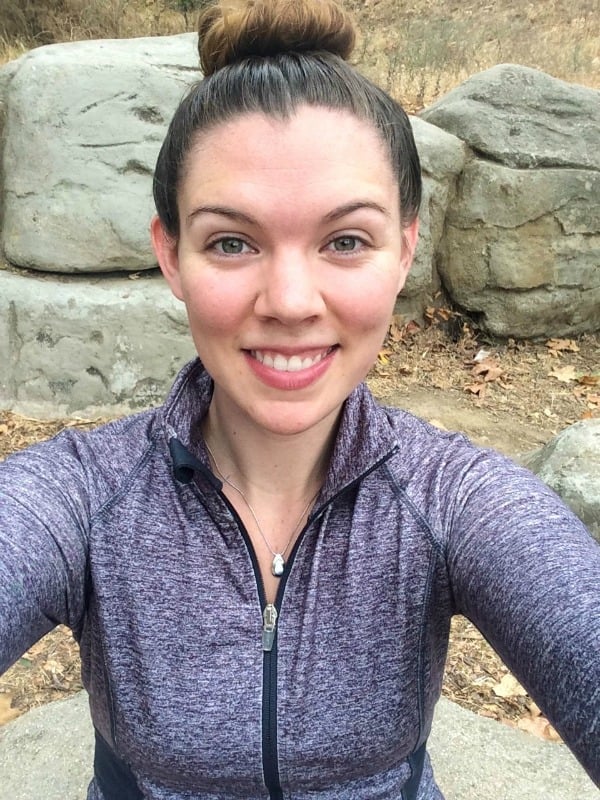
A high bun is the oldest trick for keeping hair off your neck, and this collarbone-length version proves why. The thick, straight dark brown hair is pulled up into a neat bun with a middle parting, exposing the jawline and keeping every strand away from your face. Ask your stylist for: collarbone length high bun, middle part. It suits thick, straight hair of collarbone length or longer, and most face shapes can wear it. The hold depends on your pins: a strong hair tie at the base, then bobby pins crossed over the bun, keeps it locked for a full day of climbing. This is a DIY style you can do in five minutes. The upkeep is minimal, just a trim every 8 weeks to keep the ends blunt enough to stay tucked.
Collarbone French Braid Detail
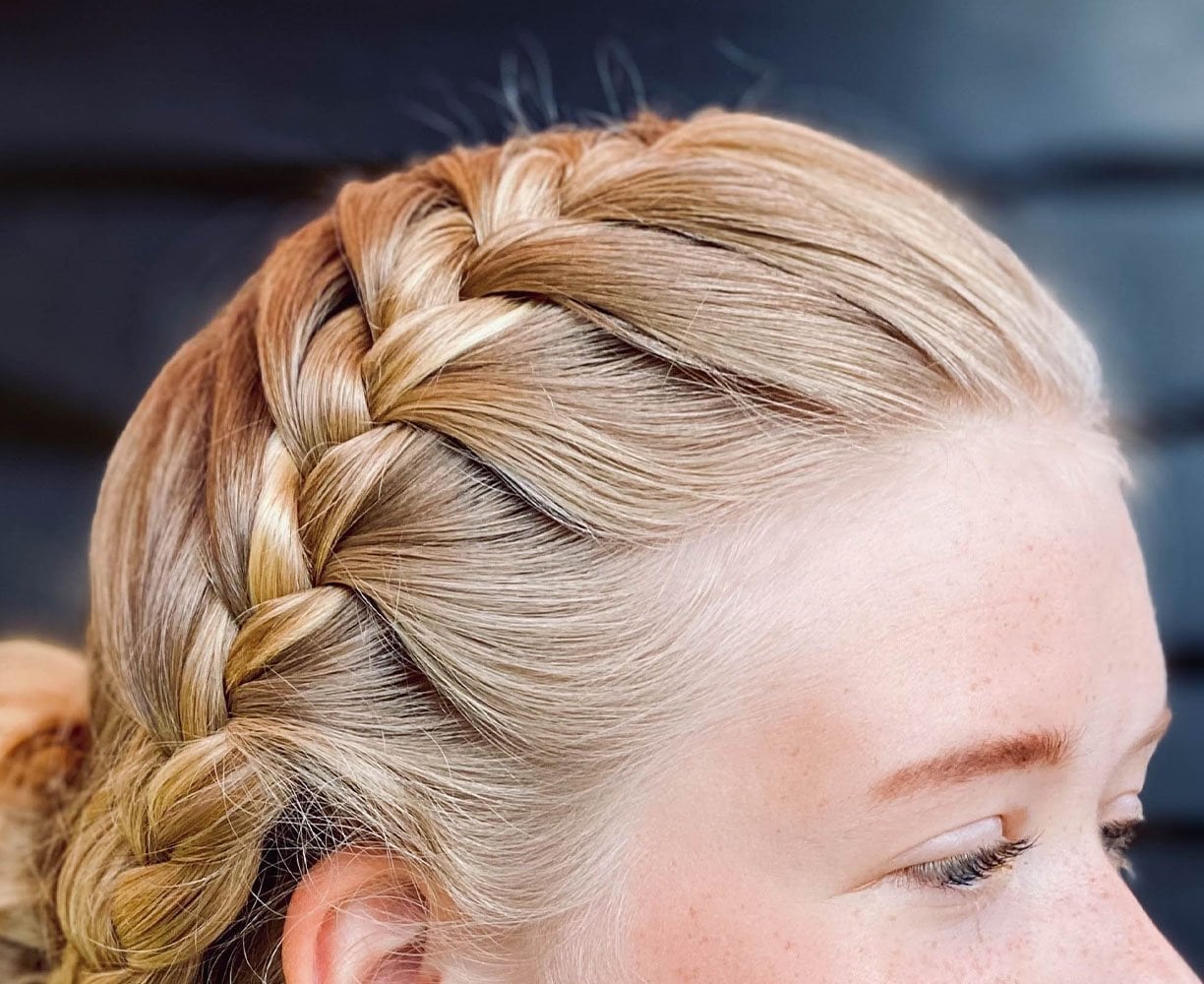
The French braid along the crown is a technical feat that reads as understated. Here, collarbone-length blonde hair with highlights is woven into a neat braid that follows the curve of the head, while the rest falls in subtle waves. Ask your stylist for: collarbone length French braid along crown. It suits thick, wavy hair of collarbone length; finer hair can hold it with a bit of texture spray at the roots. The braid is tight enough to stay put through a strenuous hike, but the loose waves below soften the whole effect. The honest drawback is the time: this is a salon-level technique, so it’s not a five-minute morning style. A trim every 8 to 10 weeks keeps the collarbone length clean and the braid looking crisp.
Shoulder Length Neat Double Braids
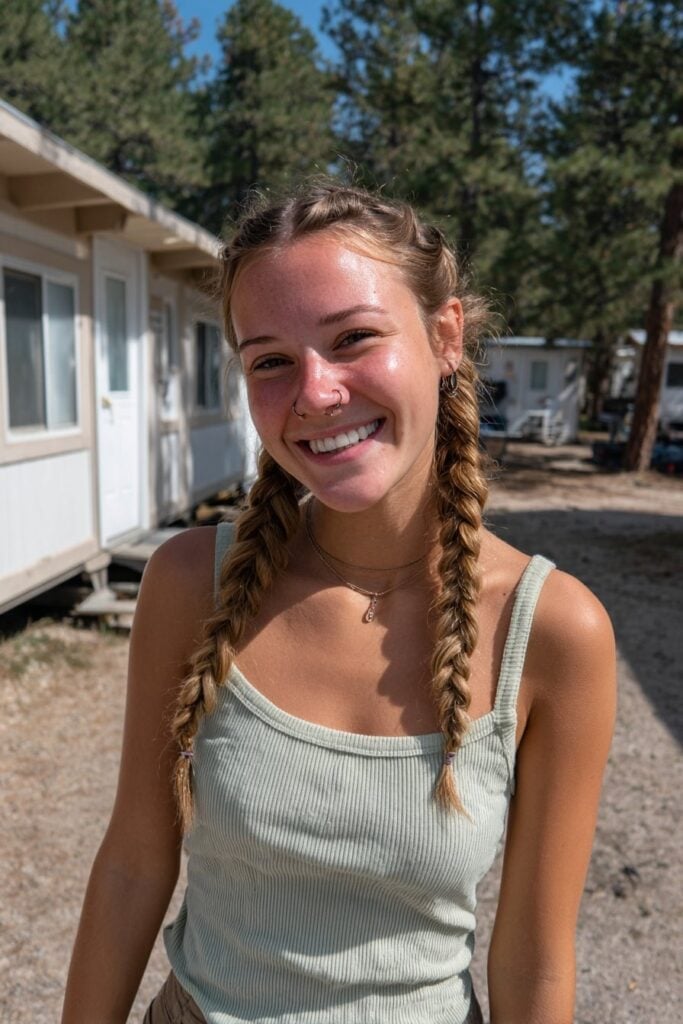
These shoulder-length neat double braids are the answer for fine, straight blonde hair that won’t stay in a ponytail. The middle parting and tight braids keep everything tidy, and the shorter length means less weight to pull them loose. Ask your stylist for: shoulder length neat double braids. This suits fine, straight hair of shoulder length; the neat braids give a polished look without much effort. Use a fine-tooth comb to part the hair precisely, then braid snugly to the ends. A stitch of hairspray on the tips holds them from fraying. The upkeep is simple: a trim every 6 to 8 weeks keeps the ends from splitting, and daily re-braiding takes under ten minutes.
Shoulder Length Ponytail With Baseball Cap
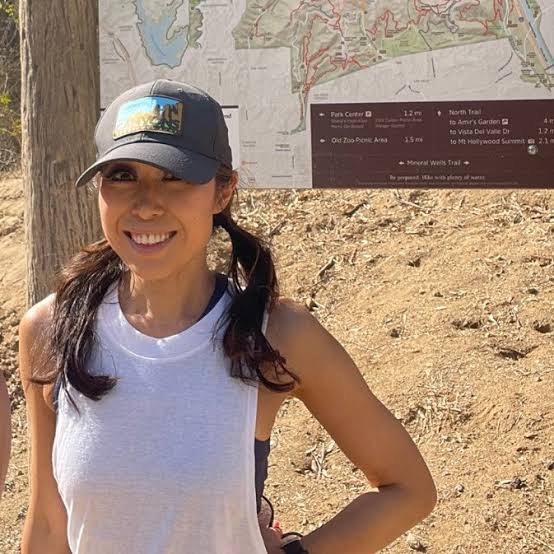
Can a ponytail under a baseball cap actually look good? Yes, if the ponytail sits low and the hair has some wave to it. The shoulder-length, thick, wavy dark brown hair is pulled back in a low ponytail. The cap handles sun protection and keeps flyaways in check. Ask your stylist for: shoulder length layers, low ponytail. Pull out a few face-framing pieces before putting the cap on, and tighten the ponytail elastic every few weeks to maintain the hold. This is a solid hiking look for warmer months.
Mid-Back Ponytail With Loose Waves
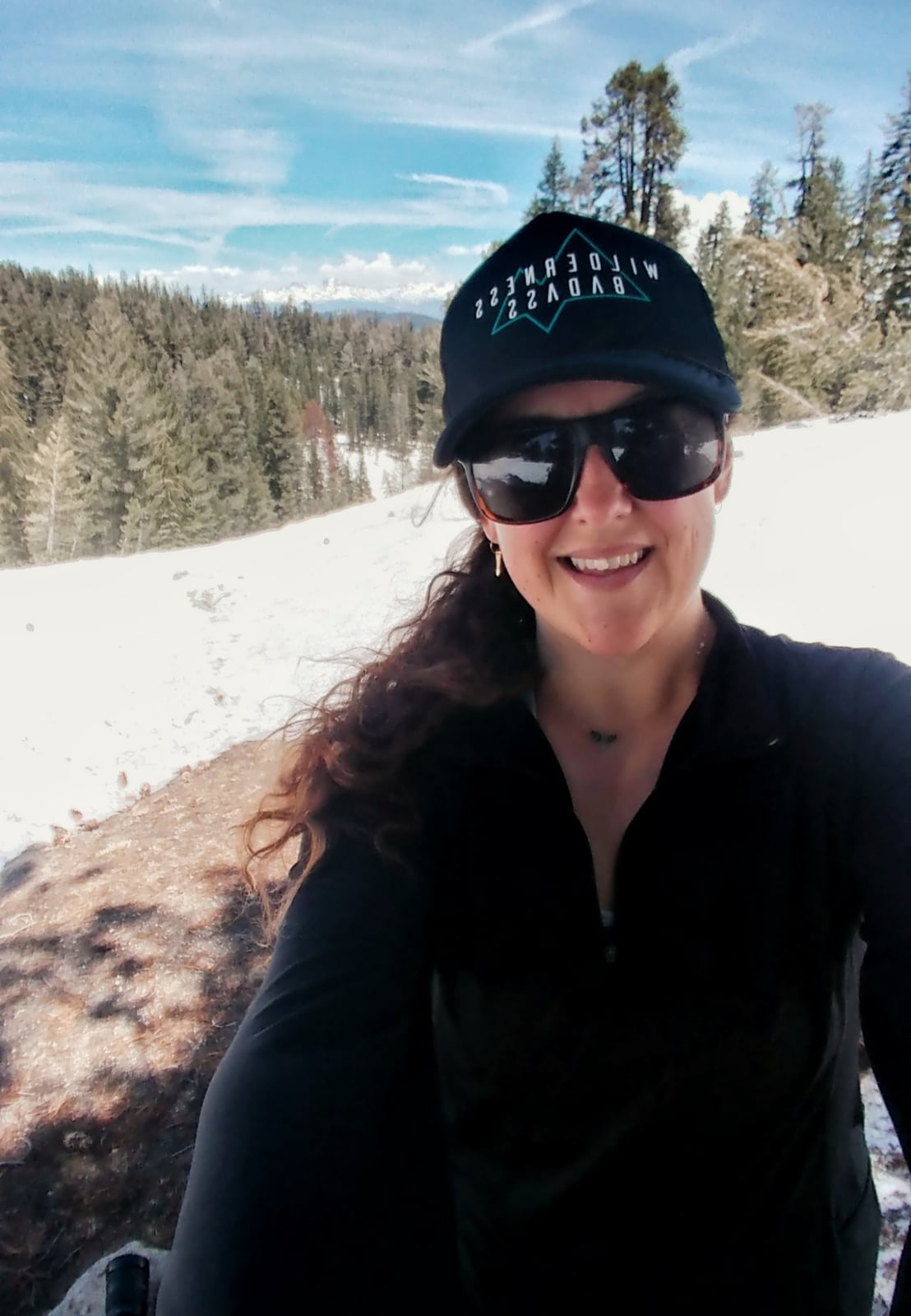
Section the hair before securing the ponytail, then wave the loose strands with a large barrel iron or let them dry naturally if the texture cooperates. Adding a texturizing spray at the ends adds grip so the ponytail doesn’t slide down. The whole thing takes under five minutes, making it a fast hiking hairstyle to execute before you head out the door.
Mid-Back Air Dried Loose Waves
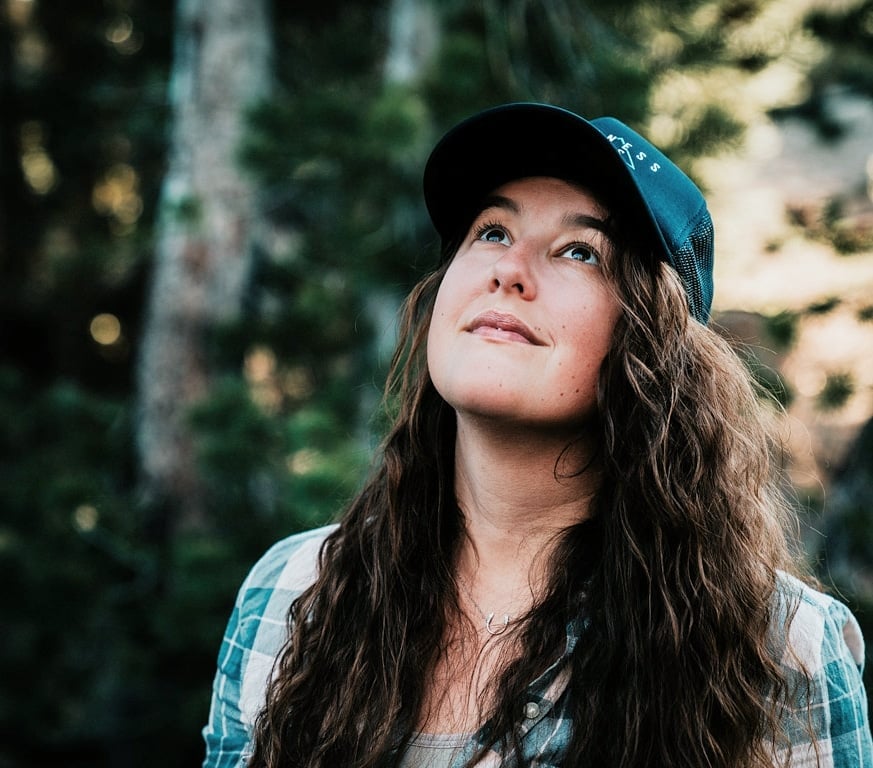
Air-dried hair is the baseline for most hikers, but it can look unfinished if the texture is flat. Here, the thick, wavy medium brown hair is left to dry naturally, and the waves fall loosely to mid-back. The key is starting with damp hair and a styling cream, then letting gravity pull the waves into shape. Ask your stylist for: mid-back long layers, air-dried wave cut.
No heat is required, which makes this a simple choice for an early morning trail start. The baseball cap in the scene is optional, but it reinforces the practical nature of the style. A trim every eight weeks keeps the ends from splitting, but the waves themselves need very little maintenance beyond the initial air-dry. For anyone who wants to wake up and go, this is the hiking hairstyle.
Mid-Back Air Dried Straight Hair With Headband
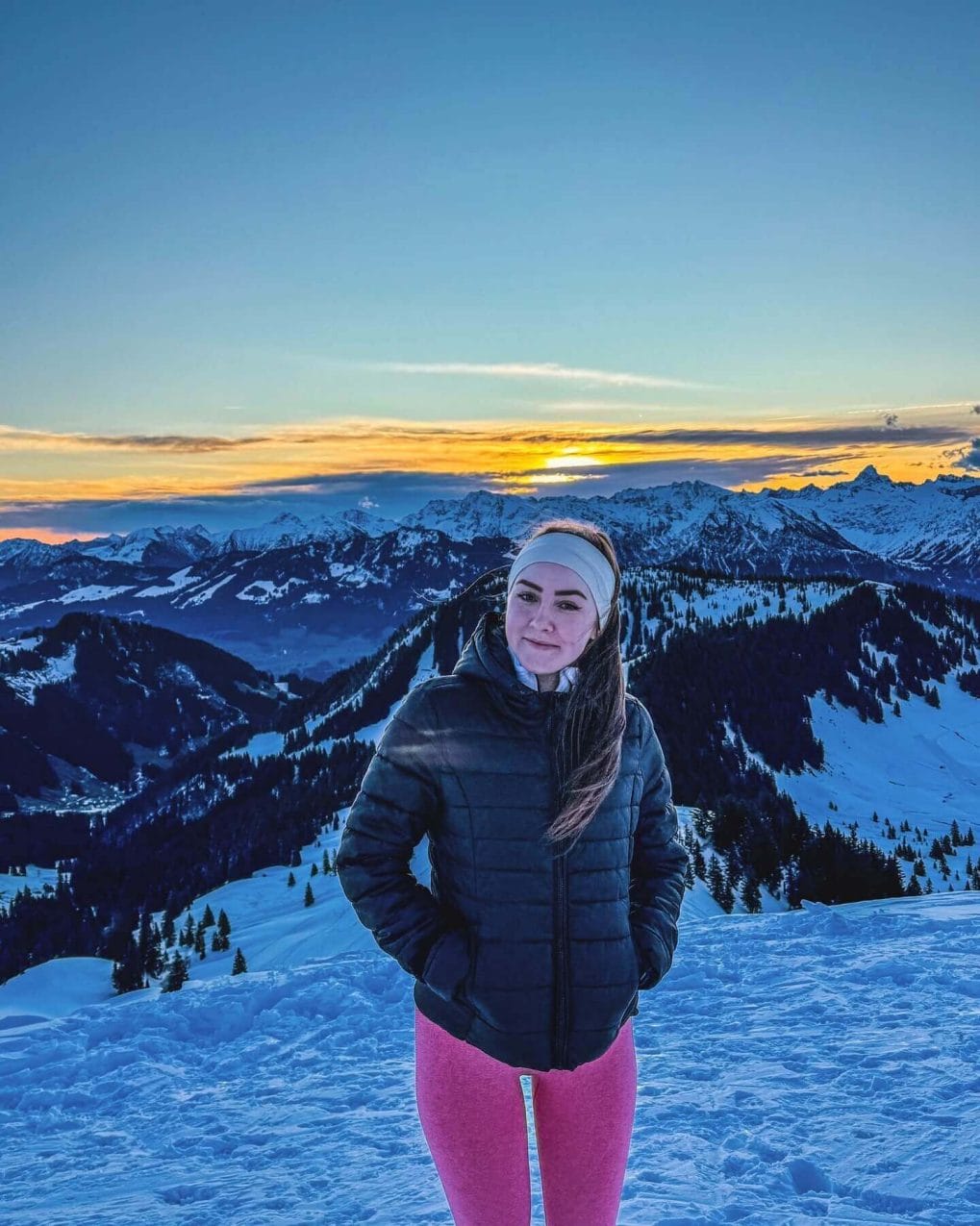
Straight hair that is air-dried can look flat, but a headband changes the equation. The thick, dark brown, straight hair falls to mid-back, and the white headband holds the hair off the face. This style accepts the natural texture without fighting it. Ask your stylist for: mid-back layers, air-dried finish. A headband is a quick fix for managing hair during a hike, and a trim every eight to ten weeks keeps the ends healthy. The hold comes from the headband, not product, so it lasts as long as the headband stays put.
Mid-Back Single Braid With Headband
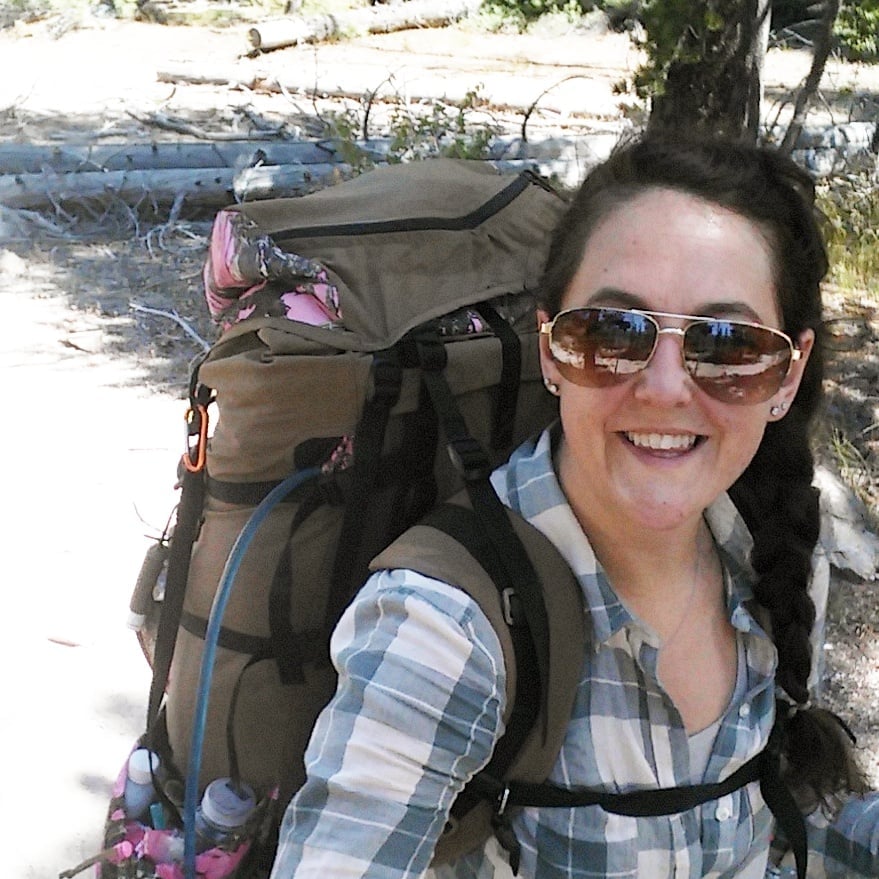
How do you keep thick, wavy hair contained on a long hike? A single braid with a headband is the answer. The mid-back, wavy, dark brown hair is braided down the back, and a patterned headband adds extra hold across the forehead. The braid keeps the hair from tangling, and the headband catches any stray pieces before they reach the face. Ask your stylist for: mid-back single braid, headband placement. This combination works well for cooler seasons when a hat feels too heavy, and the braid stays intact through a full day on the trail. Trim every six to eight weeks to maintain the length.
Mid-Back Braid With Headband, Dark Brown
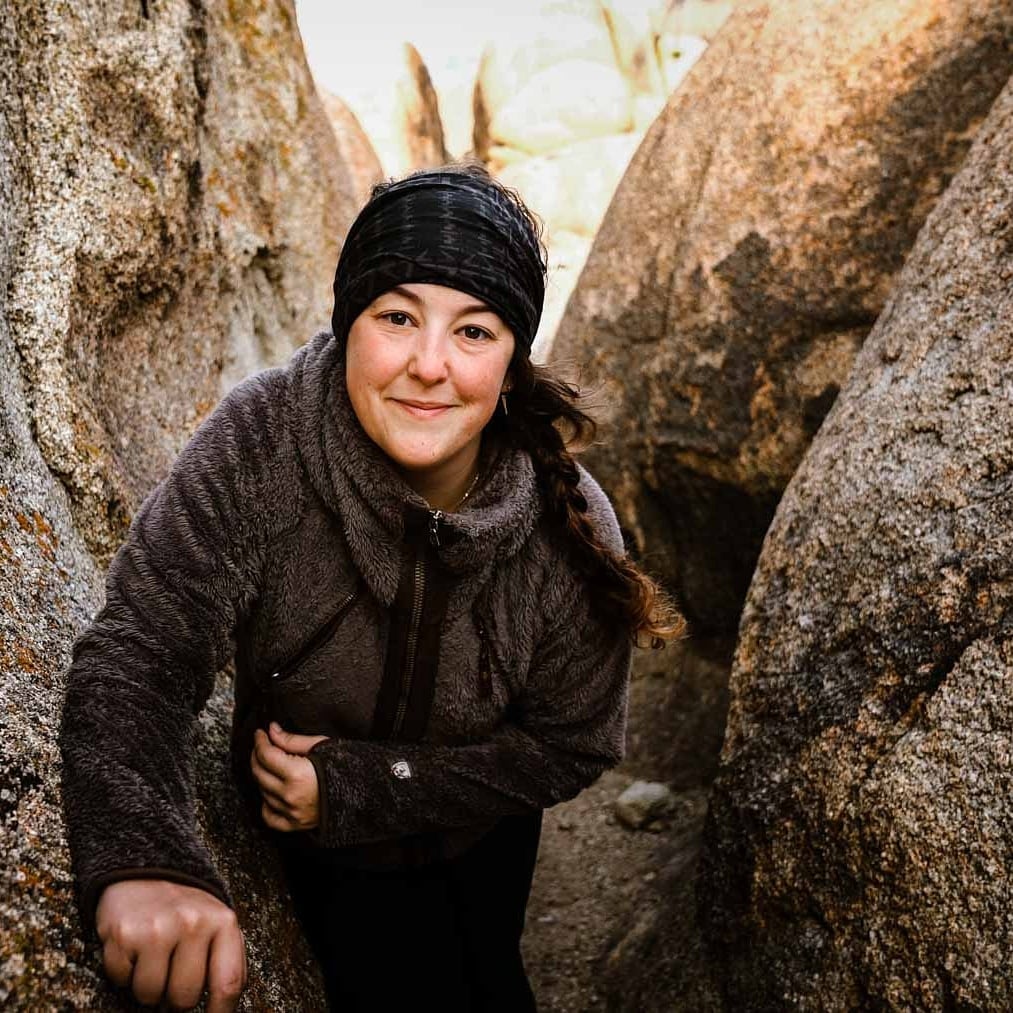
The braid and headband combo is a two-for-one deal: the braid keeps the length controlled while the headband pins back the shorter pieces that would otherwise drift into your eyes on a breezy ridge. With thick, wavy dark brown hair at mid-back length, a single braid holds well and stays put, and the middle parting keeps the front tidy without any clips digging into your scalp. You can master this style in a few minutes, and it suits anyone who wants their hair off their face but not scraped back so tightly that it pulls.
Ask your stylist for: mid-back braid with a patterned headband. The headband also catches flyaways that a braid alone can’t wrangle, so you get a cleaner finish with less product. On thick hair, the braid stays secure for a full day of activity, and a trim every six to eight weeks keeps the ends from looking ragged by the time you reach the trailhead.
Collarbone Ponytail With Athletic Headband
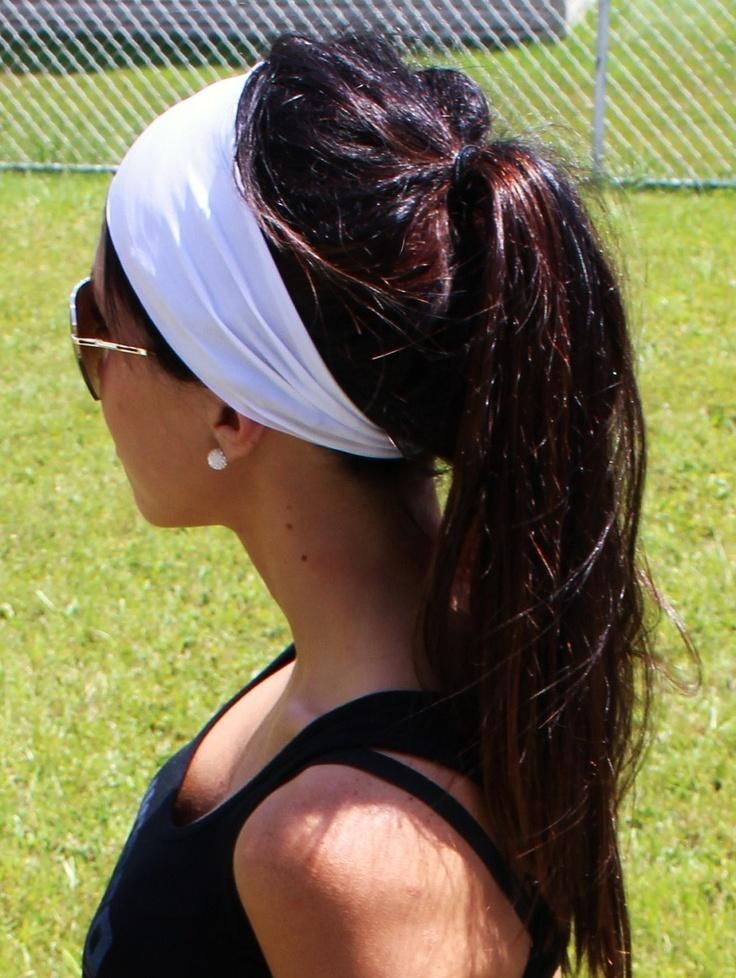
A high ponytail provides the hold, but the wide white athletic headband is what makes this style trail-ready. The band tucks in every fine hair around your temples, so you get a clean, secure hold that a ponytail alone can’t promise. It works best on thick, wavy hair at collarbone length, where the ponytail stays manageable and the band sits flat without slipping. Ask your stylist for: collarbone length high ponytail with athletic headband. The one real drawback is that a very wide band can feel warm on a hot climb, though it does keep sweat from dripping into your eyes, which is a fair trade on a sunny switchback.
Shoulder Length Side Parted Braids
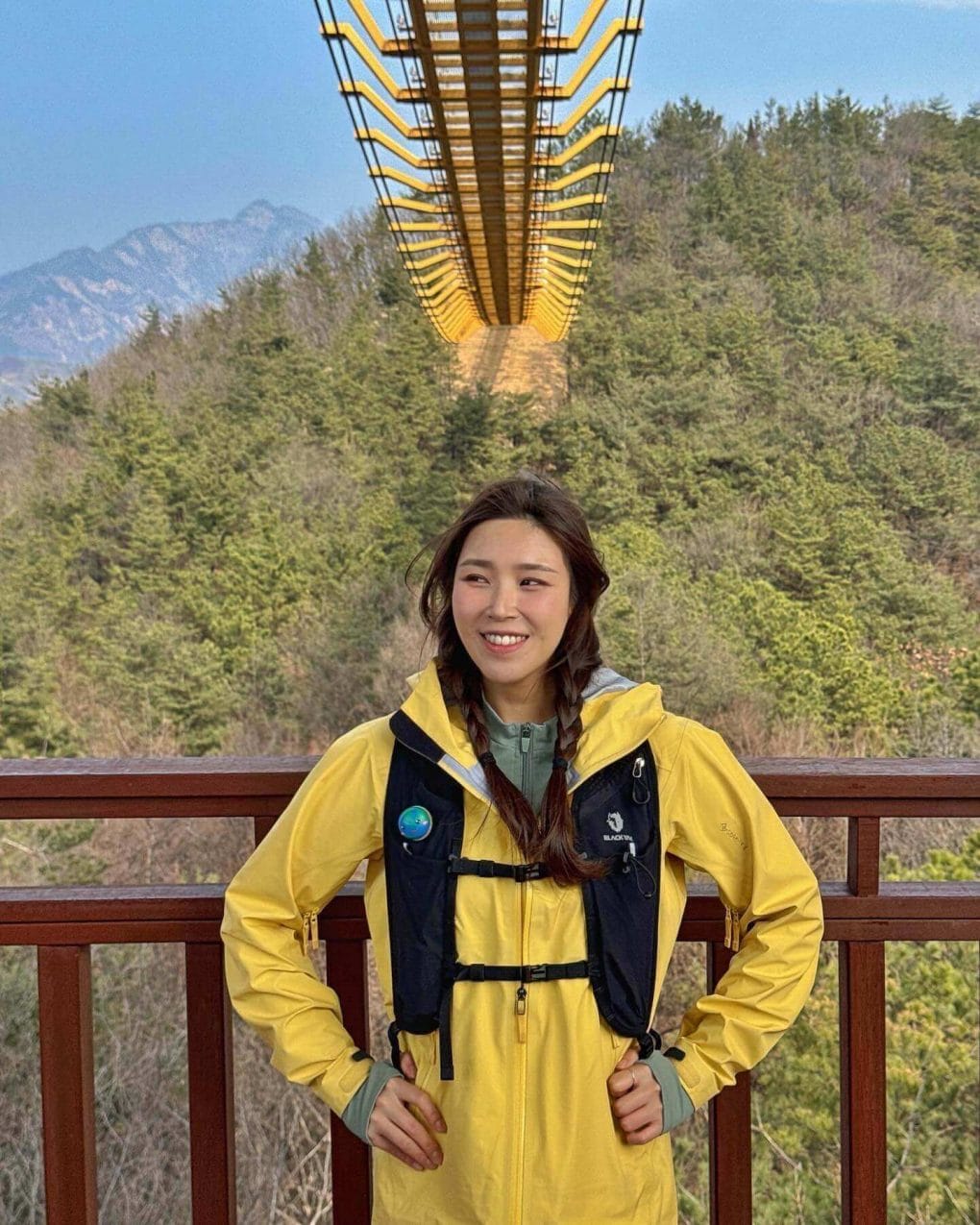
Two neat braids beat a single one when you want symmetry and zero hair in your face on a windy summit. The side parting adds a bit of lift at the crown, which is a bonus on thick, straight hair that tends to lie flat, and the shoulder length means the braids stay light enough not to bounce against your neck with every step. Ask your stylist for: shoulder length two neat braids, side part. Keeping them even is the main upkeep, and a trim every six to eight weeks keeps the ends blunt and tidy so the braids don’t look frayed by the end of the day.
Mid-Back Dutch Braids With Loose Strands

Dutch braids sit closer to the scalp than regular braids, which makes them a solid choice for thick, wavy hair that tends to frizz with movement. The raised weave holds the length firmly, and the loose face-framing strands soften the whole thing so it doesn’t look like you’re headed to a drill practice. On dark blonde balayage, the braids catch the light nicely, and the mid-back length gives you enough hair to work with without the braids turning into a heavy rope.
Ask your stylist for: mid-back dutch braids with loose face-framing strands. This style genuinely suits hair with some natural wave, because the texture helps the braids grip and stay put. Pull out the strands gently after braiding for a more lived-in feel, and a trim every six to eight weeks keeps the ends from splitting. For a full day on the trail, these braids hold their shape from first switchback to last.
Mid-Back High Ponytail With Clip
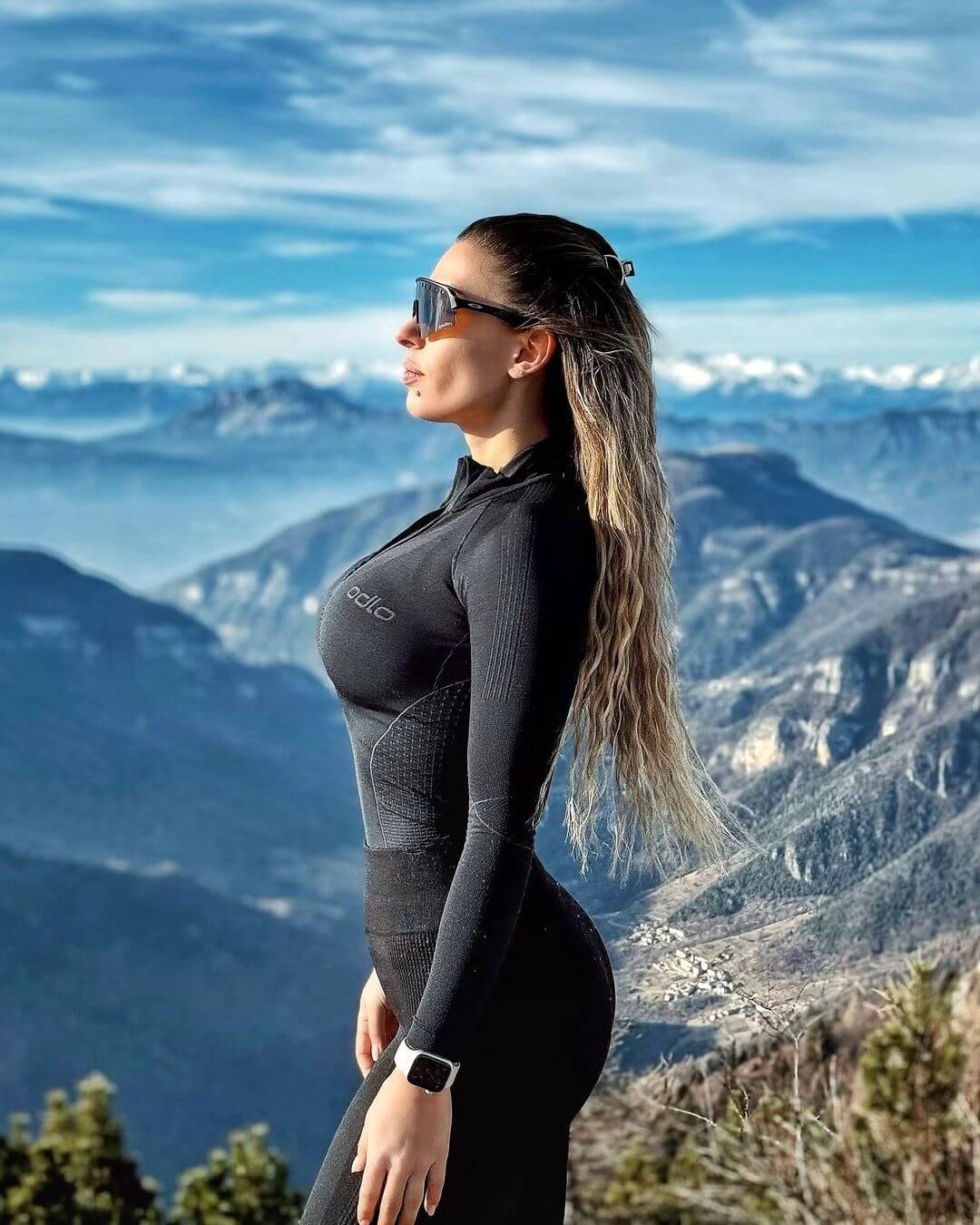
How do you keep a ponytail from sagging halfway up a mountain? A high placement plus a strong clip does the job, and it lets the rest of your hair move freely. With thick, wavy blonde hair at mid-back length, the ponytail has enough weight to swing, but the clip holds it high so it doesn’t drag on your neck. This style suits a day on the trail or a post-hike stop for lunch, and it works best on hair with some natural wave, which gives the ponytail body instead of a limp tail.
Ask your stylist for: mid-back high ponytail with a clip. The clip is the key: it grips more securely than a basic elastic, so you’re not redoing it at every viewpoint. This is a salon-style finish if you want the layers cut to blend into the ponytail, but it’s quick to recreate at home in about three minutes.
Mid-Back High Side Braid With Loose Strands
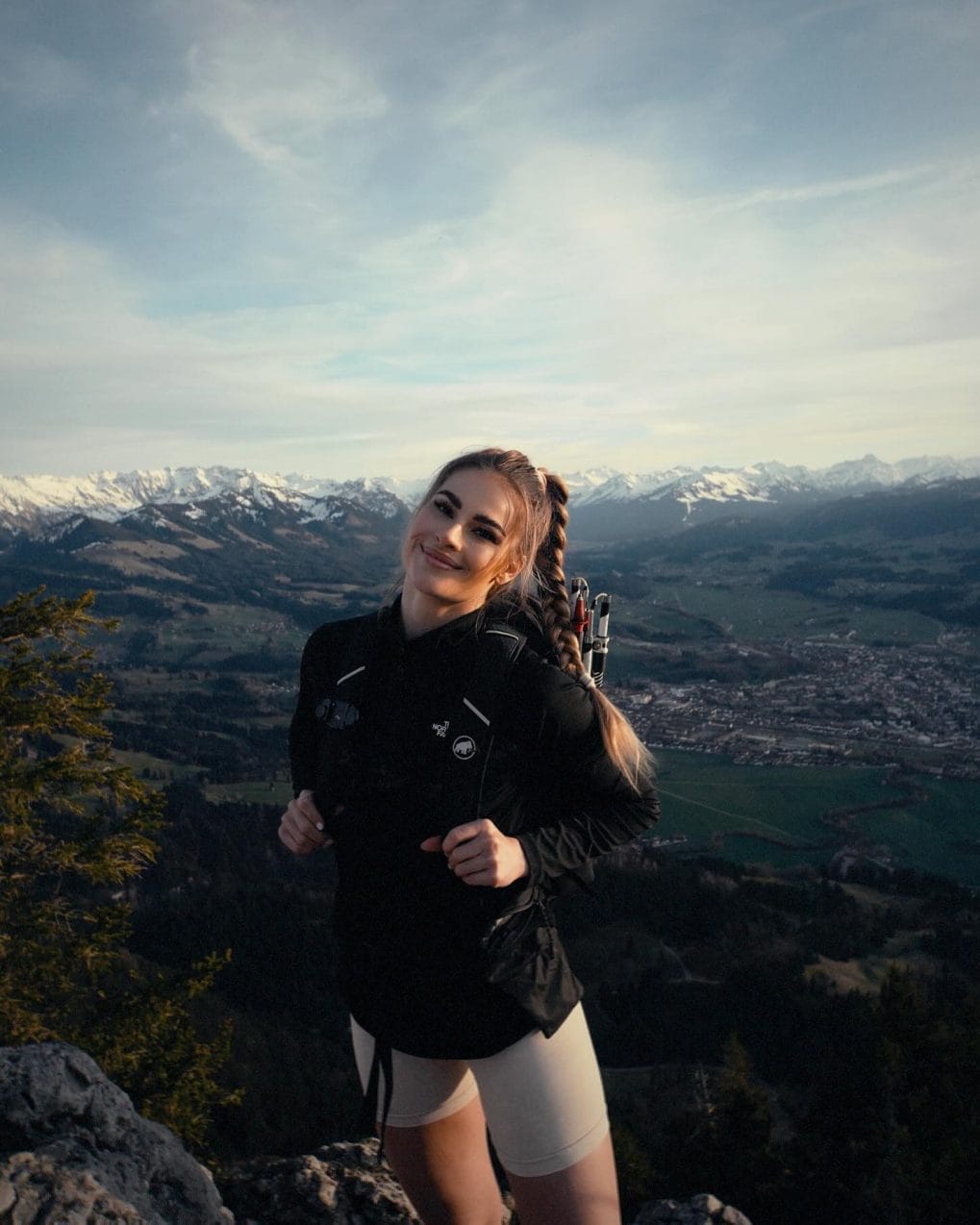
Side-swept bangs and a high side braid mean nothing is in your face when you’re scanning the trail ahead. This design works with thick, wavy dark blonde hair that reaches mid-back, the loose strands around the face adding softness without sacrificing function. Ask your stylist for: mid-back high side braid with loose face-framing strands. You can pull this off yourself in about ten minutes, just twist the braid tightly and tuck the end under. A trim every six to eight weeks keeps the layers from turning ragged.
Mid-Back Braided Bun With Highlights
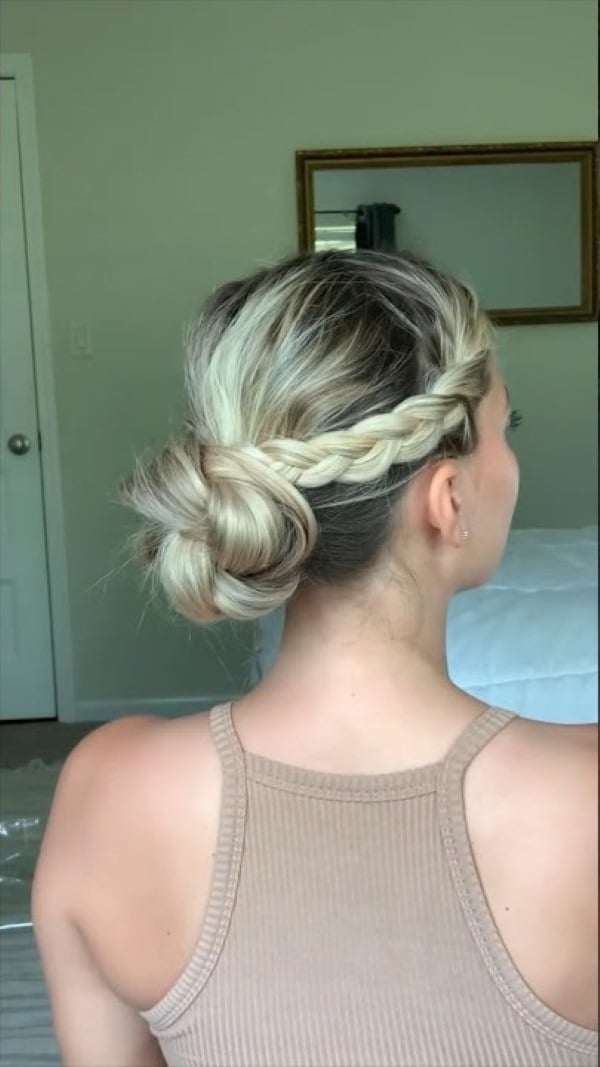
The braided bun sits high enough that it won’t rub against a backpack strap, and the blonde highlights keep the intricate weave from looking like a solid mass. Thick, wavy hair at mid-back length is ideal here, the texture giving the braid grip. Ask your stylist for: mid-back intricate braided bun.
To build it, section the hair into three parts, braid each one, then wind them into a bun and pin securely. A strong-hold hairspray is your friend. The real drawback: taking it down at the end of the day requires patience and a detangling spray.
Shoulder Length Braided Updo
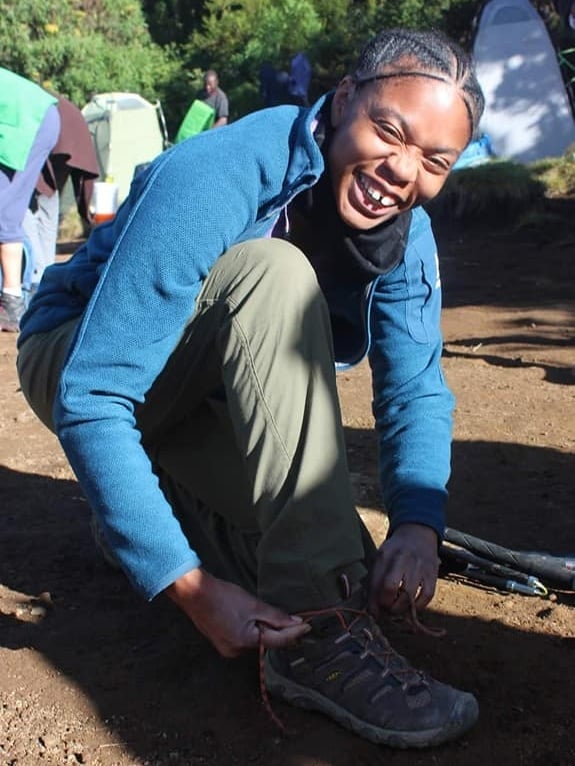
Neat braids pulled into an updo sit flush against the head, which means no stray pieces catching the wind. Thick, coily black hair at shoulder length holds the structure well, the middle parting keeping the look balanced. Ask your stylist for: shoulder length neat braided updo. Each braid is tucked securely into the mass to prevent unraveling, so this style lasts through sweat and sudden weather shifts. A salon visit is the smarter route here. A trim every eight weeks keeps the ends tidy and the braids uniform.
Mid-Back Two High Buns With Highlights
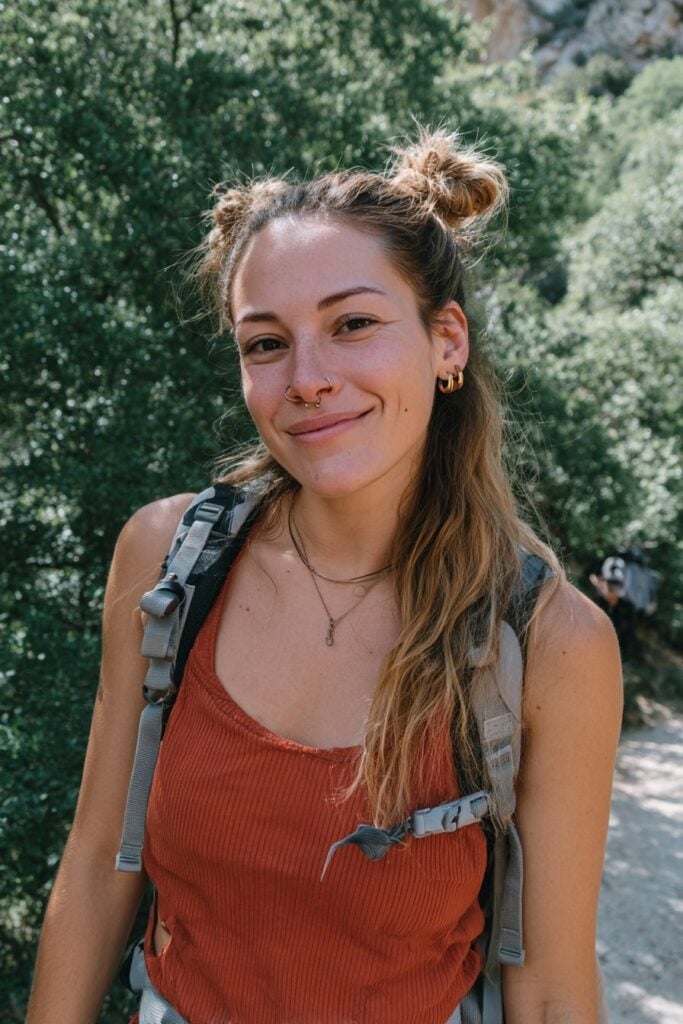
Two high buns are playful but also surprisingly practical for active movement. Thick, wavy hair at mid-back length works well here, with lighter highlights giving the buns dimension instead of a single dark blob. Ask your stylist for: mid-back two high buns. Hair that is thinner or fine may struggle to hold the bun shape without extra pinning, while very long hair can make the buns heavy and prone to sagging. The middle part keeps the style symmetrical, and twisting each section tightly before wrapping it around the base locks the hold in place.
You can do this yourself in under fifteen minutes, no salon required. A trim every six weeks prevents the ends from peeking out of the buns.
Long Loose Natural Wavy Hair
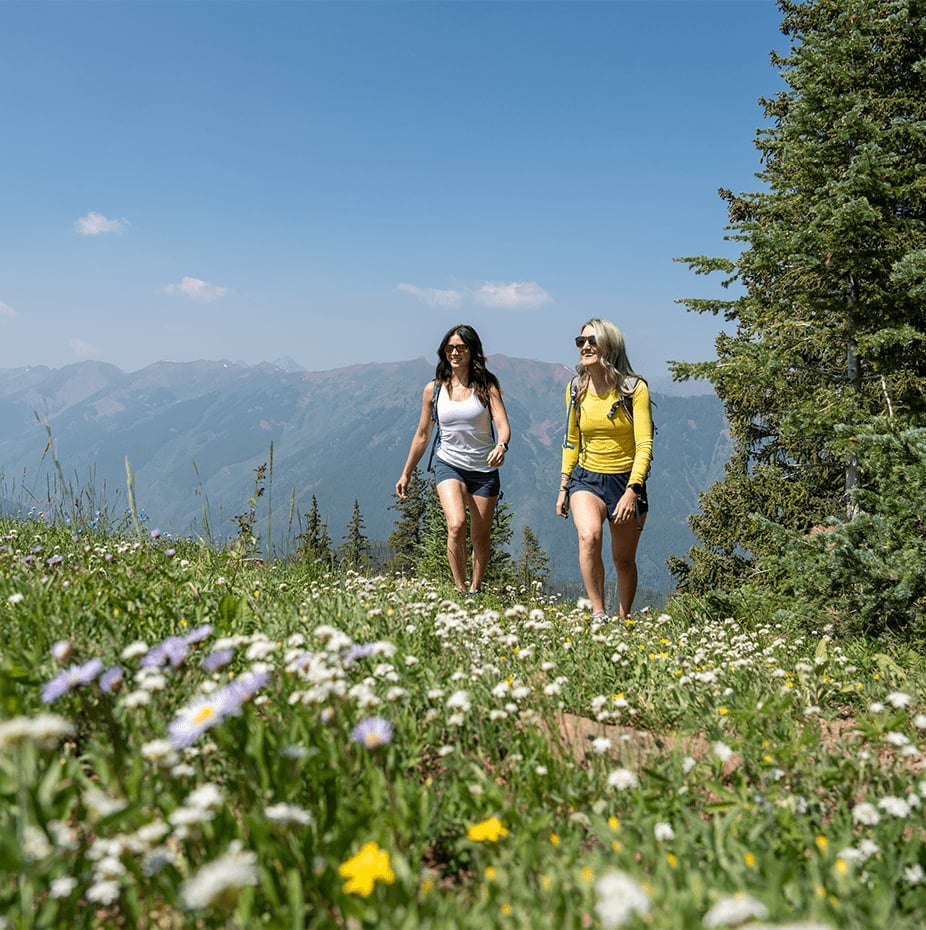
Loose, natural wavy hair is the lowest-effort option for a hike, but it comes with compromises. Wind tangles it, sweat makes it cling, and humidity can kill the wave pattern entirely. The look suits long hair with a middle part and a natural wavy texture, the blonde and brown strands blending together for a relaxed finish. Ask your stylist for: long loose natural waves. A light leave-in conditioner helps control flyaways without weighing the hair down.
The style works by definition since the goal is to do nothing. For warmer months or shorter walks, it works fine. A trim every eight to twelve weeks keeps the ends healthy enough to air dry without looking frayed.
Mid-Back Loose Waves With Curtain Bangs and Ash Blonde With Highlights
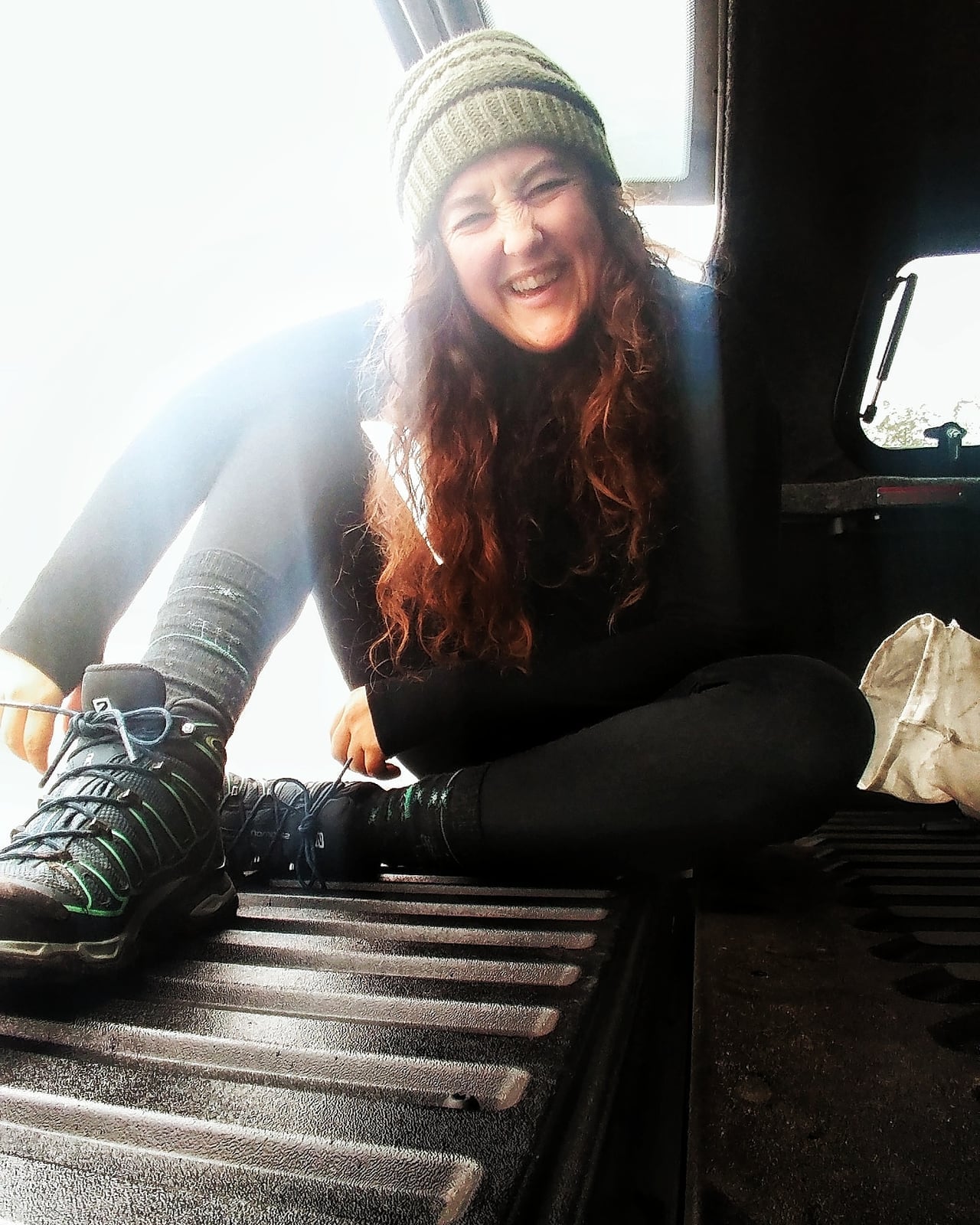
Ever wonder how to keep thick, wavy hair looking styled when you’re miles from a mirror? This mid-back loose waves look with curtain bangs and ash blonde highlights leans on a middle parting and air-dried texture, so it holds its shape without a fight. Ask your stylist for: mid-back loose waves, curtain bangs. The trick is a texturizing spray on damp hair, then letting it do its thing. One real drawback: those curtain bangs will need a trim every 4-6 weeks to stay out of your eyes.
Mid-Back Wavy Blowout With Face-Framing Layers
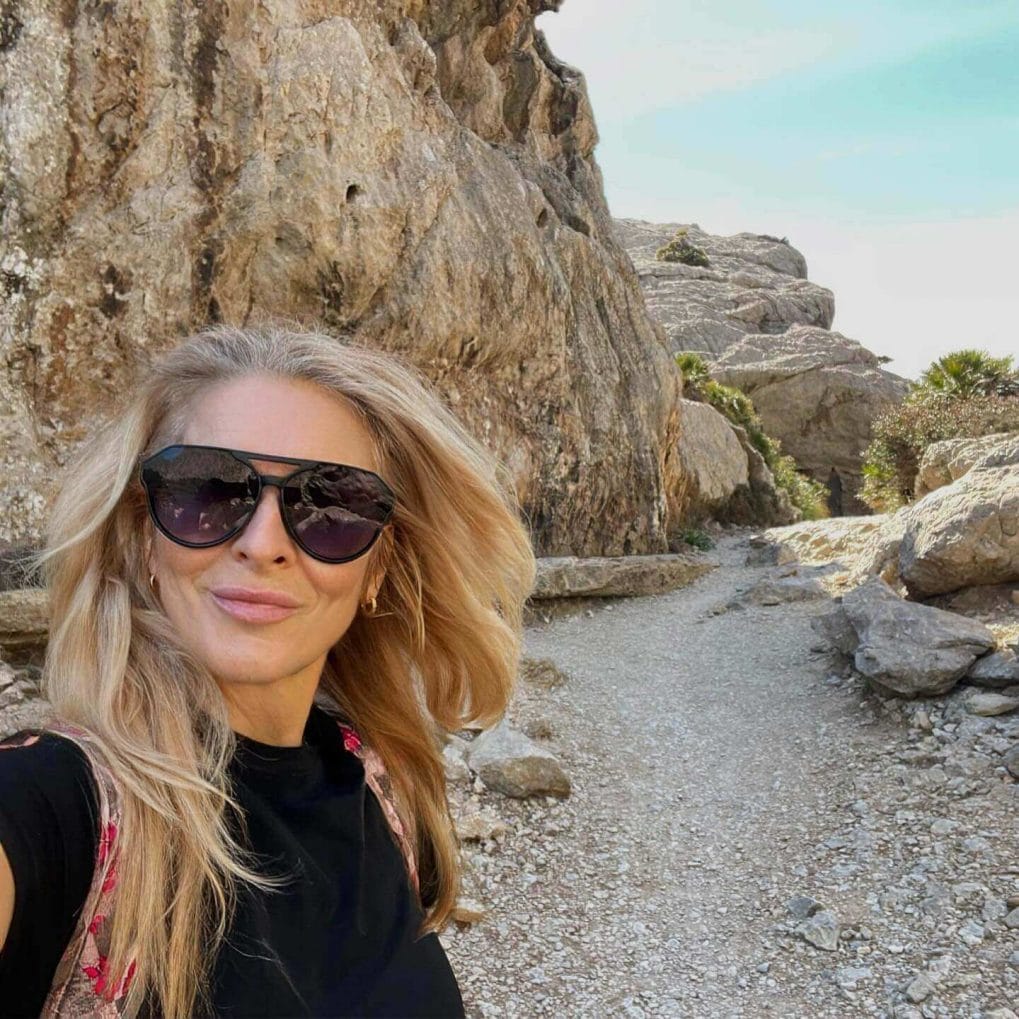
The design starts with face-framing layers that are cut to sweep away from the face, so this mid-back wavy blowout with blonde highlights feels soft rather than heavy. Curtain bangs work with the thick, wavy texture to keep the shape intact, even when you’re moving. Ask your stylist for: mid-back wavy blowout, face-framing layers, curtain bangs.
To build it, a round brush is your main tool. You wrap sections around the brush while blow-drying, which sets the wave pattern and gives the layers a gentle bend that holds during activity. The blowout is best done in the salon, where the stylist can control the tension and heat to get that polished finish. At home, you’ll likely end up with something looser, which is fine for a trail.
Collarbone Smooth Blowout With Curtain Bangs
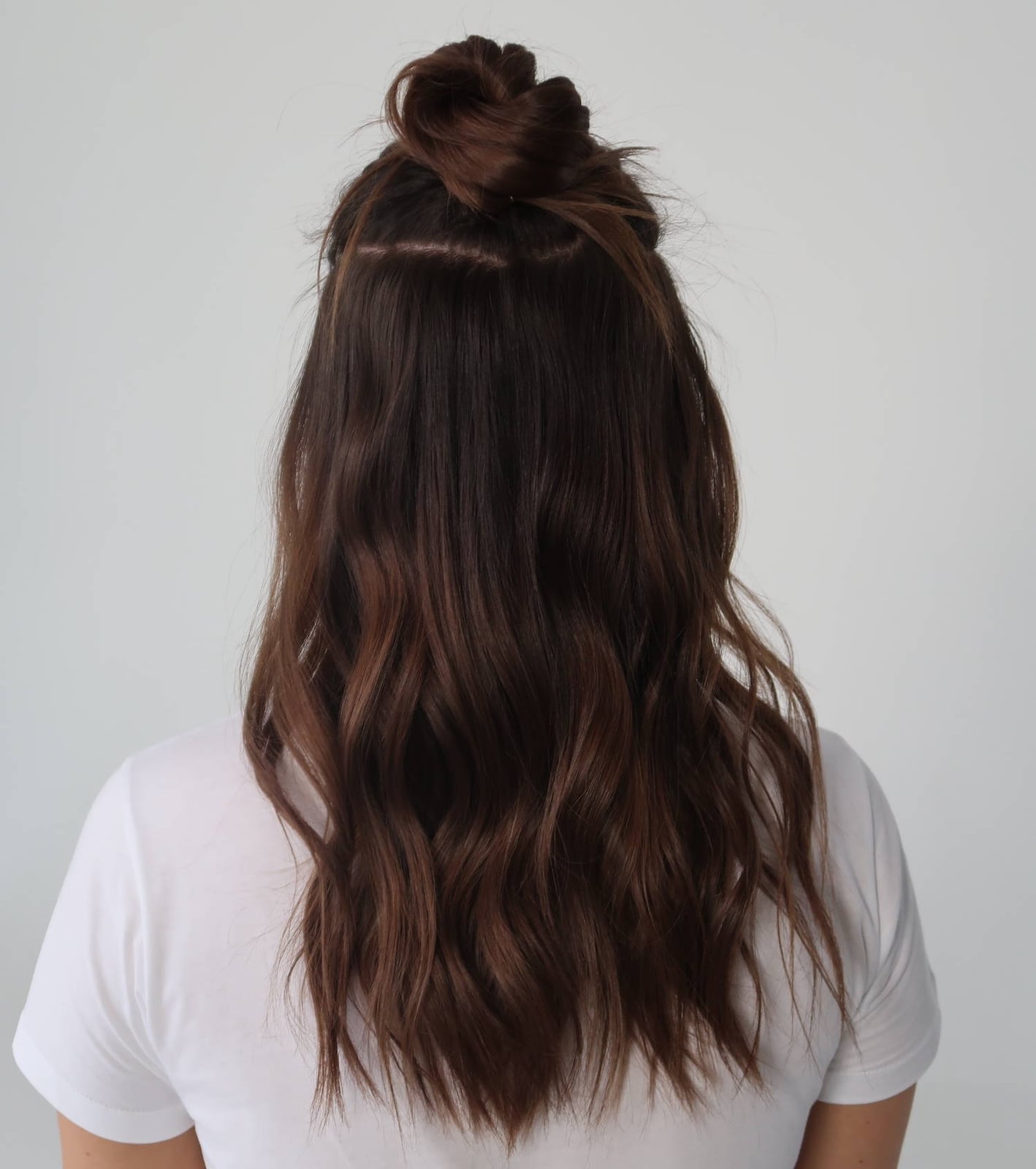
Notice how the curtain bangs here are cut to blend into the face-framing layers, which is what keeps a collarbone length cut from feeling boxy. This smooth blowout in cool ash blonde with subtle lighter highlights works especially well on fine to medium wavy hair, because the shorter length keeps the texture from weighing things down. Ask your stylist for: collarbone length smooth blowout, curtain bangs. A smoothing serum applied to damp hair will cut down on frizz while you blow-dry. Plan on trimming the fringe every 4-6 weeks to keep the curtain shape from turning into a blunt line.
Feathered Crochet Hair Styles
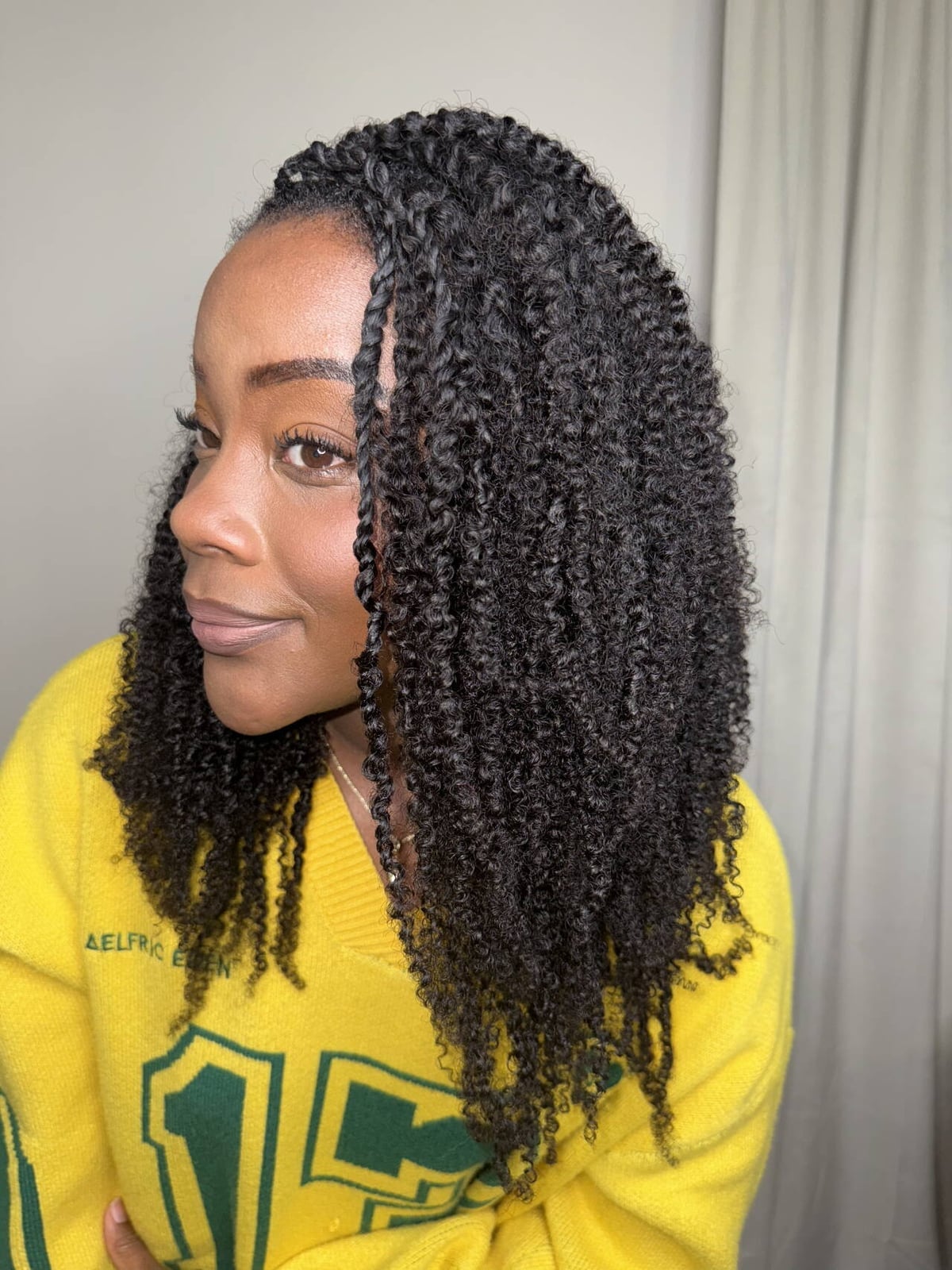
A practical rule for hiking with feathered crochet styles: slicked-back edges and two-strand twists mean less to fuss with, but the coily, thick texture still needs care. This collarbone length style, in dark brown with no bangs and a side view, shows how the feathered cut adds movement. Ask your stylist for: feathered crochet style. Protect it overnight with a silk scarf, and refresh the scalp with dry shampoo when things get sweaty. It’s a look that suits various hair lengths and types, though the installation time is the real trade-off.
Final Thoughts
For fine hair, add grip with a texture spray before braiding or go for a high bun that creates volume at the crown. For thick hair, split the weight into two braids or a single tight Dutch braid that will not pull at the roots. If low maintenance is your priority, air-dried waves with a soft headband or a simple ponytail will get you there without a mirror.
- Trim split ends every 6-8 weeks to keep styles neat.
- Use dry shampoo to refresh styles between washes.
- Apply heat protectant if using styling tools before a hike.
- Loosen braids or ponytails gently after activity to avoid breakage.
Adventure awaits, and your hair can too. Stay secure, stay stylish.