Japanese hairstyles walk a line between precision and play, from sharp bobs to soft, layered waves that move with you. The current shift favors natural textures and softer edges, so even the most graphic cuts come with a little give.
This collection of 33 ideas runs the full spectrum, from low-maintenance pixies to ornate updos that take real time and skill. You will find cuts that suit fine hair that falls flat, color that hides a visible grow-out line, and bangs that actually sit where you put them. Japanese Hairstyles reward a steady hand, but the payoff is a look that holds its shape.
Mid-Back Layers With Curtain Bangs
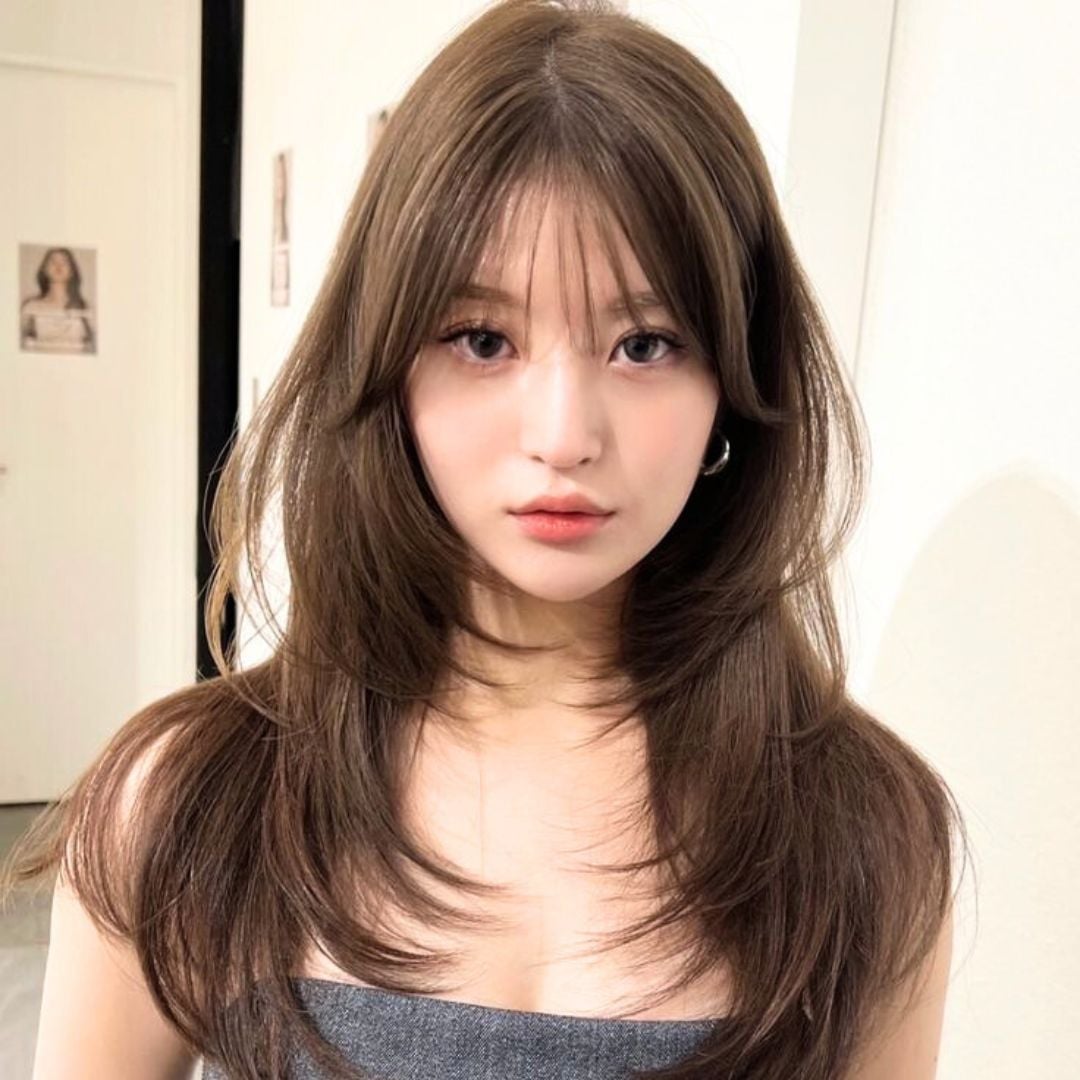
The genius of this cut is how it lets thick, wavy hair feel weightless. Long layers run from the cheekbones down to mid-back, so the bulk sits low while the top stays light and movable. The curtain bangs and middle parting work as one unit, framing the face without hiding it, which is why this suits oval faces nicely and softens a square jaw.
Ask your stylist for: mid-back long layers with curtain bangs. A round brush blowout gives the face-framing pieces their gentle curve and pumps volume into the crown. The subtle highlights do the work of adding dimension, so you can skip the curling iron on most days. Plan on a trim every eight to ten weeks to keep the layers from turning into one heavy triangle.
Dark Brown Mid-Back Waves With Layers
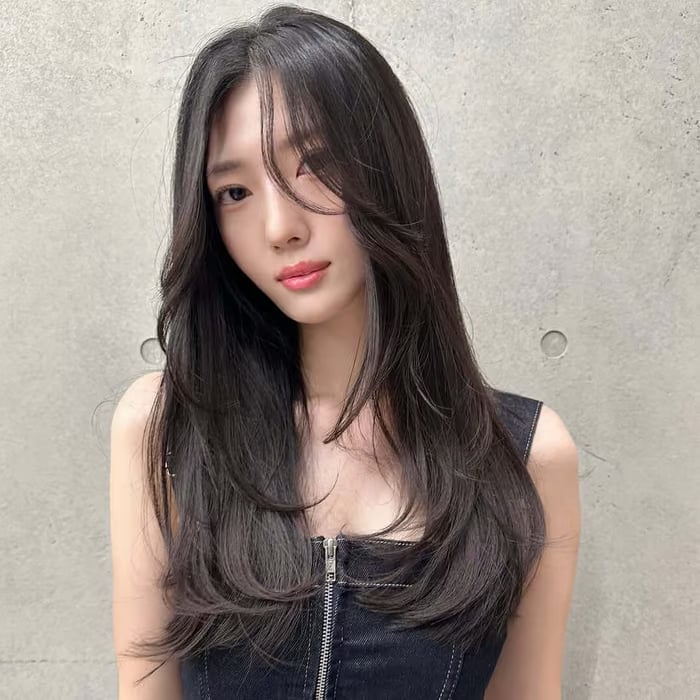
Where the previous section leans on natural wave, this one is a deliberate styling choice. Thick, straight hair gets bent into soft waves that reach mid-back, and the long layers keep it from looking like a solid curtain of color. The curtain bangs and middle parting stay consistent, but the smooth blowout finish gives it a more polished, put-together feel.
Ask your stylist for: mid-back waves with long layers and curtain bangs. A large barrel curling iron wraps each section quickly, and a smoothing serum keeps the dark brown glossy rather than frizzy. The payoff is a style that holds its shape through a workday, though it does ask for a few extra minutes each morning compared to air-dried texture.
Collarbone Bob With Wispy Bangs

Wondering what to say so you don’t end up with a boxy bob? Ask your stylist for: collarbone layered bob with wispy bangs. The soft, face-framing layers are the key request, since they keep the dark brown cut from feeling heavy on medium-density wavy hair. A side parting and loose waves complete the relaxed finish.
This one is genuinely DIY-friendly. Rough dry with a texturizing spray and let the natural wave do its thing, or add a few bends with a flat iron. The subtle highlights give depth without upkeep drama. A trim every six to eight weeks keeps the wispy bangs from turning into full fringe.
Textured Collarbone Shag With Blunt Bangs
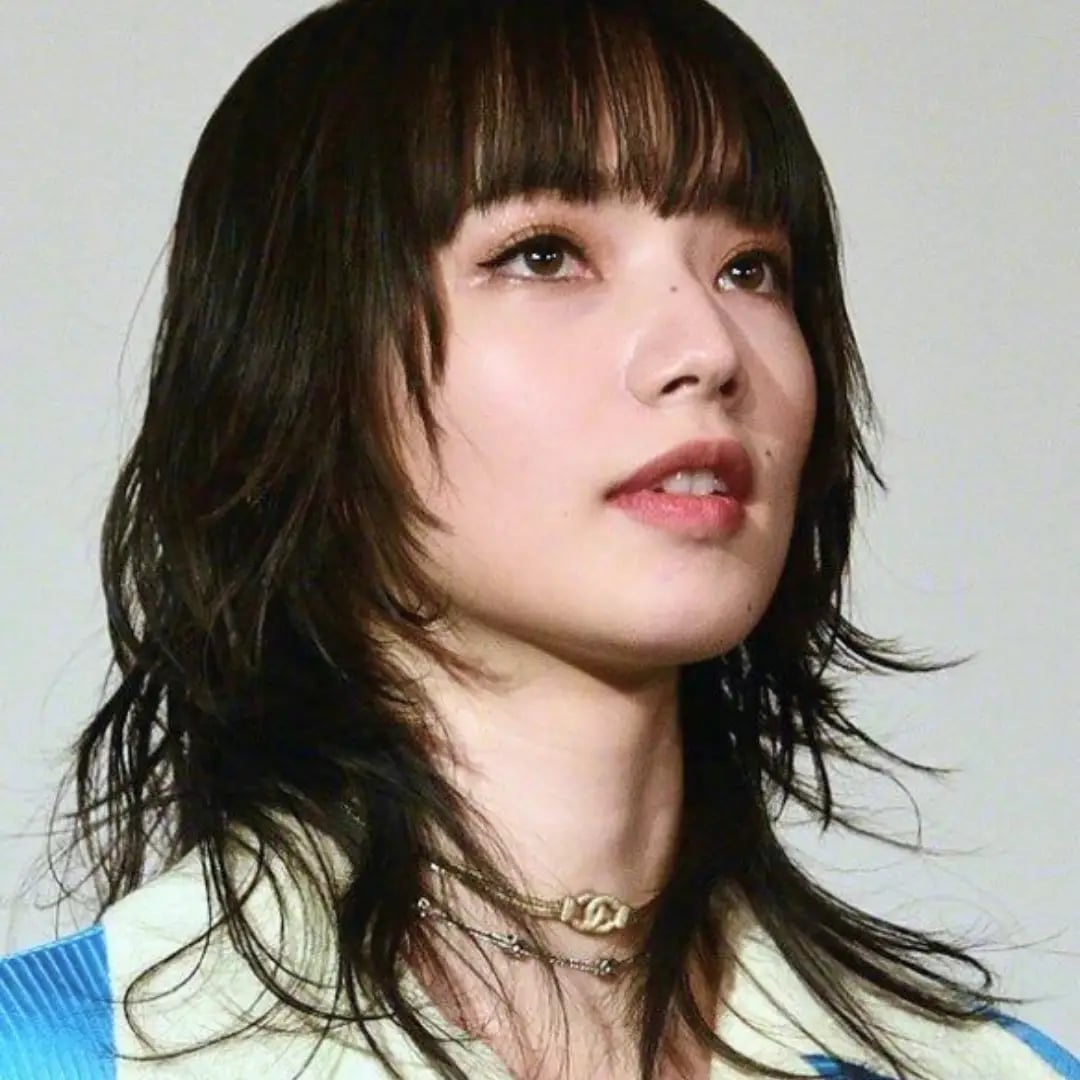
A shag lives and dies by its texture, and this one commits. The collarbone length keeps the choppy layers from running wild, while the blunt bangs and side parting give it a graphic edge. It suits medium-density wavy hair best, since fine strands can get lost in the layers and very thick hair can puff up.
Ask your stylist for: collarbone shag with blunt bangs. Daily styling means working a texturizing paste through damp hair and letting it dry with a bit of scrunching. The honest drawback is the upkeep: those precise choppy ends need a trim every four to six weeks, or the whole shape goes soft and sloppy.
Traditional Black Updo With Ornaments
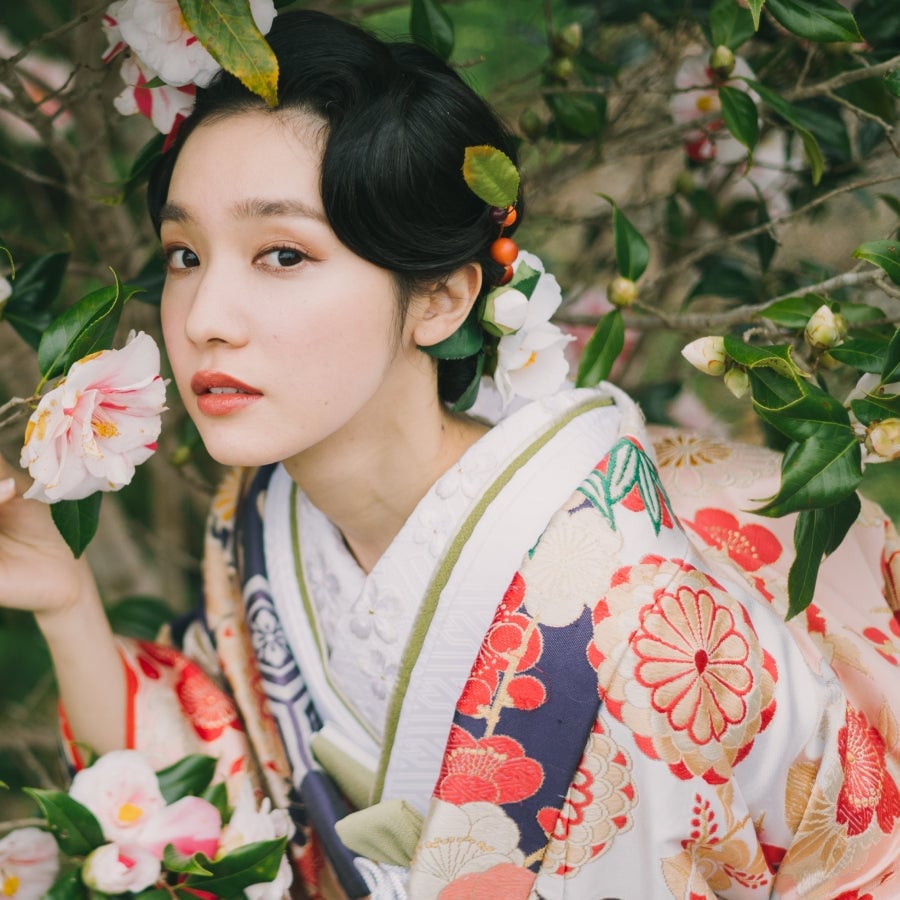
This is engineered architecture, not a casual twist. Long, thick, straight black hair is drawn up into a structured shape and secured with decorative ornaments that carry the visual weight. The front stays clean with no bangs, so the silhouette reads as formal and intentional. It needs that density to hold the lines.
Ask your stylist for: traditional updo with ornaments. The build relies on pinning sections into place and finishing with a firm hold spray so nothing shifts. This is wedding or cultural event territory, and it is not a same-day decision. Book the appointment, because the technique takes time and a practiced hand.
Chin Length Bob With Blunt Bangs

Wondering if a chin length bob with blunt bangs works for fine hair? It does, provided you keep the cut sharp and the styling straight. The dark brown color adds depth, while the middle parting and blunt bangs create a clean line that suits oval and heart-shaped faces. Ask your stylist for: chin length bob with blunt bangs. A flat iron keeps the sleek finish in place all day, but plan on trimming those bangs every three to four weeks to preserve the precision.
Sleek Chin Length Bob
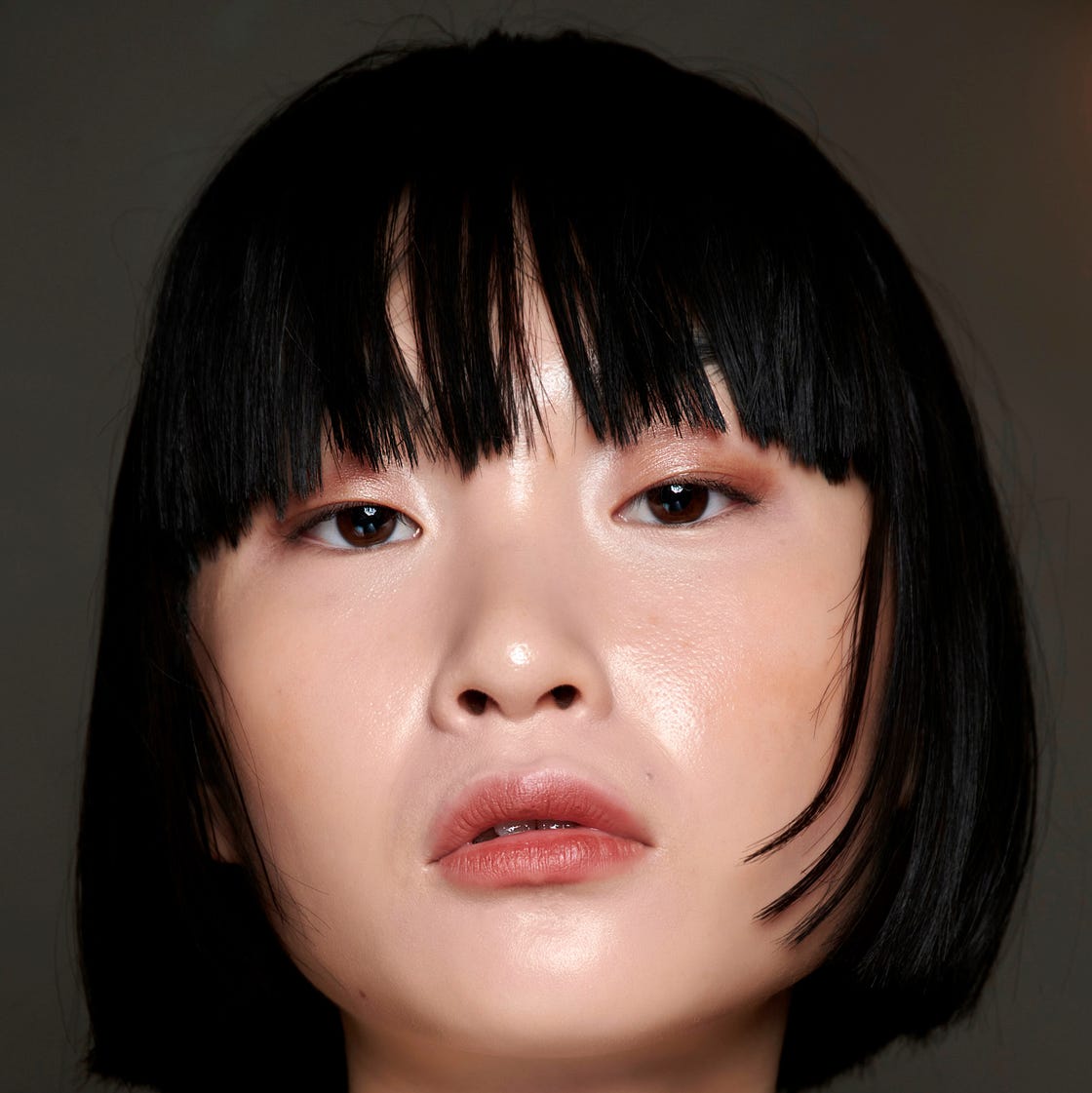
The sleek chin length bob is a study in geometry: thick, straight black hair cut to a sharp line at the chin, with blunt bangs covering the forehead and a middle parting that splits the symmetry. It holds its shape remarkably well on straight, thick textures, but maintenance is required. This cut shows every bend and cowlick, so a flat iron and smoothing serum are daily requirements. Ask your stylist for: sharp blunt bob with full bangs. A trim every six to eight weeks keeps the line crisp, and the style suits oval and long faces best.
Color-Blocked Chin Bob With Blunt Bangs
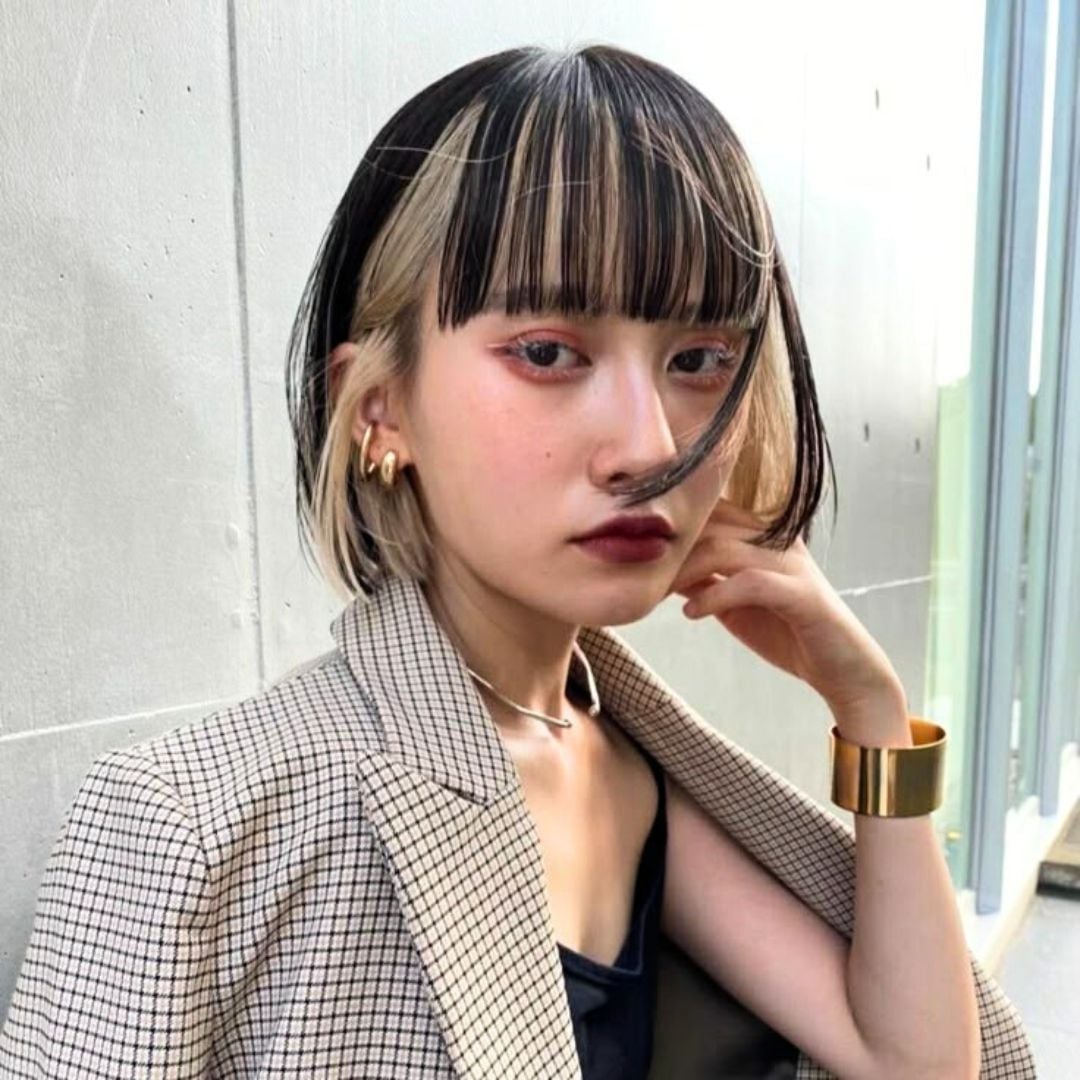
The color-blocking here is unapologetic: black at the roots and blonde through the lengths, split by a middle parting that makes the contrast read as a deliberate design. On thick, straight hair cut to a blunt chin length with matching blunt bangs, the two tones sit like panels rather than blending. The technique works because the hair is dense enough to hold a hard line between colors. Ask your colorist for: chin length blunt bob with black and blonde color blocking. This one is a salon commitment, with touch-ups needed every four to six weeks to keep the blonde from muddying into the black.
Daily styling is straightforward: a flat iron and a bit of shine serum keep the straight texture glassy. The bold contrast suits those who like their hair to make the first statement.
Collarbone Layered Bob With Soft Waves
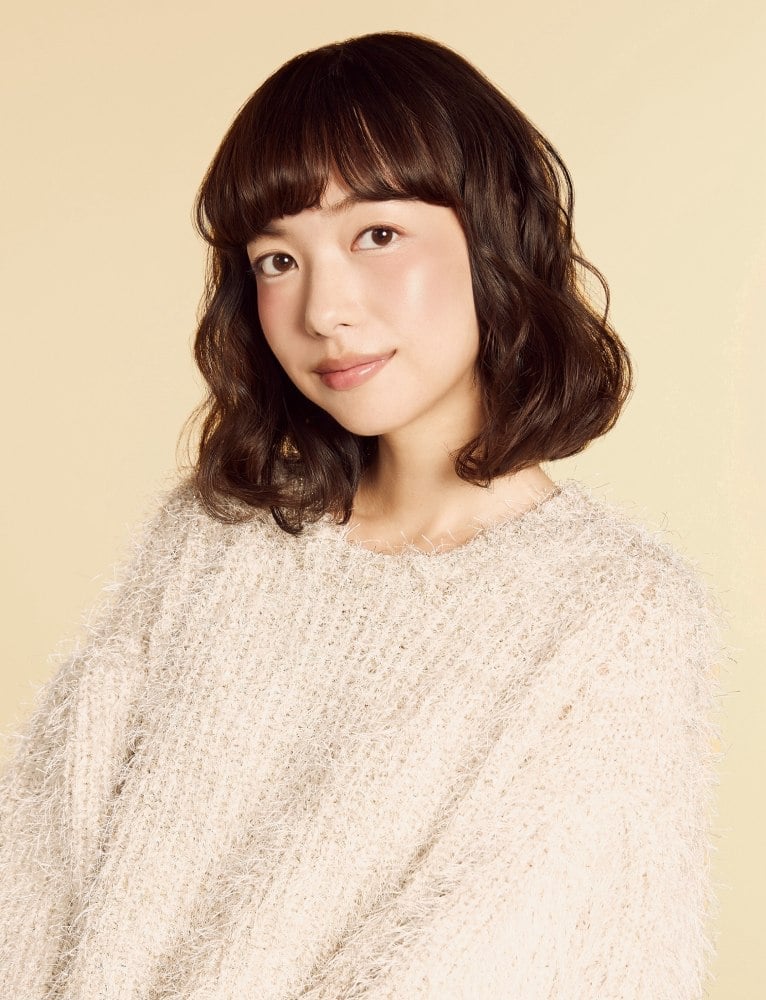
A collarbone layered bob with curtain bangs and a middle parting starts with the right cut, then a wavy blowout adds movement. The layers give medium-density hair shape, and the waves hold with a round brush and a spritz of sea salt spray. Ask your stylist for: collarbone layered bob with curtain bangs. It works on medium density hair that has a natural wave; if your hair is stick straight, expect to add more time with the iron. A trim every six to eight weeks keeps the layers from getting heavy, and the soft waves do soften round or square jawlines.
Collarbone Shag With Wispy Bangs, Wavy
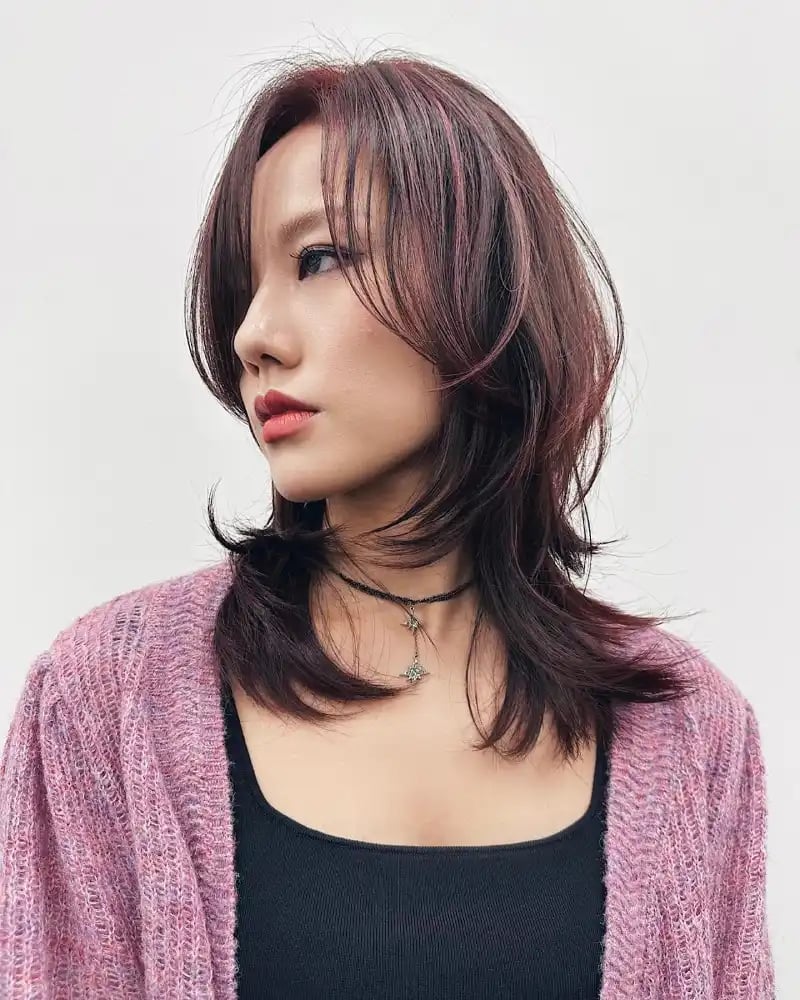
The collarbone shag with wispy bangs is cut to move: layers that start at the jaw and feather out, and the face-framing pieces do their job. The dark brown base gets a whisper of pink highlights, visible only when the light catches the waves. This style wears well because the layers give shape even as they grow out, but the wispy bangs need a trim every three to four weeks to stay feathery. Ask your stylist for: collarbone shag with wispy bangs and pink highlights. Use a texturizing spray on damp hair, then air-dry or diffuse for a lived-in finish.
The one drawback: the pink streaks fade fast, so expect to refresh them every six to eight weeks if you want the color to stay subtle instead of vanish.
Loose Updo With Wispy Bangs and Bow
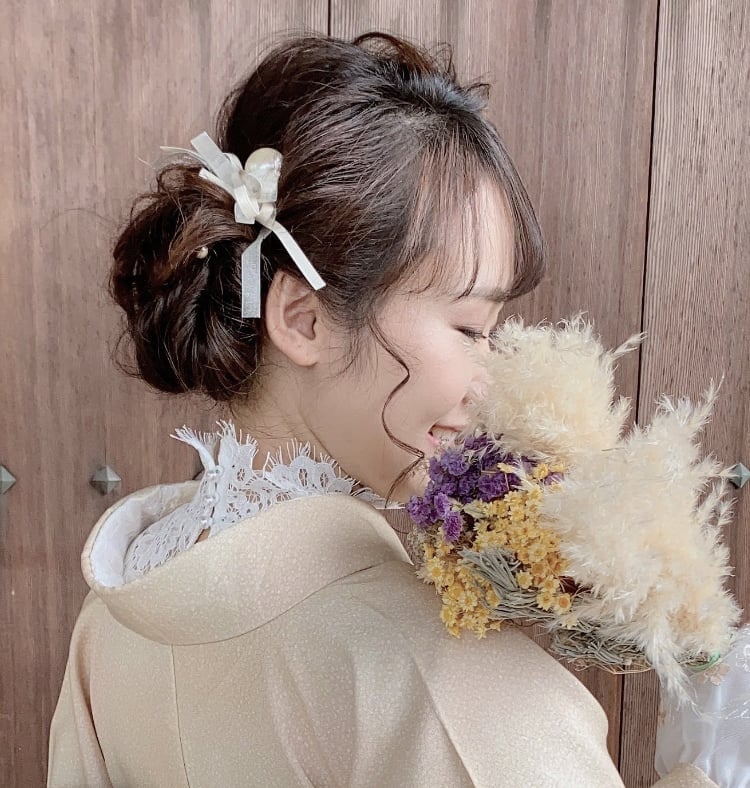
The bow is the anchor point, so it needs to sit securely. Bobby pins crossed inside the bun and a light mist of hairspray keep the shape for several hours. This is a formal or wedding-guest hairstyle, and it benefits from a middle part to balance the volume on both sides. The wispy bangs soften the forehead, which makes the style work for square and round face shapes. A salon appointment covers the cut and any shaping of the bangs, but the pinning itself is doable at home with a mirror and patience.
Short Black Bob With Micro Bangs
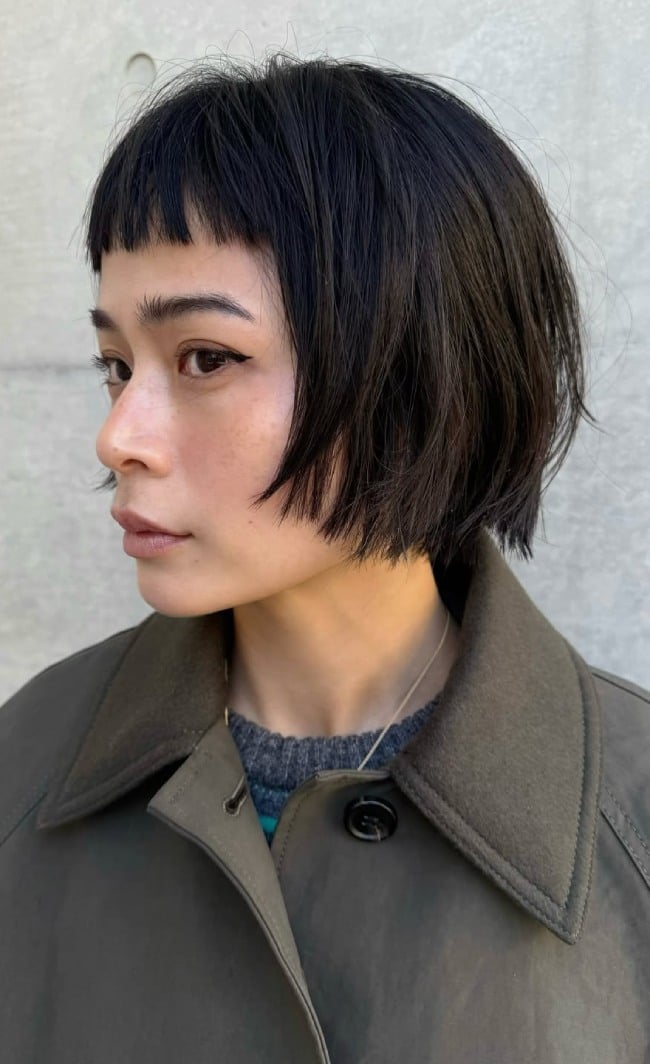
Can fine, straight hair carry a bold shape? Yes, if the cut is precise and you accept the maintenance. The ear-length bob with micro bangs is a statement that relies on sharp geometry, not volume. Ask your stylist for: a short black bob with micro bangs. The micro bangs sit very short and straight, which draws attention to the eyes and the cut’s clean line. This look suits most face shapes, though the bold forehead exposure can be a dealbreaker for anyone who prefers coverage. The texture is key: fine, straight hair holds the sleek finish best, while thicker strands may need more work to lie flat. Trimming the bangs every two to three weeks is essential, and the bob itself needs a salon refresh every six weeks to keep the ear-length line from drifting.
Traditional Updo With Ornate Headpiece
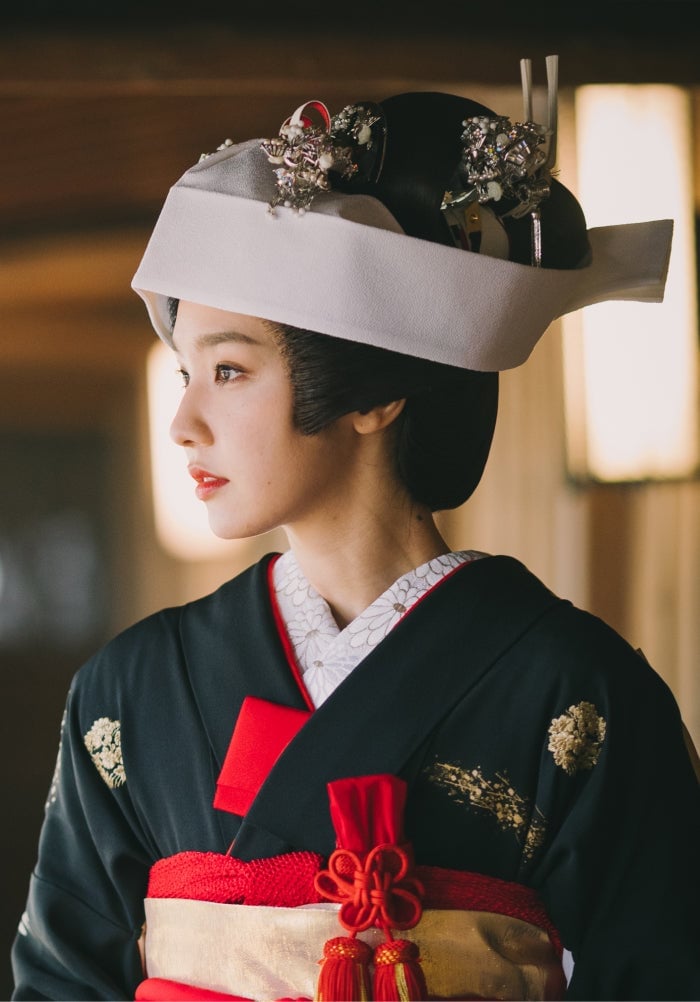
A traditional updo with an elaborate white and silver headpiece is not the same as a simple bun with a clip. The difference is in the structure: the hair is pulled back into a smooth, rounded shape that forms a stable base for the ornament, rather than relying on the accessory to do all the work. This style demands long, thick, straight black hair. The density is what creates the polished silhouette. Ask your stylist for: a traditional updo with an elaborate headpiece. The headpiece is the focal point, but the hair must be sculpted first, using pins and gel to create a seamless surface. This is a wedding or formal cultural occasion look, and it requires a salon visit for the updo alone, since the tension and symmetry are difficult to achieve without help. The hold is firm; with enough pinning and product, it lasts through an entire event without sagging.
Mid-Back Sleek Hime Cut
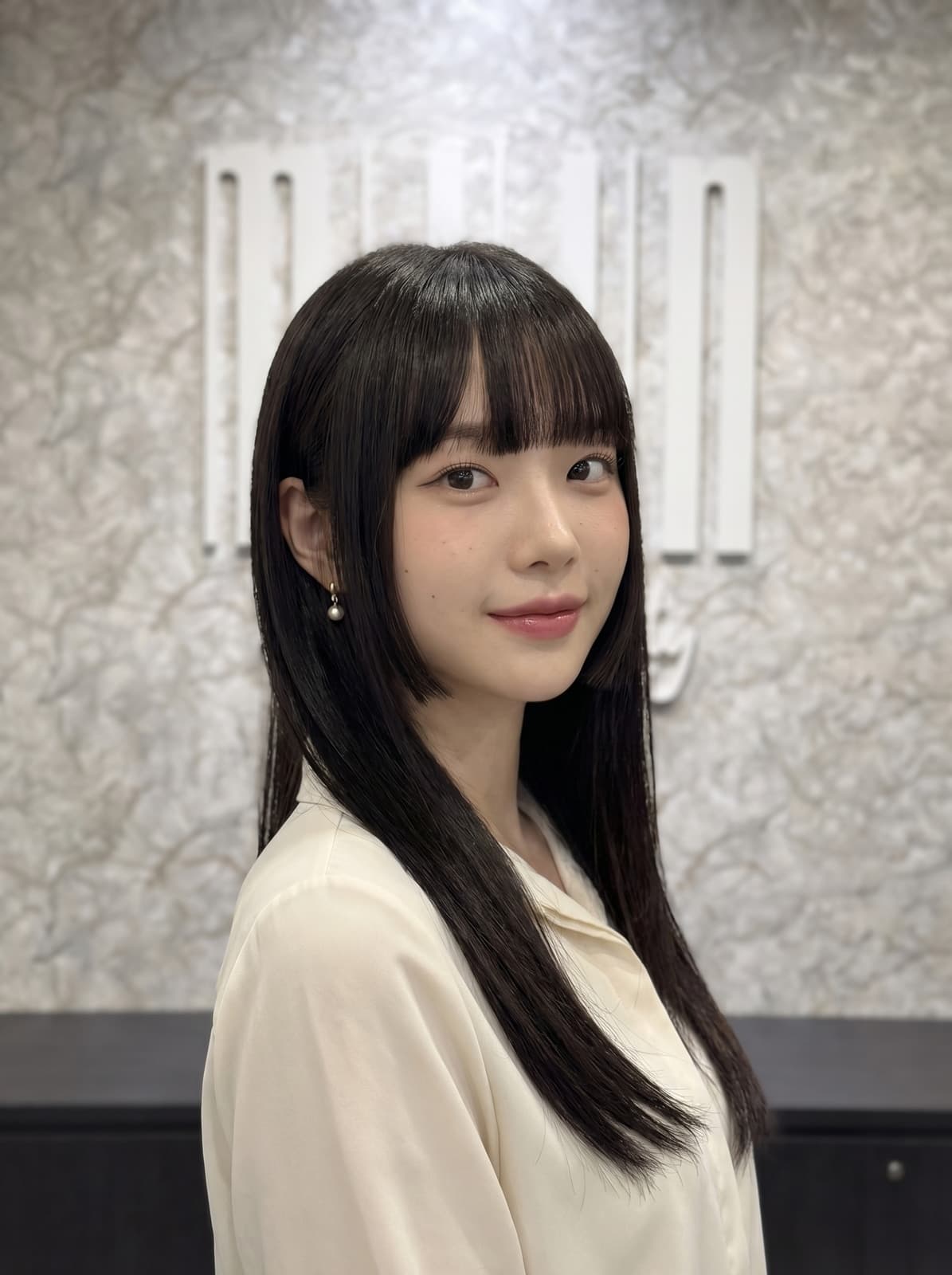
The Hime cut is defined by its blunt, straight bangs and the sharp angles where the side pieces meet the longer back length. At mid-back, the weight of thick, straight black hair pulls the line taut, which is exactly the effect. Ask your stylist for: a mid-back Hime cut with straight bangs. The middle part and the long bangs create a frame that works for most face shapes, though round faces may find the bangs a little heavy. The real work is daily: every strand must be flat-ironed smooth, and any wave or bend breaks the silhouette. A smoothing cream before drying helps, but humidity is the enemy. Trims every six to eight weeks are essential to keep the bangs from growing past the brow and the side pieces from losing their clean edge. The honest drawback is that this look has zero tolerance for lazy styling. It looks undone the moment it is not perfectly straight.
Chic Black Blunt Bob
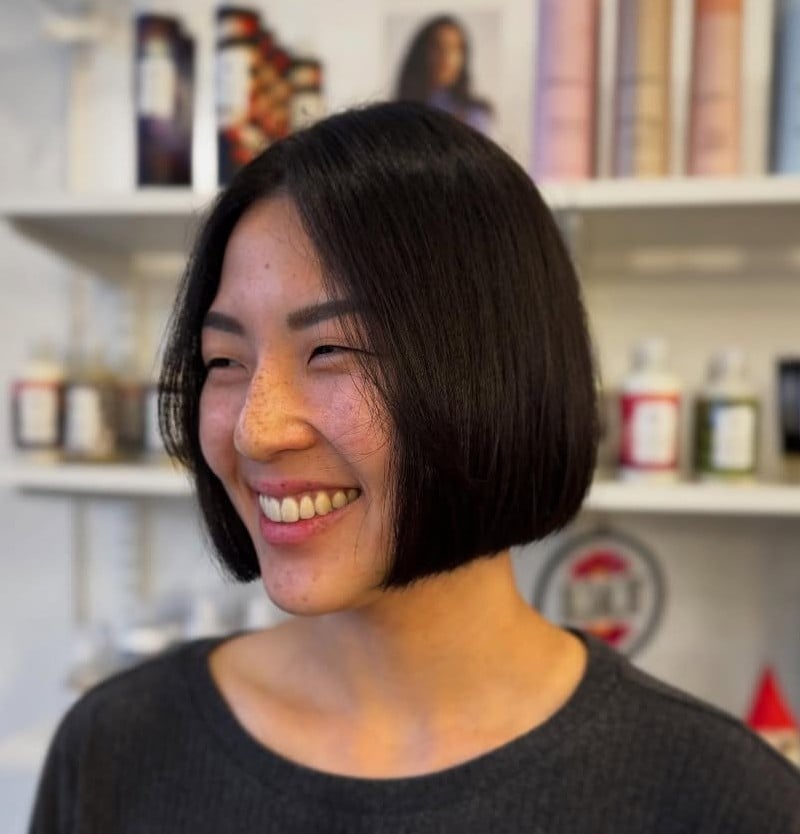
A chin-length blunt bob in black is a geometry problem with no room for error. The sharp line across the chin and the clean middle parting require thick, straight hair that holds a crisp edge. Ask your stylist for: a chin-length sleek blunt black bob. The length suits oval and long faces best, as the horizontal line adds visual width. A smoothing cream and a flat iron are the daily tools; any frizz or bend looks like a mistake. The trim schedule is every six to eight weeks to maintain that blunt line, because even a quarter inch of growth softens the shape into something that appears accidental.
Short Layered Bob With Side-Swept Bangs
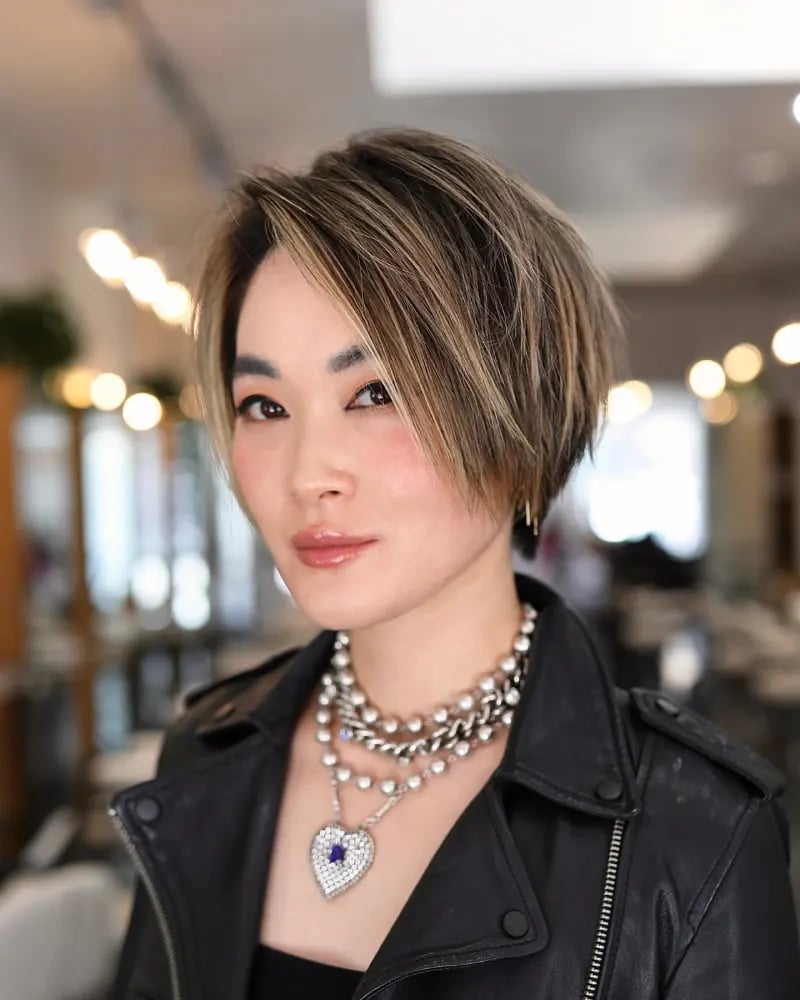
Designing a short layered bob that ends at the ear requires a deliberate hand with the shears. The layers here are cut to break up density in fine, wavy hair, giving it lift without losing weight. Side-swept bangs soften a square or round face by drawing the eye diagonally across the hair. Ask your stylist for: short layered bob with side-swept bangs and highlights. A textured blowout with a round brush and texturizing spray finishes the shape, and a trim every six to eight weeks keeps the layers from turning shapeless.
Voluminous Updo With Floral Crown
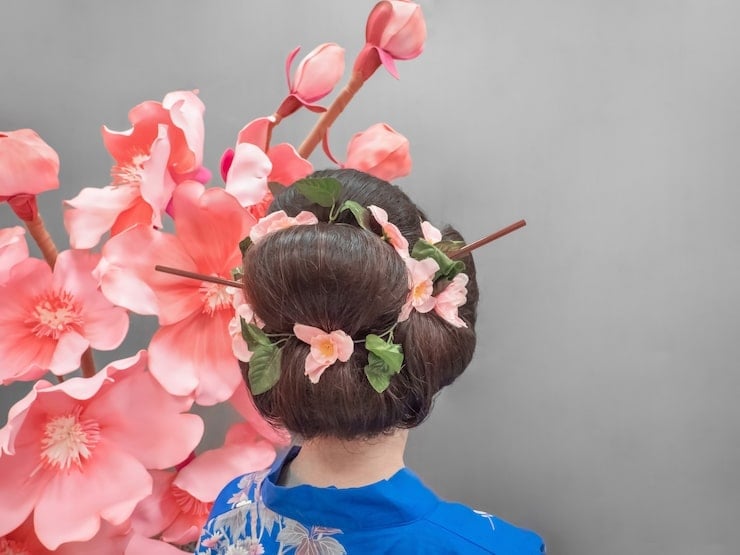
How do you get a floral crown to stay put without it looking like a garden shed collapse? The trick starts with the base. Long, thick, straight hair is gathered into a voluminous updo with a central part, then secured with wooden hairpins before the flowers are tucked in. Ask your stylist for: voluminous updo with floral crown and pins. This is a salon-only undertaking, about an hour of pinning and arranging, and not a skill to test the morning of a wedding or festival. The result holds through hours of ceremony and dancing, provided the pins are driven in at enough angles.
Textured Dark Brown Pixie With Side Bangs
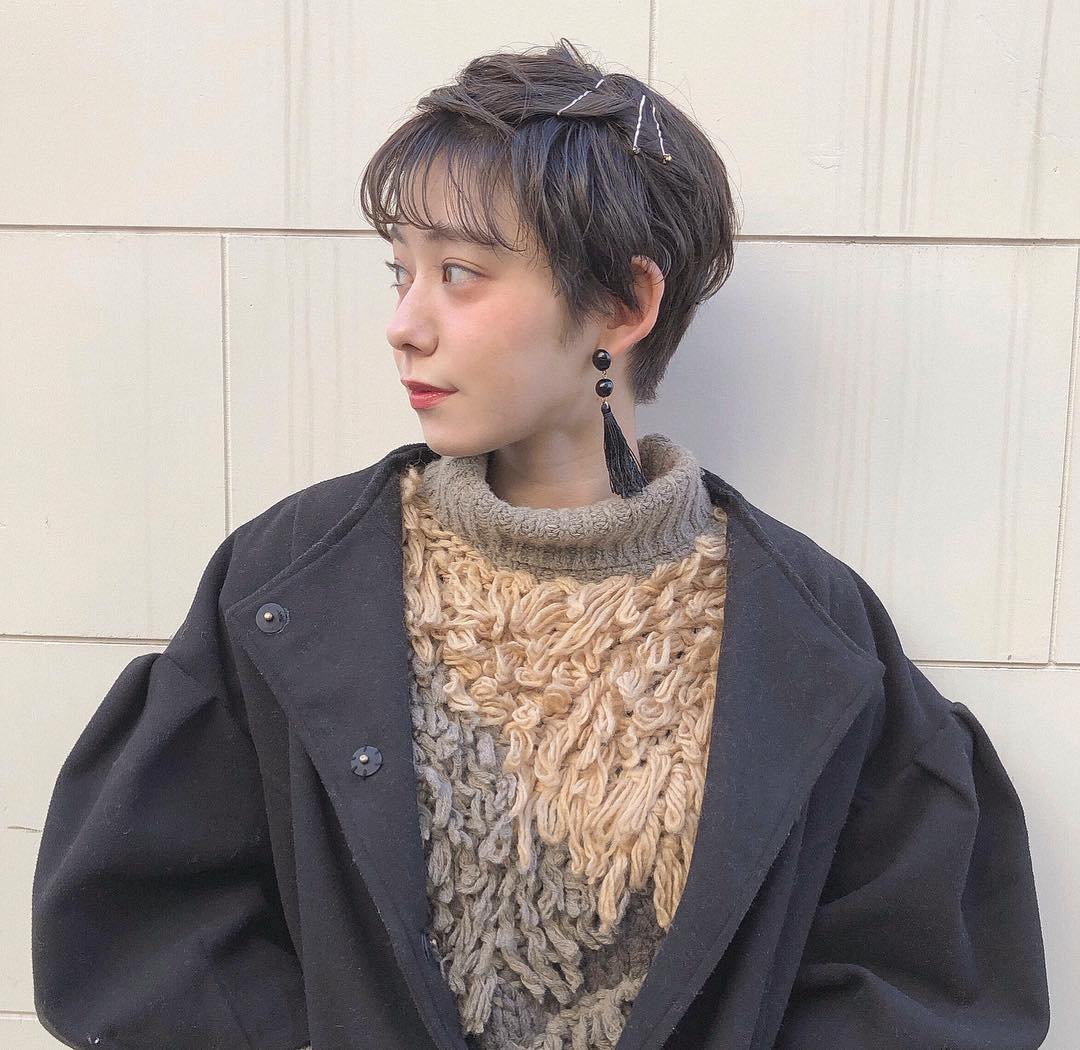
Fine, straight hair at ear length rarely looks this deliberate without a good cut. The pixie is textured to stop it reading as flat, and the short side-swept bangs add a diagonal line that works on oval and heart faces. Ask your stylist for: textured dark brown pixie with side-swept bangs. A side part and a dab of texturizing paste give the shape its definition. Trims every four to six weeks are essential, pixies turn shaggy fast.
Shimada Hairstyle With Flower Accent
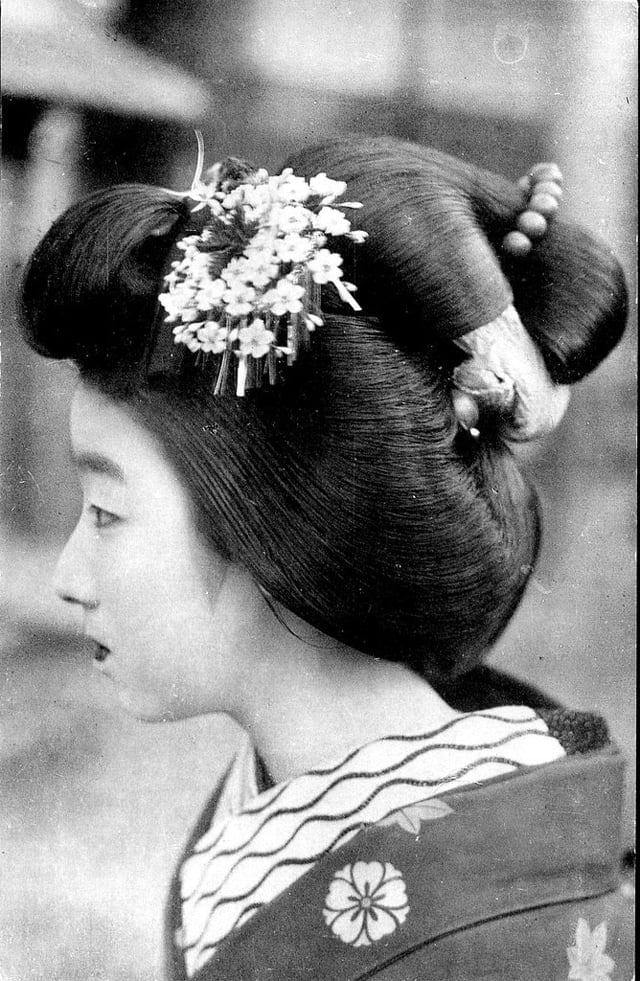
A traditional Shimada updo is not the same as a Western chignon, though both are buns. This one is a large, sculpted shape built from thick, straight black hair, sitting high on the back of the head with no bangs. The smooth, compact form is what separates it from looser romantic styles. Ask your stylist for: traditional Shimada updo with flowers. The white blossoms are tucked into the structure after the hair is set, not before. A Shimada demands long hair, serious density and a stylist who knows how to coil the hair into that distinct oval without pins slipping.
Textured Pixie With Face-Framing Bangs
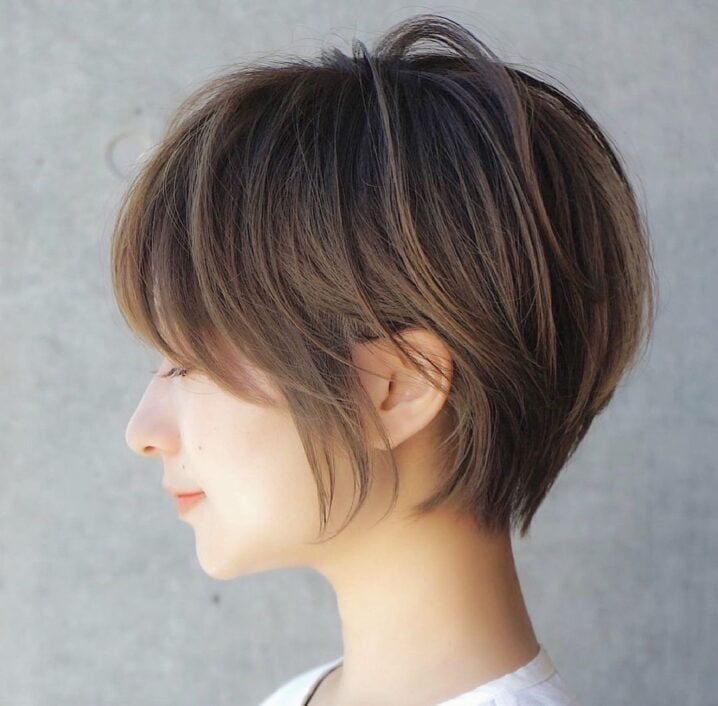
This pixie cut at ear length relies on its textured bangs to do the work. The medium brown base with subtle lighter highlights needs a middle part and a sweep to the side for movement. Ask your stylist for: textured pixie with face-framing bangs. A texturizing product on damp hair, then a blast of low heat, defines the layers. The honest drawback: a trim every four to six weeks is mandatory, and the bangs will need a touch-up in between to stay out of your eyes.
Intricate Updo With Golden Ornaments
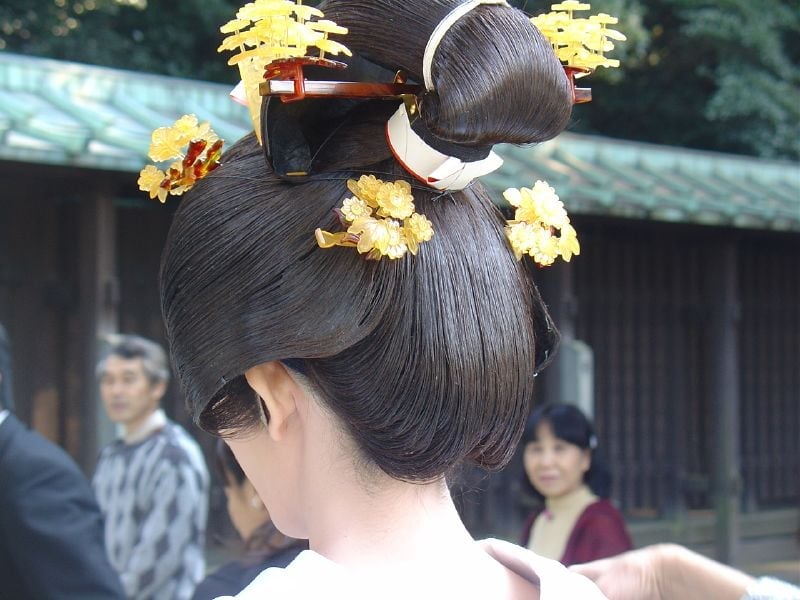
The architecture here is the point, with thick, straight dark brown hair swept up into a substantial bun that sits low. Golden and red floral ornaments and wooden pins are placed with precision along the curve of the bun, each one doing the double duty of decoration and structural support. This is a japanese bridal hairstyle that relies on the contrast between the smooth, dense hair and the delicate metalwork.
Because the ornaments need to sit flush against the hair without slipping, the bun has to be firm, which means this is a salon project. The stylist builds the shape in sections, pinning each one into place before adding the next, and the flowers go in last. The payoff is an updo that holds its shape through a long ceremony and photographs well from every angle.
Chin Length Wavy Bob With Blunt Bangs and Brown With Subtle Highlights
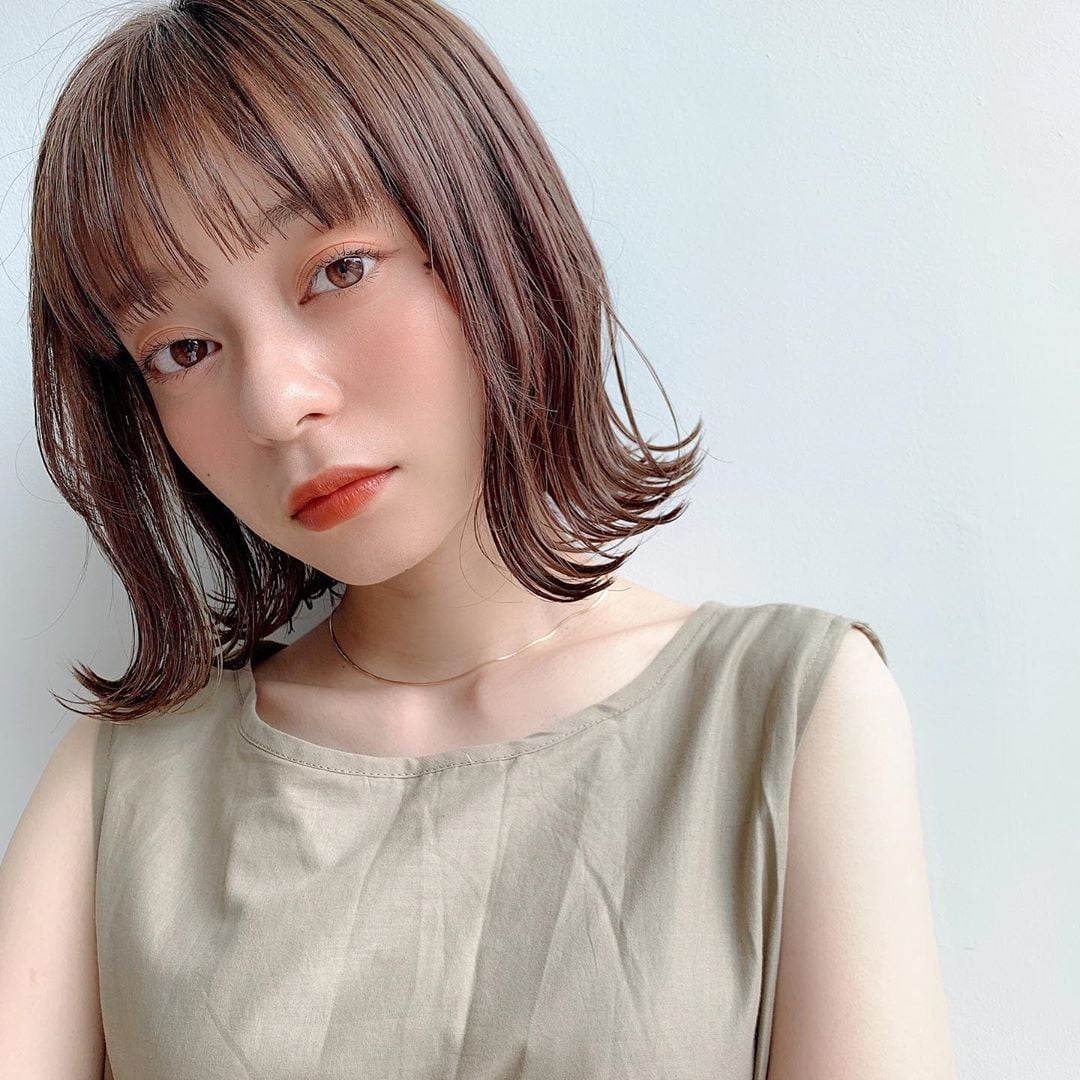
Wondering if a wavy chin length bob will work on fine, straight hair? It does, provided you treat the waves as a styling choice, not a texture you already have. The blunt bangs and middle parting give the cut its structure, while the subtle highlights in the brown base add depth so the waves don’t look flat. Ask your stylist for: chin length wavy bob with blunt bangs. On fine hair, a texturizing spray and a diffuser will coax out soft bends that hold for the day, and the blunt bangs will need a trim every three to four weeks to keep their line. Oval and heart-shaped faces carry the blunt fringe best.
Sharp Back View Blunt Bob
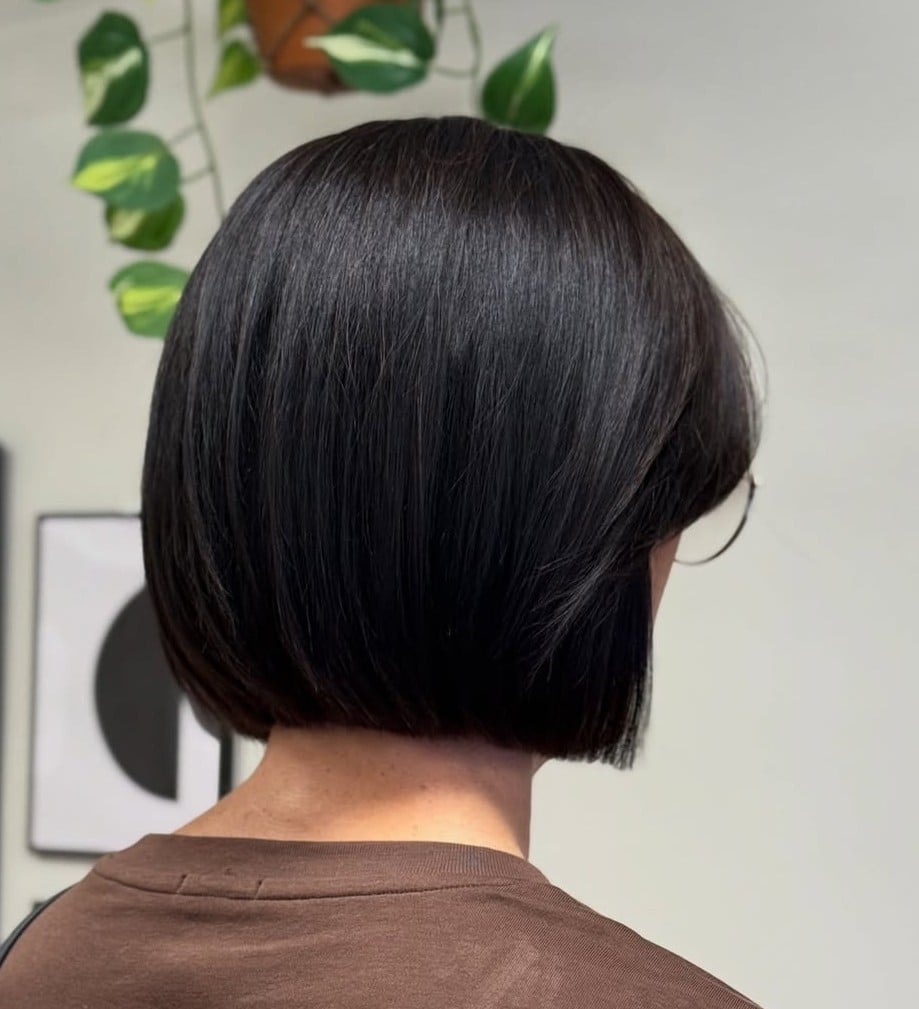
The back view of this blunt bob is a single clean line, with thick, straight dark brown hair cut to end precisely at the chin. It’s a design that rewards commitment: the sharp edge at the nape is the whole effect, and the moment it grows out, the line softens into something closer to a rounded bob. Ask your stylist for: chin length sharp blunt bob. A flat iron will keep the sleekness intact, but the real work is the trim, which needs to happen every six to eight weeks to preserve that exact cut. This is the haircut for anyone who likes their style to make a statement without a single wave involved.
Polished Short Bob With Layered Cut
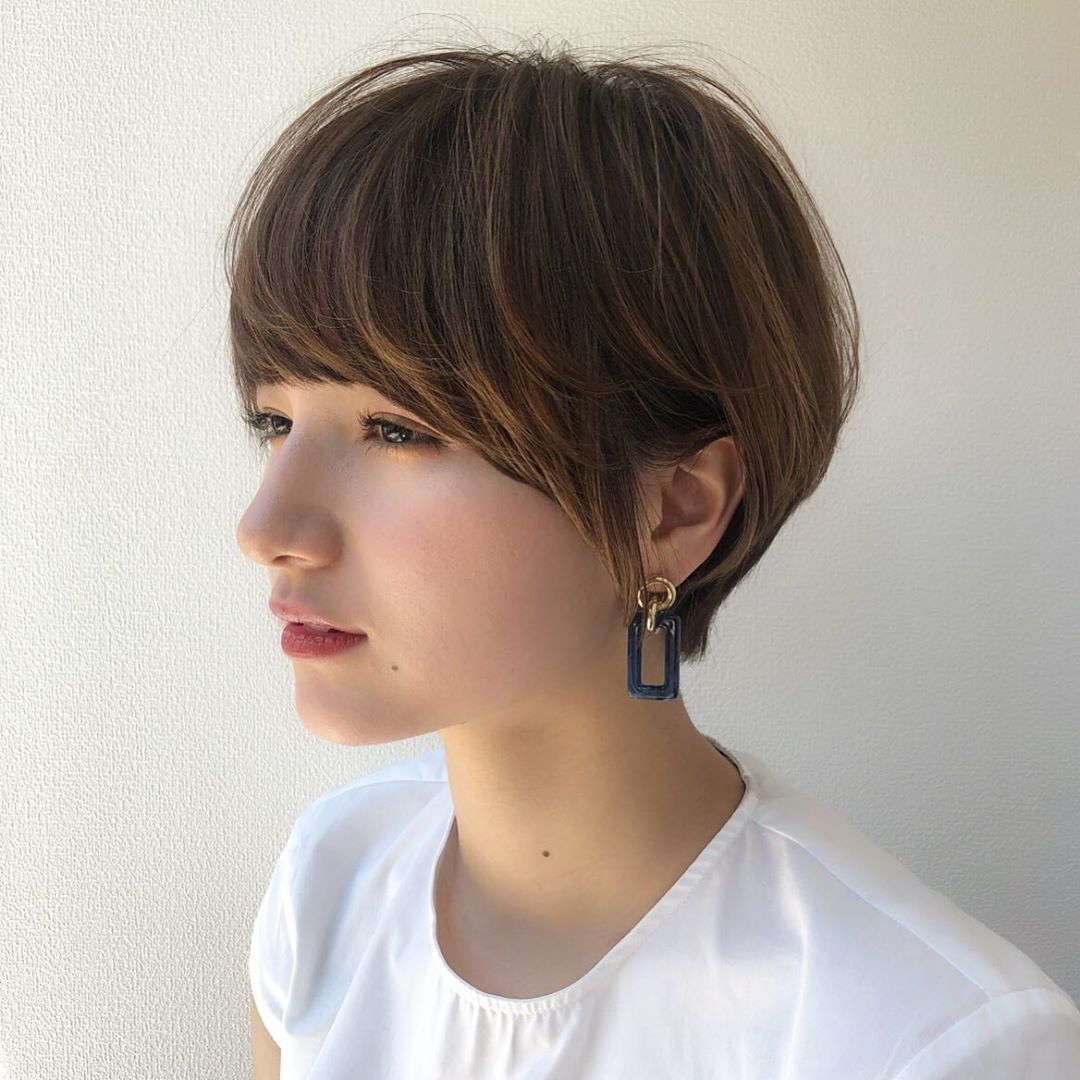
A layered cut does the quiet work here, adding movement to a medium brown short bob with subtle highlights that would otherwise sit flat against the head. The side parting and short side-swept bangs break up the chin-length line, and the fine, straight texture takes well to the internal layers that give the surface a gentle, polished lift. Ask your stylist for: polished short bob with subtle layers. Blow-drying with a round brush smooths the hair into place and bends the ends under for that finished shape. The layers soften the jawline, which makes this a sensible pick for angular faces, and a trim every six to eight weeks keeps the cut from losing its precision.
Sculpted Shimada Updo With Single Flower
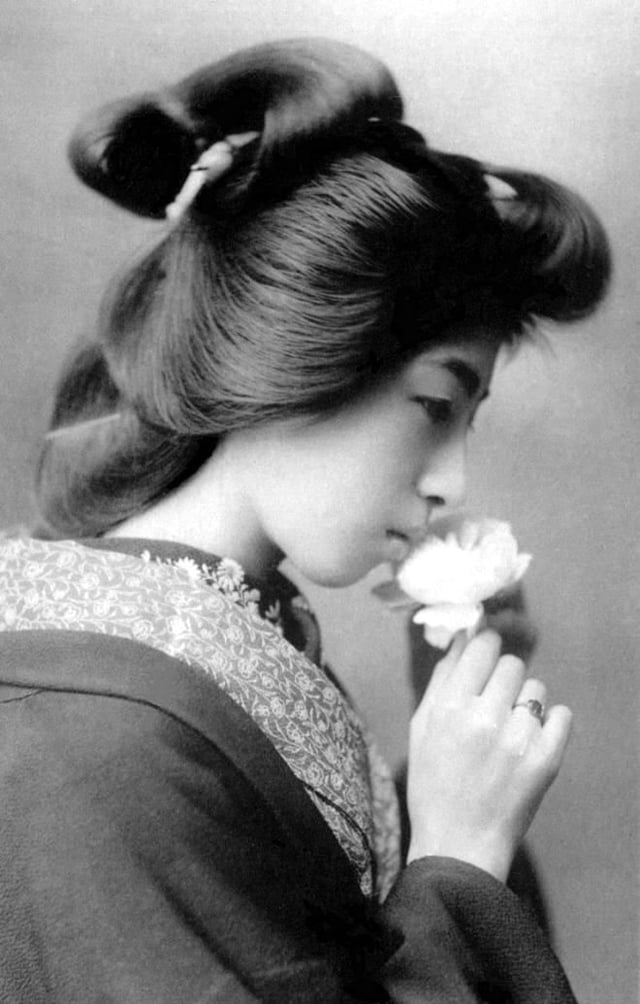
Want the traditional shimada updo without the full ornament lineup? The sculpted bun, built from long, thick, straight black hair, carries the style on its own, and a single flower accent is all the decoration it needs. The bun is formed in stages, with the hair twisted and folded into a rounded shape that sits high at the back of the head, then pinned so the surface stays smooth and the structure holds firm.
This is not a DIY situation. The shimada requires a stylist who knows the traditional construction, since the shape depends on tension and placement, not product. Ask your stylist for: sculpted Shimada updo with a flower. This formal style suits ceremonies and events where the hair needs to stay put for hours. The flower should be anchored into the bun with its own pin so it doesn’t shift during wear.
Mid-Back Layers With Face-Framing Pieces
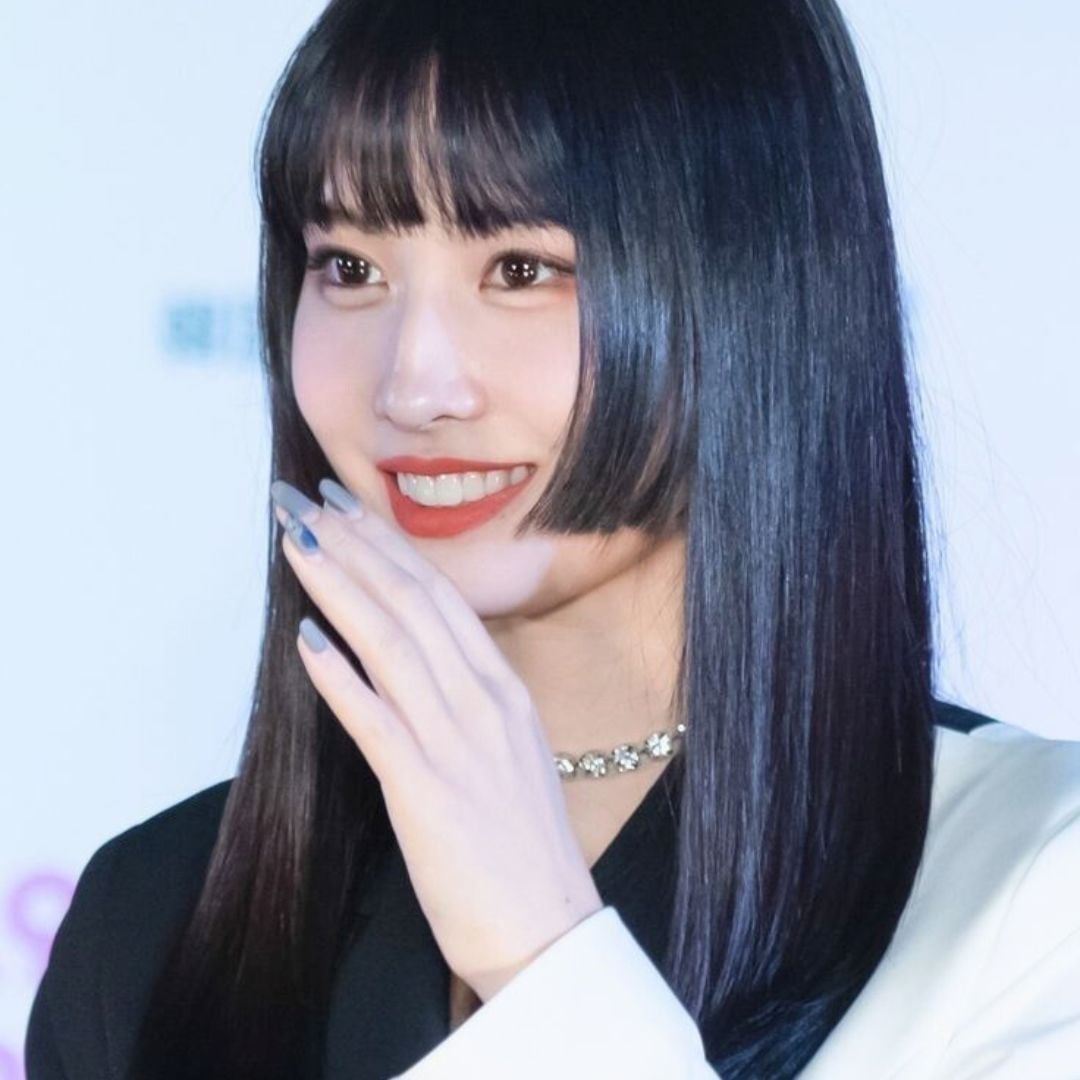
Who doesn’t want hair that looks like it was cut to frame every angle of your face? These mid-back layers do exactly that, with face-framing pieces that start around the cheekbones and blend into long, straight black hair. The middle parting and thick texture give the cut a clean, graphic feel that holds its shape well.
This style suits those with thick, straight hair who want movement without losing length. The face-framing layers soften most face shapes, especially round or square ones, by drawing the eye downward. Ask your stylist for: mid-back long layers with face-framing pieces. To keep the pieces from falling flat, blow-dry with a round brush, directing the front sections away from your face. A trim every eight to ten weeks keeps the framing precise.
Classic Bun With Wooden Hair Stick
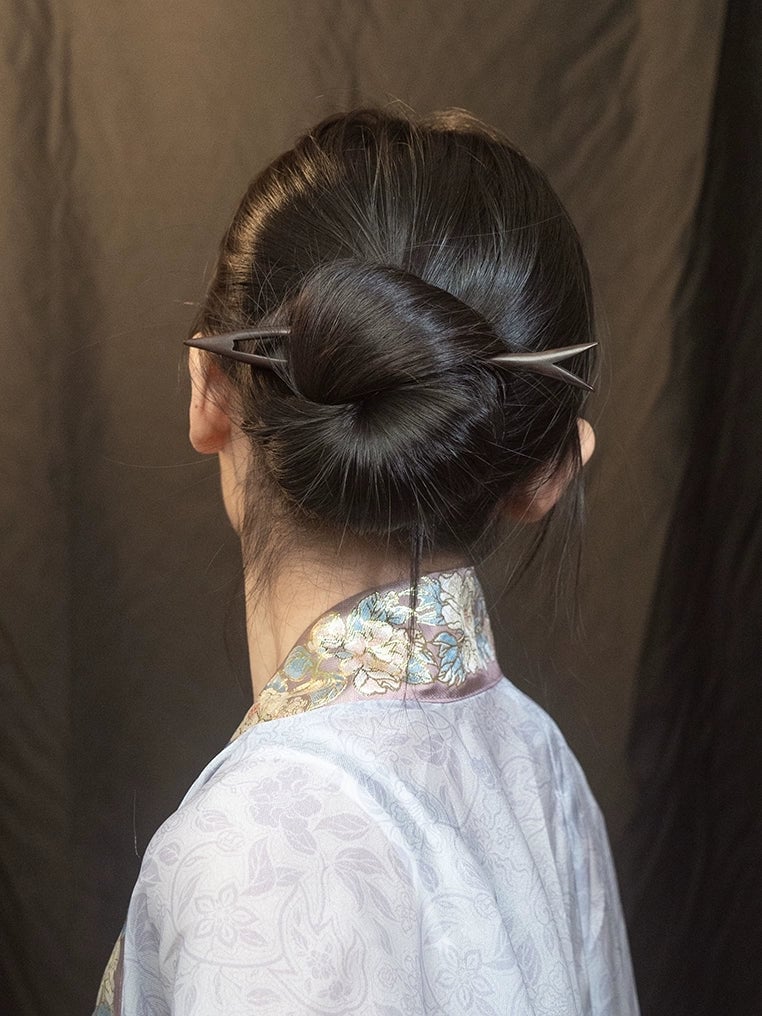
Compared to a sleek ponytail or a braided updo, the classic bun with a wooden hair stick is the quiet overachiever of updos. It takes long, thick, straight dark brown hair and gathers it into a neat, smooth knot at the back, secured with a single stick that doubles as the ornament. The finish is polished, and the hold is solid enough to last through a full day without constant fussing.
This is a style that works for almost anyone with enough length to twist, and it fits both casual errands and more formal settings. Ask your stylist for: classic bun with a wooden hair stick. Before gathering the hair, smooth down flyaways with a light mist of water or a touch of serum, then twist and wrap, tucking the ends under. Ensure the stick pierces through the base of the bun to lock it in place.
Collarbone Bob With Side-Swept Bangs
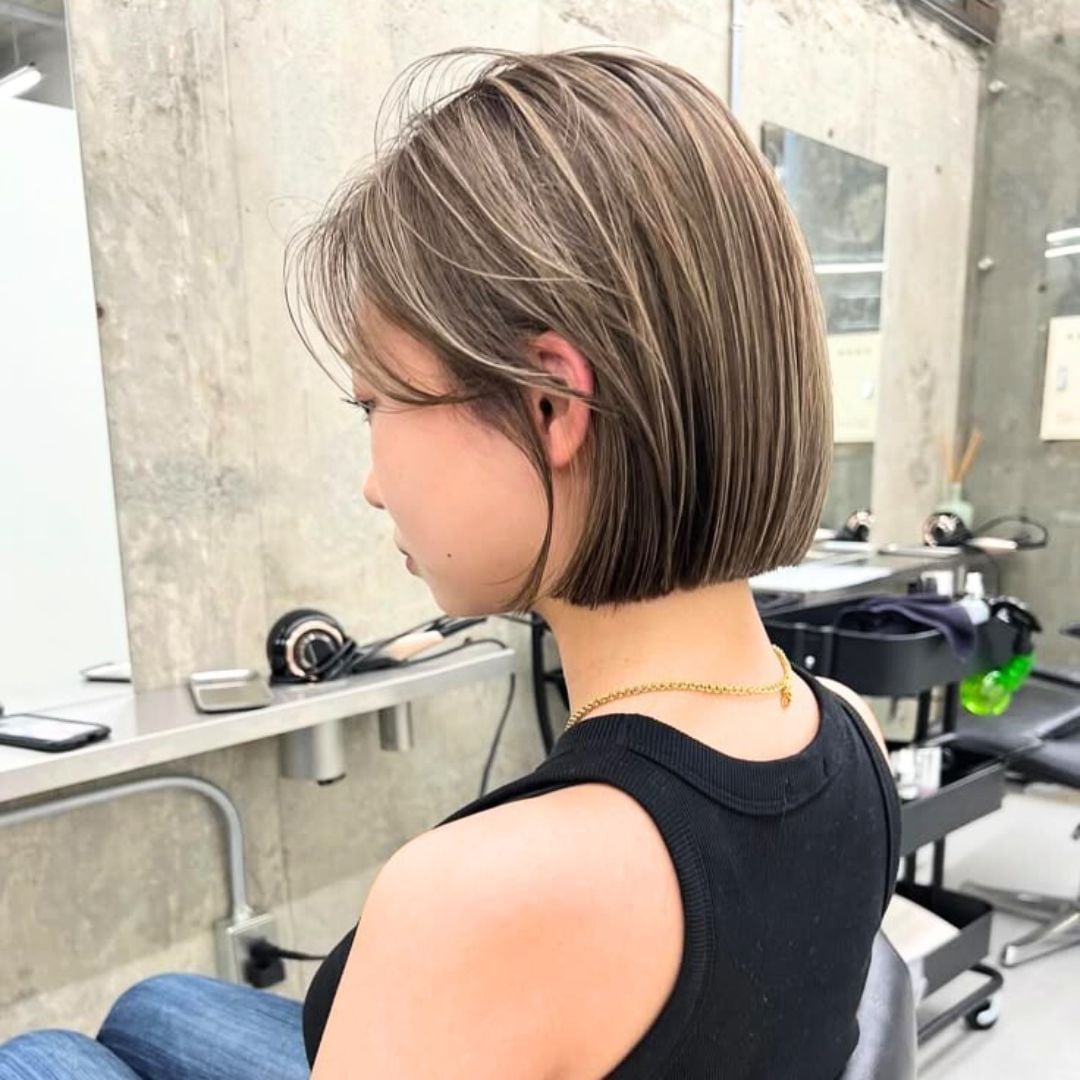
The collarbone bob with side-swept bangs is built on a side parting that sweeps the bangs across the forehead, softening the whole silhouette. The cut sits right at the collarbone, with fine, straight hair styled in a smooth blowout that adds a touch of volume at the roots. The subtle highlights woven through the brown base create dimension.
For daily styling, blow-dry with a round brush, directing the bangs to keep them sweeping. The fine texture means the style holds a blowout well for a day, but it will drop by the evening, so a quick refresh with a curling iron on the ends helps. The upkeep requires a trim every six to eight weeks to keep the bangs from drifting into your eyes. Ask your stylist for: collarbone bob with side-swept bangs and highlights.
Traditional Shimada Updo
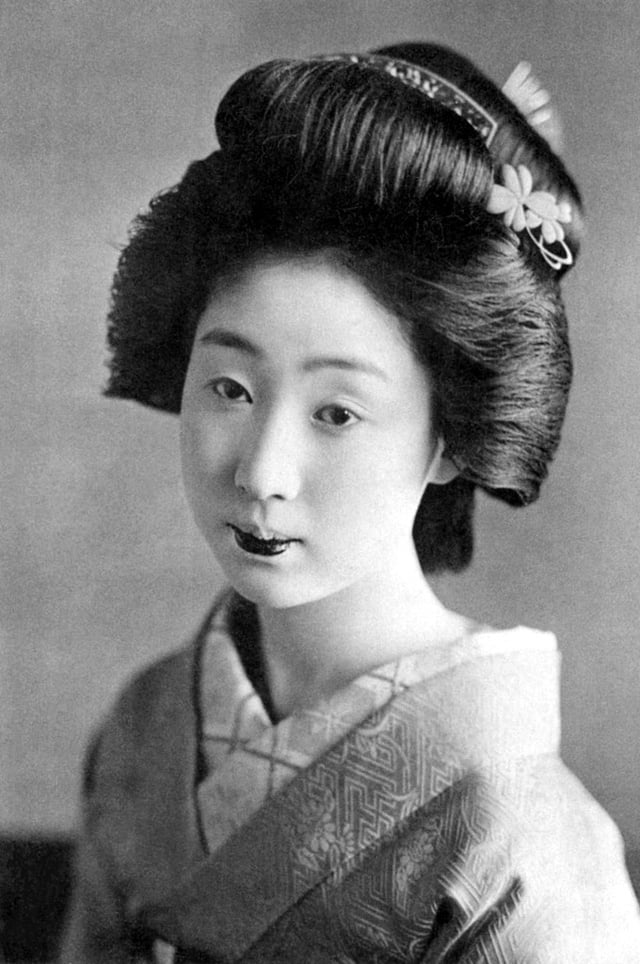
Notice how the traditional Shimada updo is sculpted into a rounded, prominent shape that sits high on the head, with visible texture that looks almost architectural. This is not a style you toss together in five minutes. It starts with long, thick, straight black hair, which is sectioned, twisted, and pinned into a series of loops and rolls that create that distinctive silhouette. The absence of bangs keeps the front clean and severe, drawing attention to the sculpted mass above.
The technique relies on precise pinning and a strong hold hairspray to keep every loop in place, so this is one for the salon chair rather than the bathroom mirror. It suits long, thick hair most; fine or thin hair would struggle to hold the volume. This updo is reserved for formal and cultural occasions, like a wedding or a traditional ceremony, where its gravity matches the event. Ask your stylist for: traditional sculpted Shimada updo.
Textured Light Brown Pixie With Pink Streaks
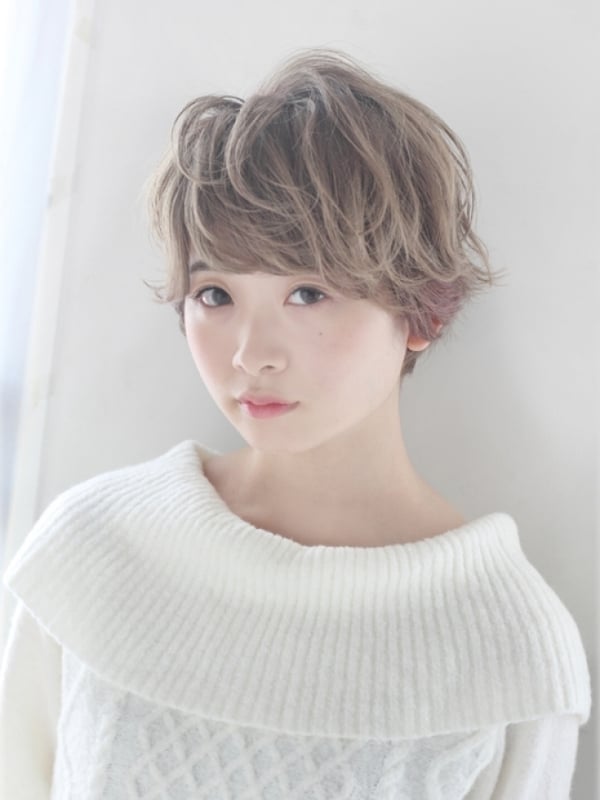
Who says a pixie has to be all business? This textured cut in light brown with pink streaks adds a playful jolt of color, with the pink concentrated on one side for a subtle asymmetry. The wispy bangs are styled forward, and the fine, straight texture is left slightly messy, with a middle parting that keeps it from looking too neat.
This style suits those with fine hair who want volume and movement without the weight of longer lengths, and it works on most face shapes, especially oval or heart. Ask your stylist for: textured pixie with wispy bangs and pink highlights. To keep the pieces defined, work a texturizing paste through the ends, and plan for a trim every four to six weeks to maintain the shape and the color’s freshness.
Intricate Bridal Updo
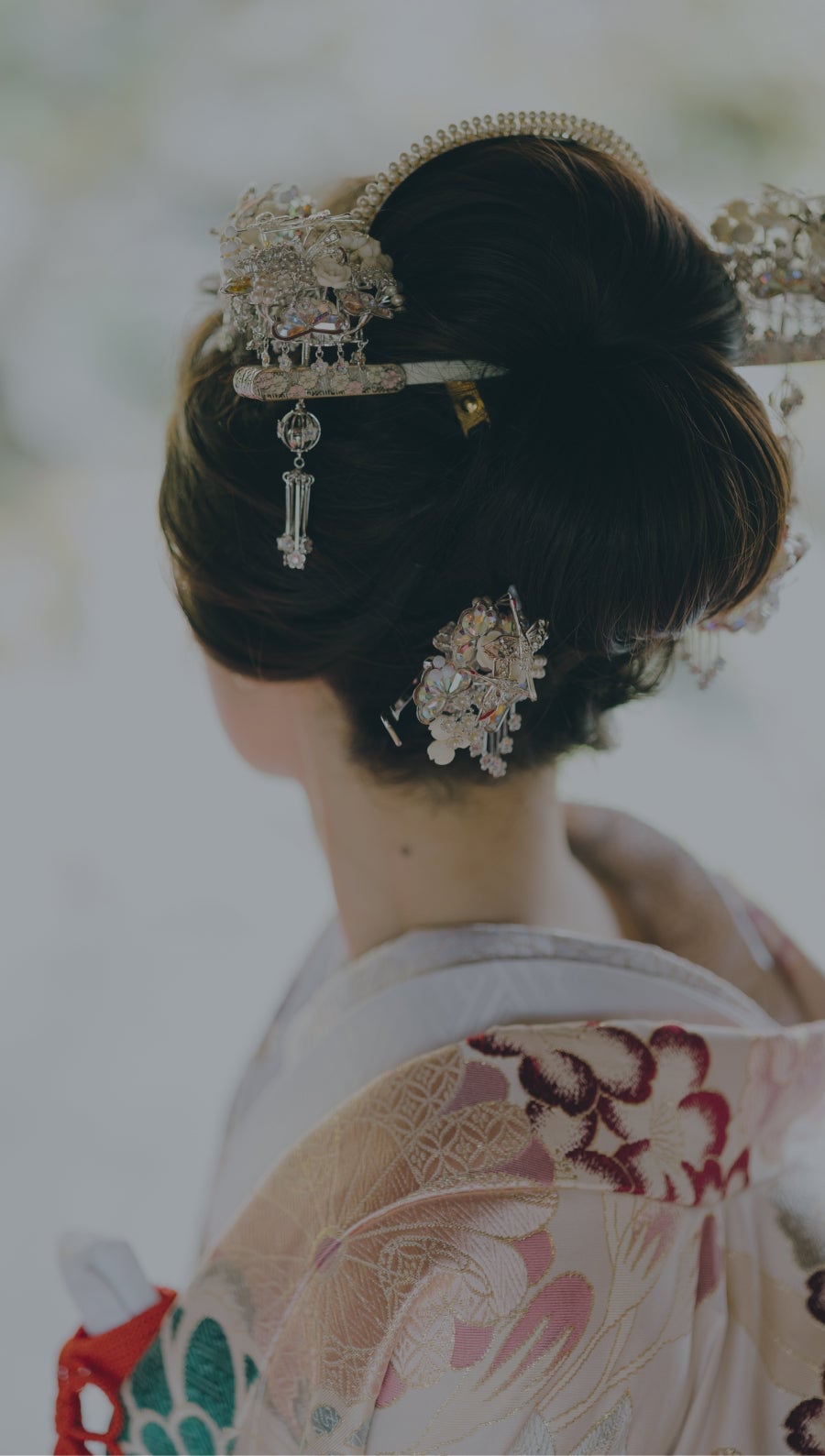
This is the Japanese bridal updo taken to its most formal register, the kind of construction that separates a wedding from a party. Where a simpler chignon might rely on a single twist, this version layers ornate hairpins and floral accents into the smooth, tightly secured mass of black hair, each piece placed with the precision of a jeweler. The back view is the whole point: the long, thick, straight texture is gathered so cleanly that nothing escapes, and the ornaments do the talking. Ask your stylist for: intricate bridal updo with traditional ornaments.
It suits long, thick, straight hair, since fine or slippery strands will not hold the weight of the pins. The structure is not something to attempt at home, professional styling is essential, both to build the shape and to anchor every accent so it stays put through hours of photos and dancing. Choose this when the occasion demands ceremony, and let the hairpins carry the drama.
Short Black Bob With Blunt Bangs, Ear
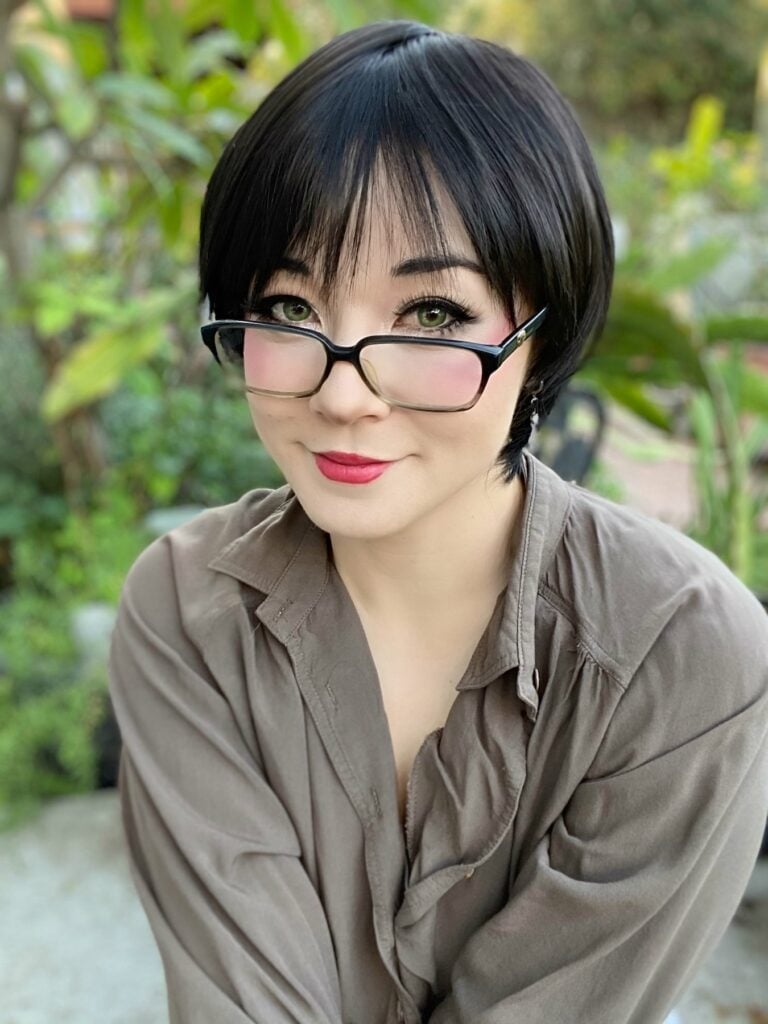
At ear length, this short black bob earns its sharp silhouette from the blunt bangs and the middle parting, both of which give the thick, straight texture a clean, graphic line. The bangs are the commitment: they need a trim every two to three weeks to hold that precise edge, and a flat iron is the daily tool for keeping the rest sleek. The real drawback is the grow-out, because the blunt line will look ragged long before the length reaches your jaw. Ask your stylist for: short black bob with blunt bangs.
Voluminous Wavy Layers
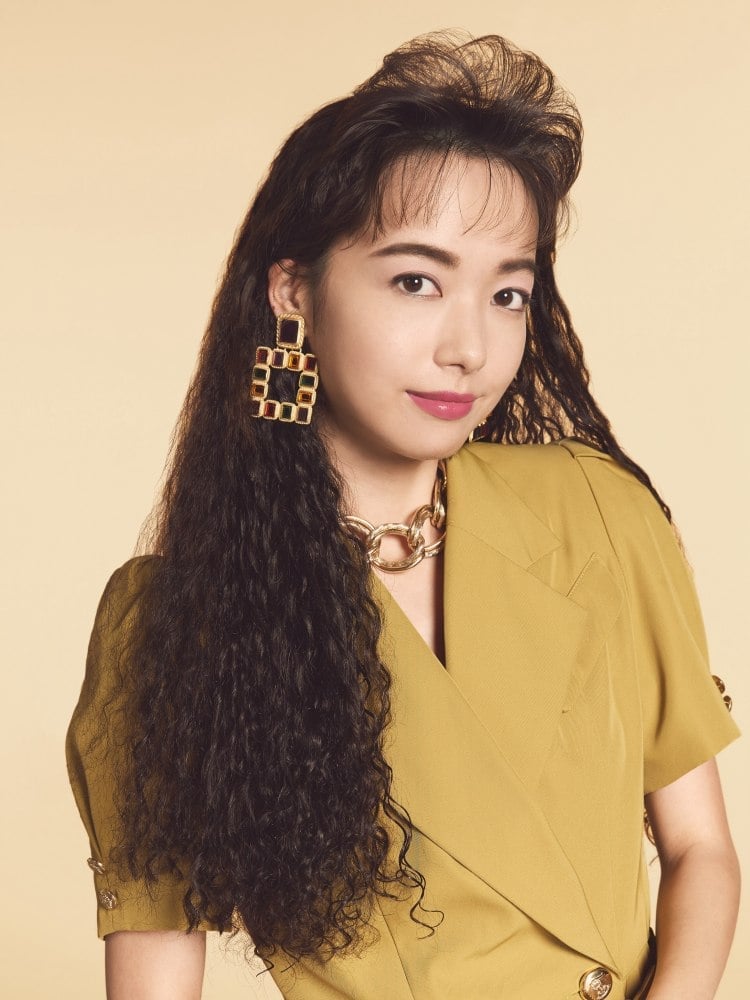
The volume here starts with the layers, cut so the thick, dark brown hair stacks from mid-back up instead of hanging flat. A middle parting keeps the weight centered, while the wavy texture, styled into a blowout with a round brush, bends the ends into soft movement rather than tight curls. The finer waves near the ends are what sell the finish, they catch the light and keep the mass from looking heavy. Ask your stylist for: mid-back voluminous wavy layers.
This is a cut that works because the thickness does the work, but the blowout is where the lift happens. Drying the roots against the direction of growth, or flipping the head upside down for the first pass, adds height that lasts through the day. For everyday wear, a large-barrel brush and a cool shot at the end lock in the shape without stiffening it.
Final Thoughts
For daily wear, a blunt bob or textured pixie keeps styling quick and the shape honest between trims. For celebrations, a traditional updo with ornaments turns the ordinary into an event. Match the look to your schedule, not the other way around.
- Trim blunt cuts every six to eight weeks.
- Tone subtle highlights every 8-12 weeks.
- Use heat protectant before styling.
- Secure updos with pins and hairspray.
- Trim layered styles every 6-10 weeks.
Embrace the artistry of Japanese hair.