Pink hair dye has moved from a seasonal statement into a permanent fixture on the color wheel. In 2027, the spectrum spans dusty rose, pastel pink, and hot pink, with lived-in color and soft face-framing layers leading the way.
This collection of 27 pink hair ideas covers every shade and technique, from low-upkeep rose gold balayage to high-impact vivid pink. Whether your hair is fine, thick, short, or long, there is a version here that works with your texture and lifestyle. Pink hair dye no longer means a constant touch-up battle; the right shade and placement can keep the grow-out line subtle and the color fresh for weeks.
Pastel Pink Collarbone Lob With Curtain Bangs
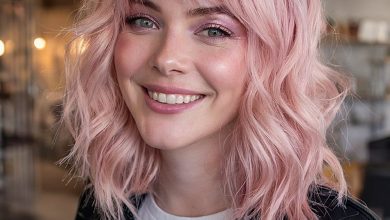
A collarbone length lob with curtain bangs has a deliberately undone look. The pastel pink hue sits on fine, wavy texture, so the color appears soft rather than chalky. Fine hair at collarbone length benefits from the layers, which stop the cut from falling flat. Curtain bangs soften round and heart face shapes without demanding constant heat. Ask your colorist for: collarbone lob, pastel pink color, curtain bangs. Air dry with a texturizing spray for that lived in wave. Trim the fringe every four to six weeks, and expect a toning appointment every six to eight to keep the pastel from fading to dishwater.
Collarbone Length Pastel Pink With Soft Waves
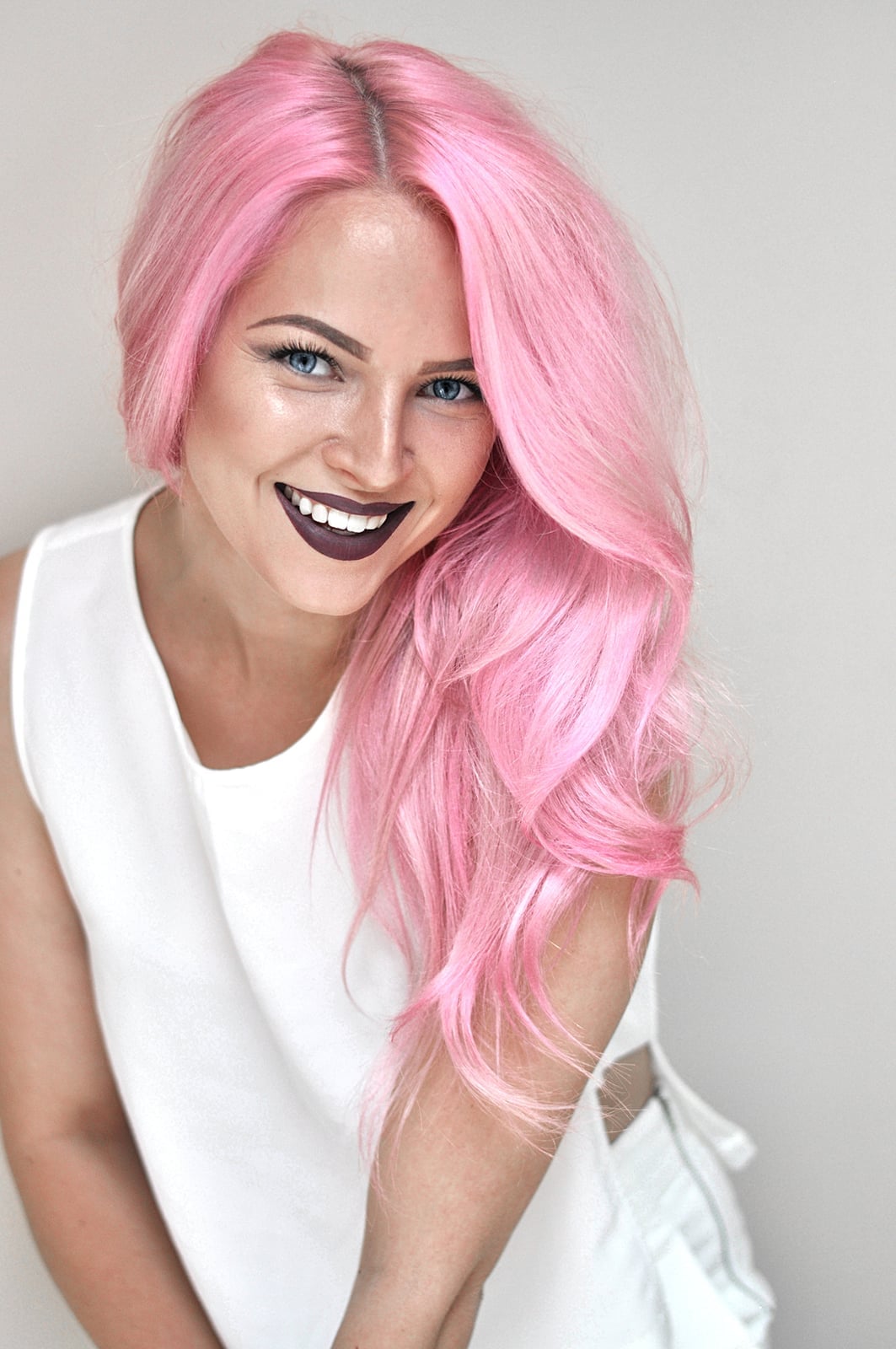
A uniform pastel pink across collarbone length hair requires a pre-lightened base, which is the real time commitment here. Soft waves add movement and prevent the single shade from reading as flat. Medium density hair at this length holds the wave well without needing a bucket of product. The middle parting keeps the look current, not nostalgic for 2016. Ask your colorist for: collarbone length, pastel pink, soft waves. A large barrel curling iron creates the bend, and a cool shot on the dryer locks it in. Suits most face shapes, though anyone with very short layers should check that the curtain effect actually lands.
Shoulder Length Dusty Rose Pink With Curtain Bangs
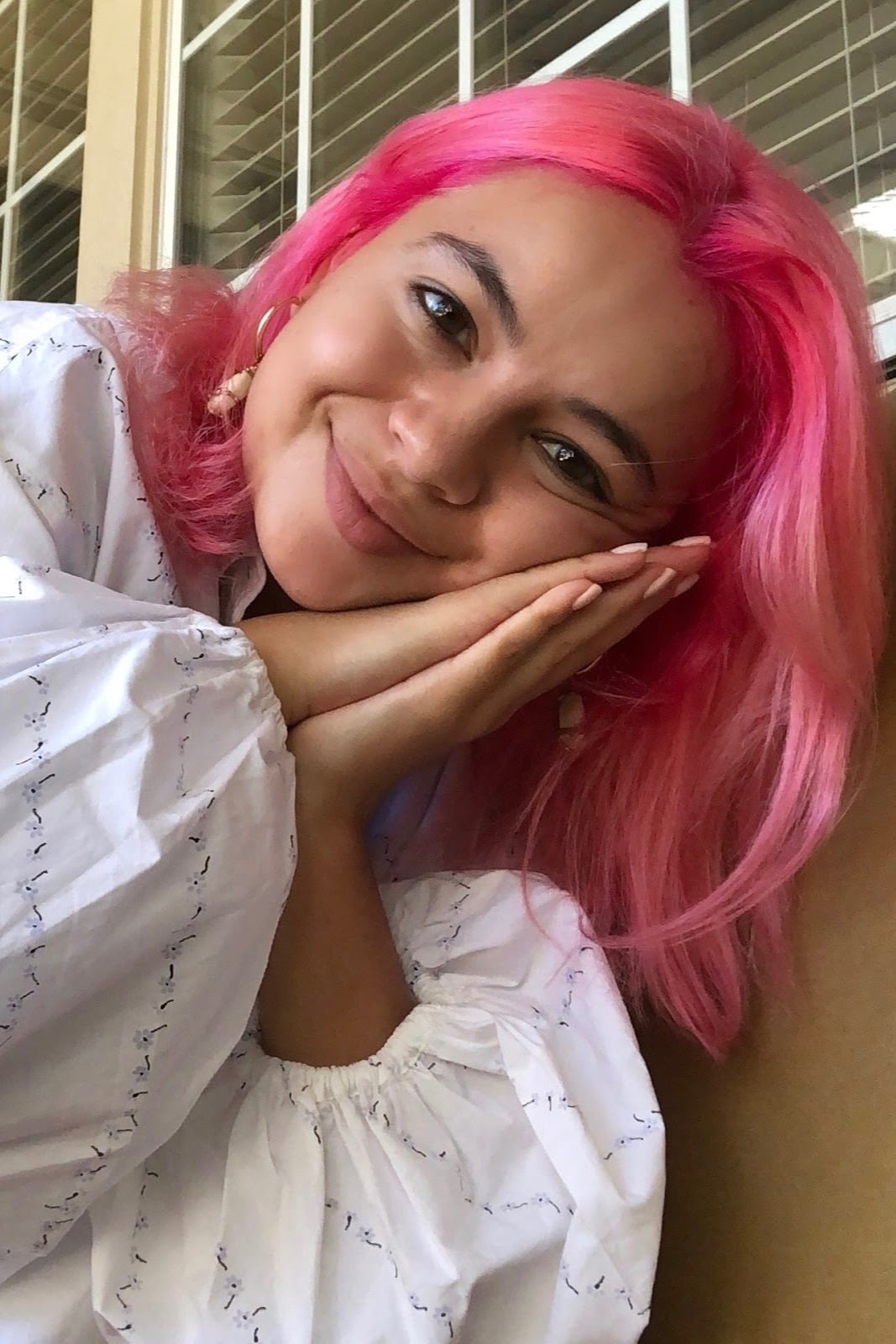
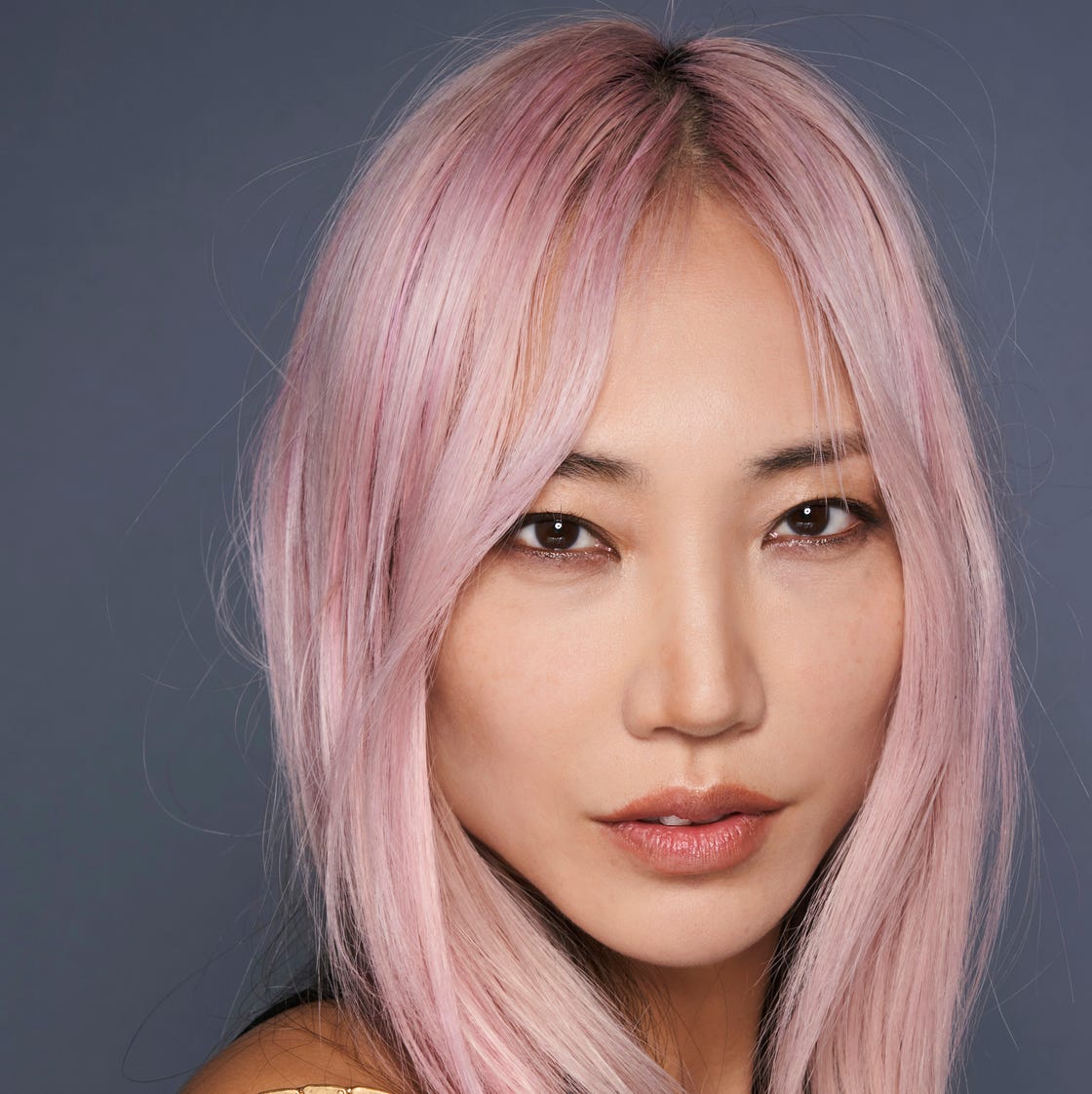
Dusty rose pink gives a grown up take on color without looking like a party favor. This shoulder length cut uses layers and curtain bangs to soften the overall shape, and the fine texture keeps the blowout smooth. The middle parting frames the face without committing to a full fringe. Ask your colorist for: shoulder length layers, dusty rose pink, curtain bangs. Square and oval face shapes benefit from the softening effect of those wispy ends. A round brush and a blow dryer are all you need to recreate the wave. The color needs a toning appointment every six to eight weeks to maintain the muted rose tone.
Dusty Rose Pink Shoulder Length Layers
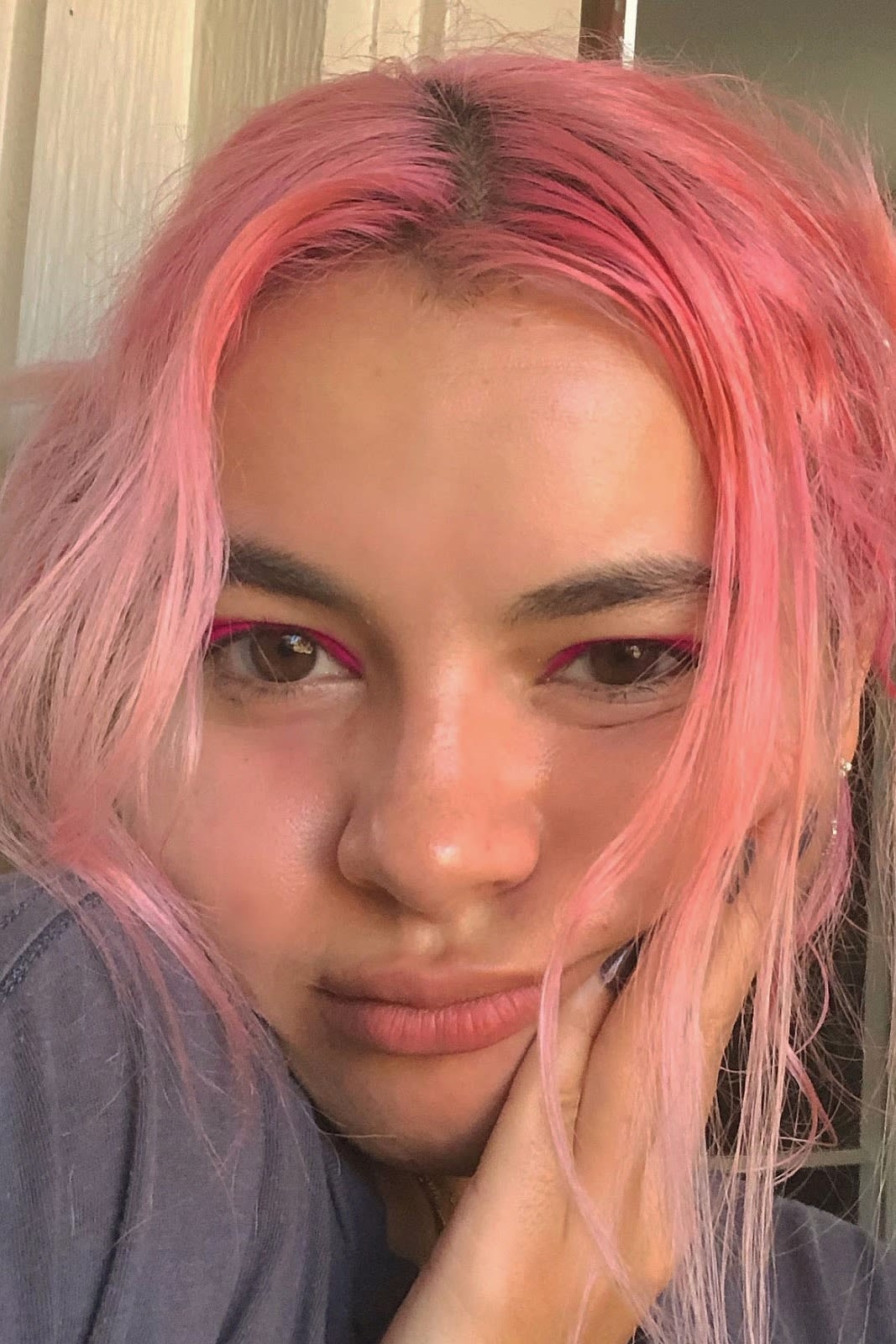
Compared to a vivid hot pink, dusty rose is the introvert of the pink family. This shade suggests a natural brunette who wandered into a rose garden, not someone who screamed for attention. This shoulder length cut with fine layers and curtain bangs keeps the shape soft, and the middle parting adds symmetry. The blowout with a gentle wave gives it polish without stiffness. Ask your colorist for: shoulder length layers, dusty rose pink. Fine hair at this length benefits from the layers, which create the illusion of density. The subtle undertone means you can go longer between toning appointments, roughly every eight weeks, before the pink fades to a neutral beige.
Rose Gold Balayage Collarbone Layers
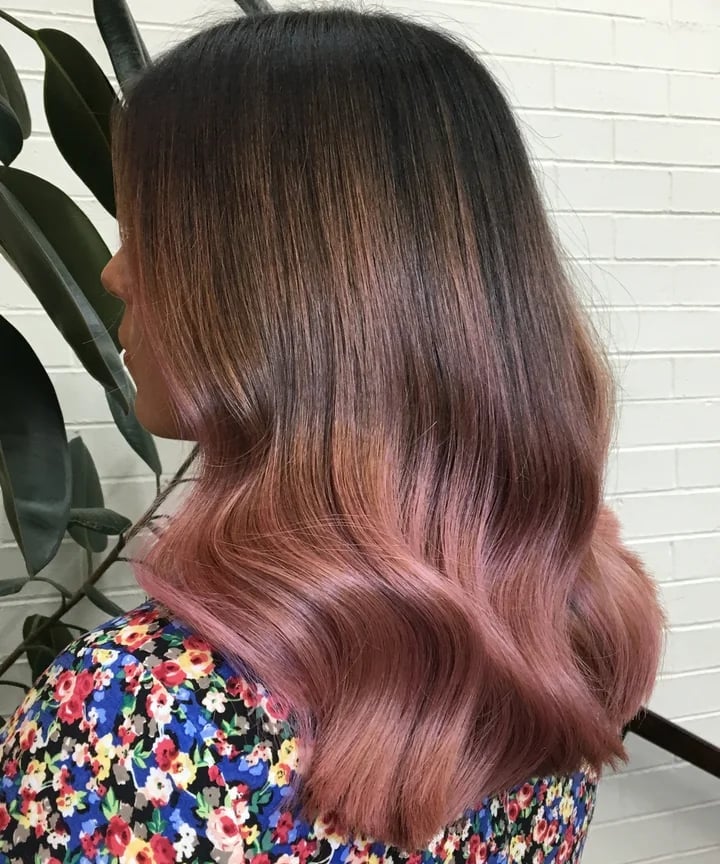
A rose gold balayage uses a darker base and hand-painted lighter ends, which means the grow-out is mercifully soft. The collarbone length with subtle layers gives medium density hair enough movement to show off the dimension. The side view reveals the real payoff: the color graduates from deeper at the roots to soft pink at the tips, not a hard line. Ask your colorist for: collarbone layers, rose gold balayage, soft pink ends. The wavy blowout emphasizes the contrast between base and highlights. This technique suits most face shapes and requires a trim every eight to ten weeks. A color-depositing conditioner in a rose tone keeps the pink from turning brassy between salon visits.
Rose Gold Pink Collarbone Layers With Highlights, Wavy
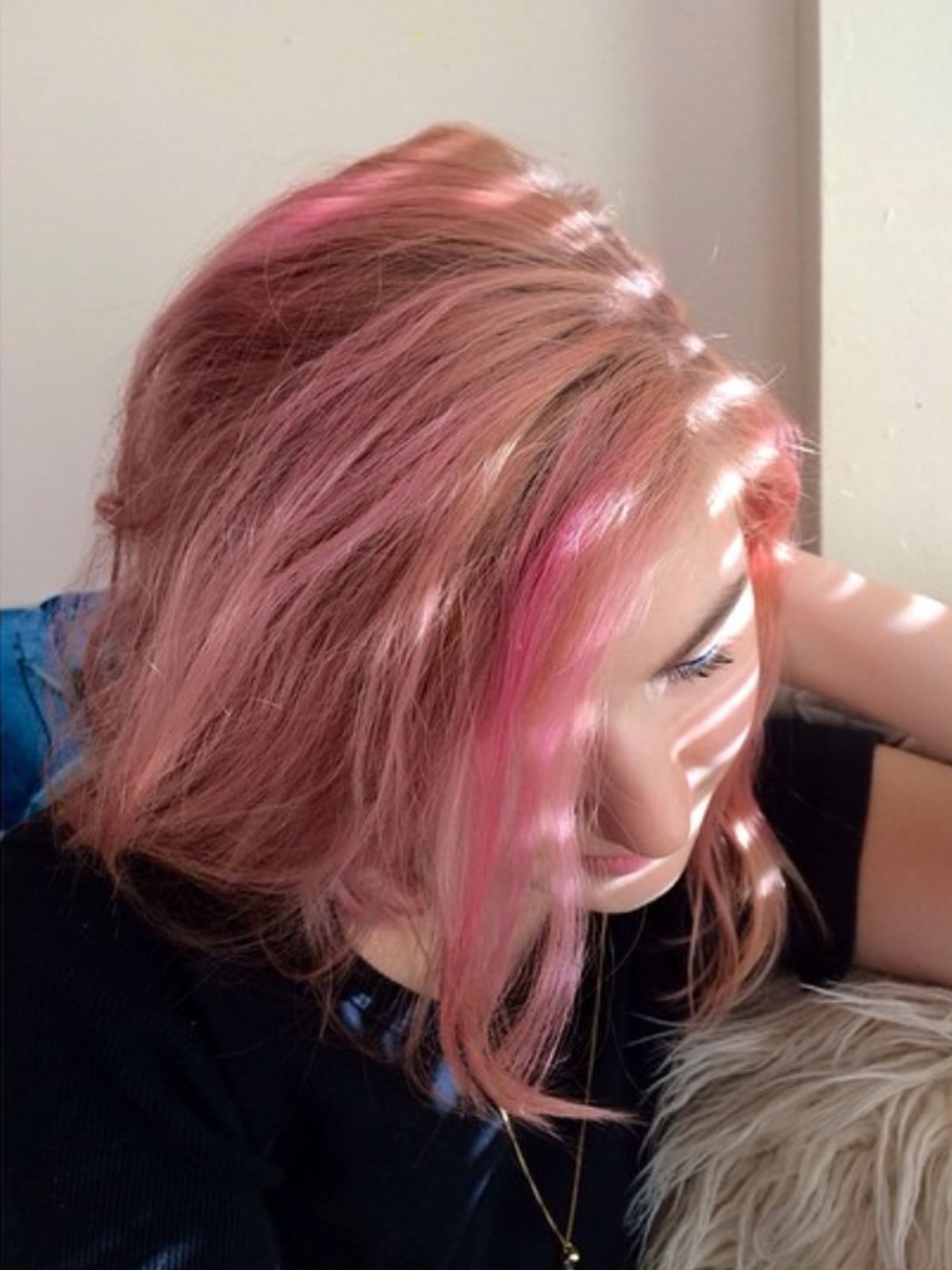
Soft layers at collarbone length carry a rose gold pink base with brighter pink strands woven through, a design that adds depth without bulk. Fine hair benefits from the lighter highlights, which create the illusion of movement and volume where a solid color might fall flat. Ask your colorist for: collarbone layers, rose gold pink base, brighter pink highlights. Air-dry for a natural finish, but plan on a toning appointment every six to eight weeks. This finish typically lasts two to three weeks, though keeping those bright pieces distinct requires regular upkeep, not a set-it-and-forget-it color.
Collarbone Ombre With Side Swept Bangs
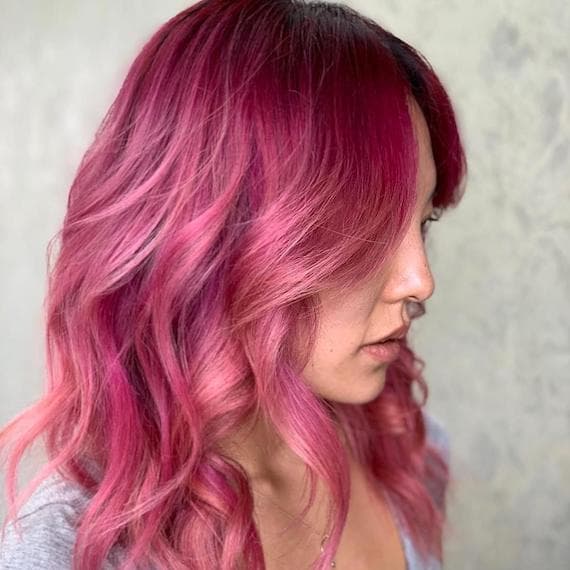
How does a pink ombre handle grow-out? This one has an answer built in. A dark root shadow anchors the collarbone length, then transitions through pink into a lighter pink ombre, with side-swept bangs and a side parting pulling the gradient across the face.
Ask your colorist for: collarbone length, side swept bangs, pink ombre. The root shadow stretches the time between touch-ups to roughly eight weeks, while the loose waves soften the transition line. Medium density hair holds the shape well, and the side sweep makes the color shift feel directional rather than splotchy.
Vivid Pink Collarbone Bob With Curtain Bangs
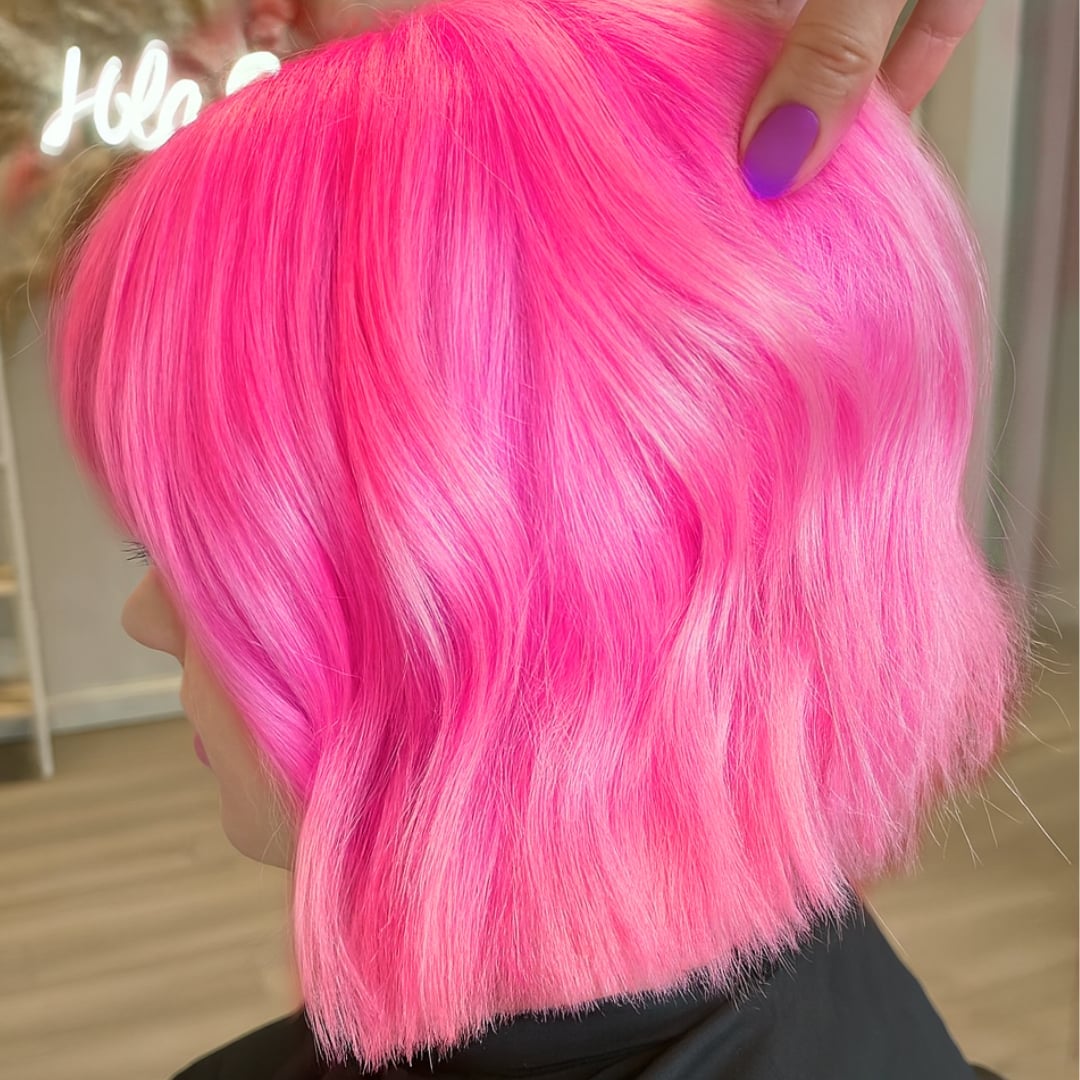
A collarbone bob in vivid pink with lighter pink highlights lands as a high-contrast statement. The curtain bangs frame the face without a full fringe, which works well for round and square face shapes looking for vertical lines. Ask your colorist for: collarbone bob, vivid pink, curtain bangs, lighter highlights. Medium density hair gives this bob enough weight to hold the wavy blowout shape. The vivid shade is bold, not brassy, which is the whole point.
Hot Pink Collarbone Bob With Soft Waves
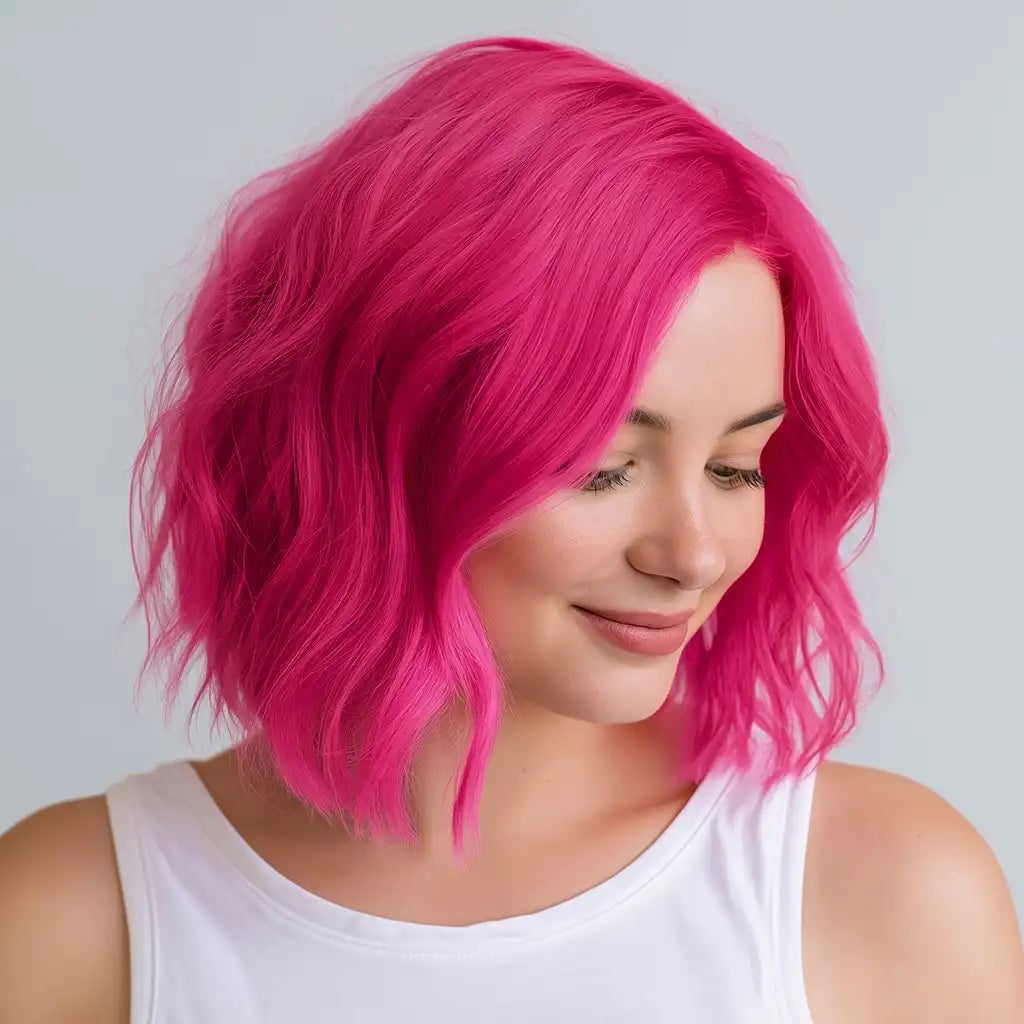
Not a rose gold or dusty variation, just a straight-up hot pink bob at collarbone length. The uniform color across a middle part and soft waves makes the shade the only event, no highlights or shadows to distract. Ask your colorist for: collarbone bob, uniform hot pink. Medium density hair keeps the wave pattern from collapsing under its own weight. Hot pink fades faster than pastels, so a color-depositing conditioner every other wash is less a suggestion and more a warning.
Dusty Rose Pink Shag With Wispy Bangs
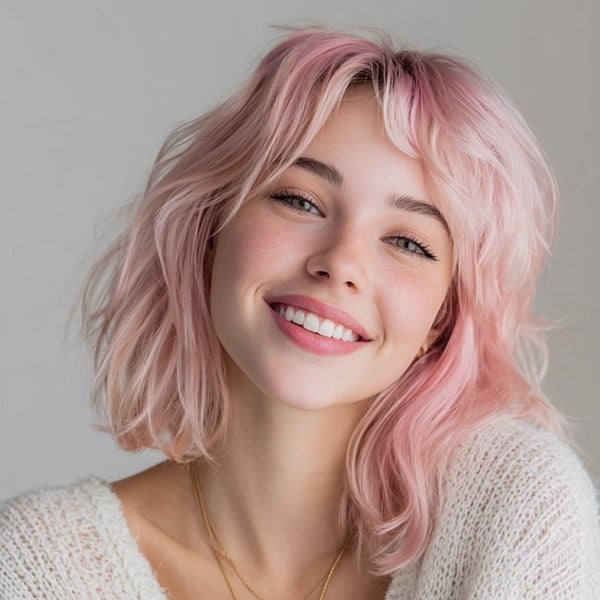
What season calls for a dusty rose pink shag with wispy bangs? Spring, when the light hits the subtle tone variations and the air-dried texture looks intentional rather than rushed. The collarbone shag cut relies on fine, wavy hair to keep its shape without product. Ask your stylist for: collarbone shag, dusty rose pink, wispy bangs. The wispy bangs need a trim every three to four weeks to stay feathery, but the payoff is a low-heat style that works for brunch or a weekend market.
Hot Pink Collarbone Lob With Side Part
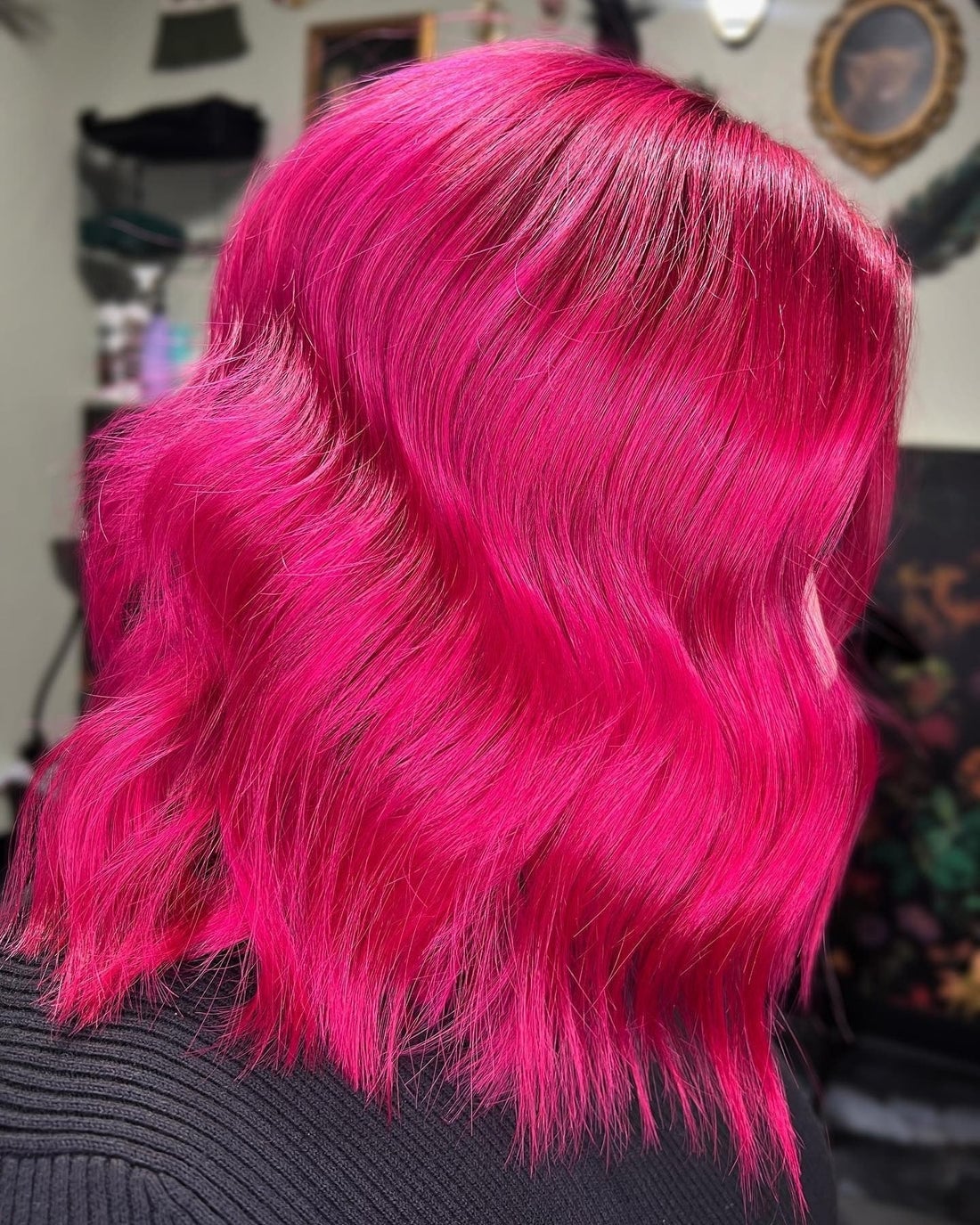
A side part changes the geometry of a lob entirely, and on thick hair it creates a deliberate swoop of volume on one side. The hot pink is a shade that looks vibrant and chosen on purpose. Ask your colorist for: collarbone lob, side part, hot pink. Thick hair at collarbone length takes a lob well since the weight keeps the silhouette clean. A side part also suits round and square faces by breaking up symmetry. This is a salon-only color: hot pink requires a pre-lighten to pale blonde before the dye goes on, so budget about three hours for the service.
Pink Ends Chin Length Bob With Curtain Bangs
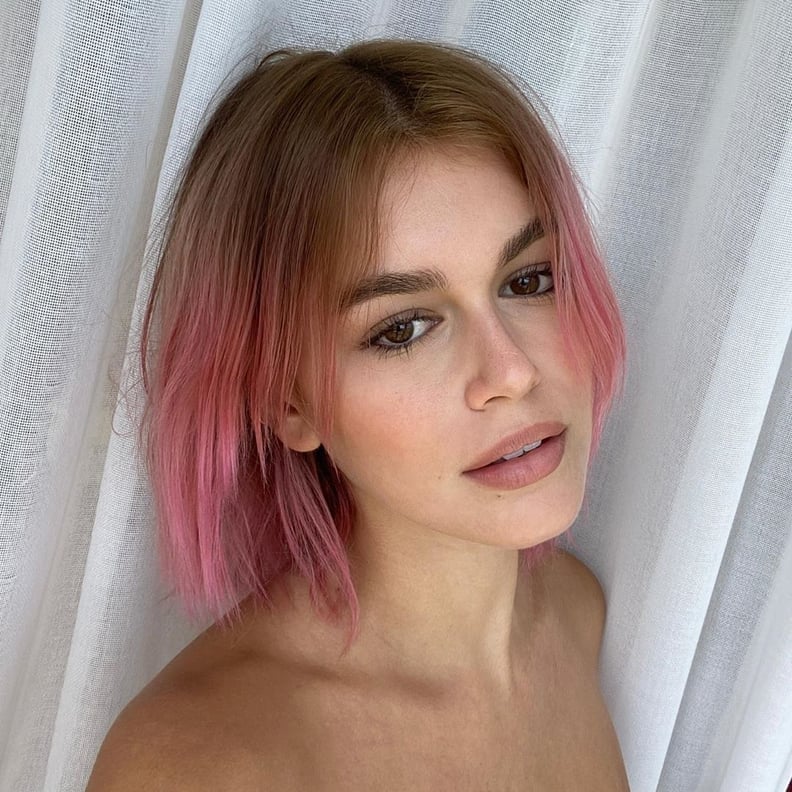
A chin-length bob with pink ends and blonde roots creates a fade that looks planned, not accidental. The fine texture here works in its favor: the blowout with a round brush adds the volume that fine hair usually has to fight for. Ask your colorist for: chin length bob, pink ends, blonde roots, curtain bangs. Curtain bangs soften round and heart faces by drawing attention outward. The upkeep is a trim every six to eight weeks to keep the bob shape crisp, plus a color-depositing conditioner every other wash to keep the pink from turning peachy.
Hot Pink Shoulder Length Shag With Curtain Bangs
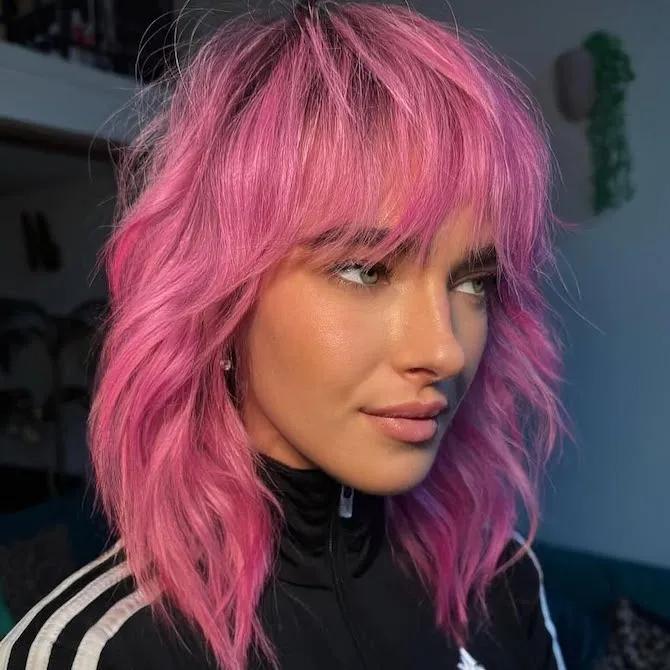
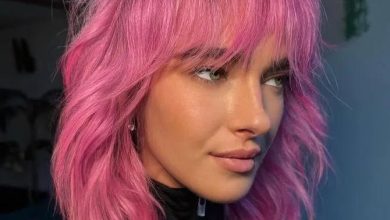
How does a hot pink shade stay even on thick, wavy hair? The trick is sectioning finely and saturating each piece before moving to the next, since thick hair absorbs pigment unevenly. A shag cut with curtain bangs gives the hot pink a framework that softens the intensity. Ask your colorist for: shoulder length shag, hot pink, curtain bangs. The shag works well on most face shapes because the layers create movement around the jaw. A sea salt spray through damp hair defines the texture without weighing it down.
Vivid Pink Shoulder Length Shag
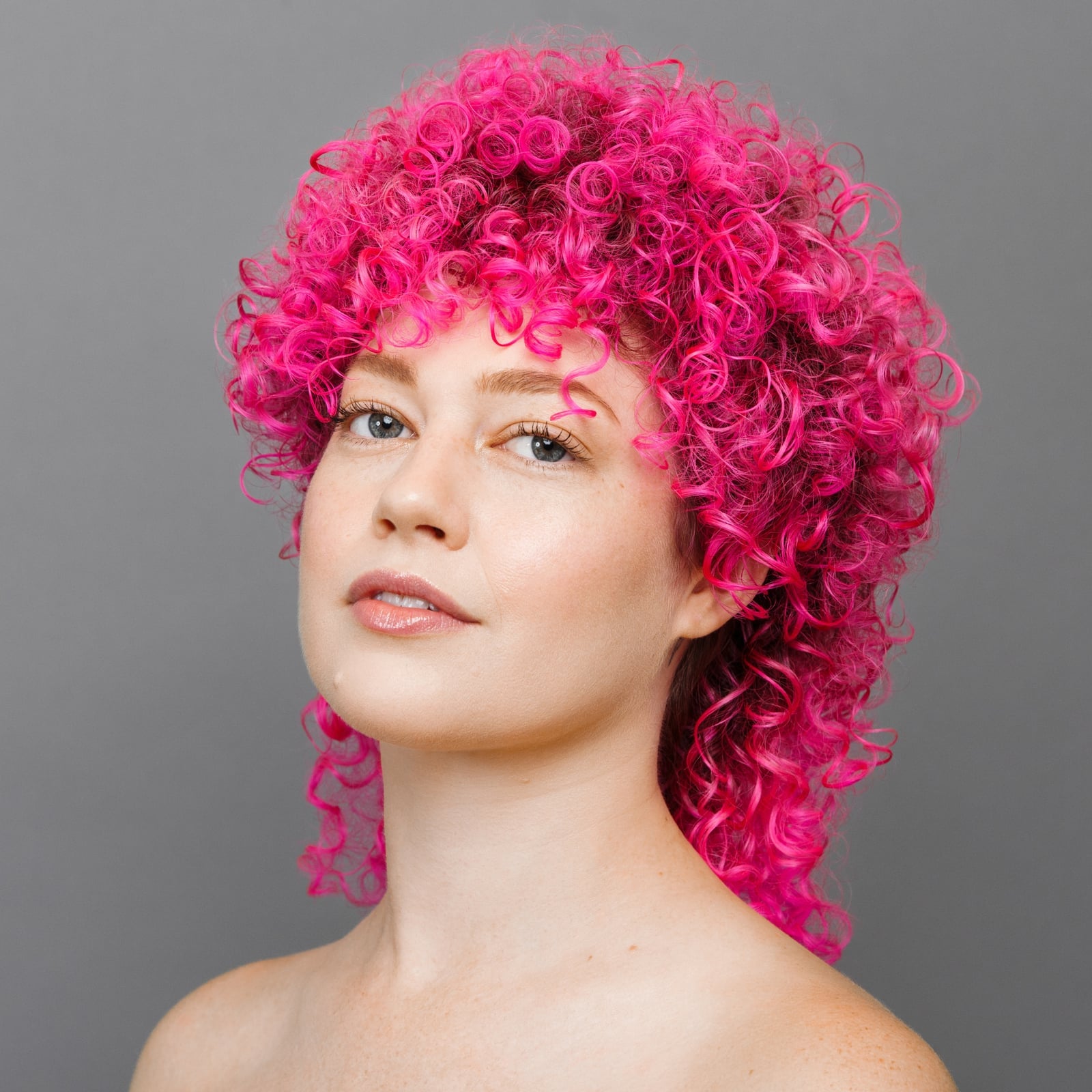
A vivid pink shag sits in a different lane than a dusty rose or pastel version: it demands attention without negotiation. The shoulder length keeps the shag from turning too rock-and-roll, while the curtain bangs pull the whole thing toward soft. Ask your colorist for: shoulder length shag, vivid pink, curtain bangs. Thick, wavy hair at shoulder length is the sweet spot for a shag since the layers have enough weight to fall without puffing out. Work a texturizing paste through damp hair for definition; the vivid pink will need a color refresh every four to six weeks.
Flamingo Pink Shoulder Length Waves
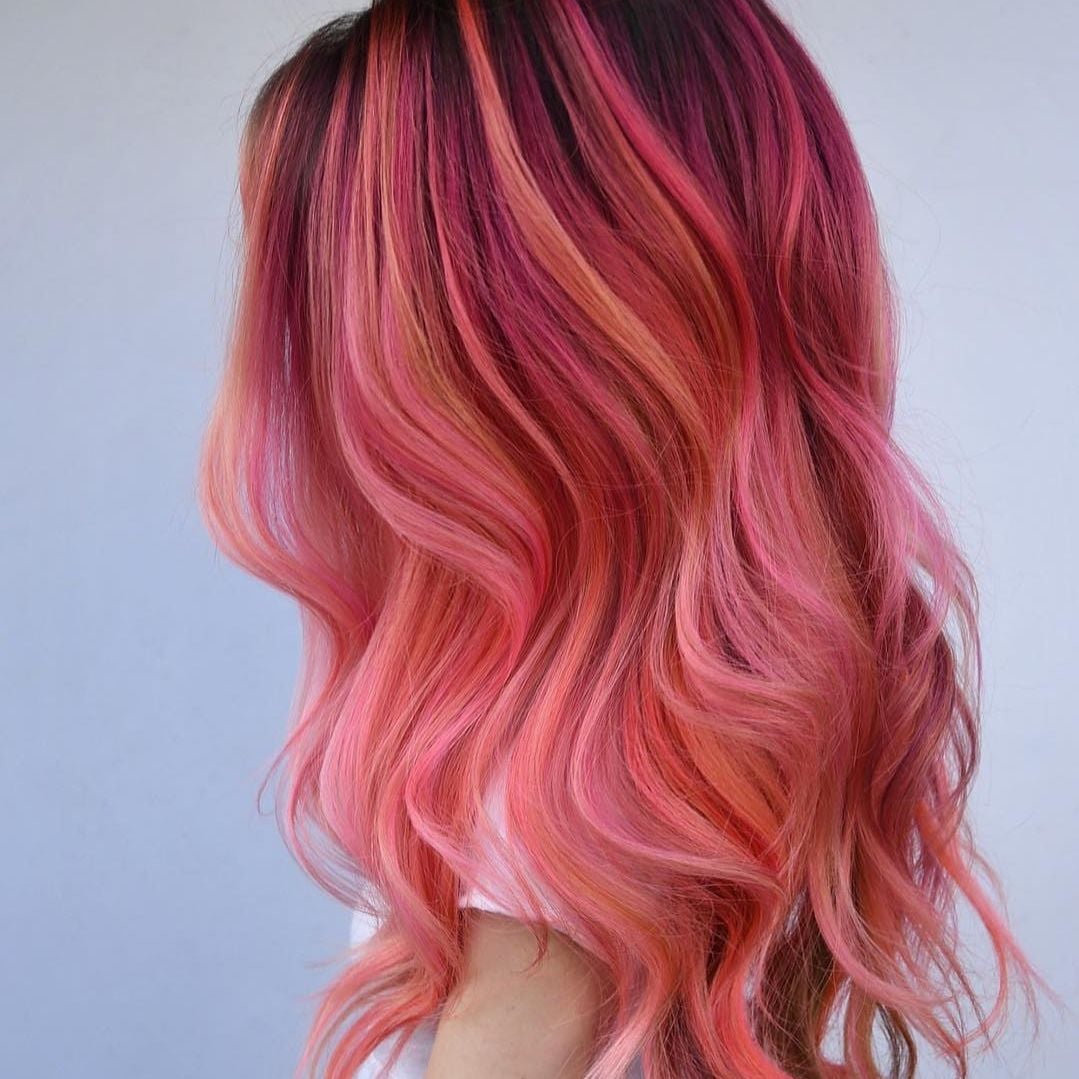
Flamingo pink is warmer than hot pink and less dusty than rose, which makes it a solid middle ground for anyone who wants color without the neon commitment. The shoulder length and loose waves keep the look wearable. Ask your colorist for: shoulder length, flamingo pink, loose waves. Thick, wavy hair takes this shade well because the undertone is coral. A diffuser attachment on your dryer will define the waves without frizz; the flamingo pink will need a toning appointment every four to five weeks to keep the warmth from shifting bronze.
Pastel Pink Collarbone Hair With Soft Waves, Mid-Back
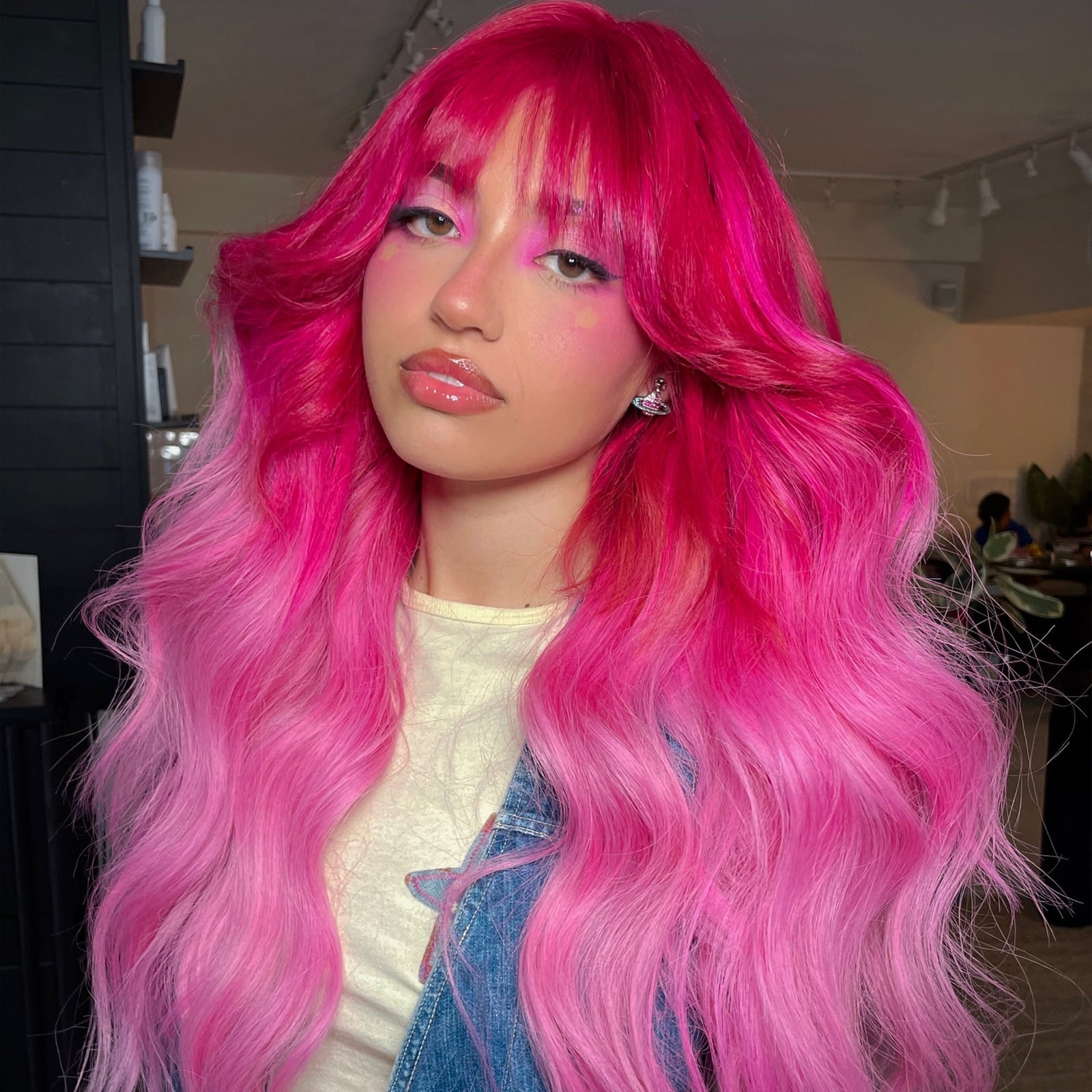
The ombre starts at collarbone level, so the pastel pink is the payoff. On thick, mid-back length hair, the fade from pink to light pink works best with curtain bangs that soften a round or heart face. The blowout adds volume at the roots, which helps the gradient read clearly.
Ask your colorist for: collarbone length, pastel pink, soft waves, curtain bangs. Fine texture handles this well because the layers give movement without weighing the waves down. A wave-enhancing spray and a scrunch after air-drying keeps the shape, but pastel pink fades fast, so plan on a toning appointment every four to six weeks.
Dusty Rose Pink Shoulder Length Layers, Reaching Mid-Back
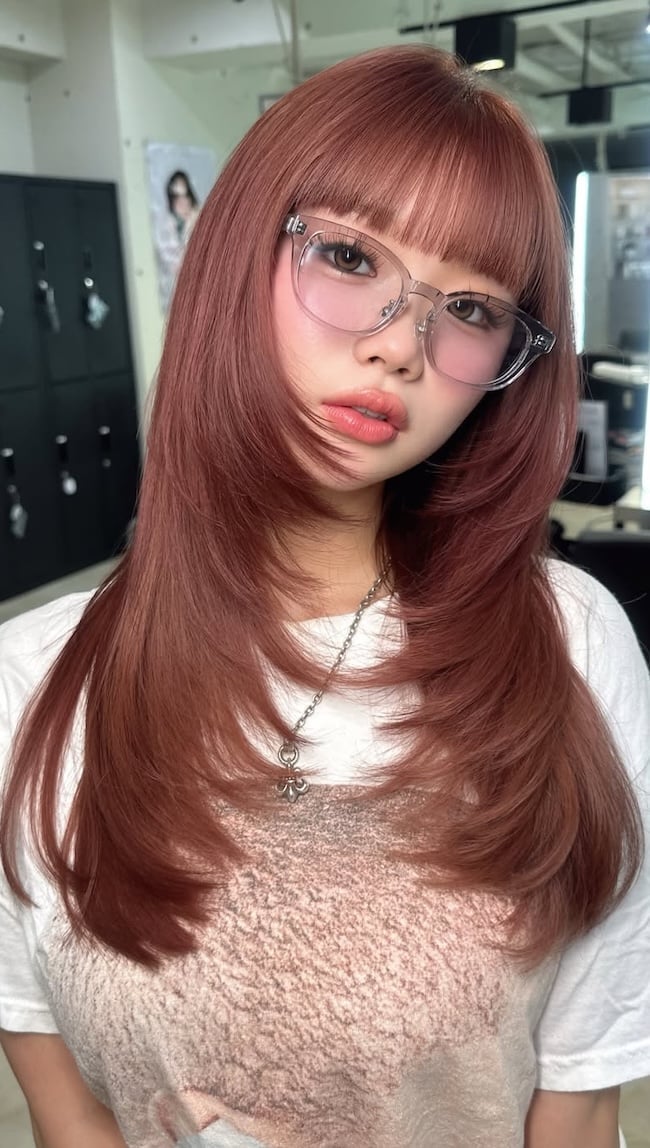
The rose brown base carries a hint of pink that shows up only when the light hits it, which is a clever way to test the color. Long layers and a full fringe frame the face, and the straight, thick texture holds a smooth blowout. The trade-off: rose brown can turn brassy as the pink fades, and a full fringe needs a trim every three to four weeks to keep its shape.
Ask your colorist for: shoulder length layers, dusty rose pink, curtain bangs. Fine hair will appreciate the layers, which add body without extra weight. A round brush gives that polished finish, and a toning appointment every six to eight weeks keeps the pink undertone from going orange.
Vivid Pink Mid-Back Straight Hair
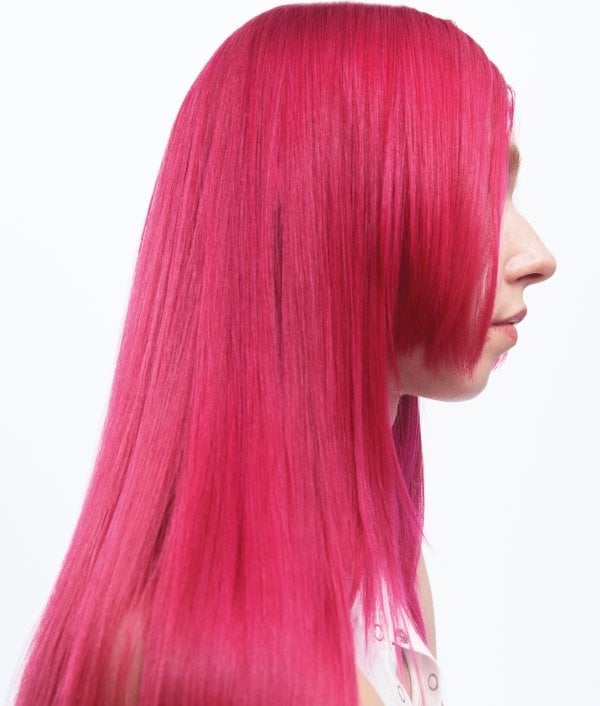
What does it take to keep vivid pink looking this glossy? A flat iron and a color refresh every four to six weeks. On fine, straight hair at mid-back length, the side-swept bangs and side parting break up the length, and the high-shine finish makes the color look almost wet. Ask your colorist for: mid-back length straight hair, vivid pink, side swept bangs. The uniform color means there is no root shadow to blend, which simplifies the grow-out, but the trade-off is that regrowth shows early, so book a root touch-up before the line gets obvious.
Hot Pink Mid-Back Waves With Curtain Bangs
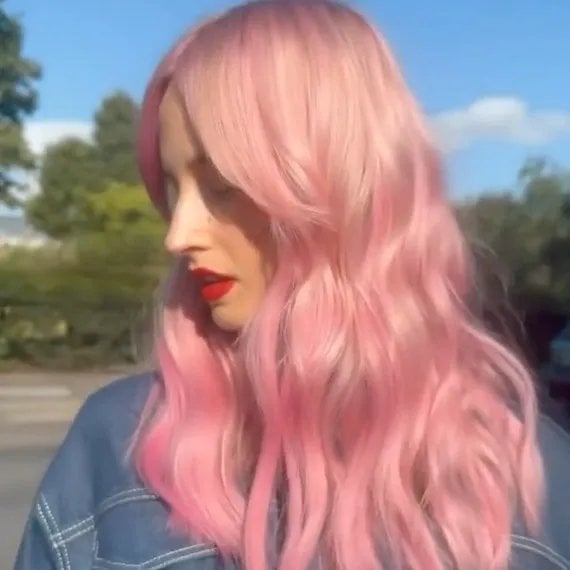
A uniform hot pink is a statement that needs no help, so the cut does the supporting work. The curtain bangs frame the face and blend into the mid-back length, while loose waves give the color dimension. Ask your colorist for: mid-back length, hot pink, curtain bangs. Medium texture holds the wave pattern well, and a curling wand finishes the look in about fifteen minutes. Hot pink is a high-maintenance color, so expect to refresh the tone every four weeks, especially if you wash frequently.
Rose Brown With Pink Undertones Mid-Back Layers
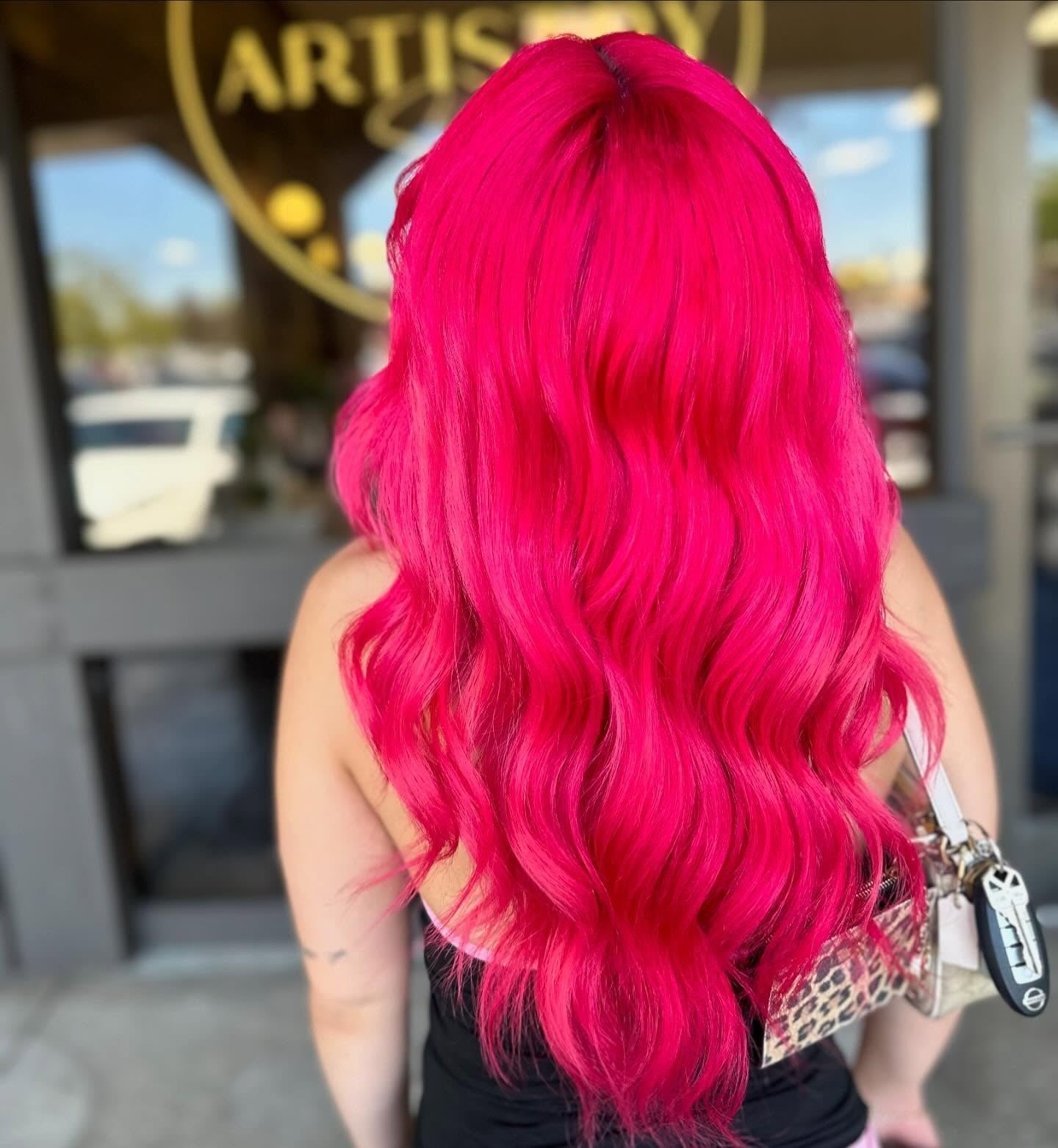
From the back, this one is all about the uniform hot pink saturation. The mid-back length and thick, wavy texture give the color plenty of surface area to show off. A middle parting and blowout keep the waves smooth and defined. Ask your colorist for: mid-back length layers, hot pink, no bangs. This cut is a good fit for thick hair that needs to be thinned out, and the layers add movement without sacrificing length. The upkeep is a trim every eight weeks, plus a color refresh every four to six weeks to keep the hot pink from fading to a dull rose.
Pink to Light Pink Ombre Mid-Back Waves
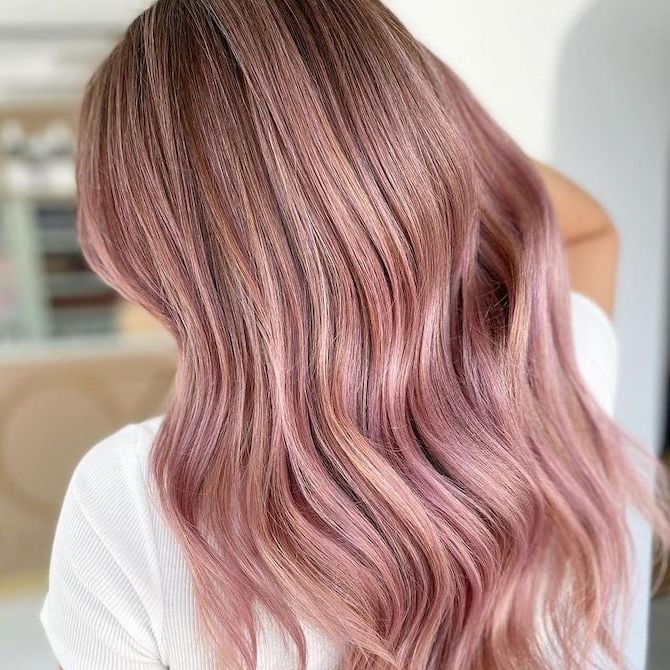
Wondering if a pastel pink with lighter pink highlights looks washed out compared to a vivid pink? This version keeps the softness but adds depth by weaving lighter pieces through the mid-lengths and ends. The thick, wavy texture and curtain bangs give it body that a pastel shade alone would lack. Ask your colorist for: mid-back length, pink to light pink ombre, curtain bangs. Curtain bangs soften round and heart faces, and the ombre technique means the grow-out is gentler than a solid pastel.
Platinum Blonde With Pastel Pink Ends Ombre
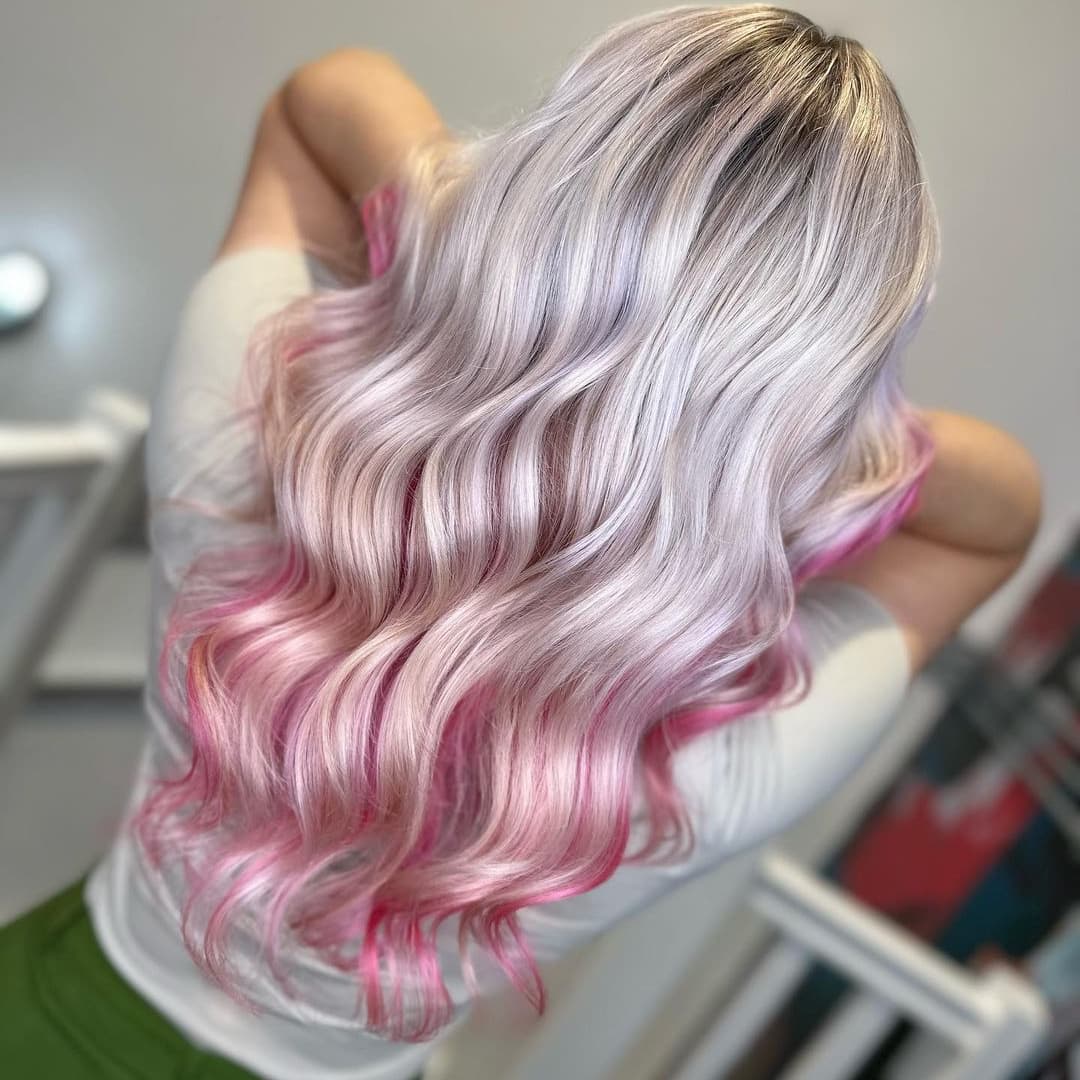
A platinum blonde base with pastel pink ends is a two-commitment color. The blonde needs a lift to pale yellow before the pink can land cleanly, and the ends fade fastest. This works best on medium-density wavy hair starting at mid-back length, where the ombre has room to travel. A middle part keeps the transition even on both sides.
Ask your colorist for: mid-back length, platinum blonde base, pastel pink ends ombre. Use a purple shampoo once a week to keep the blonde from turning brassy. The pastel pink ends will need a toning appointment every four to six weeks to stay cool rather than peachy.
Dark Root Shadow To Bright Pink Waves
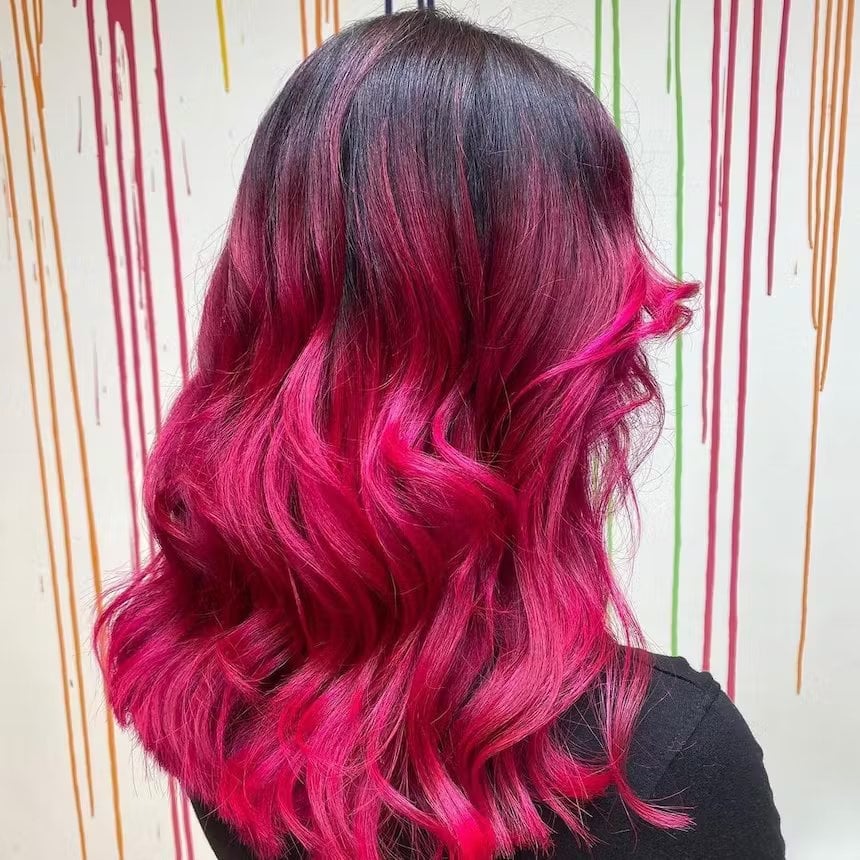
The trick here is that the dark root shadow is not a grow-out; it is the starting point of the color. Ask your colorist to lay a shadow root at the scalp, then blend the bright pink through the mid-lengths to the ends. On collarbone-length wavy hair with medium density, the contrast looks deliberate. Ask your colorist for: collarbone length, dark root shadow to bright pink, loose waves. The dark base means you can stretch the time between root appointments by two to three weeks compared to a full-head pink.
Pastel Pink Mid-Back Layers With Highlights
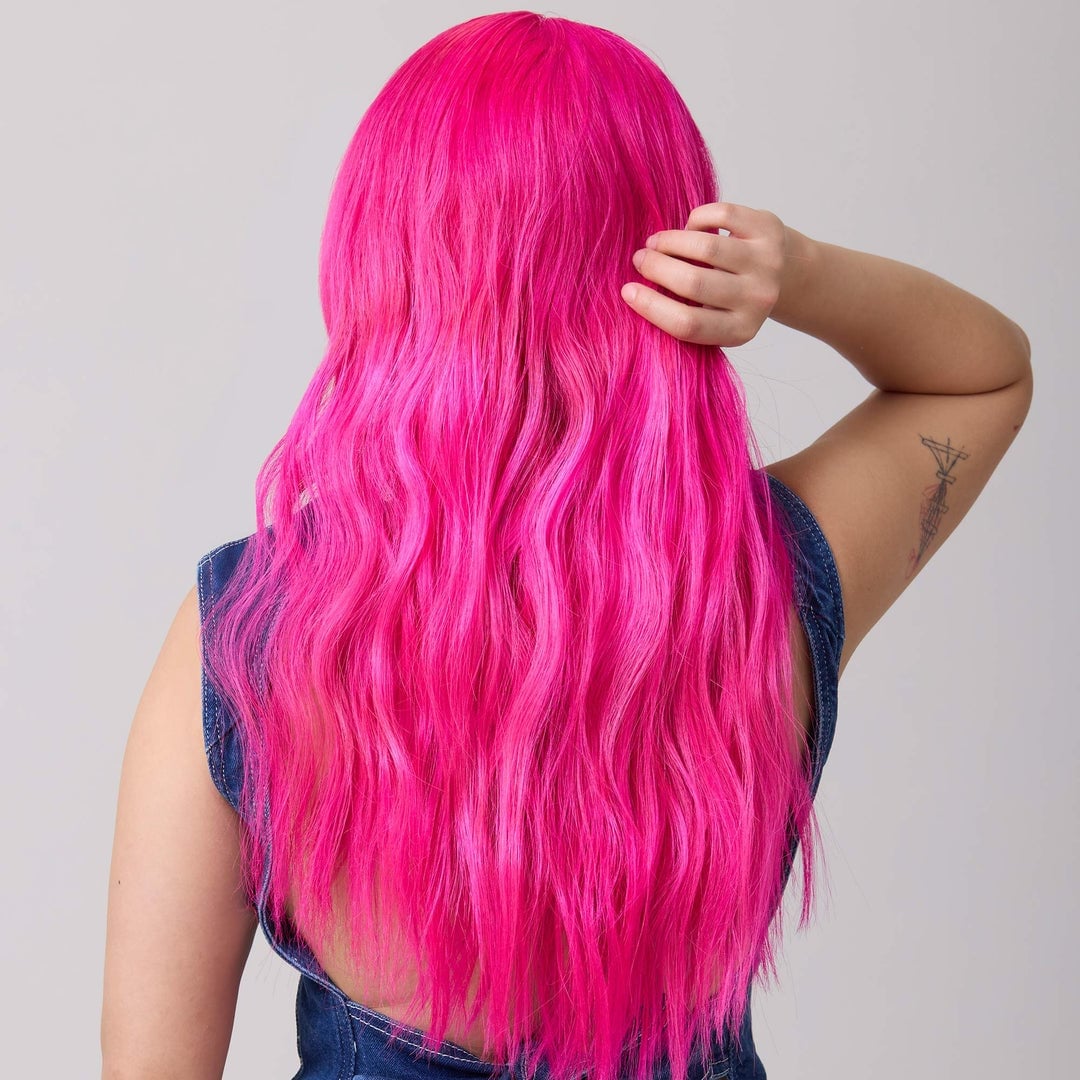
A uniform bright pink on mid-back length hair demands commitment. The color is solid from root to tip, so every new inch of growth is visible. Layered wavy texture helps it move instead of sitting flat. This density and length can handle the saturation without looking heavy. Ask your colorist for: mid-back length layers, pastel pink with lighter pink highlights. The highlights add dimension that a single shade lacks. Expect a root touch-up every five to six weeks and a gloss treatment to keep the pink from turning coral.
The good news is that a solid bright pink holds its intensity longer than a pastel ombre. Wash in cool water and skip heat styling when you can. A leave-in conditioner helps the wavy texture stay defined and the color stay glossy.
Rose Pink Mid-Back Waves With Highlights
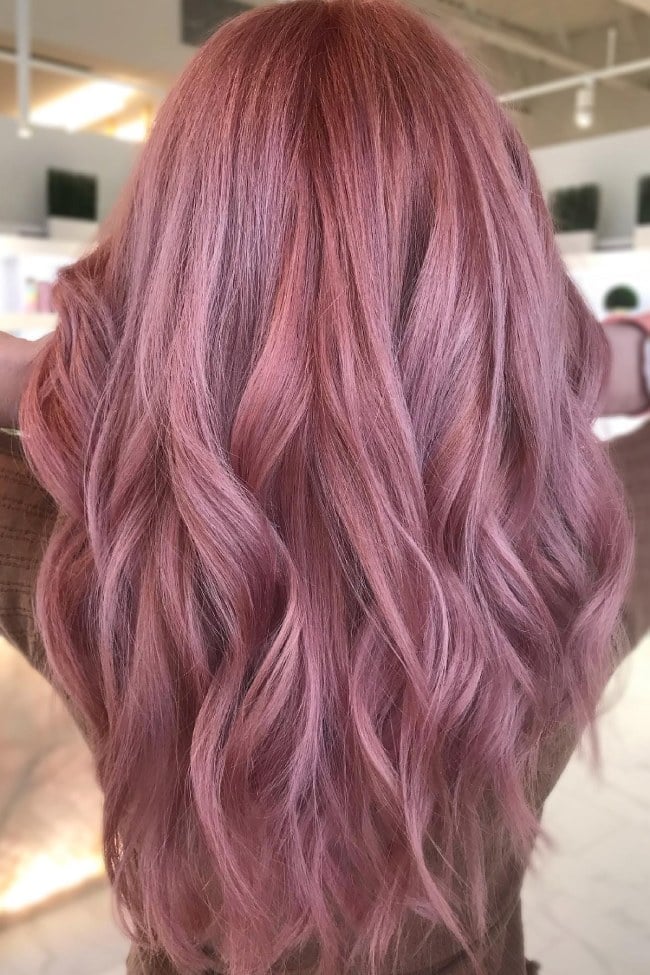
A rose pink base with lighter pink highlights woven through the top layers keeps the color from looking flat. On thick, wavy mid-back length hair, the highlights catch movement and keep the color from looking flat. Ask your colorist for: mid-back length, rose pink with lighter pink highlights, loose waves. The lighter pieces should stay fine and spaced, not chunky, so the overall effect is soft. A curl cream on damp hair defines the waves and helps the highlights sit visibly. Rose pink fades warmer than pastel, so a pink conditioner every other wash keeps the tone balanced.
This shade works well for anyone who wants pink without the high contrast of a vivid hue. The highlights add depth, so the hair looks dimensional even in low light. A trim every eight weeks keeps the ends healthy enough to hold the color evenly.
Vibrant Hot Pink Mid-Back Waves With Root Shadow
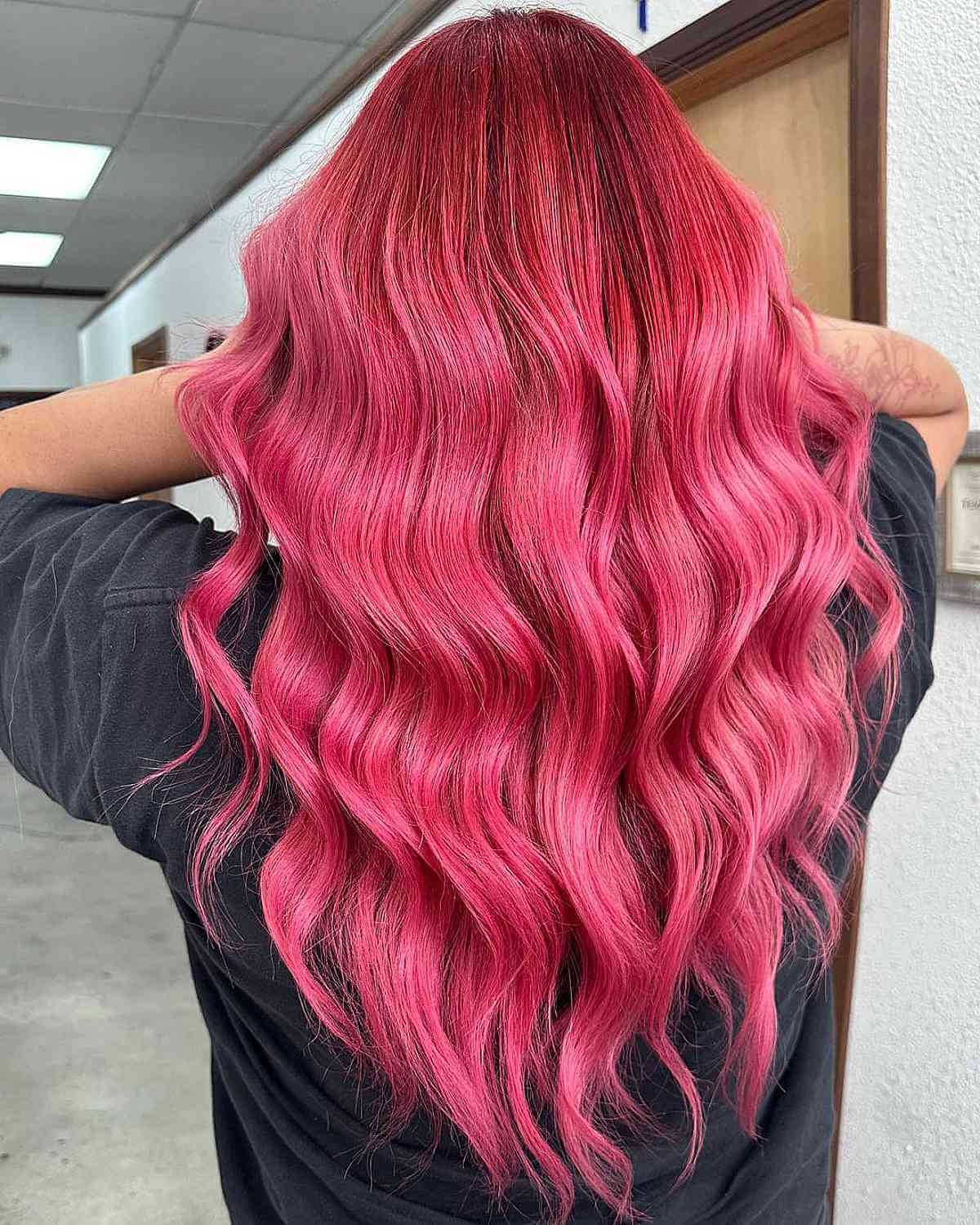
A darker pink root shadow sinking into vibrant hot pink is a design that understands the value of a soft grow-out. The mid-back layers keep the shape moving, and the loose waves let the color shift show between sections. Thick, wavy texture grabs light differently through each shade. Ask your colorist for: mid-back layers, vibrant hot pink with darker root shadow, loose waves. The root shadow buys you about six weeks before a touch-up feels urgent.
Here is the honest part: vibrant hot pink fades faster than a pastel, especially on hair that sees a lot of sun or heat styling. A purple shampoo is your best friend between toning appointments, and you will be back in the chair every four to six weeks to keep the hot pink from turning coral. Skip this one if you cannot commit to that rhythm.
Hot Pink Mid-Back Waves Blowout
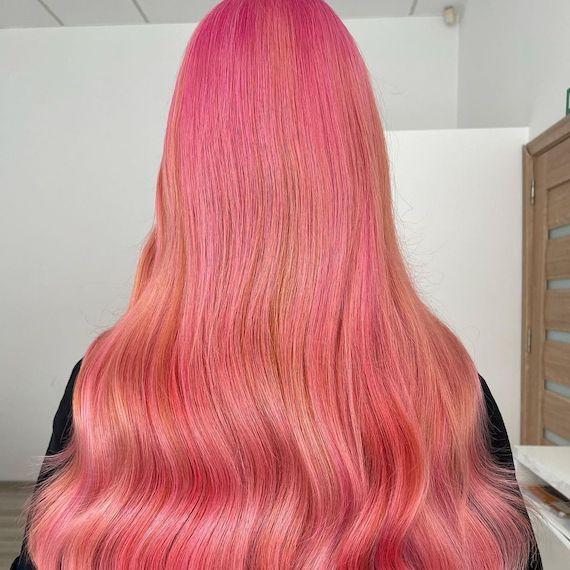
A hot pink mid-back blowout with lighter pink undertakes is a look that lands with intention. The middle parting and loose waves let the color read as a single saturated statement, while the lighter undertones add dimension without striping. Thick, wavy texture holds a blowout well, so the shape lasts through an evening. This is a color for a party, a festival, or any occasion where you want the room to know you showed up.
Final Thoughts
For vibrant pinks, expect regular touch-ups every 4-6 weeks to maintain saturation; for pastel or rose gold tones, consider toning every 2-3 weeks to preserve the shade. Embrace the pink palette; find the shade that speaks to you.
- Wash with cool water and color-safe shampoo to prolong vibrancy.
- Schedule salon toning every 4-6 weeks for pastel shades.
- Deep condition weekly to maintain hair health and color integrity.
- Avoid excessive heat styling to prevent color fade and damage.