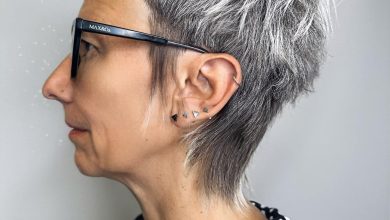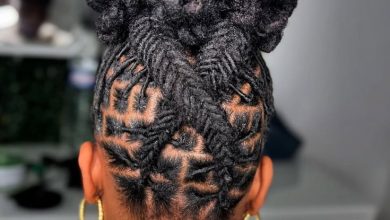
Straight hair is a clean slate, and the right cut turns that slate into architecture. The trend now leans toward soft, face-framing layers and lived-in texture rather than a single, rigid line from root to tip.
These 29 Straight Hair ideas span from a chin-length blunt bob to mid-back layers, covering every density from fine to thick. If your straight hair tends to fall flat or a blunt fringe refuses to sit still, this collection gives you the exact cut, the right bangs, and the upkeep rhythm to keep it looking intentional.
Collarbone Lob With Face-Framing Layers
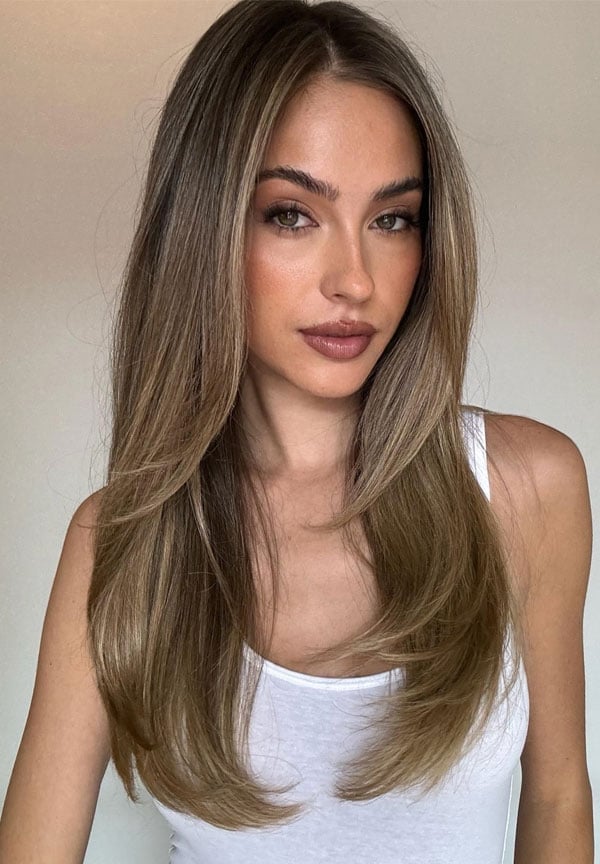
The collarbone lob gets its softness from the face-framing layers, which start high enough to catch the cheekbones and then blend into the rest of the length. That gradual transition is what keeps the style from reading as a simple blunt cut, and it gives the straight, medium density hair a gentle sense of movement. The side part adds a little asymmetry, while the ash blonde base with lighter highlights creates dimension without needing chunky streaks. Ask your stylist for a collarbone lob with soft face-framing layers, then blow-dry with a round brush, directing the front sections forward to enhance the effect. A trim every six to eight weeks keeps the shape honest, since layers have a way of growing out into an unintentional triangle.
Mid-Back Layers With Subtle Highlights
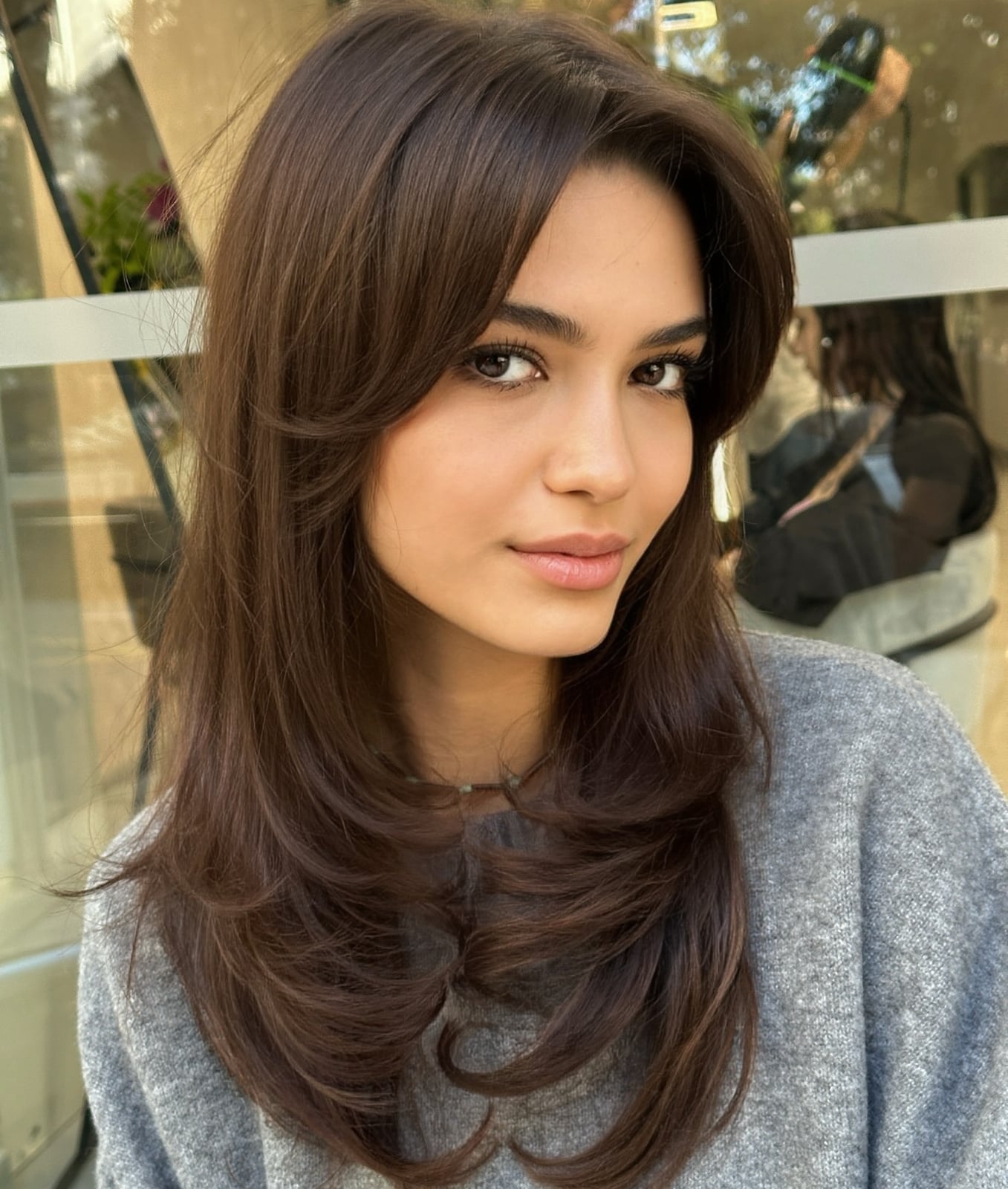
Is your thick straight hair feeling like a heavy curtain? Long layers are the fix, and they work best when the cut starts around the chin and cascades down to mid-back. The subtle highlights in dark brown break up the density without screaming for attention, and the middle part keeps the whole thing symmetrical. This is a forgiving cut for most face shapes, but it really shines on anyone who wants movement without losing length. Ask your stylist for mid-back length with long layers and subtle highlights. A smoothing serum keeps the shine in check, and since thick hair hides grow-out well, you can stretch trims to every eight to ten weeks.
Chin Length Blunt Bob With Side-Swept Bangs
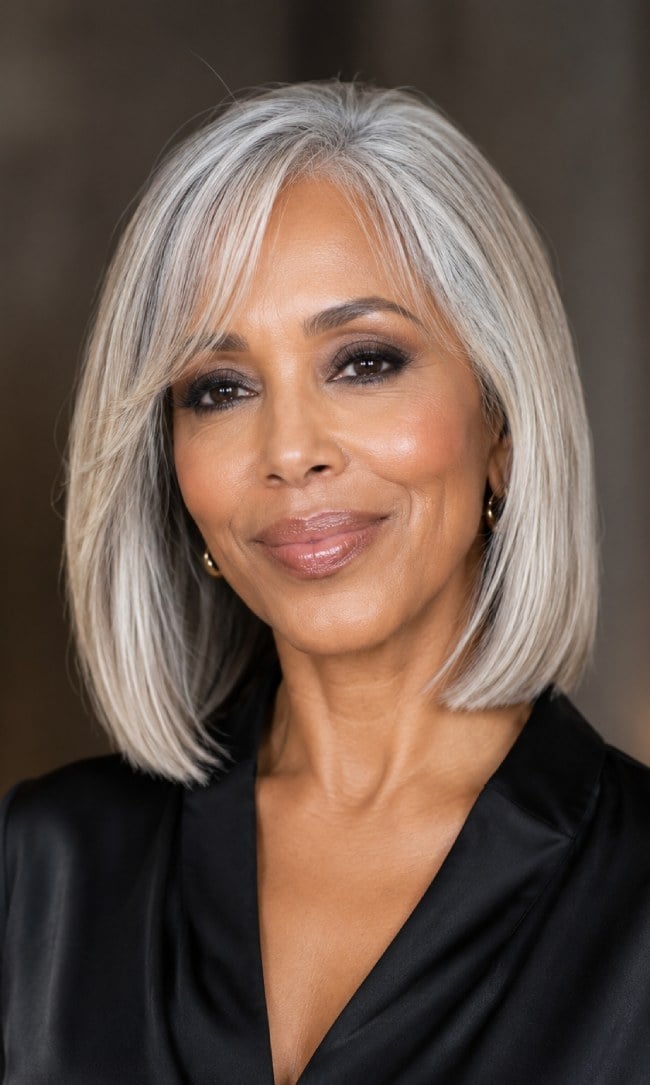
The blunt bob is a sharp, unforgiving line, but the side-swept bangs soften the whole proposition. This chin length version works because the fine, straight texture holds the clean edge without puffing out, and the silver gray color makes the silhouette even more graphic. Side-swept bangs can gently offset a square jaw, though they do require a commitment to restyling every morning. Ask your stylist for a chin length blunt bob with side-swept bangs in silver gray. The honest drawback is upkeep: this cut needs a trim every six weeks, or the blunt ends start to fray and the bangs lose their sweep.
Sleek Collarbone Bob With Blunt Ends
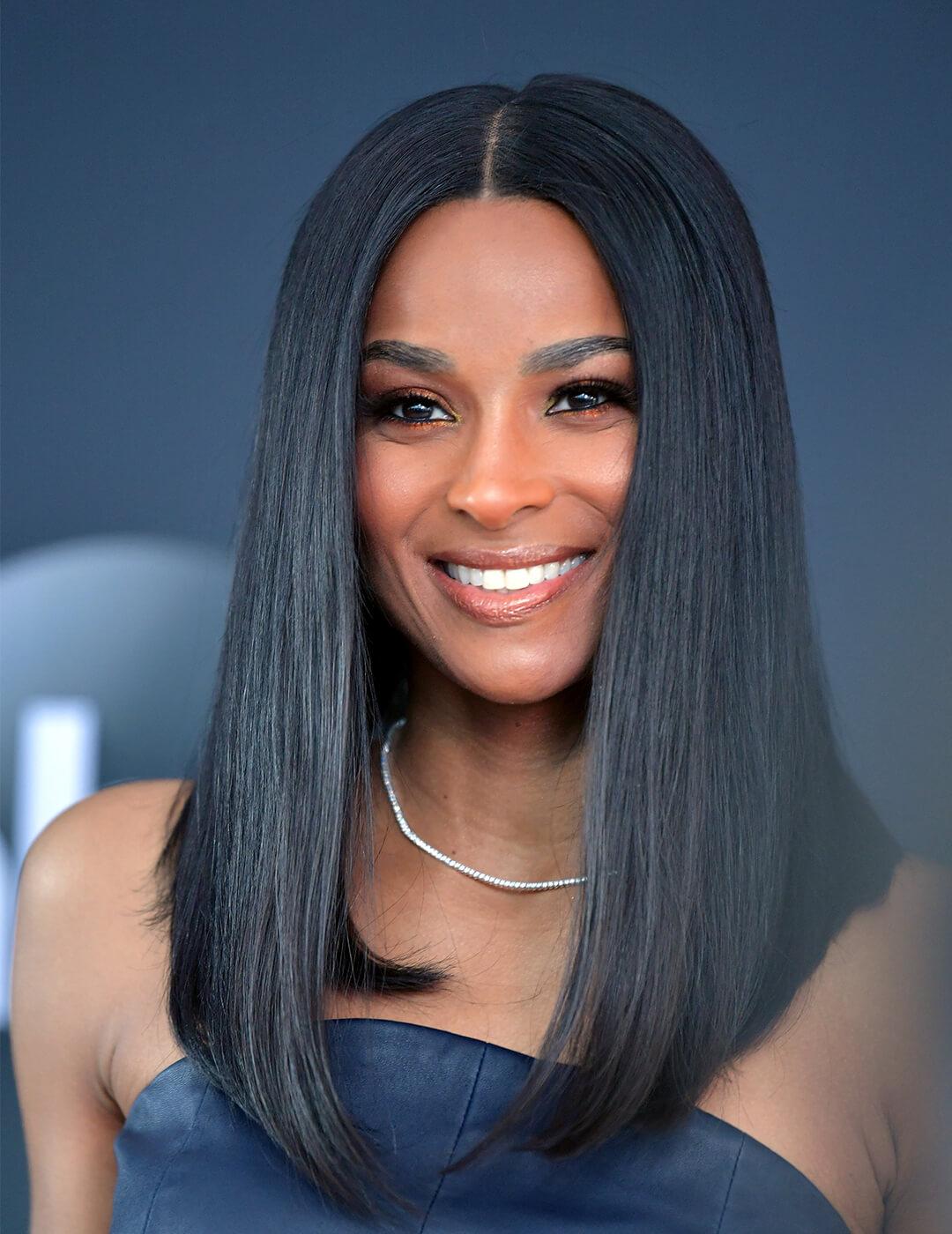
A blunt cut is a precision job, and the collarbone bob with a middle part shows exactly why. The ends are cut on a straight, unbroken line, which requires the stylist to work with the hair completely dry and perfectly aligned. The black color makes the silhouette read even more sharply, and the middle part draws the eye down, which can help elongate a round face. On medium to thick straight hair, this is a polished, low-fuss style for work or formal settings. Ask your stylist for a collarbone length blunt bob with a middle part and sleek finish. You will want a flat iron to keep it glassy, and a trim every six to eight weeks to preserve that clean baseline.
Collarbone Layered Cut With Curtain Bangs

This collarbone cut layers the front sections so the bangs create a soft frame around the face. The middle part lets the curtain bangs fall naturally to either side, and on fine straight hair, they add a bit of fullness to the face. The ash blonde base with highlights keeps the texture from looking flat. Ask your stylist for collarbone length layers with prominent curtain bangs. When you are in the chair, be specific about wanting the bangs to hit just below the cheekbone and connect with the layers, so they sweep to the sides as you blow-dry.
Ear Length Bob With Blunt Bangs

A blunt bob at ear length with blunt bangs is a geometry problem that only works if the angles are right. This cut demands thick straight hair, because fine hair risks looking a little spare at this short length. Ask your stylist for: ear length bob, blunt bangs. The air-dried texture in the photo is a deliberate choice, but a flat iron can take it sleeker in about five minutes. The blunt bangs will need a trim every three to four weeks to stay out of your eyes. A middle part keeps the whole thing modern rather than severe.
Lob With Face-Framing Layers and Curtain Bangs
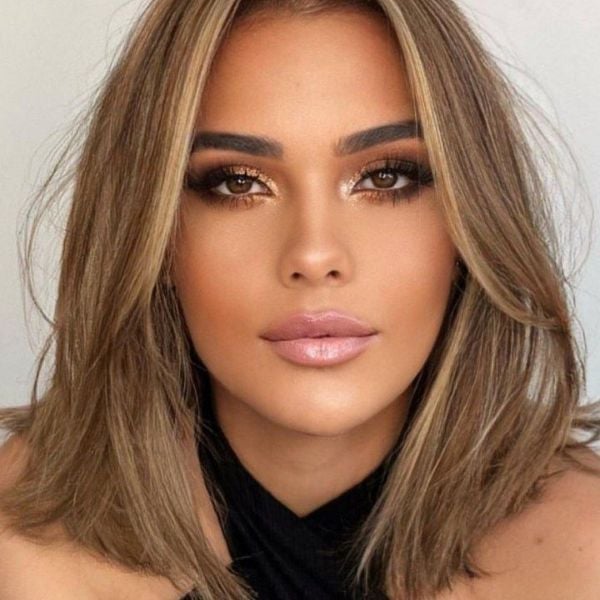
The face-framing layers do the real work here. A collarbone lob can feel like a default haircut, but adding soft layers that start at the jaw and curtain bangs that sweep to the sides turns it into a design. The medium brown base with subtle blonde highlights gives depth, but the shape would carry the look even without color. Ask your stylist for: collarbone lob, face-framing layers, curtain bangs. Medium density straight hair hits the sweet spot, not so thick that the layers bulk up, not so fine that they disappear. The blowout keeps everything smooth, and a middle part keeps the curtain bangs symmetrical.
Mid-Back Layers With Curtain Bangs
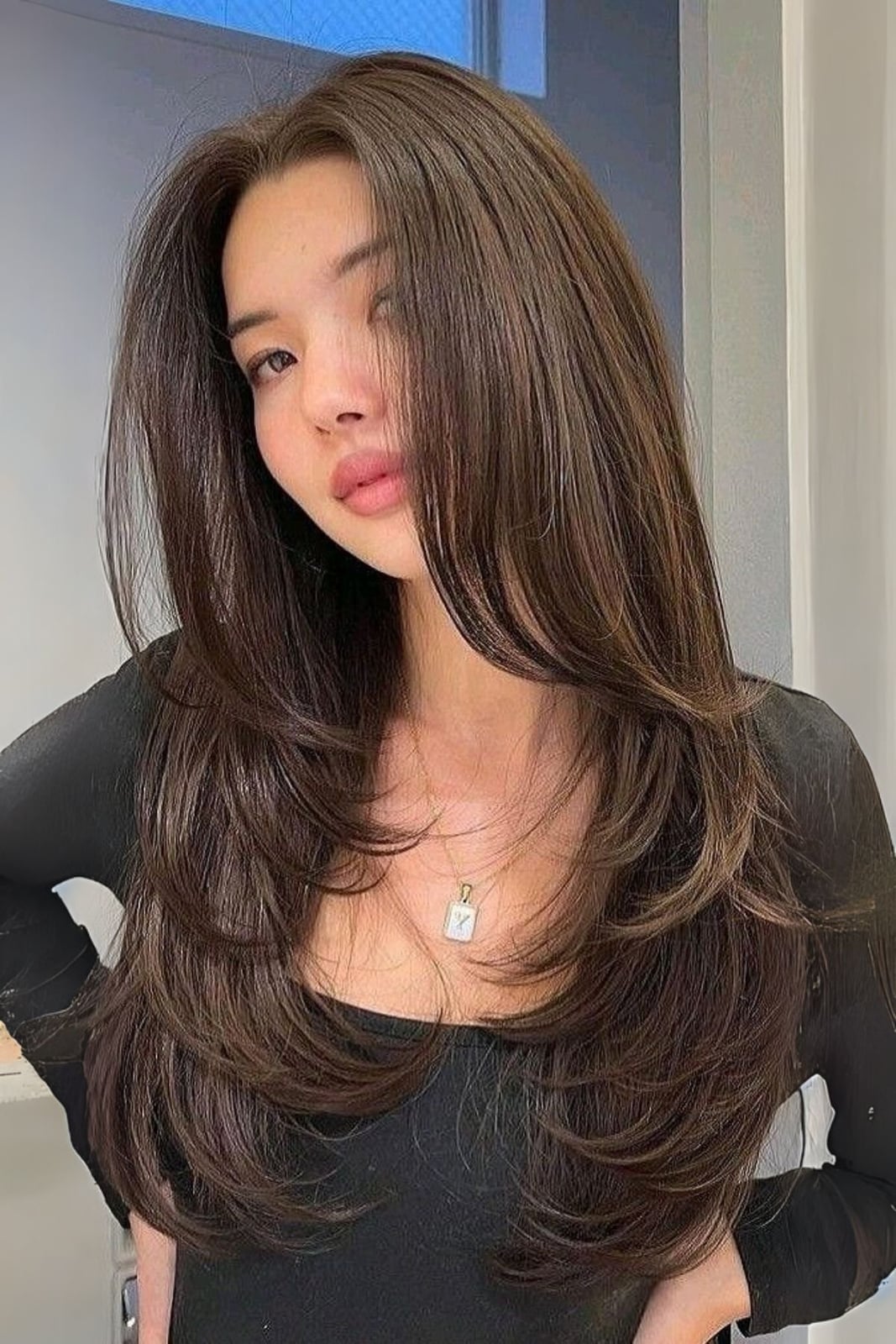
Curtain bangs land differently on mid-back hair than they do on shorter cuts. On a bob, they read as a deliberate frame. Here, they feel like the hair just happens to fall that way, which is the point. Long thick straight hair can be a lot of weight, and face-framing layers break it up without losing length. Ask your stylist for: mid-back layers, curtain bangs, dark brown with subtle highlights. The side parting adds volume at the crown, something a middle part on this much hair can flatten out. The smooth blowout is standard, but the layers are what keep it from being a single heavy curtain.
Collarbone Layers With Soft Curtain Bangs
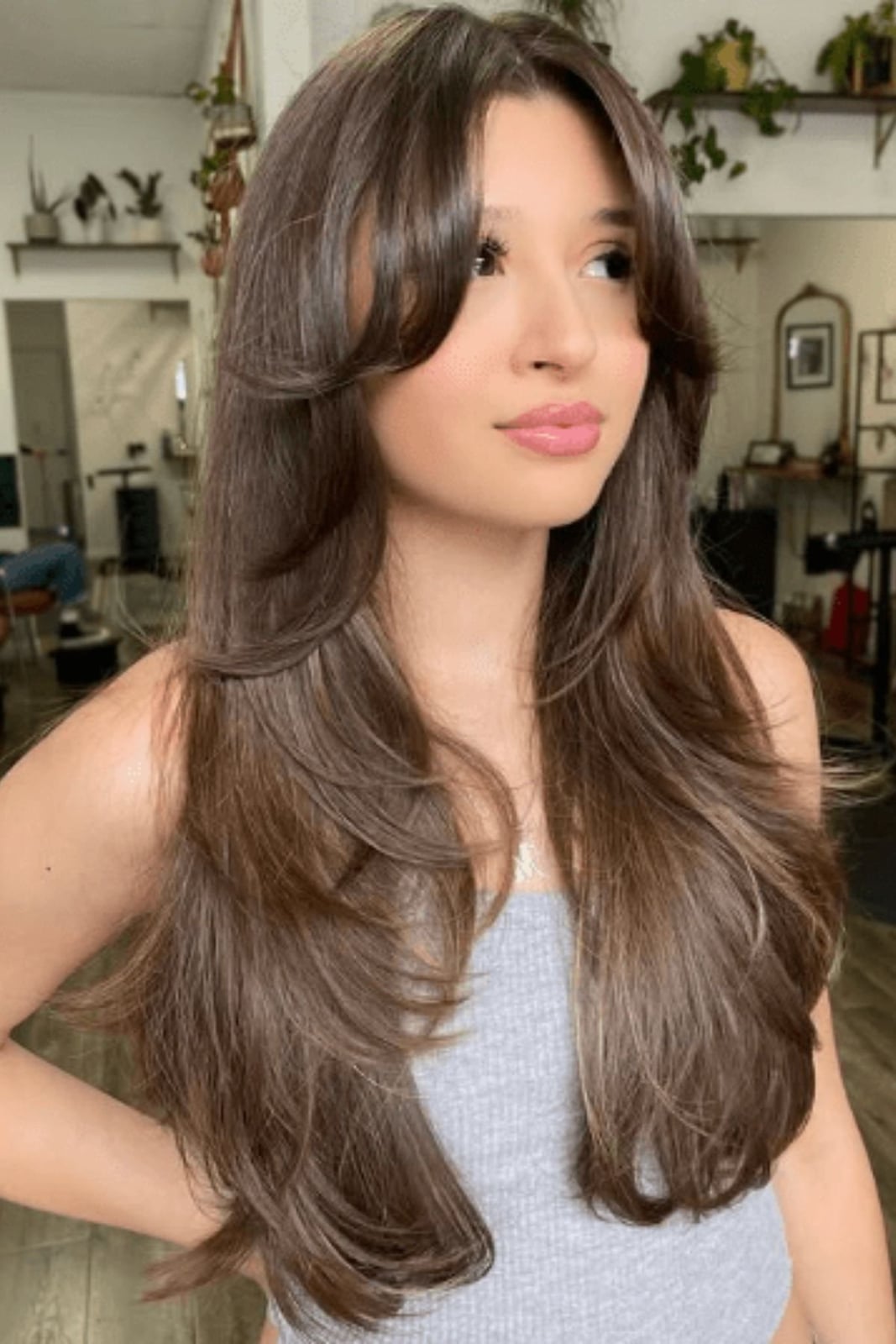
Does fine straight hair at collarbone length always look a little flat? Soft curtain bangs are the fix. They add movement across the forehead and the subtle lighter pieces suggest volume. The key is keeping the bangs light, not dense, so they blend into the longer layers. Ask your stylist for: collarbone layers, soft curtain bangs, dark brown with subtle lighter pieces. A volumizing spray at the roots before blow-drying helps the crown lift. The curtain bangs will need a trim every four to six weeks to keep the soft shape. A middle part is your friend here.
Mid-Back Black Hair With Face-Framing Layers
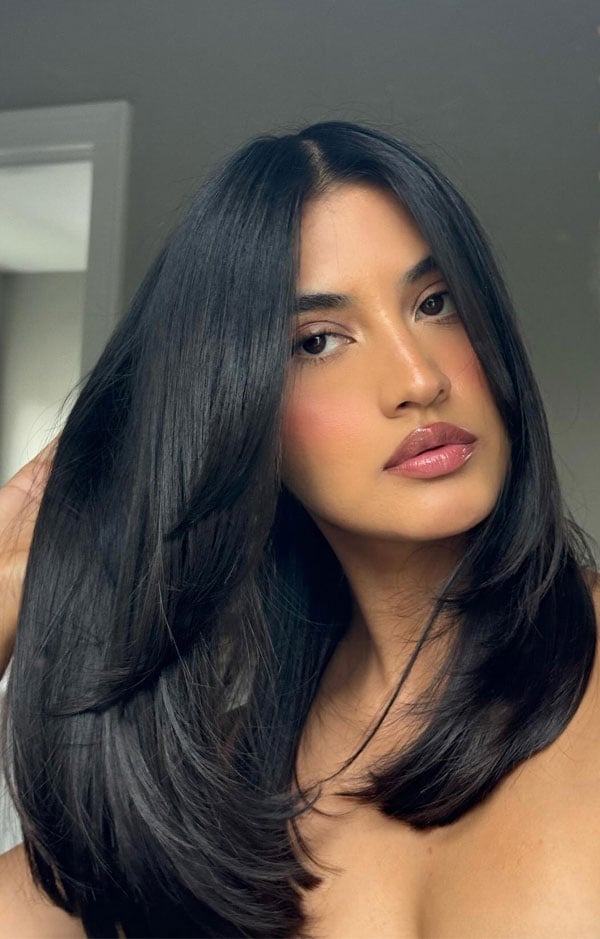
Very long thick black hair is a striking thing on its own. The face-framing layers prevent it from being a single monolithic sheet. They start around the chin and taper down, softening the jaw without sacrificing length. This is a cut that works because of what it doesn’t do, it doesn’t thin out the bulk, it just redirects it. Ask your stylist for: mid-back length, prominent face-framing layers, black. A middle parting keeps the layers even on both sides. The smooth blowout and a shine serum play up the natural gloss of black hair. Regular trims every eight weeks keep the layers defined.
Long Layered Dark Brown With Natural Texture
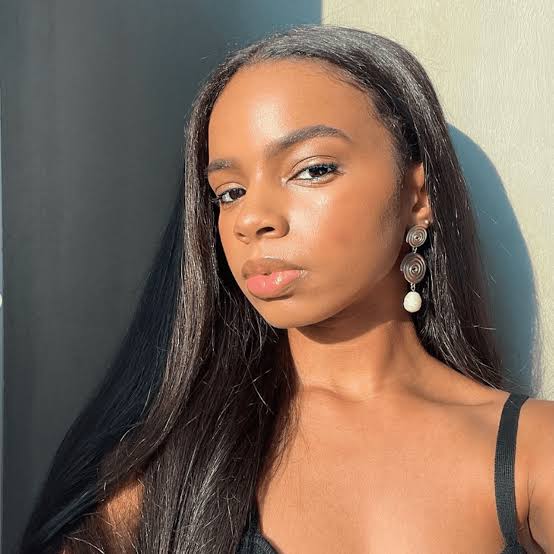
Long, dark brown hair with subtle layers holds a glossy finish even when you skip the heat. The middle part and air-dried texture keep the look grounded, so the shine reads as healthy rather than styled. For fine, straight hair at mid-back length, this is the low-maintenance route: the layers add movement without demanding a round brush every morning.
Ask your stylist for: mid-back length with subtle layers, natural air-dried finish. A leave-in conditioner helps define the texture as it dries, and a trim every ten to twelve weeks keeps the ends from looking stringy. The honest drawback: fine hair can fall flat by midday, so a quick shake at the roots is part of the routine.
Mid-Back Layers With Glossy Finish

Thick, straight dark brown hair at mid-back length gets its glass-like finish from a blowout that works in sections. The stylist uses a round brush to smooth each strand from root to tip, directing the air downward to seal the cuticle. Long layers are cut subtly so the thickness doesn’t turn into a triangle. A middle part keeps the weight evenly distributed. Ask your stylist for: mid-back length with long layers, smooth blowout, glossy finish. A shine serum applied before drying locks in the reflection. Trims every eight to ten weeks maintain the blunt ends that create the gloss.
Collarbone Blunt Cut With Blunt Bangs

Ask your stylist for: collarbone blunt cut, blunt bangs, dark brown. Be specific about the bang length, since they tend to creep up if left to interpretation. To keep the lines crisp, plan on trimming the bangs every three to four weeks, while the overall shape holds for six to eight. Air drying works, but a quick pass with a flat iron keeps the blunt edge precise.
Collarbone Blunt Cut Blonde, Middle
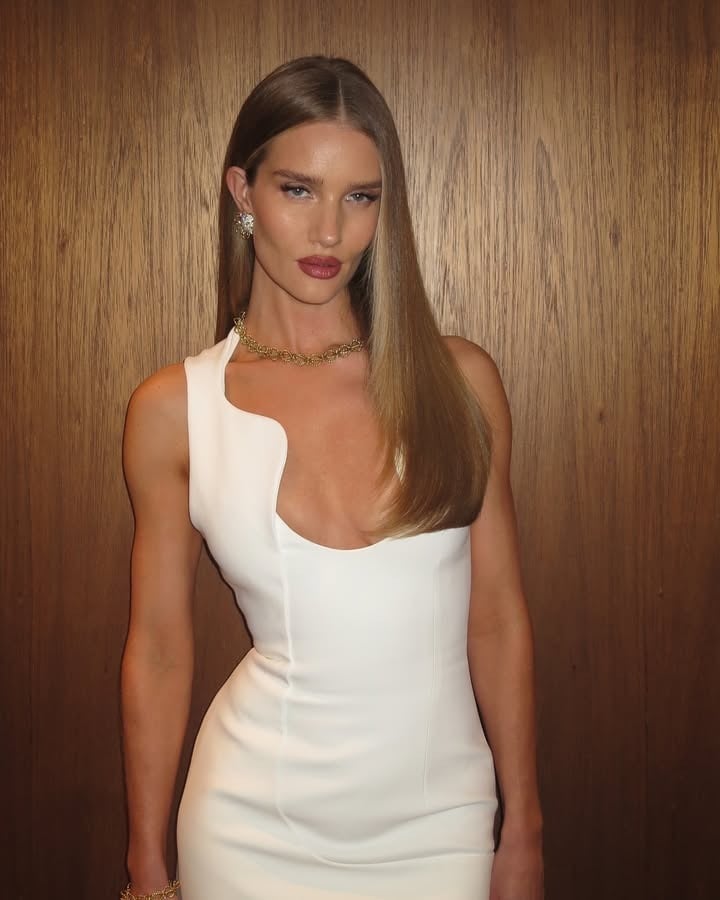
The collarbone blunt cut in blonde is a study in geometry: every strand ends at the same line, and the middle part splits the face cleanly down the center. No bangs means the eye goes straight to the sharp baseline, which is the whole point. This works best on medium to thick straight hair, because fine strands can make the blunt edge look wispy instead of decisive. A middle part also elongates a rounder face, adding vertical length. Ask your stylist for: collarbone length blunt cut, middle part, blonde. To keep that mirror finish, use a flat iron on low heat and book a trim every six to eight weeks.
Collarbone Layers With Side Part
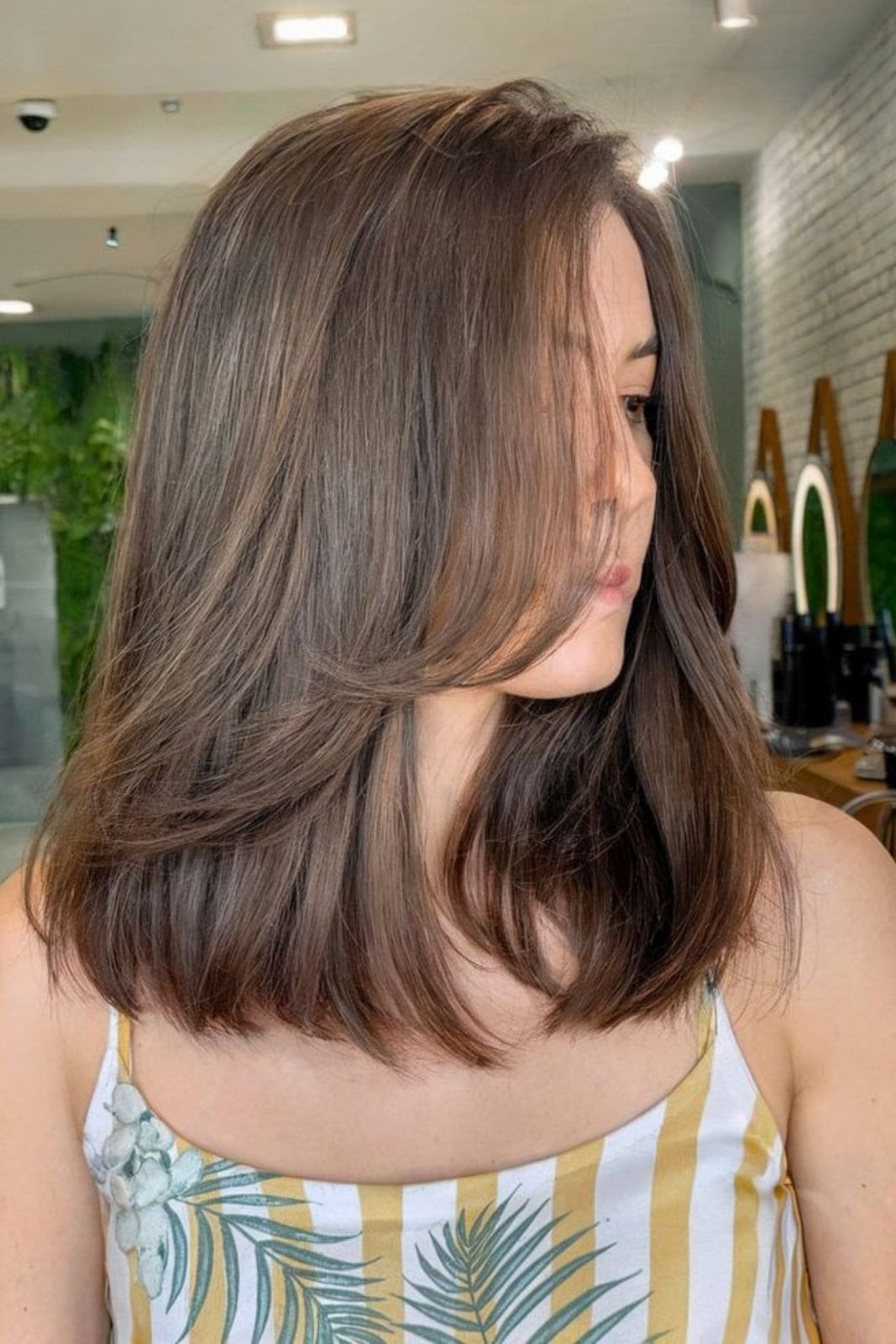
Set this against a middle part with curtain bangs, and the direction changes everything. A side part on collarbone layers with soft, face-framing pieces sweeps the eye outward, which suits longer or oval face shapes better than a center split. The medium brown base with subtle lighter highlights adds depth. Fine straight hair benefits from the gentle blowout that lifts the roots slightly, giving the layers room to move. Ask your stylist for: collarbone length with soft layers, side part. To keep the shape, trim every six to eight weeks and dry the front sections with a round brush.
Mid-Back Layers With Grayish Highlights, Side
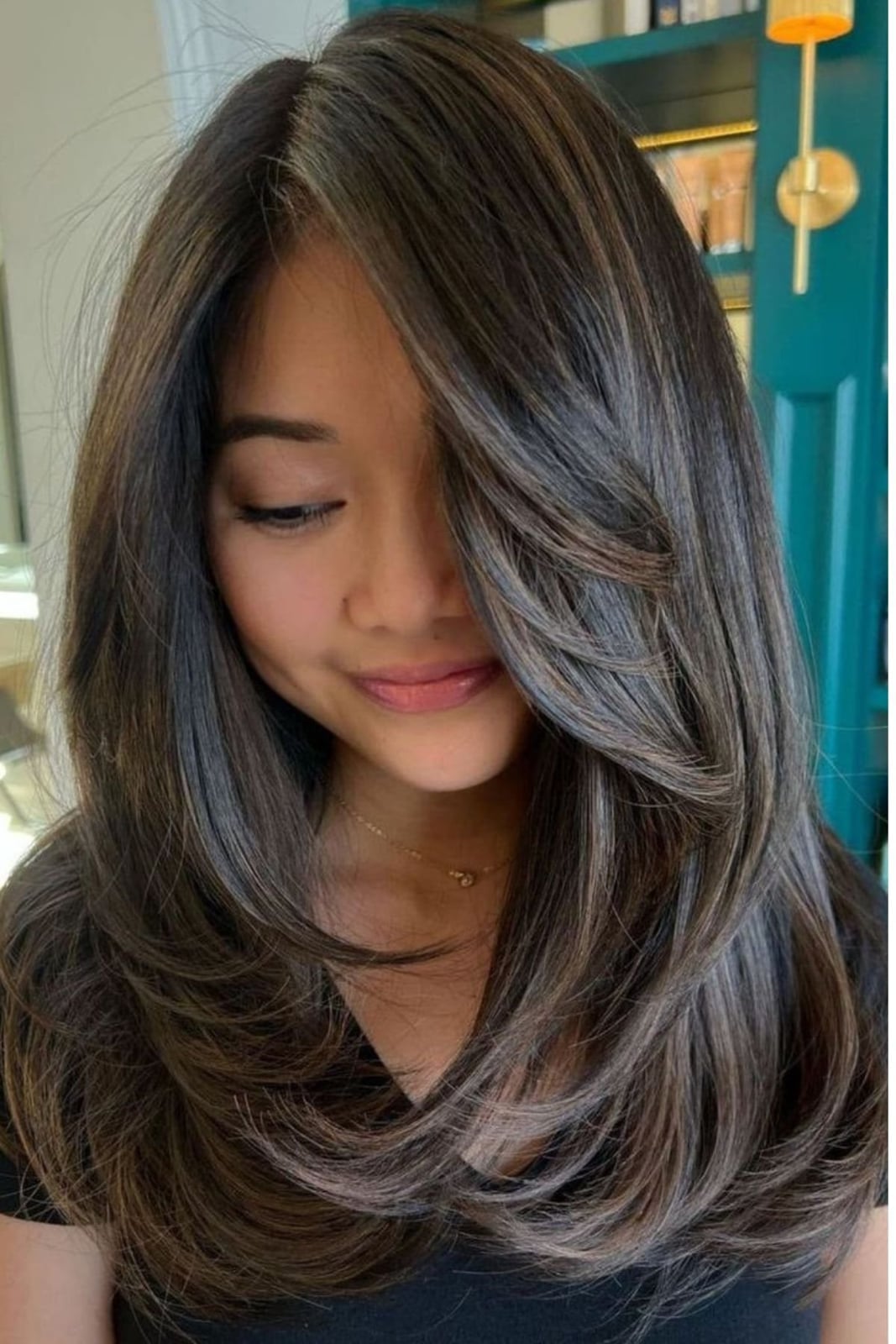
Wondering how to give thick, straight mid-back length hair more movement without losing its weight? The answer is in the layering and the grayish highlights. Dark brown hair at this length can read as one solid block of color, but face-framing layers and curtain bangs break up the density while the grayish highlights add dimension that catches the eye.
This cut suits those with thick, straight texture who want shape without committing to a shorter style. Ask your stylist for: mid-back length layers, curtain bangs, dark brown with gray highlights. A color-depositing conditioner keeps the grayish tone from turning brassy between appointments. Plan on a trim every eight to ten weeks to keep the layers from growing out into a shapeless mass.
Collarbone Bob With Face-Framing Layers, Dark Brown

The genius of this collarbone bob is how the soft, face-framing layers and curtain bangs work together on fine, straight hair. A blunt bob would sit heavy on fine texture, but the layers lighten the weight while the curtain bangs soften the transition from the shorter front to the longer back. The side parting adds a little lift at the root, so the whole cut moves as one piece.
Mid-Back Sleek Black Hair With Layers
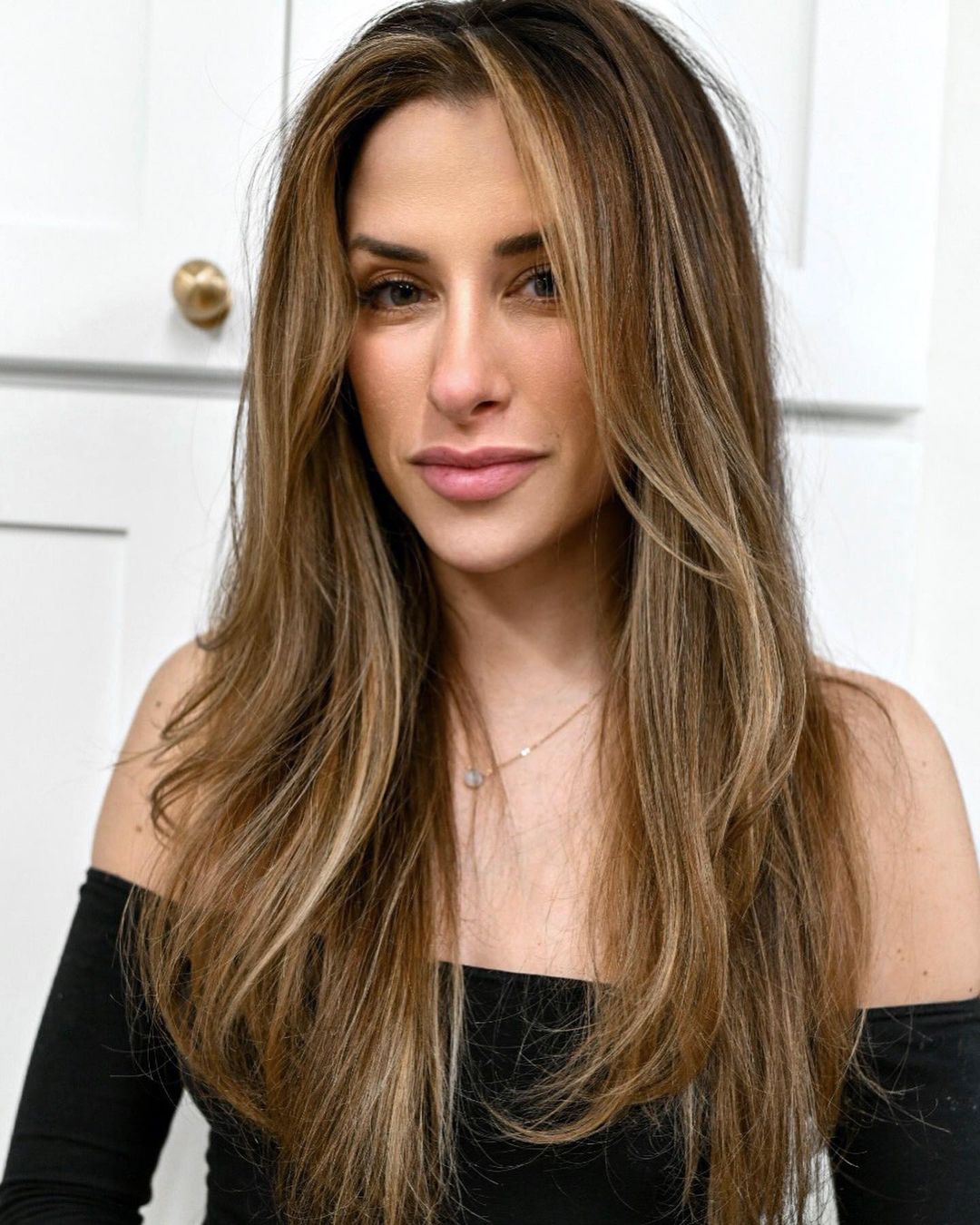
Sleek, straight black hair at mid-back length is a statement, but it is not a low-maintenance one. The middle parting and subtle layers give the hair shape and shine, but that polished finish requires daily work. A flat iron and a shine serum are non-negotiable if you want the glass-like effect to last past noon.
The honest drawback is the upkeep. Every strand has to cooperate, and humidity will undo the sleekness in minutes. Thick, straight texture handles the length well, but the layers need a trim every eight to ten weeks to keep their shape. Ask your stylist for: mid-back length sleek black hair with subtle layers. This is a cut for someone who enjoys the ritual of styling, not someone in a hurry.
Chin Length Blunt Bob Black
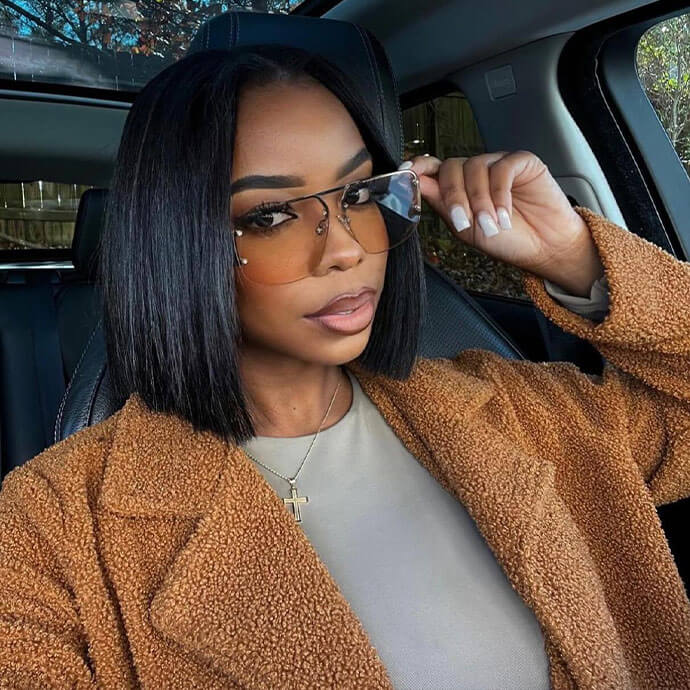
A chin length blunt bob on thick, straight black hair is a study in precision. The stylist cuts a single, clean line across the bottom, no layering, no graduation, just one sharp edge. The side parting adds a touch of asymmetry so the bluntness does not feel severe. This cut works best on thick, straight texture because it holds the shape without extra styling.
Mid-Back Black Hair With Voluminous Blowout
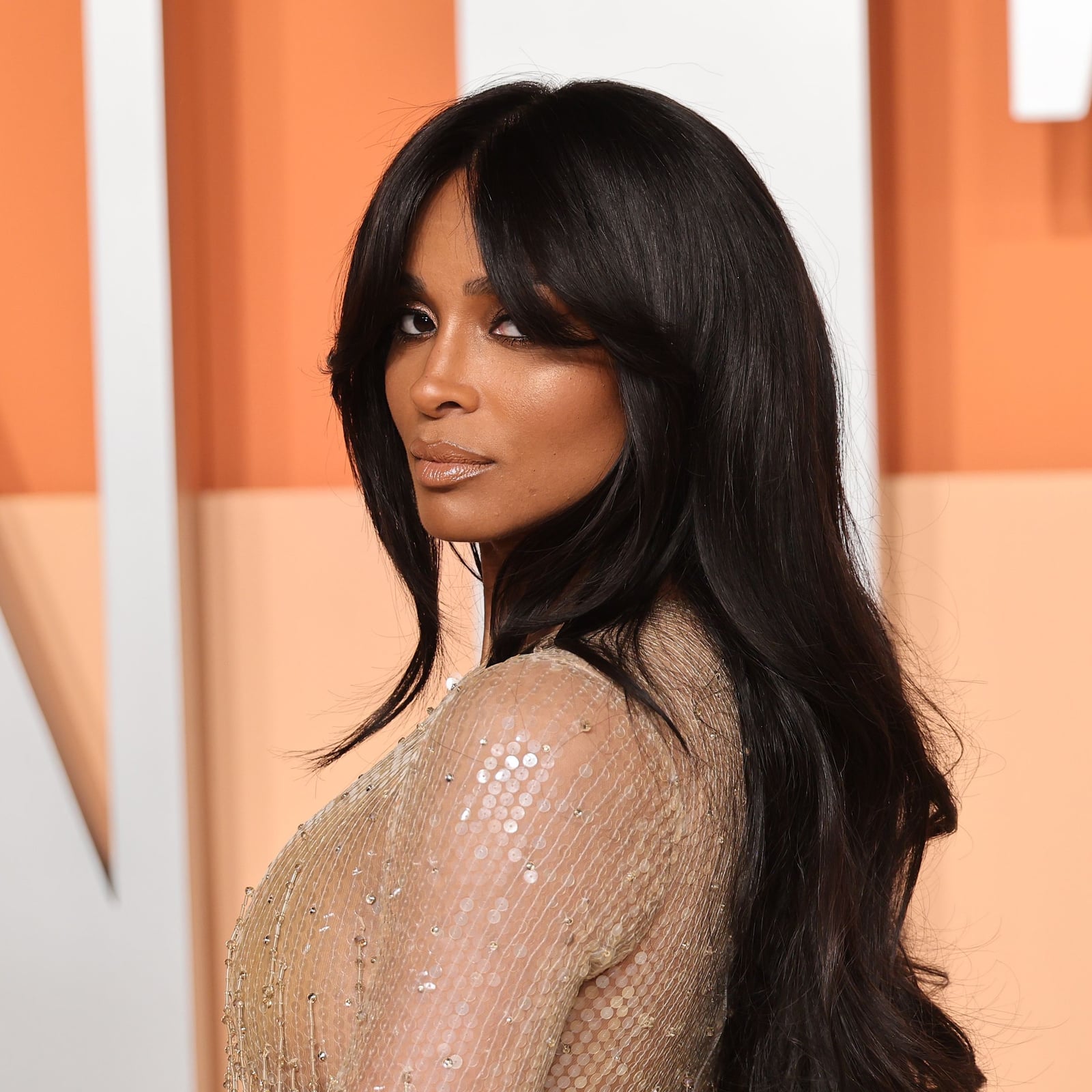
This is what happens when you give a mid-back length cut the full round brush treatment. The voluminous blowout lifts the roots, and the long, face-framing curtain bangs part to each side, so the black hair moves with actual swing instead of hanging flat. The subtle lighter undertones keep the solid black from looking heavy.
To get close at home, start with damp hair and apply a volumizing spray at the roots. Use a large round brush to pull sections upward as you dry, then finish with a cool shot to set the lift. Ask your stylist for: mid-back length, voluminous blowout, curtain bangs, black. The curtain bangs will need a trim every few weeks to keep their sweep, but the length itself can go eight to ten weeks between trims.
Mid-Back Layers With Glossy Curtain Bangs and Long Layered
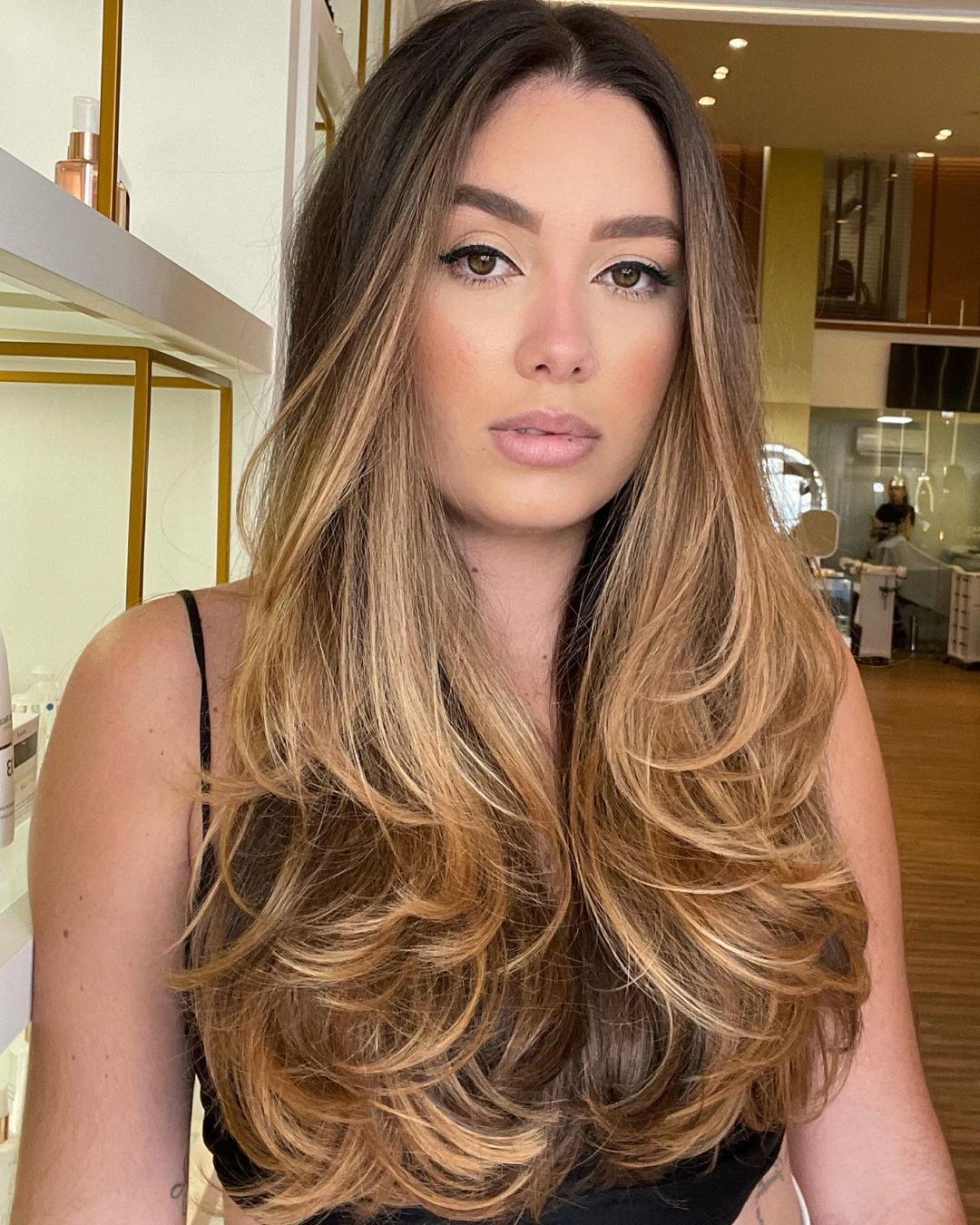
Wondering how to get that glossy, voluminous blowout look without spending an hour with a round brush? Start with the cut: ask your stylist for mid-back length with long layers and curtain bangs, then finish with a voluminous blowout. The long layers support the curtain bangs, which frame the face to add softness around the cheekbones, while the subtle highlights give the dark brown base some depth.
This style suits thick, straight hair that can handle the weight of a mid-back length without falling flat. The middle parting keeps the face-framing layers symmetrical, so they blend seamlessly with the longer hair. For styling, use a round brush, directing the bangs forward and then out to create that soft curve. A trim every eight to ten weeks keeps the layers from losing their shape.
Collarbone Layers Ash Blonde
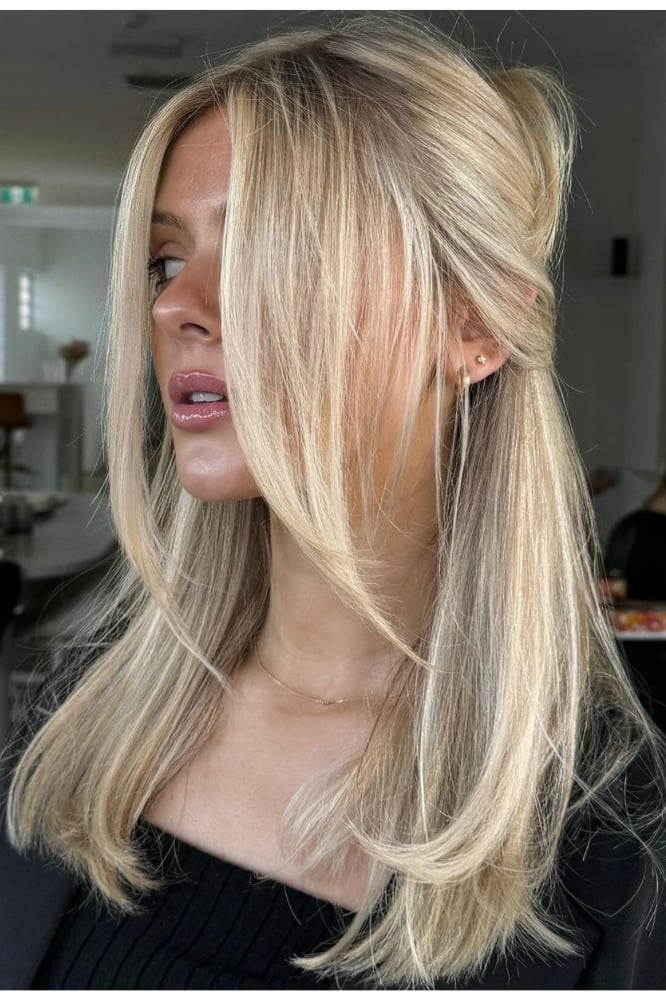
Ash blonde is a commitment, and on thick, straight hair, the upkeep is real. The collarbone length with soft face-framing layers keeps the weight from dragging the cut down, but the lighter highlights will grow out into a visible line within six to eight weeks. Ask your stylist for collarbone length with soft face-framing layers, ash blonde. A toner at every other trim keeps the cool tone from turning brassy. Use a round brush while blow-drying, directing the front sections to encourage the layers to sit where they should.
Shoulder Length Lob With Wispy Bangs
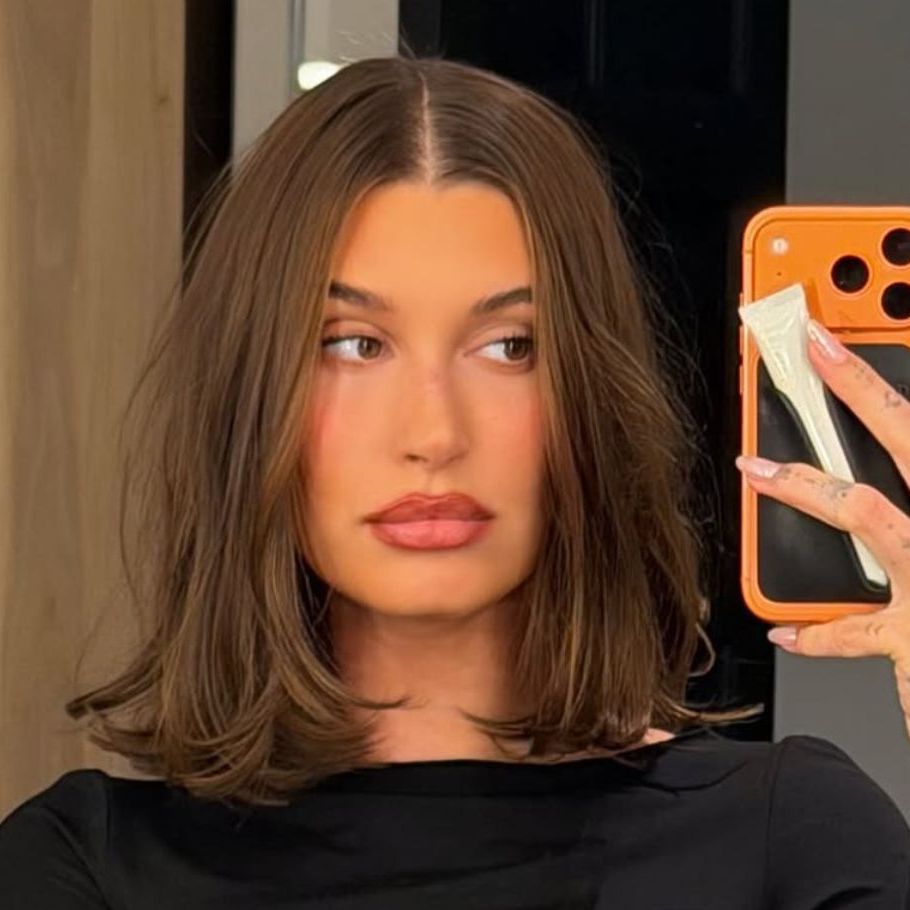
The wispy bang is a delicate piece of engineering: too heavy and it reads as a blunt fringe, too light and it disappears into the rest of the hair. On a shoulder-length lob with a middle parting, these feathery ends frame the eyes without demanding constant attention. Ask your stylist for a shoulder length lob, wispy bangs, medium brown with subtle highlights. The lob’s blunt-ish silhouette keeps the style from looking fussy, and the wispy bangs soften the forehead without committing to a full fringe.
Mid-Back Layers With Blunt Bangs, Black

Blunt bangs on long hair are a different species from soft curtain bangs. The straight-across fringe makes a bold statement, especially against a mid-back length of thick black hair, while curtain bangs would soften the whole effect. If you want the drama, ask your stylist for mid-back length with long layers, blunt bangs, black. The long layers add movement so the length doesn’t feel like a heavy curtain, but the bangs stay the main event.
This is a salon-only cut. The blunt bangs need a steady hand and a precise eye, and they will need a trim every three to four weeks to stay sharp. At home, a flat iron keeps both the bangs and the length smooth, but the shape is all in the initial cut.
Mid-Back Layers With Ash Blonde Curtain Bangs, Middle

Can fine, straight hair carry a mid-back length without looking flat? It can, if the cut and color do the work. The long layers add movement, and the curtain bangs frame the face, creating the illusion of density where there is not much. Ask your stylist for mid-back length with long layers and curtain bangs, ash blonde. The ash blonde highlights add dimension, so the hair does not look like one solid block of color.
This style suits fine straight hair that might otherwise fall limp. Blow-dry the curtain bangs with a round brush, directing them outward. The baseline needs a trim every eight to ten weeks, but the bangs can go a little longer if you train them to sweep to the sides.
Mid-Back Layers With Face-Framing Bangs and Brown With Highlights
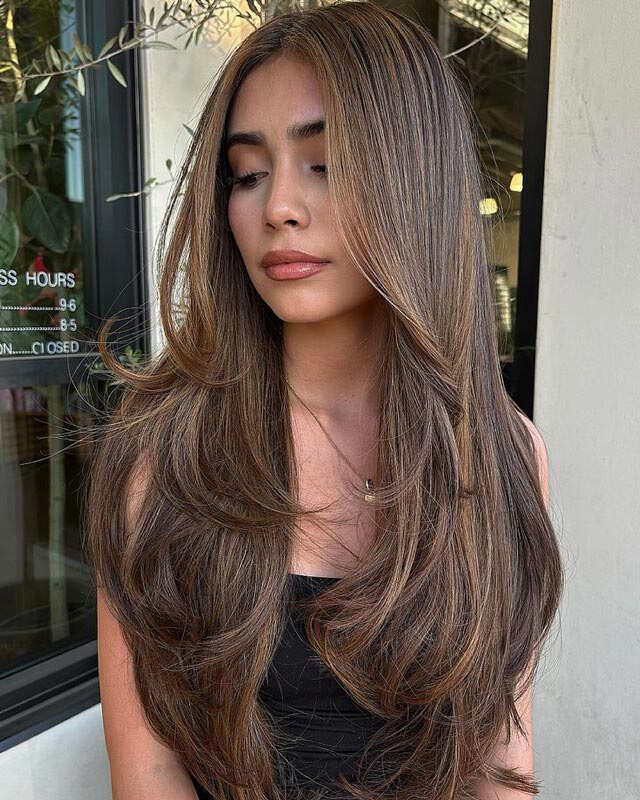
The genius of face-framing bangs is that they give mid-back length hair a reason to exist. Long layers cut through the thickness so the brown base with subtle highlights has movement. The front pieces angle toward your cheekbones, which adds shape without sacrificing the length. Ask your stylist for: mid-back length with long layers and face-framing bangs.
This cut suits thick, straight hair that has some weight to manage. The middle parting keeps the face-framing bangs symmetrical, and a blowout with a round brush directs them forward for that polished finish. Plan on a trim every eight to ten weeks to keep the layers from turning into one shapeless mass.
Collarbone Layers Ash Blonde, Close-Up Take
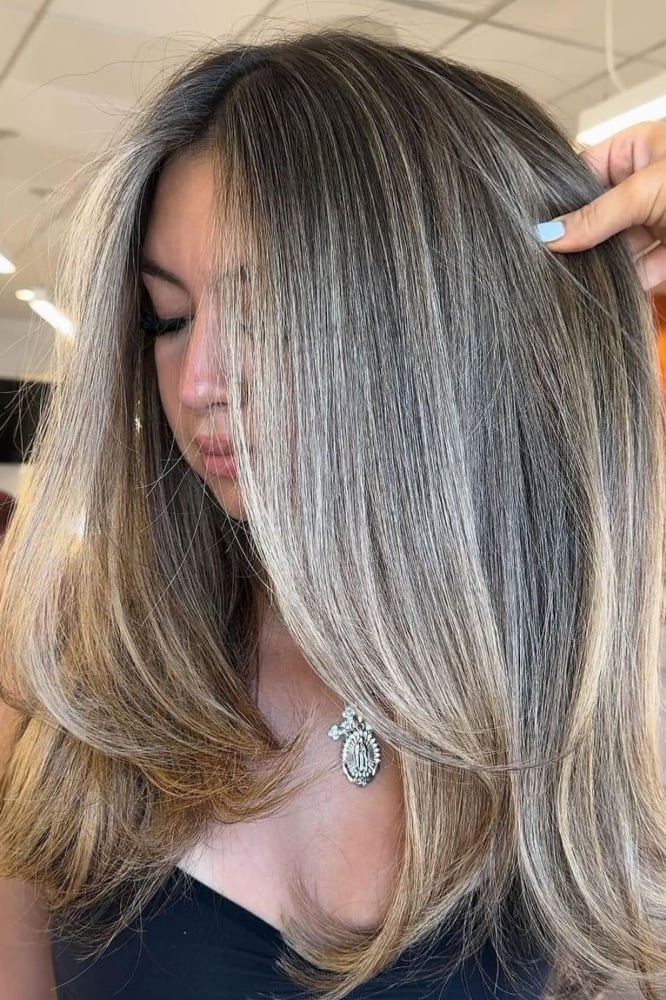
The technique here is all about graduated lengths. Long layers are cut so they stack softly toward the collarbone, with face-framing pieces that connect to the rest of the hair. The ash blonde base with lighter highlights adds dimension at each layer, which makes the cut look more layered than a single-length blunt line. Ask your stylist for: collarbone length with soft face-framing layers, ash blonde. This works best on thick, straight hair that can hold the shape. The side view is where you see the real artistry: the layers are long enough to swing, but short enough to frame the face. A round brush blow-dry keeps the ends smooth, and a trim every six to eight weeks preserves the shape.
Chin Length Blunt Bob Black With The Hair Appears To Be Air-Dried
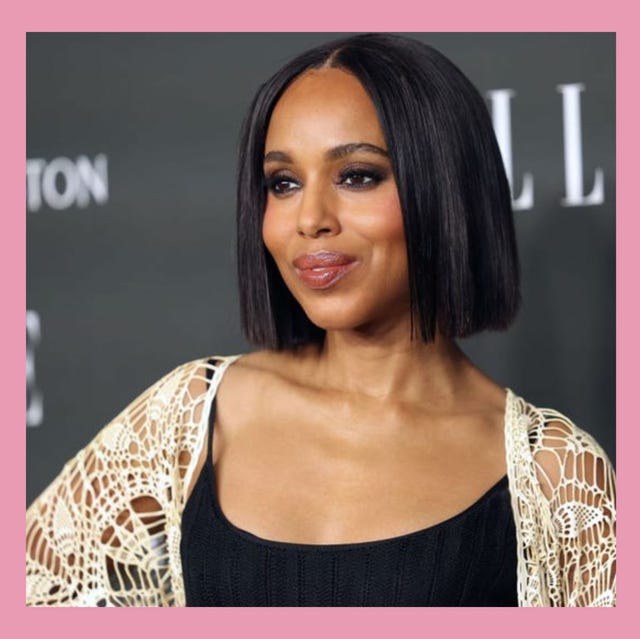
Here is the rule: a blunt bob with no layers is the most honest haircut you can get. Air drying thick, straight black hair at chin length gives you a clean, graphic line that a blowout would only soften. The middle parting splits the weight evenly, and the sharp ends do the talking. Ask your stylist for: chin length blunt bob, black, no layers. The real drawback is that it shows every split end and uneven growth, so a trim every six weeks is non-negotiable. A smoothing cream before air drying keeps the texture sleek without extra effort.
Mid-Back Layers With Face-Framing and Viewed From The Front

Can you get face-framing layers without a salon visit? Yes, if your hair is fine and you are careful. The trick is to pull a small section from the front, twist it, and snip upward at an angle. Do this on both sides, and you get soft face-framing pieces that connect with the rest of your mid-back length. The dark brown color stays solid, so the layers are the only thing moving.
Here is what works for fine, straight hair: keep the layers long and subtle, because too much layering can make thin hair look stringy. A middle parting lets the face-framing pieces fall naturally. For styling, apply a lightweight leave-in conditioner to damp hair and let it air dry. It is a low-maintenance way to add movement without heat tools.
Final Thoughts
For fine straight hair, a blunt cut or wispy bangs add density without thinning ends. For a round face, let the length fall below the chin to elongate. Embrace the clean lines and polished finish of straight hair.
- Trim blunt ends every six to eight weeks to maintain sharpness.
- Refresh ash blonde tones with purple shampoo monthly to combat brassiness.
- Use a heat protectant spray before any heat styling to preserve shine.
- Wash hair two to three times a week to avoid stripping natural oils.