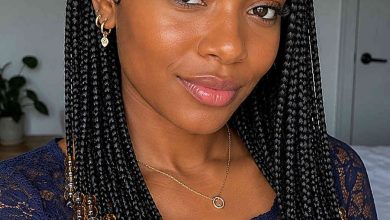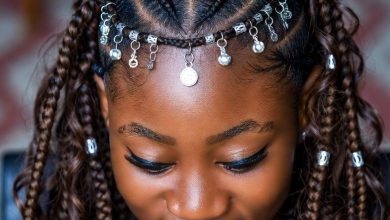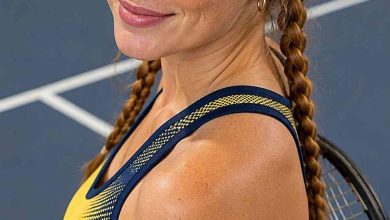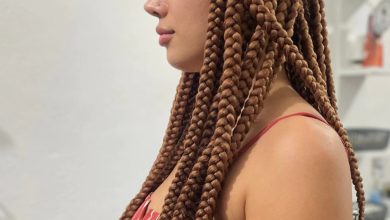
Waves hair sits somewhere between a blowout and a curl, giving you movement without the commitment of a set style. This season, the shift is toward softer, more lived-in textures that hold their shape without looking like you spent an hour with a curling iron.
This collection of 32 ideas spans everything from sculpted Hollywood waves to air-dried beachy bends, covering short bobs, shoulder-length cuts, and long layers. You will find options for fine hair that loses volume by noon, for visible regrowth that needs a root shadow, and for a fringe that refuses to cooperate. The range moves from salon-focused polished looks to styles you can recreate at home with a texturizing spray and a diffuser.
Sculpted Hollywood Waves With Middle Part
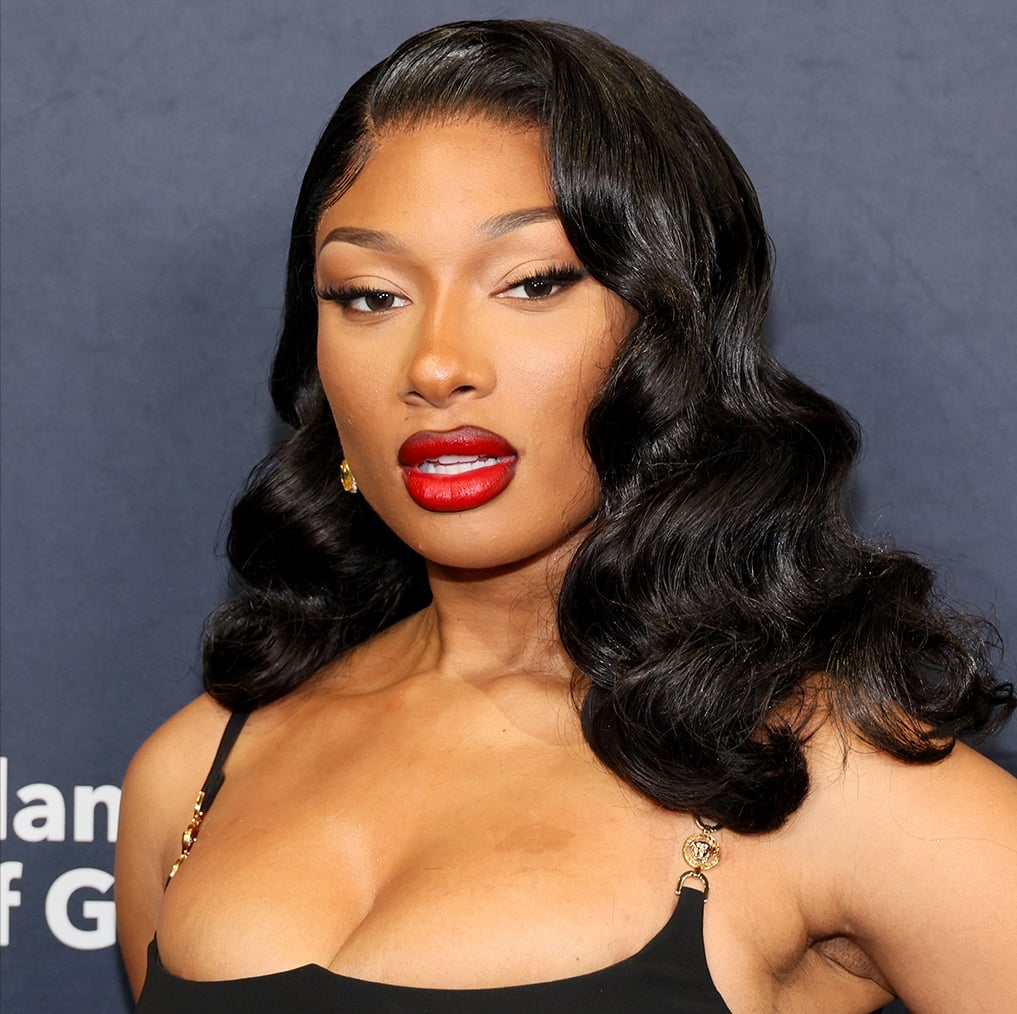
A design this precise is not a quick fix. The deep middle part splits the thick dark base evenly, and each sculpted wave is pinned and cooled before the next one is set, which is why the S-pattern holds its shape through an evening. The subtle lighter strands running through the black base keep the look from reading flat. Ask your stylist for: long, dark hair, sculpted Hollywood waves, middle part. Thick, long hair is the starting point; the middle part and the uniform waves lengthen a round face. The blowout is the only way to build this, so plan for a salon appointment.
The hold comes from the technique, not the product. A strong-hold hairspray is sprayed on before the pin is removed, and the wave is left to cool completely. That is what keeps the curve intact. The finish is glossy from the blow-dryer, not from a heavy serum, which means the hair does not look greasy by the end of the night. A trim every eight weeks keeps the layers sharp enough to maintain the wave pattern.
Classic Hollywood Waves With Side Swept Bangs
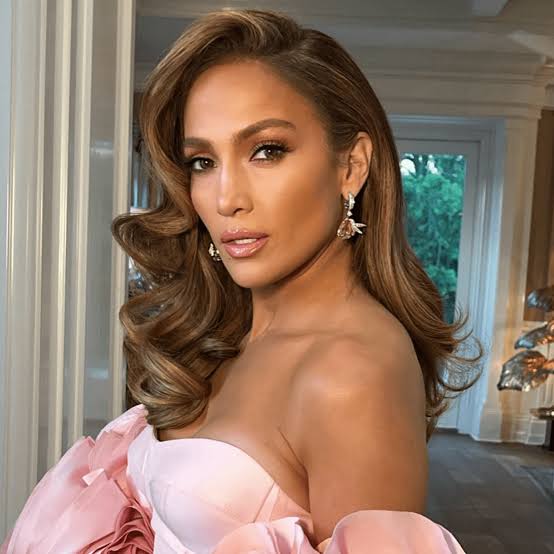
Can a wave pattern be too polished for someone with a square jaw? Not when the side-swept bangs are built in. The diagonal line of the bangs breaks up the width, and the soft side part adds asymmetry where a strict middle part would emphasize it. The mid-back length with long layers means the wave has weight to fall into place. Ask your stylist for: mid-back layered hair, classic Hollywood waves, side part, soft side-swept bangs. The medium brown base with subtle highlights adds depth without competing with the wave itself.
This is a salon-only finish: the bangs need to be blown forward with a round brush to get the smooth curve, and the waves are set with clips and a cool shot. The result is uniform enough for a formal event. Heart-shaped faces also benefit from the side sweep because it softens the forehead. The subtle highlights require a toning appointment every six to eight weeks to stay dimensional.
Defined Hollywood Waves In Dark Brown
The side part gives the wave a clear direction, and the dark brown color shows every ridge without the distraction of highlights. Ask your stylist for: mid-back dark brown hair, defined Hollywood waves, side part. This is the better choice over a beachy wave if you have medium-density hair that tends to go flat. The uniform S-pattern adds visual weight and structure, and a trim every six weeks keeps the shape clean.
Defined Waves With Root Shadow
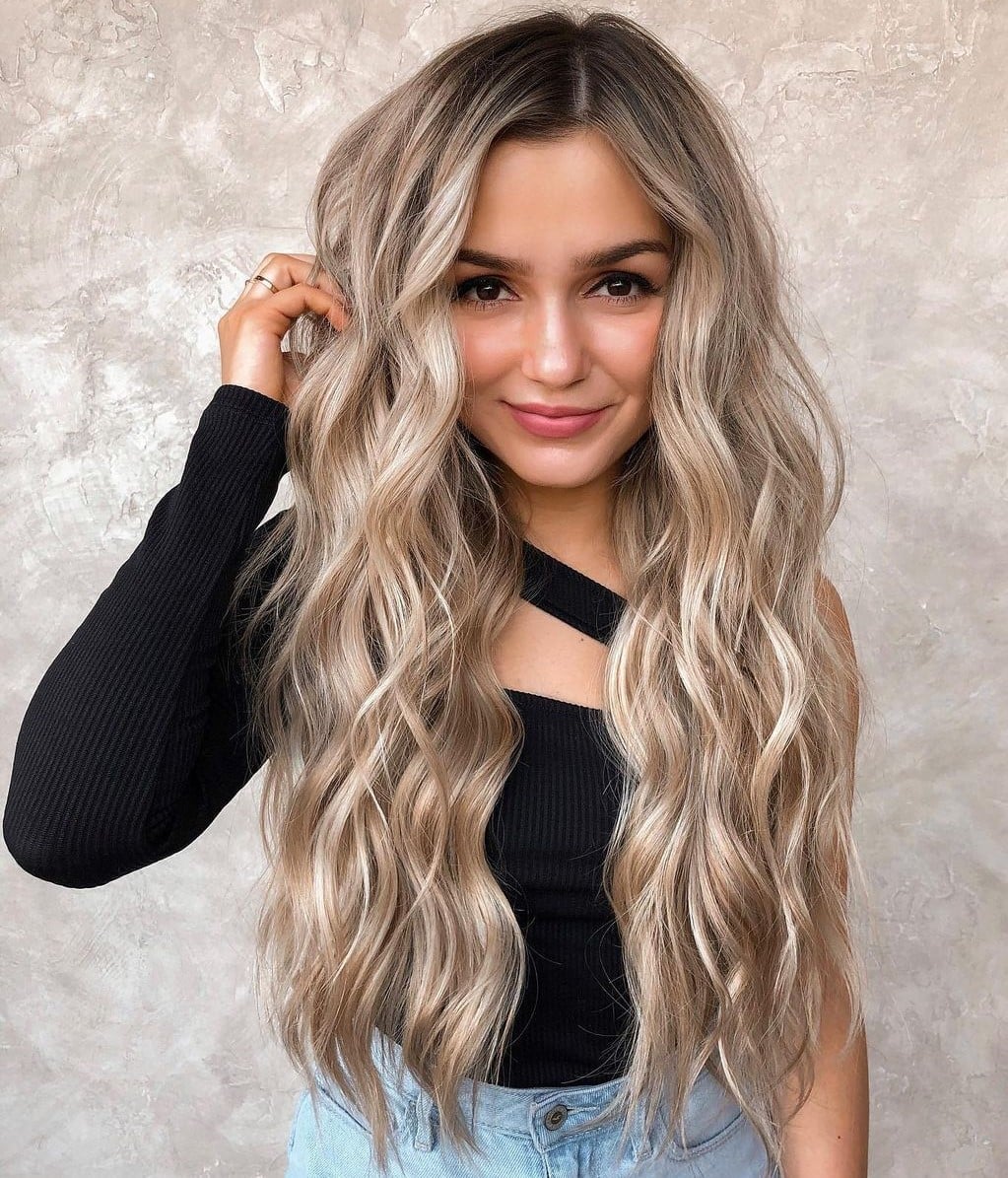
The root shadow gives the ash blonde highlights a seamless grow-out. The dark base at the scalp means you skip the demarcation line for about eight weeks, and the blonde pieces are woven through the mid-lengths and ends so they add brightness without washing out the thick texture. Ask your colorist for: long thick hair, ash blonde root shadow, defined waves. A middle part splits the hair evenly, and the blowout is polished with a large round brush to smooth the cuticle. The defined wave pattern stays crisp because the root shadow adds weight at the top, preventing the roots from puffing up. A toning appointment every four to six weeks keeps the ash undertone cool.
The upkeep is about timing as much as color. The root blend starts to soften around week six, but the grow-out reads as a lived-in look until week eight. For thick hair, a root-lifting spray at the crown before blow-drying gives the wave enough lift to balance the weight of the length. The hold is solid for a full day, and a dry shampoo at the roots refreshes the volume for day two.
Sophisticated Dark Brown Waves
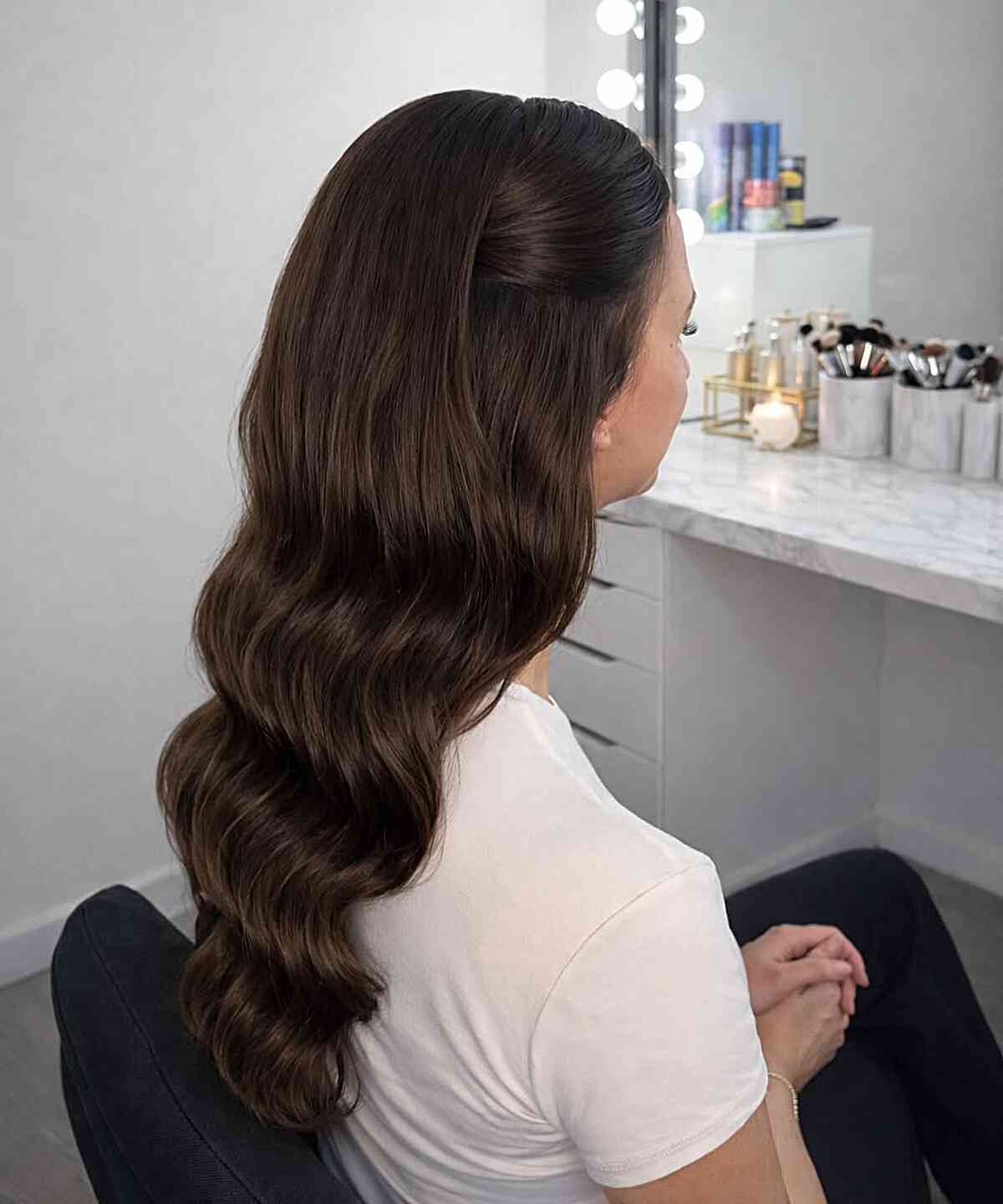
What do you call a wave that looks like it took effort but not too much? Ask your stylist for: mid-back dark brown hair, soft layers, defined Hollywood waves, side part. The soft layers prevent the mid-back length from feeling heavy, and the side part creates a diagonal line that adds movement. The dark brown is a single tone, so the wave pattern is the main event. This works best for medium-density hair that does not need highlights to look dimensional. The gloss finish comes from a smoothing serum applied before the blowout, and the hold is firm without being stiff. A trim every eight weeks keeps the layers from losing their shape.
Voluminous Dark Brown Hollywood Waves, Mid-Back
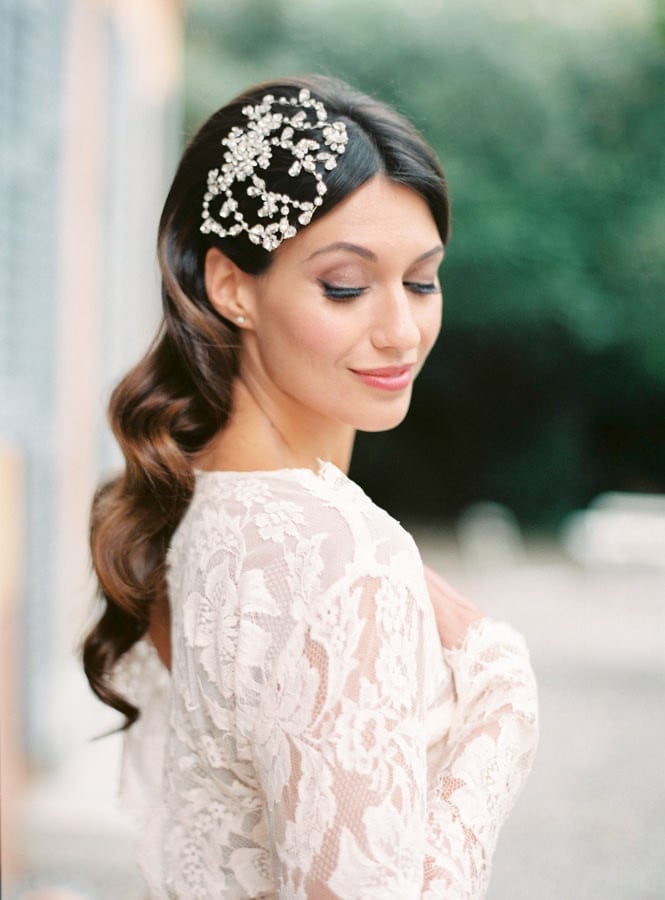
The side parting is the quiet hero here. A center part would split the volume evenly, but this one sweeps it all to one side, creating the deep wave pattern that defines classic Hollywood styling. The mid-back length gives the wave enough room to travel, and the subtle highlights add depth without competing with the dark brown base.
Ask your stylist for: mid-back dark brown hair, voluminous Hollywood waves, side part. This is a salon-only endeavor, not because the curling iron work is complex, but because the blow-dry prep needs to lift the roots enough to support the wave without collapsing. Medium density hair is ideal; very fine hair will struggle to hold the S-pattern past a few hours without a strong-hold setting lotion. The real drawback: the side part becomes a commitment. If you flip your part regularly, the trained wave direction will look confused between wash days.
Ash Blonde Balayage Flowing Waves
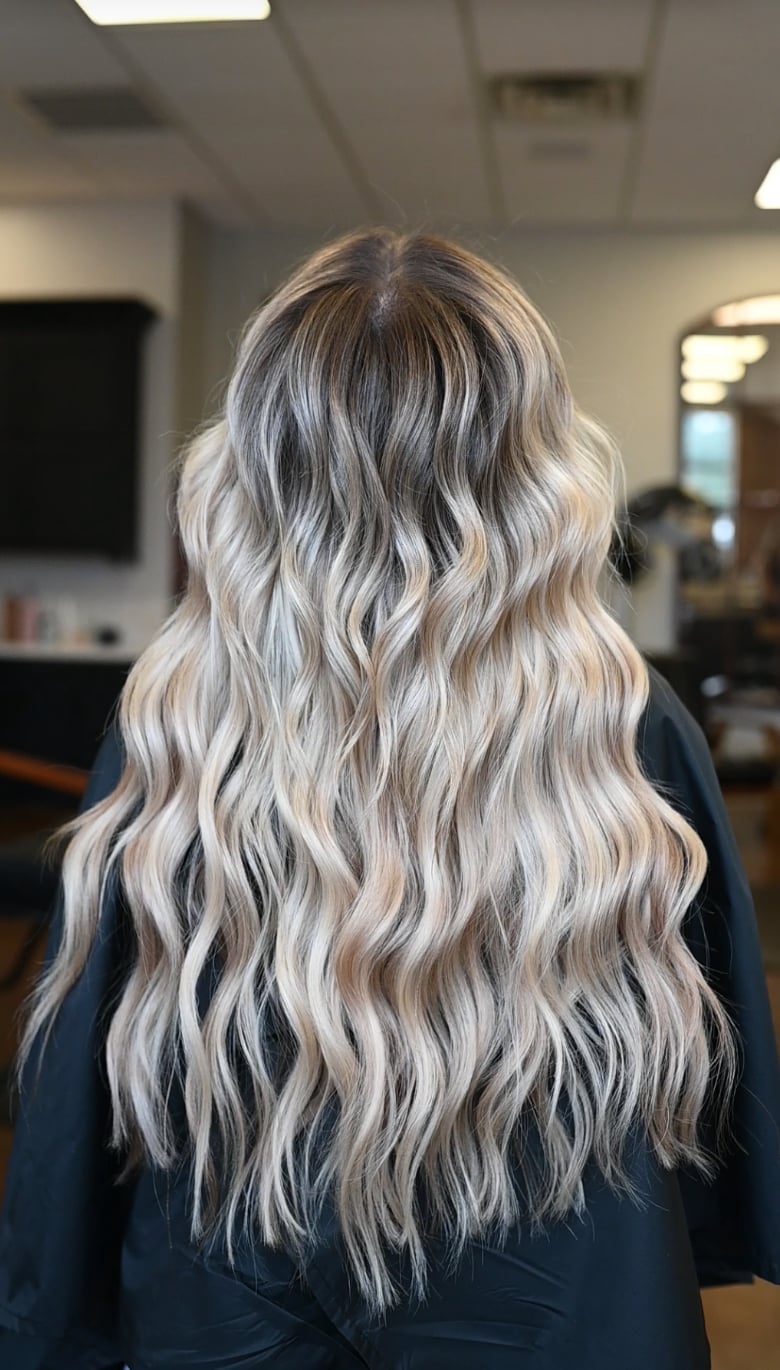
A root shadow and a middle part are a strategic pair. The darker base at the scalp lets the ash blonde balayage stretch down the length without a harsh regrowth line, while the middle part keeps the color distribution balanced on both sides. On thick, mid-back hair, the loose voluminous waves rely on the blow-dryer and a large round brush to create the bend, not a curling iron.
Ask your colorist for: long thick hair, ash blonde balayage, loose voluminous waves, middle part. The technique requires the colorist to paint the lightener freehand in sweeping sections, so the blonde melts into the dark base rather than starting at a hard line. The wave pattern itself is straightforward: a round brush pulls the hair forward and under as the dryer follows, creating a smooth curve that looks deliberate but not stiff. The ash tone needs a purple shampoo every two weeks to keep it from warming up.
Voluminous Blonde Balayage Blowout
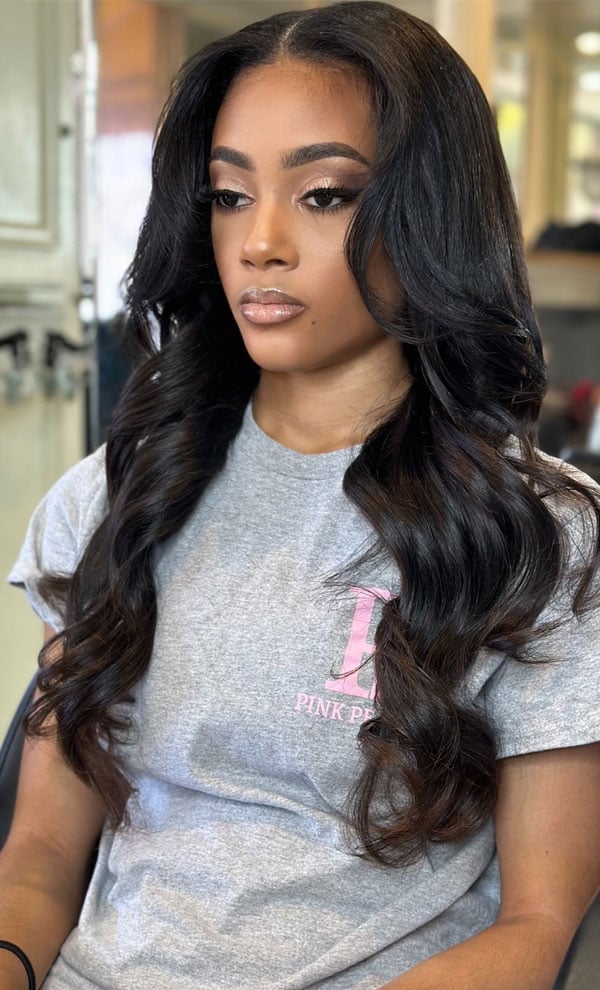
A voluminous blowout and a loose wave can look similar in photos, but they are built differently. The blowout relies on tension and a round brush to create the bend, while a loose wave uses a barrel to clamp and release. This is the blowout version: the blonde balayage is styled with a middle part and subtle layers that let the brush glide through without catching.
Ask your stylist for: mid-back layered hair, blonde balayage, voluminous blowout, flowing waves. The layers here are long and integrated, not choppy, which means the hair moves as a single unit rather than separating into pieces. Thick hair is the ideal candidate because it holds the blowout shape longer; fine hair will need a volumizing mousse at the roots before the dryer touches it. The balayage technique means the blonde pieces are concentrated on the mid-lengths and ends, so the root area stays darker and the grow-out is forgiving for about eight weeks.
Face-Framing Balayage Loose Waves
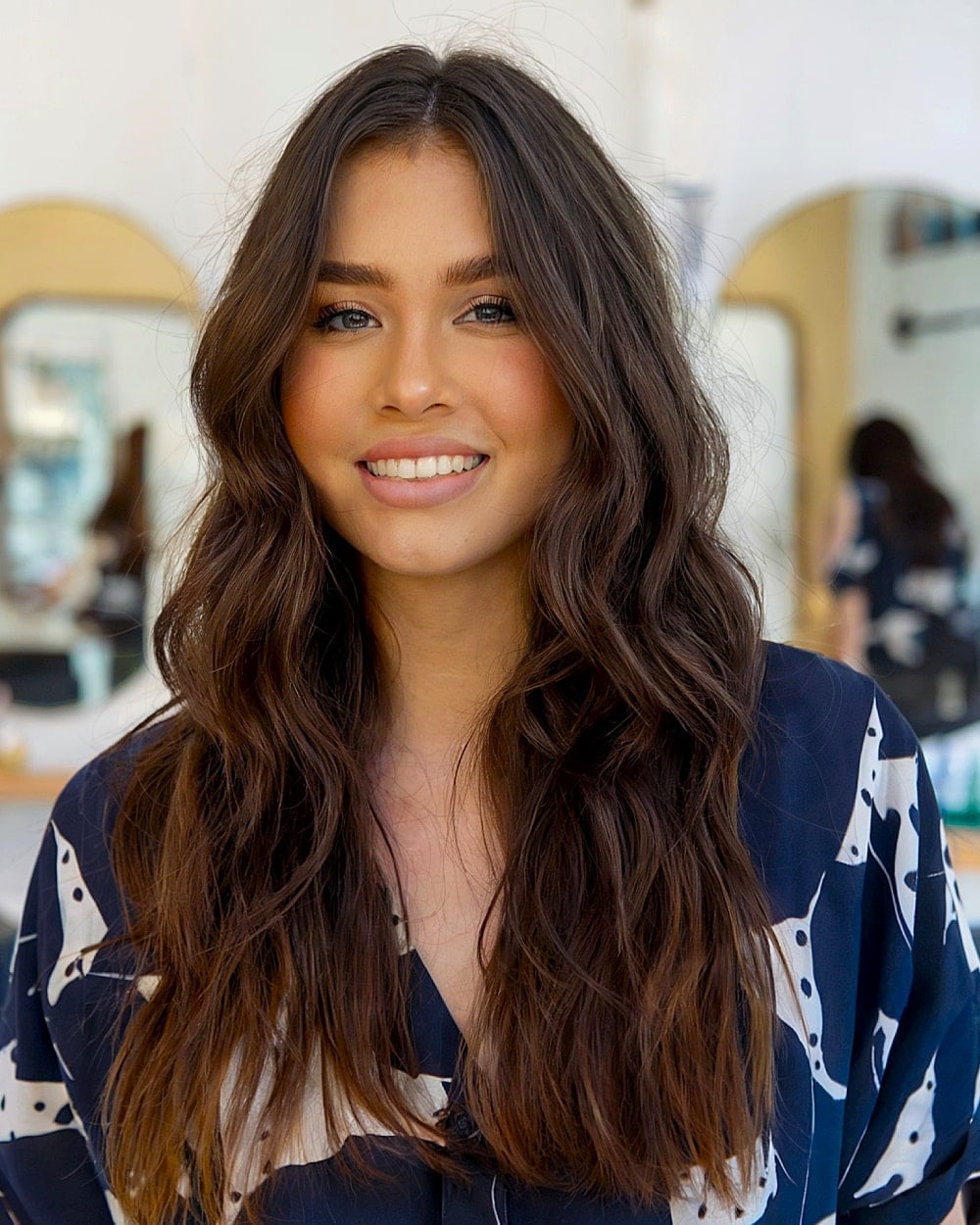
Does face-framing balayage actually change how the hair sits, or is it just color placement? It changes the visual weight. The lighter pieces around the face draw the eye forward, which makes the loose wave pattern feel softer than it is. Thick, mid-back hair with a middle part and long layers is the base, and the blonde balayage is concentrated on the front sections.
Ask your colorist for: mid-back thick layered hair, dark brown with blonde balayage, loose waves. The loose wave is created with a large barrel curling iron, wrapped away from the face, then brushed out once cooled. This creates a gentle S-curve that moves naturally. The face-framing highlights need a toner refresh every six to eight weeks to stay cool-toned. The dark brown base is low-maintenance in between.
Loose Waves With Blonde Balayage
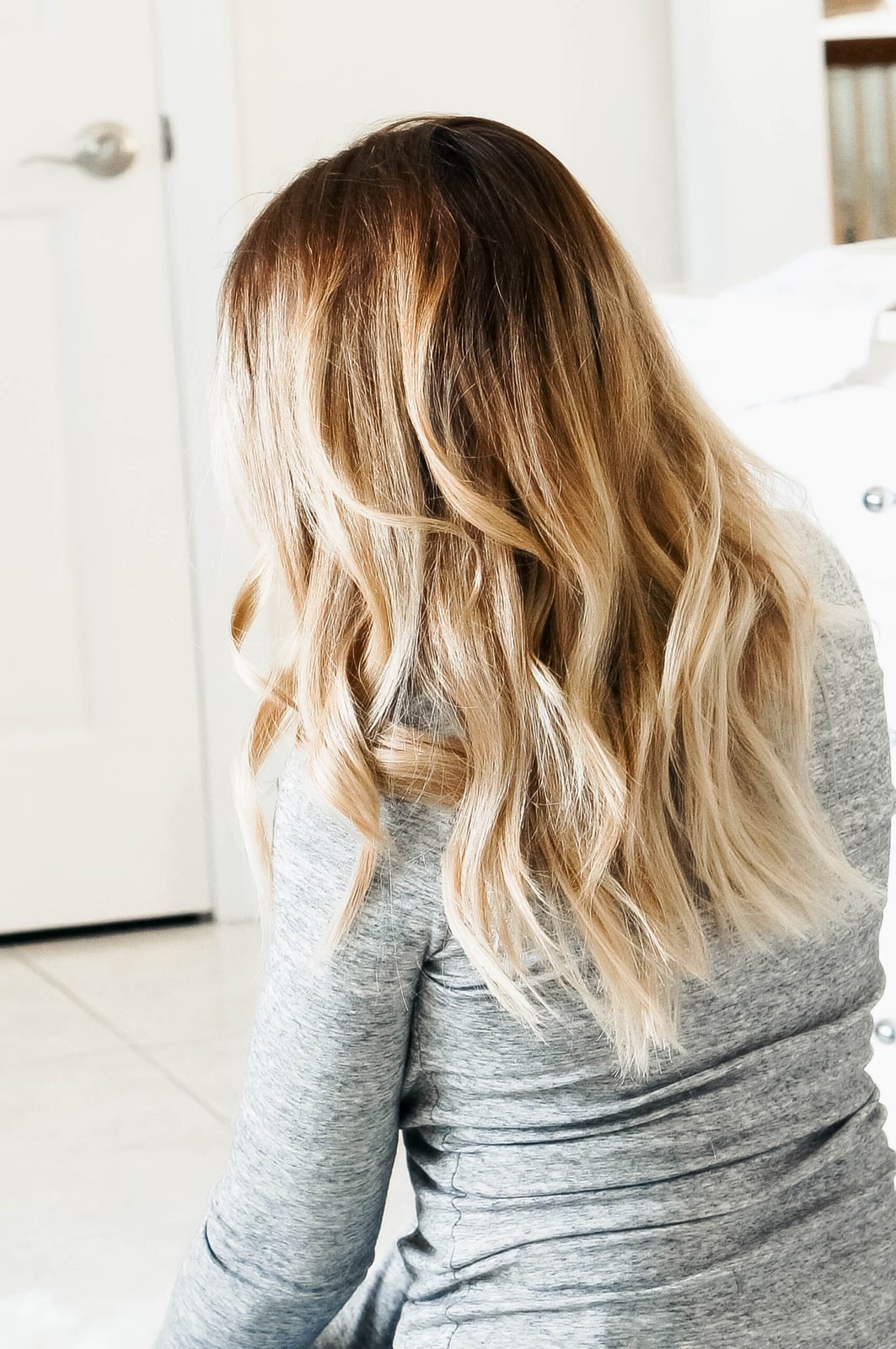
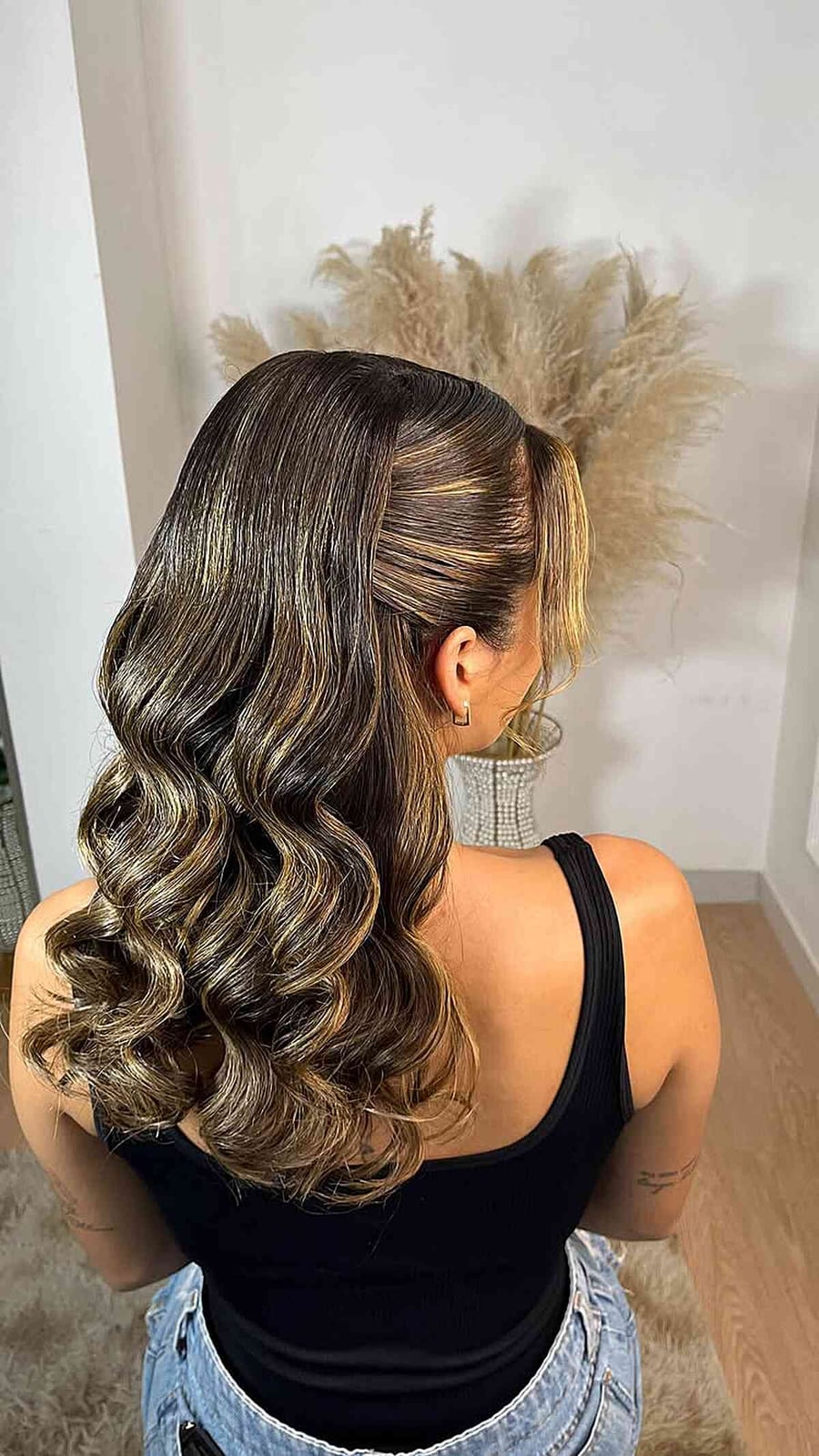
The back view tells the truth about a balayage: you see the full distribution of the lightener, from the darker root area down to the lighter ends. On medium-density, mid-back hair with a middle part, the loose waves are styled by wrapping sections around a curling iron and then breaking them up with fingers, not a brush. The blended color technique means there are no harsh lines between the blonde and the base.
Ask your colorist for: mid-back layered hair, blonde balayage, loose waves. The upkeep is the toning rhythm: every six to eight weeks to maintain the cool blonde tone and prevent brassiness. A texturizing spray applied to the mid-lengths and ends gives the wave pattern a lived-in feel that lasts through the day. The layers are subtle enough that the hair still reads as one length from the back, which keeps the wave shape consistent from root to tip.
Glossy Copper Waves Blowout
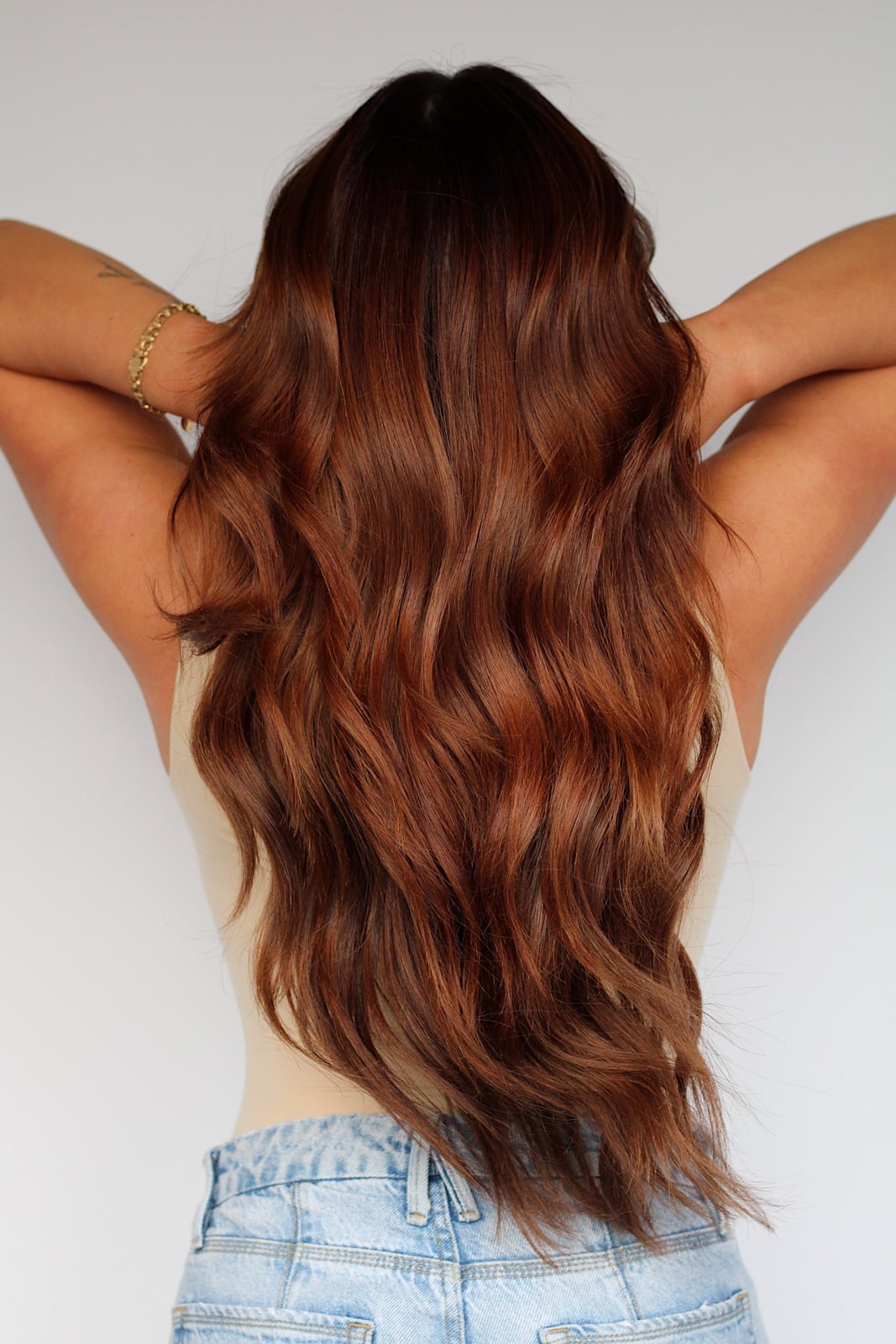
Rich copper waves rely on the blowout technique as much as the color. The mid-back length and medium density mean each wave is uniform and glossy, with the subtle highlights adding depth to the main shade. Ask your colorist for: mid-back hair, rich copper color, glossy waves. A round brush and a blow dryer on medium heat create the smooth finish; the hold comes from a lightweight styling cream applied before drying. The cut uses long layers to keep the waves from looking heavy, and a clear gloss treatment every four to six weeks maintains the shine.
The copper base works best on fair to medium complexions, though the real advantage is the dimension the highlights add. Without them, a solid copper can read flat on medium-density hair. A toning appointment every four weeks keeps the red from shifting orange, and the color-depositing conditioner you use between washes extends the vibrancy. This is a salon look: the blowout requires practice and a steady hand.
Beachy Waves With Caramel Highlights
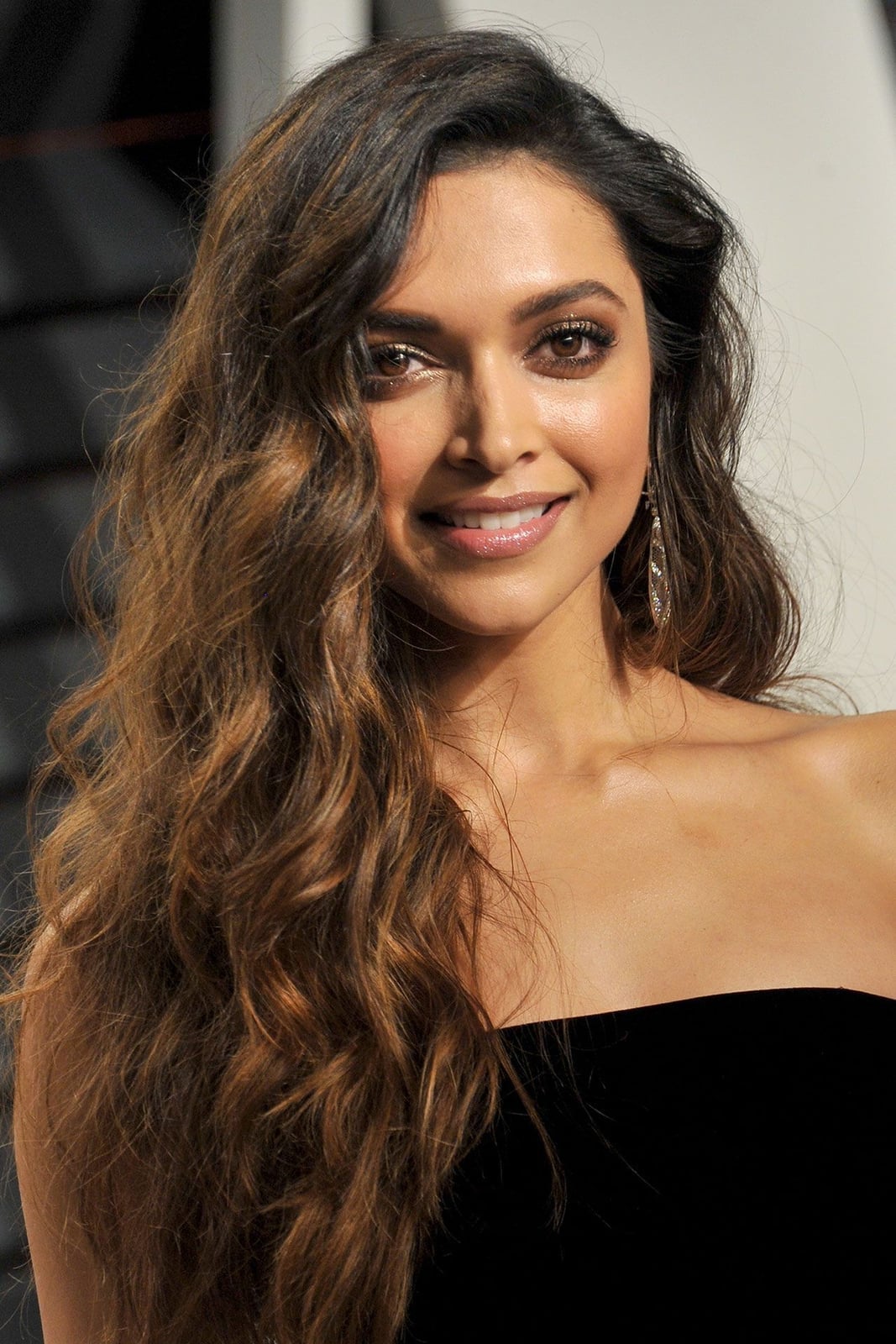
The middle part and voluminous, natural-looking waves make this a straightforward DIY. Start with damp, thick mid-back length hair and apply a sea salt spray from mid-lengths to ends. Scrunch the hair upward and let it air dry completely, resisting the urge to touch it until it is dry. The dark brown base with caramel highlights adds dimension that mimics sun exposure, so the waves have a polished finish. Ask your colorist for: long thick dark brown hair, caramel highlights, beachy waves. The technique takes about fifteen minutes of active time and zero heat tools, but the hold is light: expect the waves to relax by the end of the day.
Wavy Long Shag With Wispy Bangs and Dark Brown With Subtle Balayage
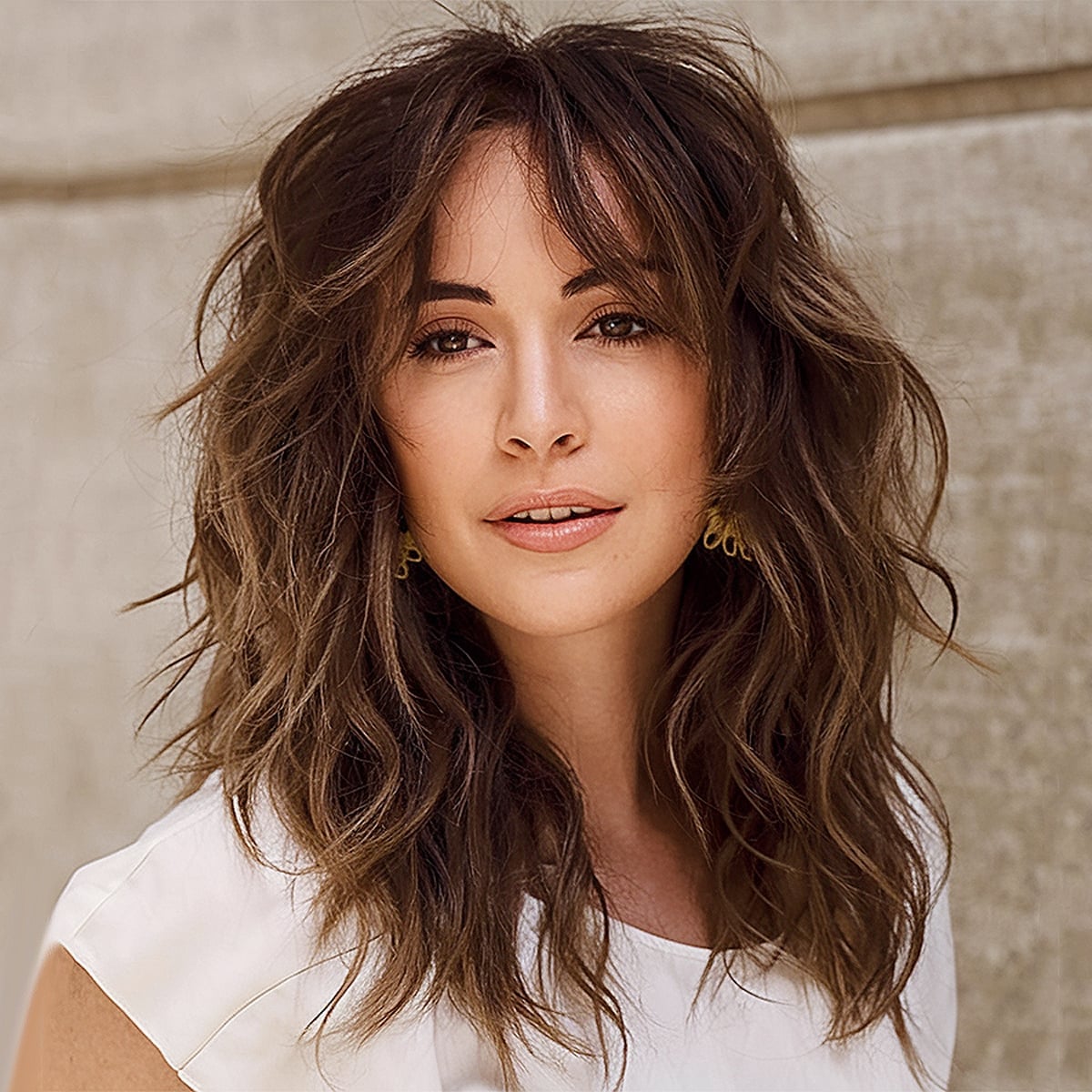
A long shag with wispy bangs is a volume strategy disguised as a haircut: the face-framing layers remove bulk from thick, wavy hair while the wispy bangs soften the forehead without demanding daily styling. The dark brown base with subtle balayage highlights adds dimension that the lived-in, air-dried texture can rely on when you skip the curling iron. This works best on thick, naturally wavy hair that can hold the S-bend on its own.
Ask your stylist for: mid-back long shag, wispy bangs, natural waves. The trade-off is that the wispy bangs need a trim every four weeks or they drift into your eyes, and the long layers lose their shape faster than a blunt cut would. A texturizing paste on dry hair keeps the lived-in feel honest, but you are committing to regular salon visits to maintain the shag silhouette.
Sun-Kissed Waves Air Dried
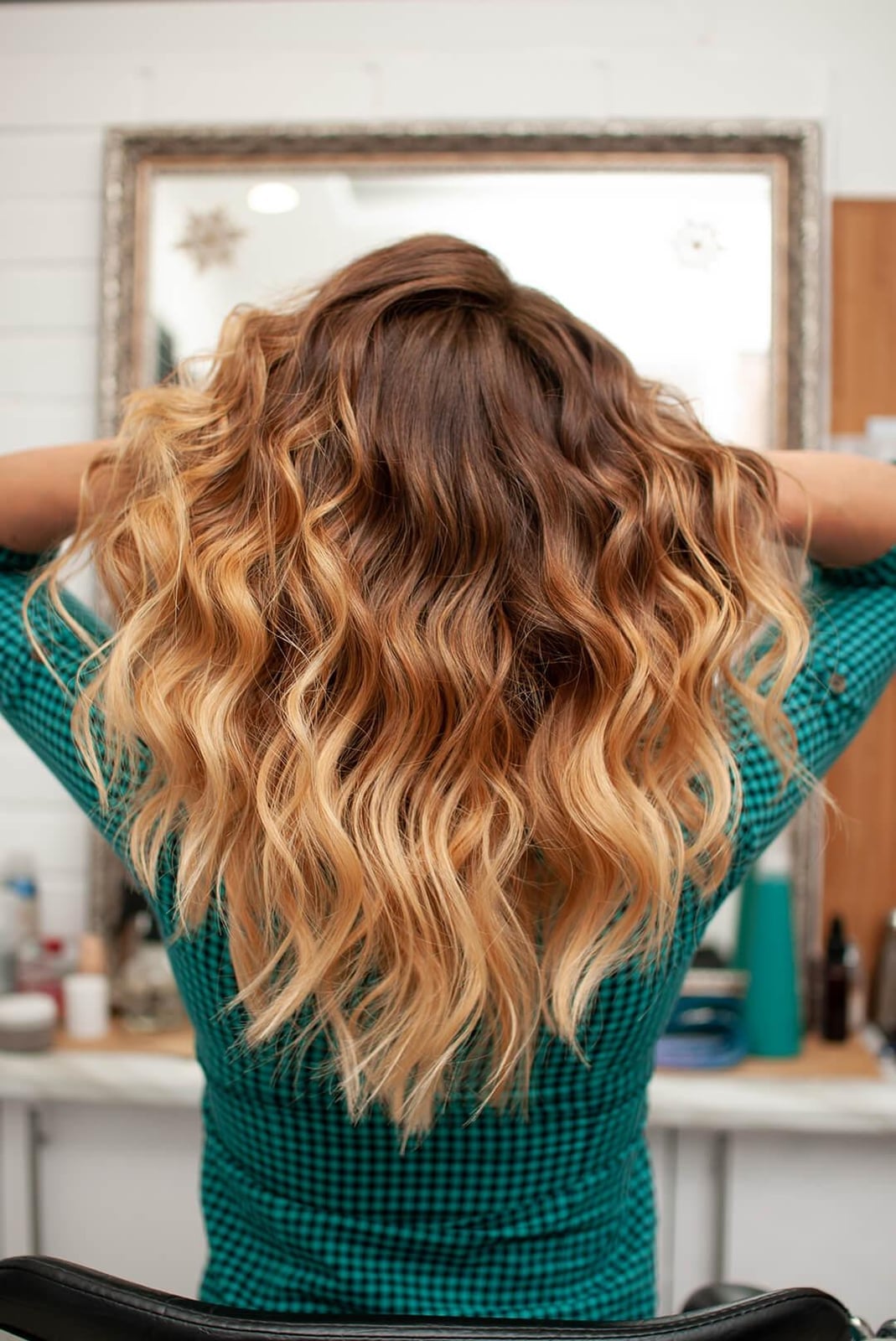
How does a medium brown base with blonde balayage hold up between salon visits? The long layers and loose, natural waves rely on the color placement to create the sun-kissed effect. Ask your colorist for: mid-back layered hair, medium brown with blonde balayage, air-dried waves. The upkeep is simple: a leave-in conditioner applied to damp hair, then scrunching with a microfiber towel before air drying. The waves hold their shape for about a day, and the balayage grow-out is forgiving for ten to twelve weeks. A purple shampoo used once a week keeps the blonde pieces from turning brassy against the brown base.
Thick Dark Brown Waves With Auburn Highlights
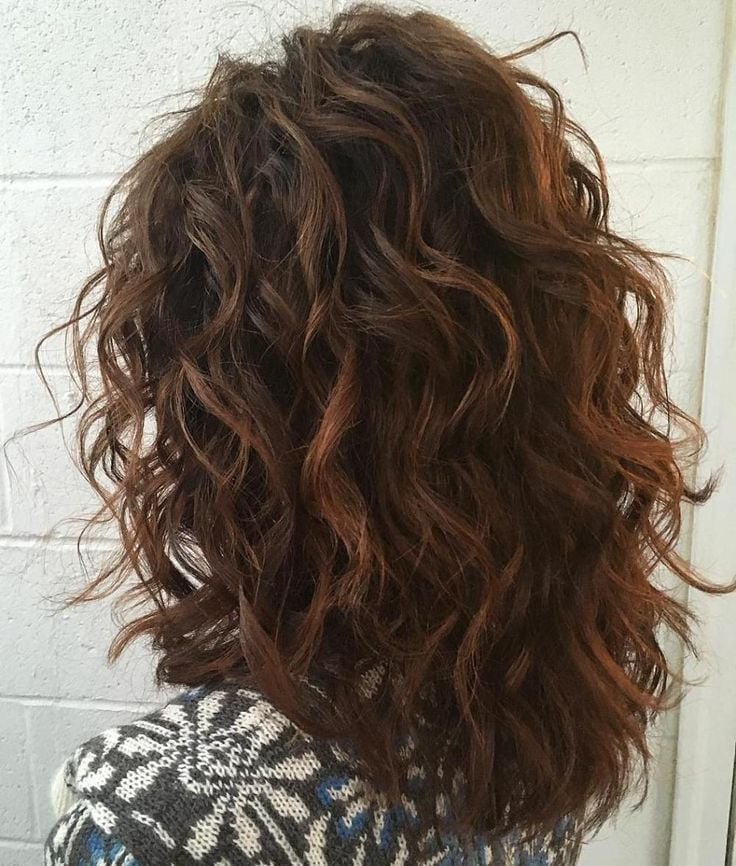
Collarbone length on thick, wavy hair is a practical choice: the layers remove weight without sacrificing volume. The dark brown with subtle auburn highlights adds warmth that looks natural, not dyed. Ask your colorist for: collarbone thick wavy hair, dark brown with auburn highlights, natural texture. A diffuser on low heat enhances the existing wave pattern, making this a solid DIY for anyone with thick hair who wants to avoid a round brush. The auburn highlights show best in natural light, and the color holds for about six weeks before the warmth starts to fade.
Golden Brown Waves With Lighter Highlights
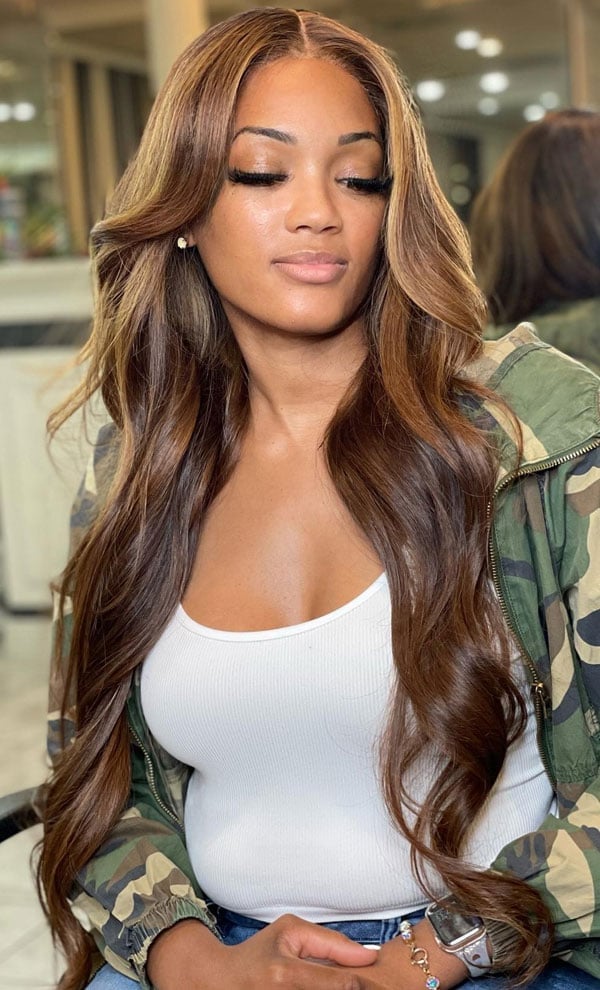
The middle part works here because the volume is in the wave itself, not at the roots. Thick hair holds the S-shape for a full day, though the ends need a heat protectant before the round brush touches them. The golden brown with highlights tone does not require a gloss every four weeks, but the lighter pieces start to brass after about eight weeks, so a purple shampoo once a week keeps the color clean.
Glossy Ash Blonde Loose Waves
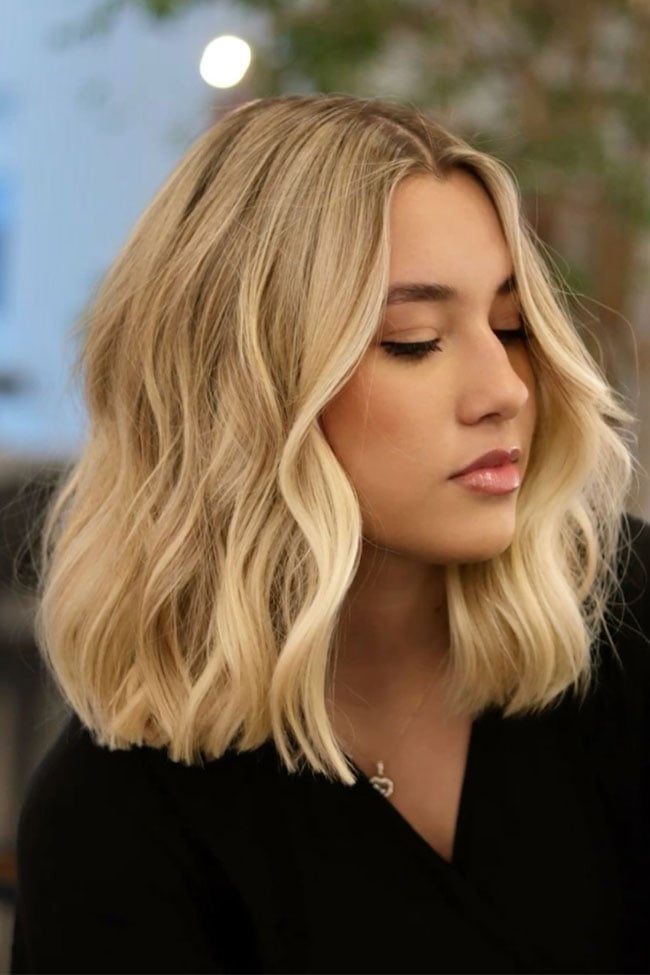
Glossy ash blonde waves on fine, collarbone-length hair are the opposite of a matte bleach-and-tone: they rely on a high-shine finish that a demi-permanent gloss delivers. Where a warm honey blonde hides the lack of gloss under its golden reflection, ash blonde shows every dry patch. Ask your colorist for: collarbone lob, ash blonde, loose glossy waves, middle part. The lob holds the wave pattern for about six hours before fine hair starts to drop, which is the real drawback: you need a texture spray at hour four or accept the soft, straightened look for the evening.
Dark Blonde Balayage Loose Waves, Collarbone
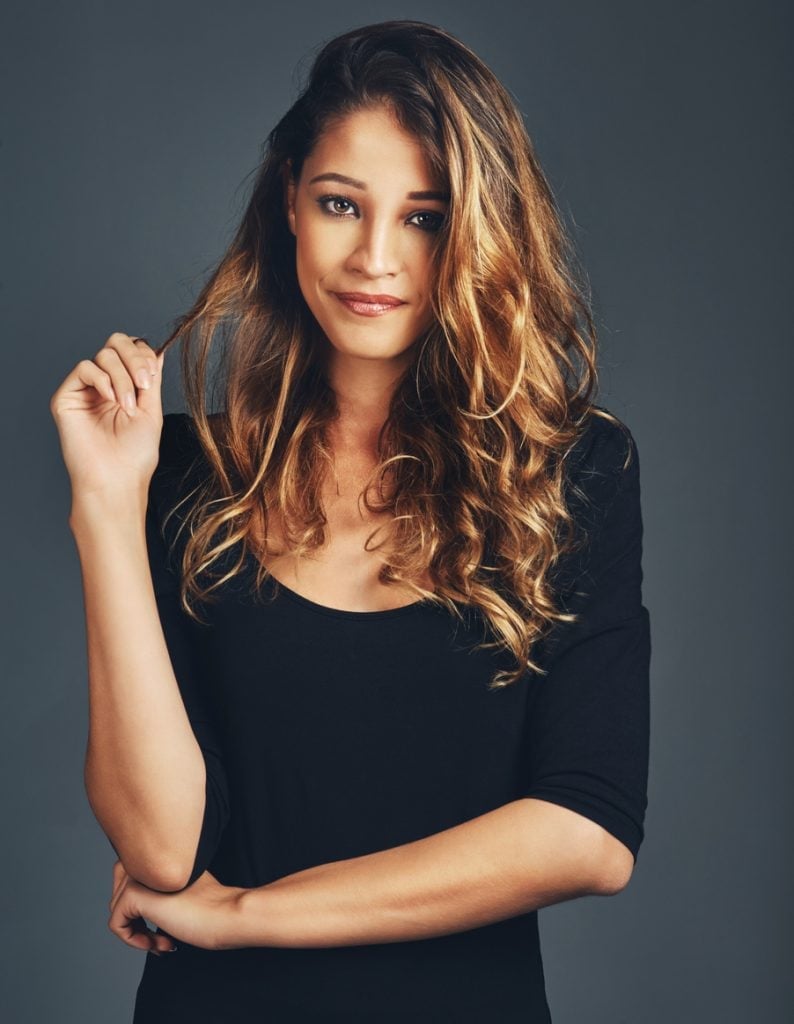
The dark blonde balayage on collarbone-length fine hair is a grow-out strategy dressed as a style: the lighter pieces sit at the mid-lengths and ends, so the root line stays invisible for ten to twelve weeks. The side part and loose waves from a blowout add volume where fine hair needs it most, at the crown. Ask your stylist for: collarbone length hair, dark blonde balayage, loose waves, side part. The upkeep is the blowout itself: fine hair loses the wave shape after one night, so you either re-curl the ends each morning or book a weekly salon wash and style.
Ash Blonde Beachy Waves Lob
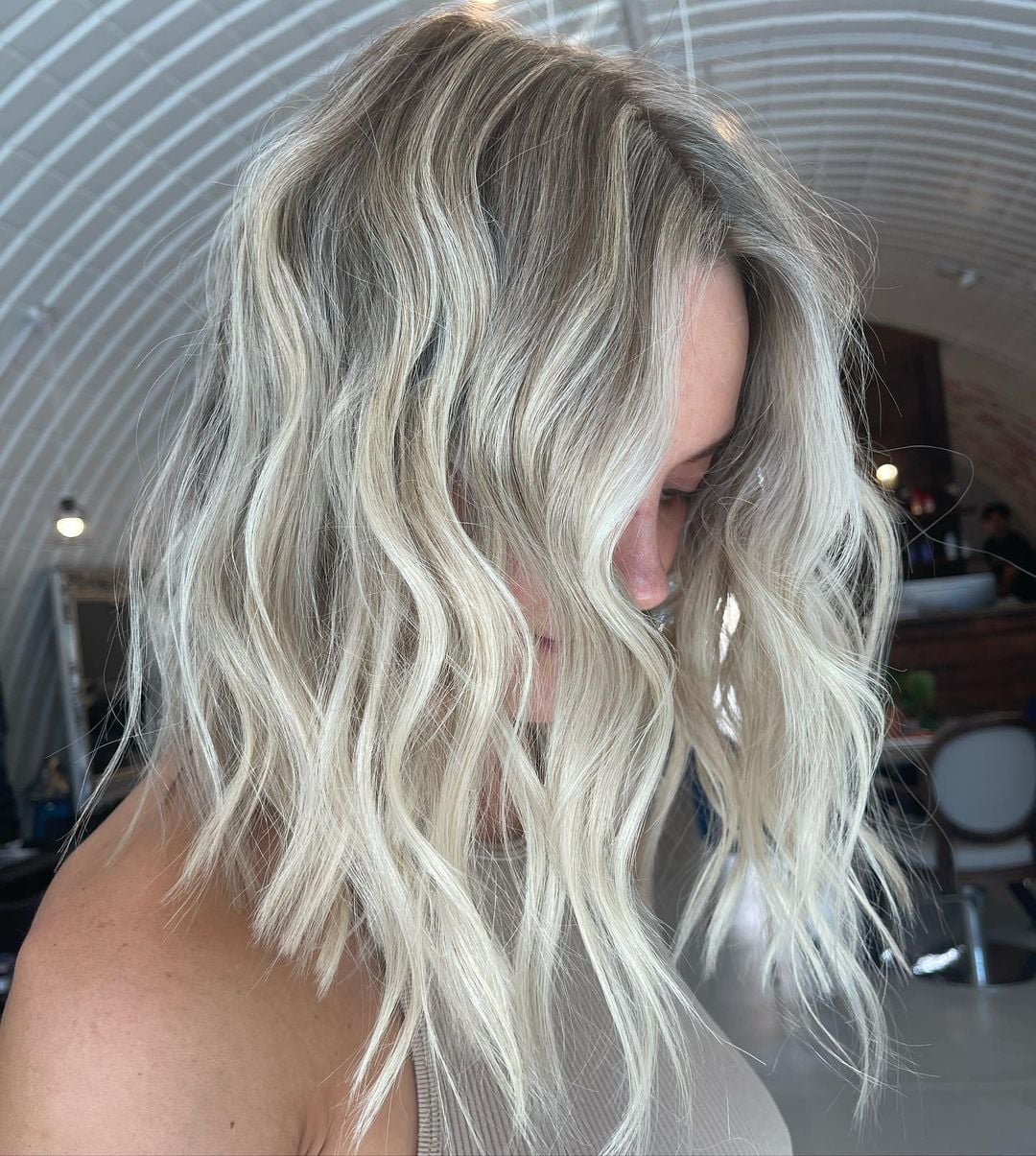
Does a lob with beachy waves actually hold texture on fine hair, or does it fall into a flat, stringy mess by noon? The answer depends on the cut: a blunt lob with a middle part gives the ends enough weight to bounce back, while a heavily layered lob collapses. Ask your colorist for: collarbone lob, ash blonde, beachy waves, middle part. The ash blonde base with subtle highlights adds dimension that makes fine hair look denser than it is. Fine hair with a natural wave pattern takes the beachy texture best; straight fine hair needs a sea salt spray and a diffuser, and even then, the hold is a couple of hours, not all day.
Glossy Ash Blonde Waves Blowout, Collarbone
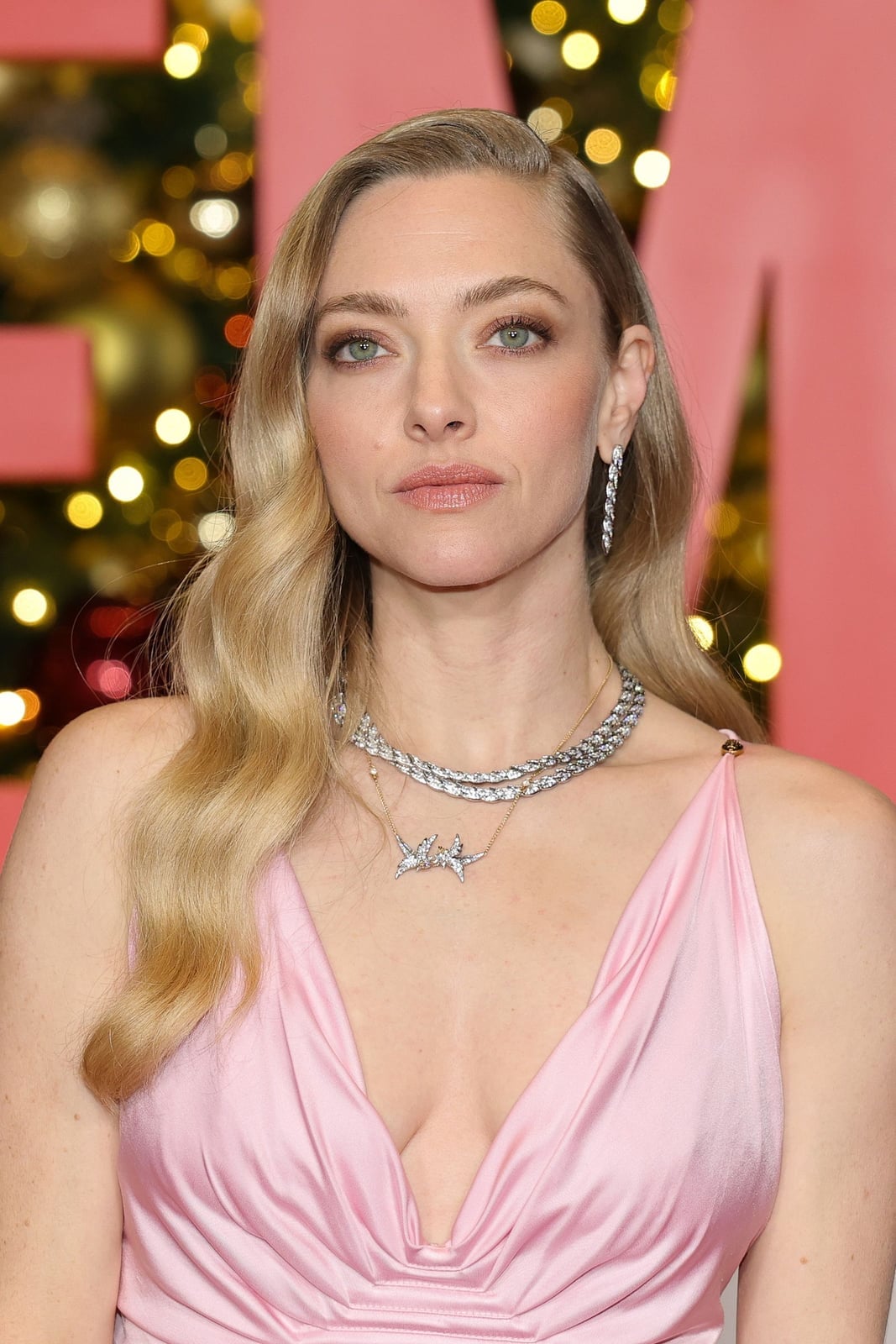
The technique for a glossy ash blonde blowout on fine collarbone hair is all in the prep: a lightweight volumizing mousse at the roots, a medium round brush to roll the ends under, and a cool shot to seal the cuticle. The side part lifts the crown, which stops fine hair from sitting flat against the scalp. Ask your colorist for: collarbone hair, ash blonde, glossy waves, side part. The subtle lighter highlights add dimension to the gloss, and the fine texture means the wave pattern sets fast but drops fast: expect a polished look for the first four hours and a soft bend for the rest of the day.
Honey Blonde Waves With Layers
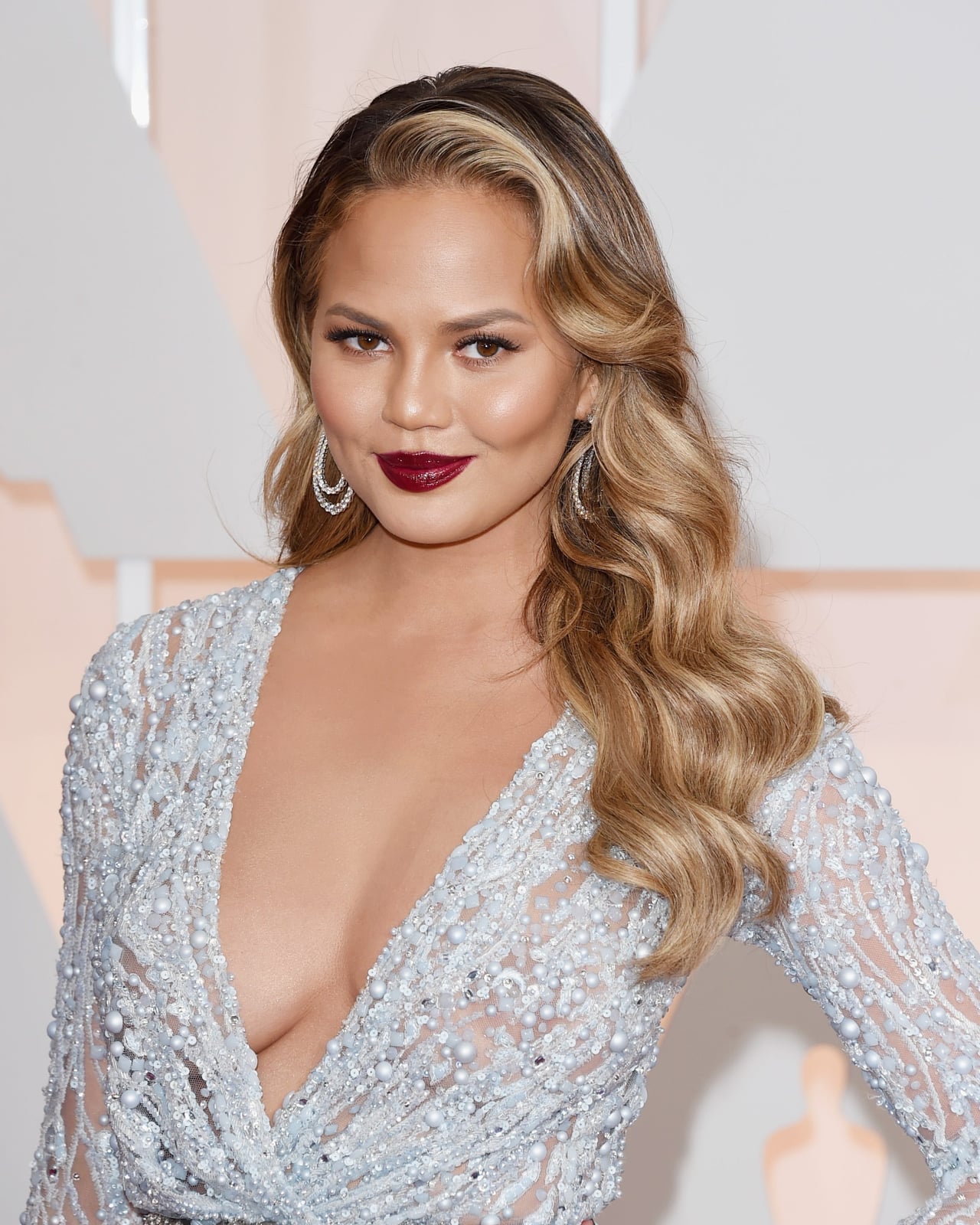
How do you describe a warm honey blonde with highlights and subtle layers without sounding generic? Ask your stylist for collarbone layered hair, honey blonde, loose waves, side part. The side part gives the waves a single direction, so the medium texture holds a blowout shape without requiring a full curling iron pass. The honey base with lighter highlights is the detail that stops the color from reading as solid.
Dark Brown Balayage Loose Curls
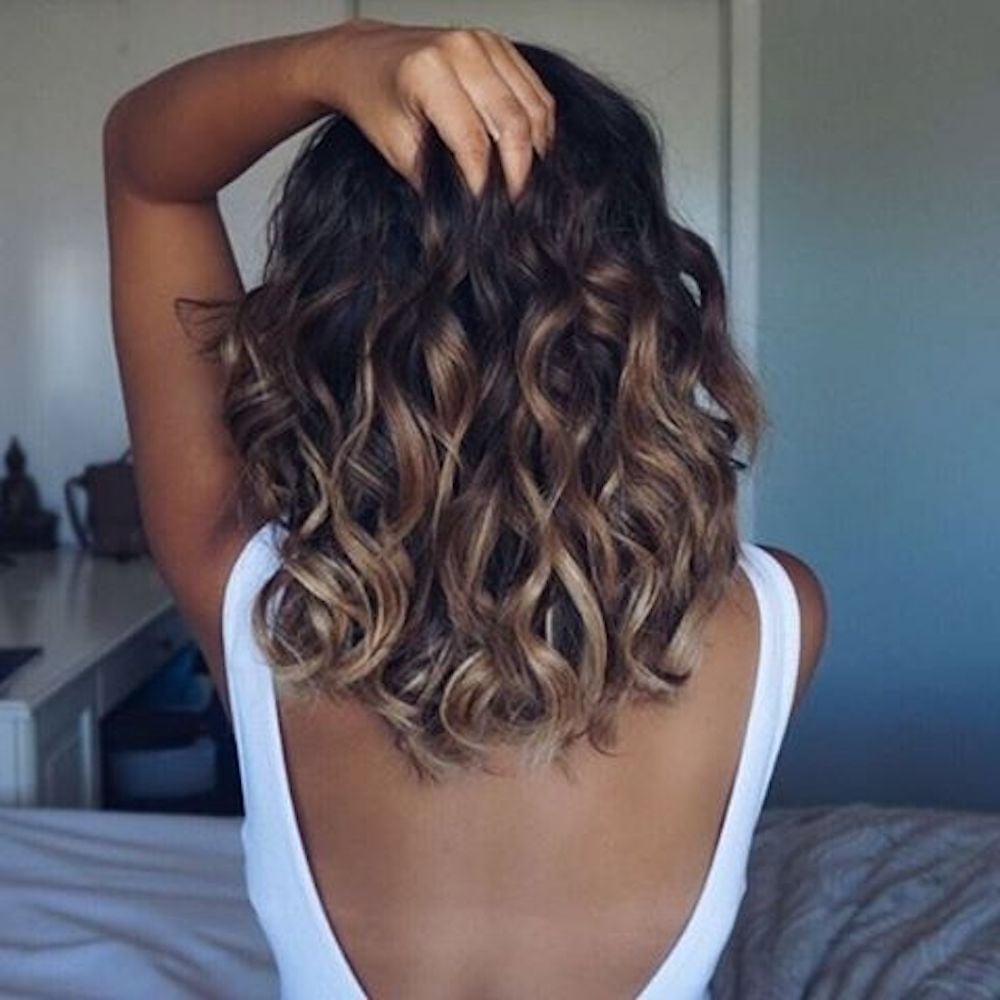
Set it against a standard beach wave and you see the difference immediately. A standard wave is a single S-bend; this collarbone lob uses a defined curl pattern from a balayage technique that places blonde highlights mostly around the face and ends. The dark brown base keeps the roots deep, so the curl holds its shape longer than it would on solid light blonde. The middle part means the wave pattern is symmetrical, which matters more on a back view than a front one.
Blonde Waves With Curtain Bangs
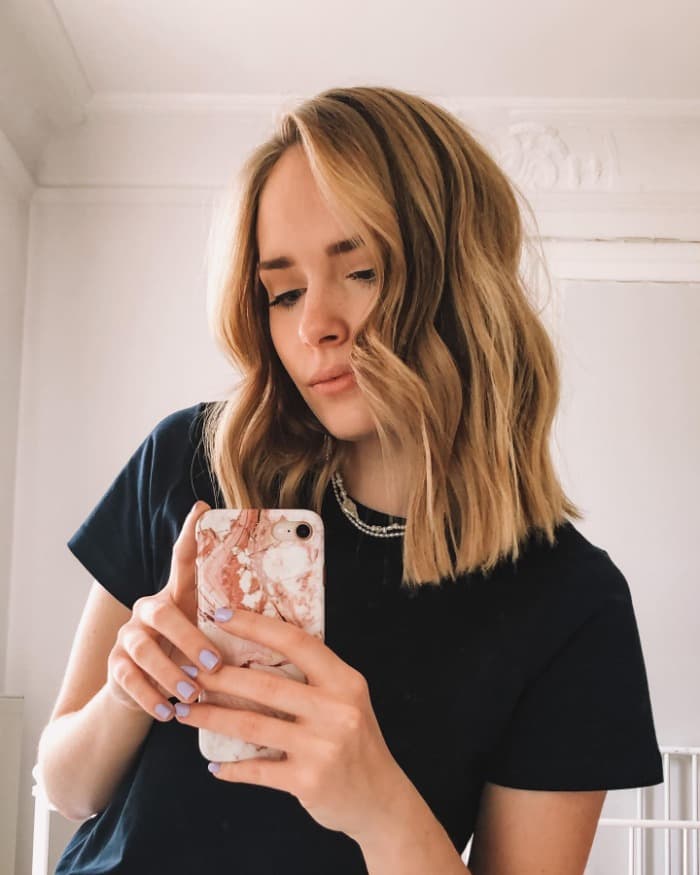
The curtain bangs and the loose waves share the same middle part, which means the wave pattern flows straight down from the part rather than sweeping sideways. This design genuinely flatters a round face because the vertical line of the bangs and the collarbone length both create length. Ask your stylist for collarbone layered hair, blonde, curtain bangs, loose waves. The fine texture needs a lightweight mousse at the roots, nothing heavy enough to pull the wave out.
Medium Brown Wavy Blowout With Curtain Bangs
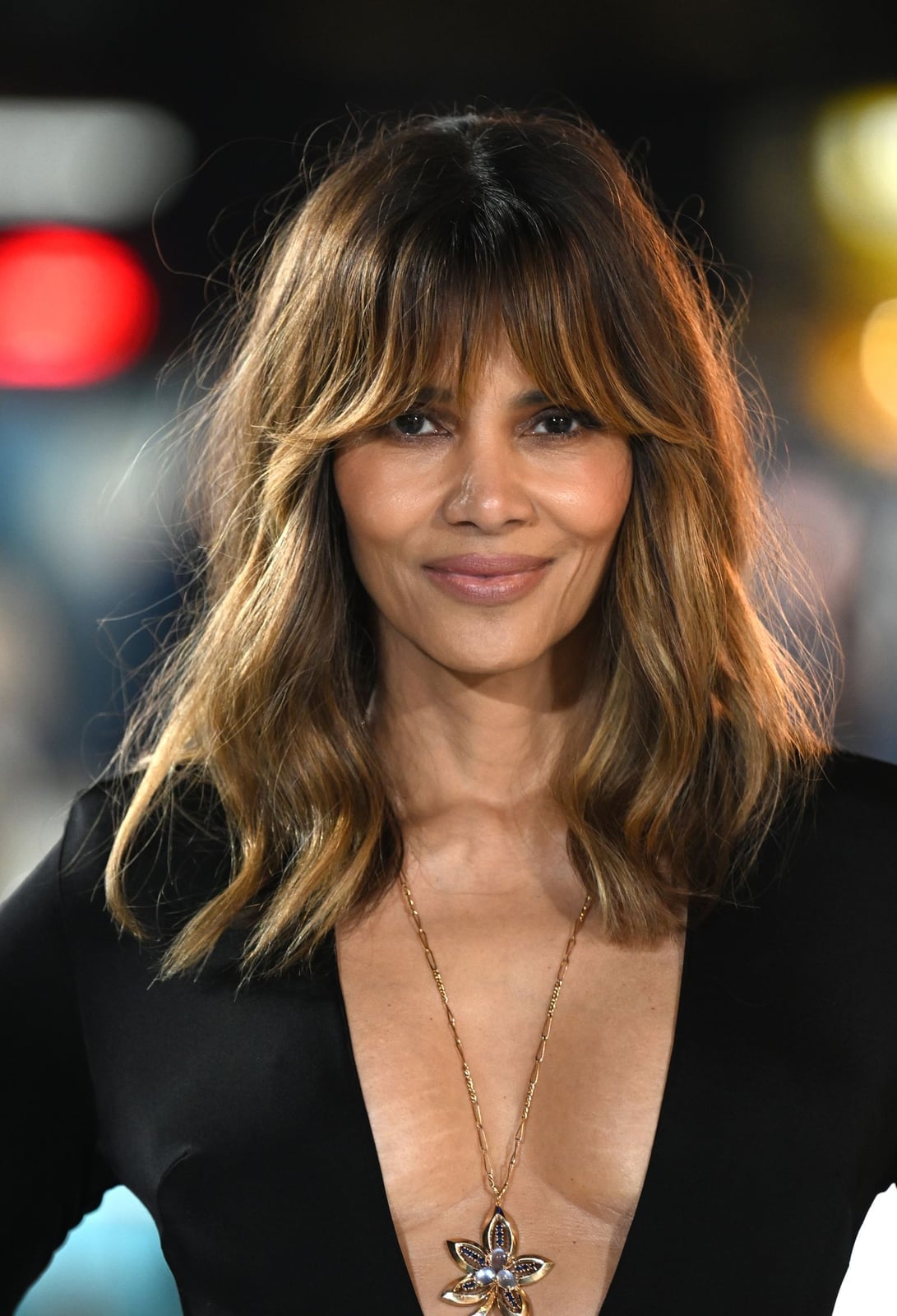
A wavy blowout with curtain bangs has a different shape than a set wave. The blowout technique uses a round brush to create volume, and the curtain bangs are trained to frame the face. Ask your stylist for: shoulder length hair, medium brown with blonde highlights, curtain bangs, wavy blowout. The medium brown base with lighter highlights creates subtle dimension. The bangs need a trim every three to four weeks to keep them grazing the cheekbone.
Ash Blonde Loose Waves Back View
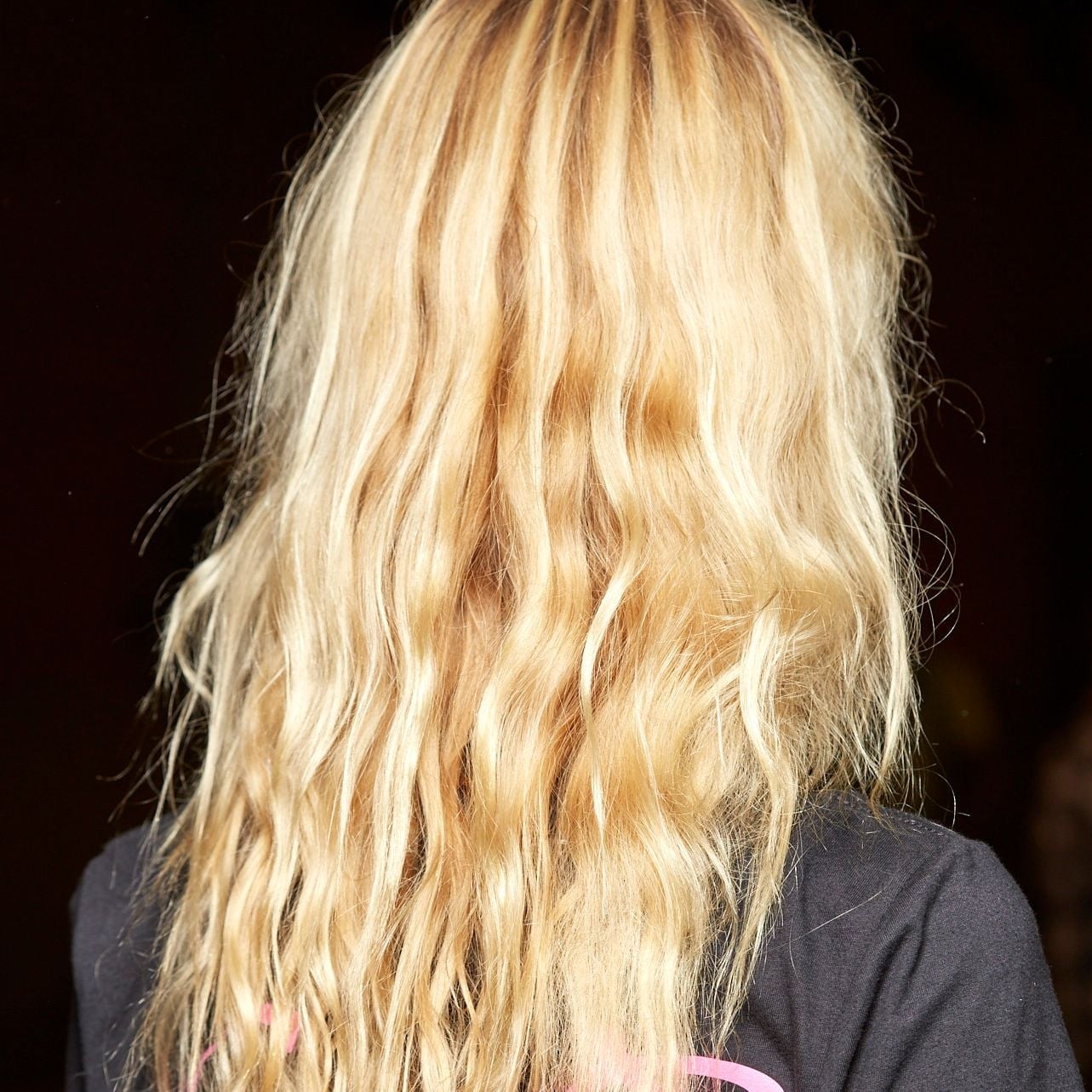
Ash blonde on fine, shoulder-length hair is a technical color because the cool undertone can read flat if the highlights are not placed well. The technique here uses visible highlights throughout the layers so the wave pattern catches light from every angle, including the back view. Ask your stylist for shoulder length ash blonde hair, loose waves, middle part. The fine texture means the wave holds best when set with a medium barrel iron and a heat protectant, not a heavy cream that would weigh it down.
Glamorous Dark Waves Swept Sideways
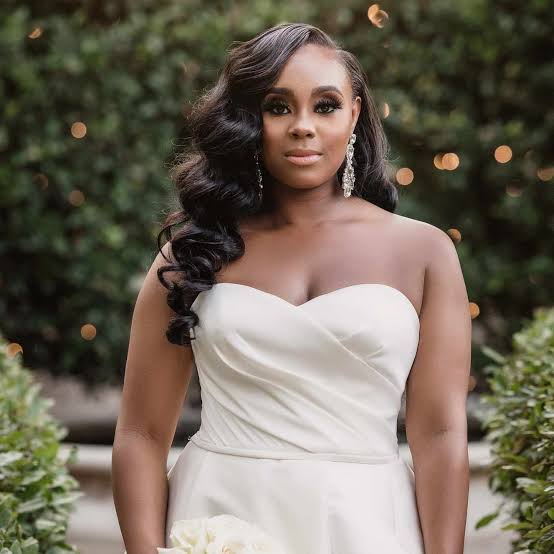
Want a single, definitive direction that doesn’t come out as beachy? Ask your stylist for shoulder length dark hair, glamorous waves, side part. The subtle highlights add depth, and the side-swept bangs complete the sweep. This finish uses a strong-hold hairspray to keep the deep waves locked in place for the evening.
Messy Honey Blonde Bob Waves
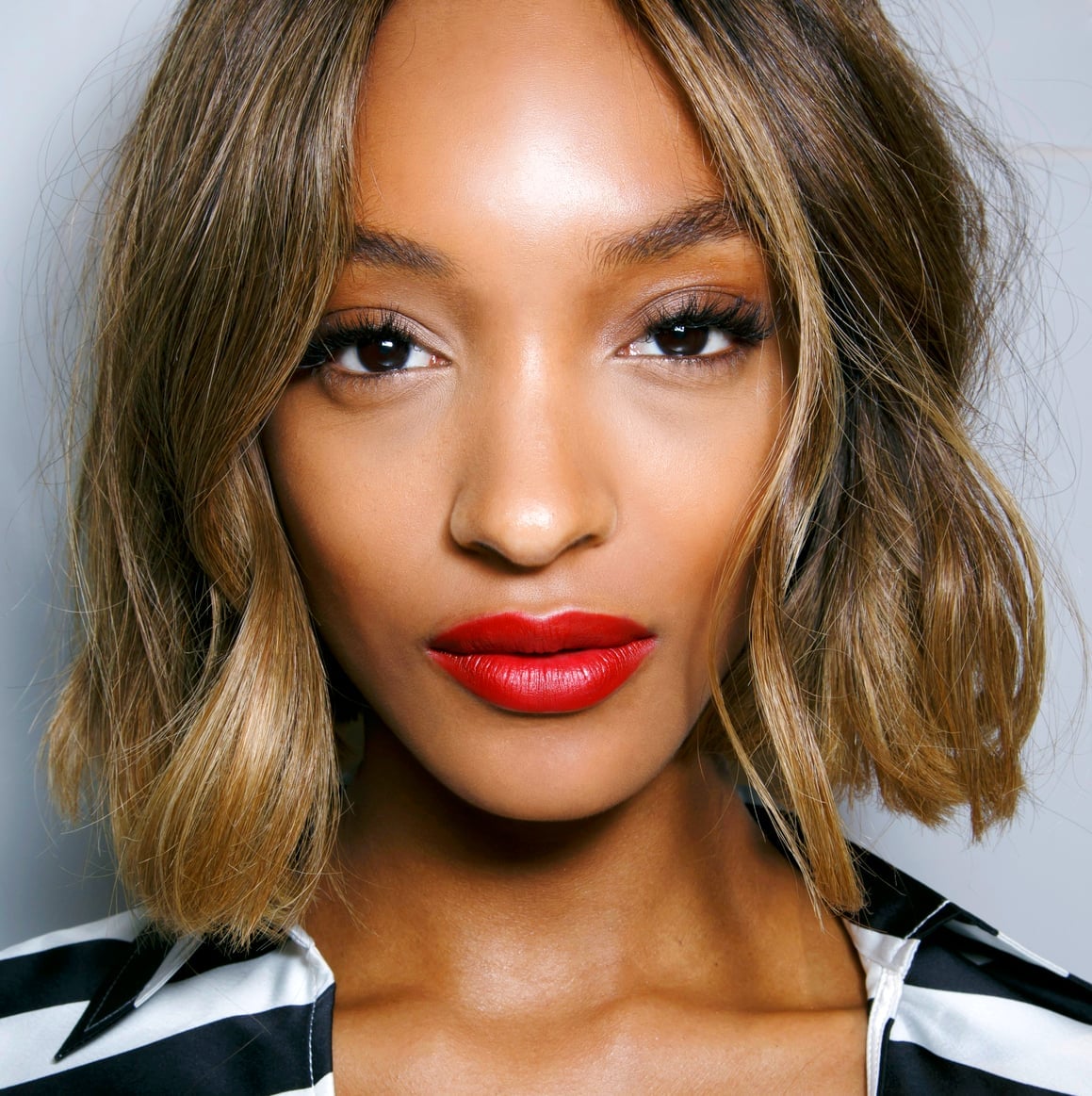
The chin-length bob is cut blunt, so the messy waves do the opposite of what you expect: they add texture and volume to fine hair. The honey blonde with darker roots means the grow-out is forgiving, but the daily styling time is real. You need a texturizing spray and a few minutes of finger-tousling to get that lived-in look. If you are not willing to mess it up each morning, this bob reads as flat rather than undone.
Sculpted Dark Brown Bob Waves
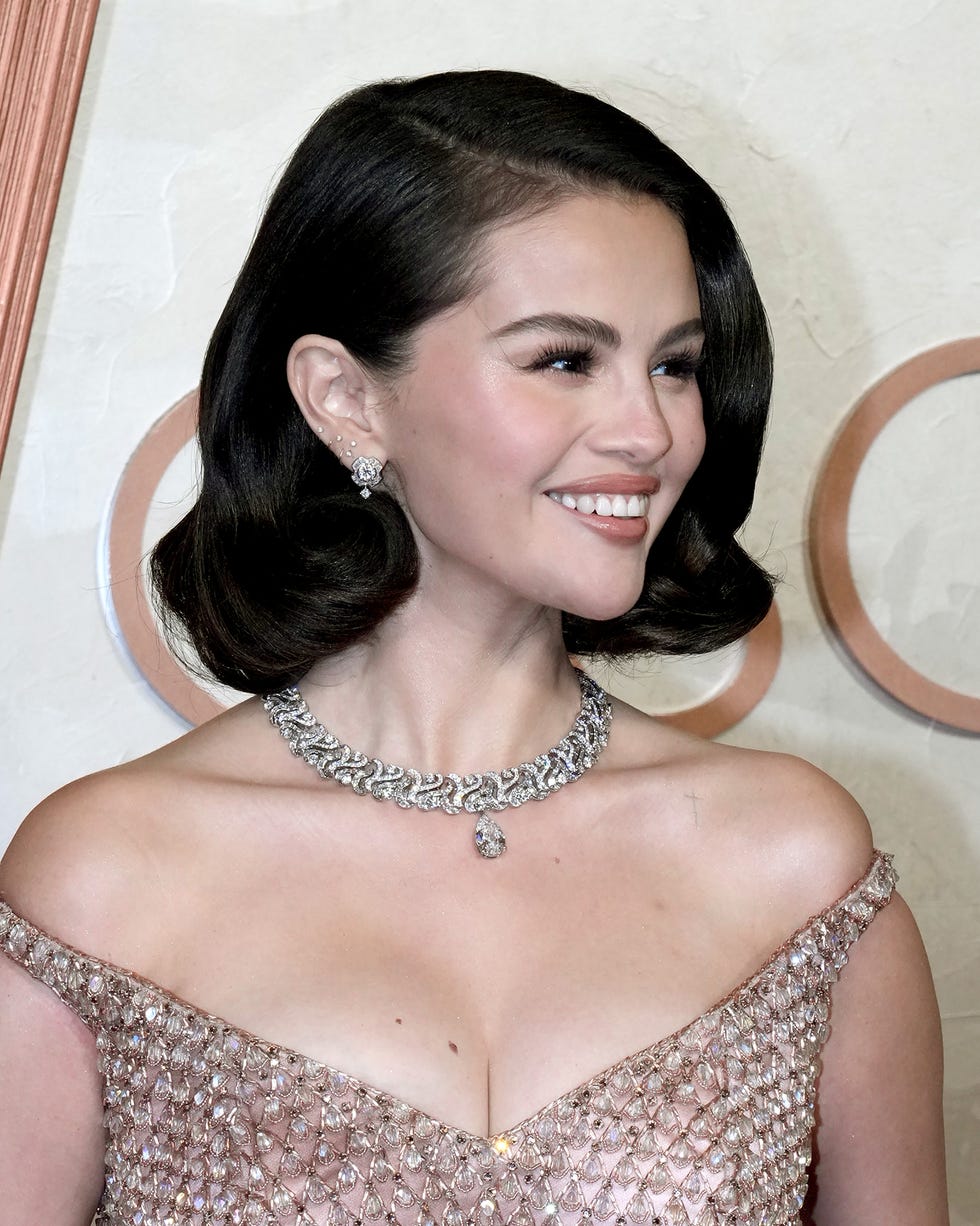
A loose wave bob is a one-tool job; this is not that. Sculpted Hollywood waves on a chin-length bob require a fine-tooth comb, a strong-hold styling cream and a side part that is carved in, not swooped. Where a relaxed wave hides imperfections, this precise S-pattern shows every mistake. Ask your stylist for chin length bob, dark brown, sculpted Hollywood waves, side part. It suits a square face by softening the jawline with the deep wave, and it demands a trim every six weeks to keep the blunt ends sharp.
Black Bob With Deep Side Part
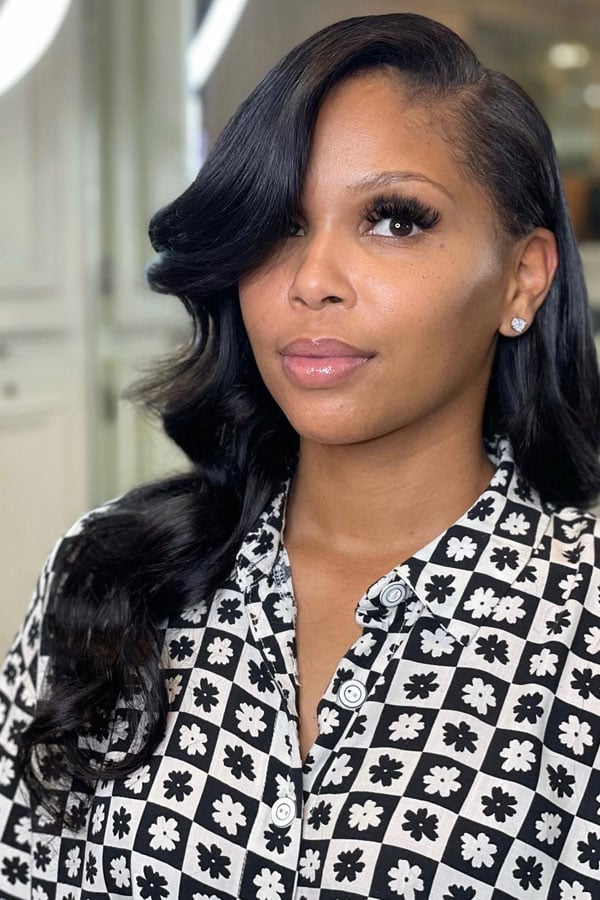
A chin-length bob with a deep side part and soft waves genuinely flatters a round face because the diagonal line of the part and the side-swept bang elongate the shape. The black color and fine texture mean the glossy blowout finish reflects light evenly, which helps the waves read as smooth rather than frizzy. Ask your stylist for chin length bob, black, soft waves, deep side part. If your hair is coarse or very curly, the sleek blowout will require more heat and a longer drying time.
Thick Black Voluminous Waves
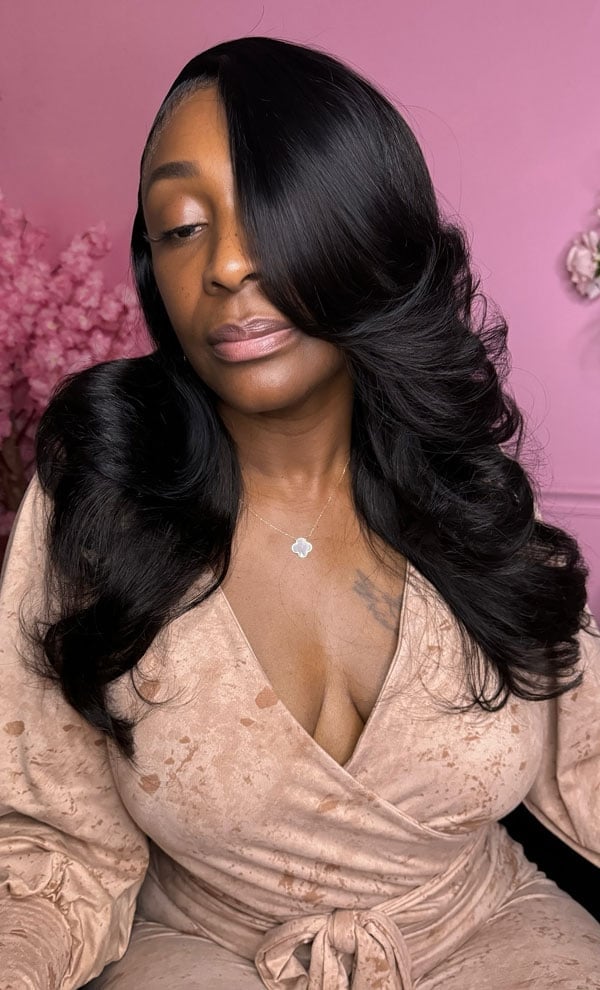
How does a thick, mid-back wave hold its shape past the first few hours? The answer is in the prep. A volumizing mousse applied to damp hair before blow-drying gives the roots lift, and a large barrel curling iron creates the loose wave pattern that does not collapse under its own weight. The deep side part and sweeping bang frame the face without pulling volume from the rest of the hair. Ask your stylist for mid-back black hair, voluminous waves, deep side part.
The upkeep is the trim rhythm: every eight to ten weeks to keep the layers from looking ragged. The dark color shows highlights only if they are added, so the natural black base stays glossy with a clear gloss treatment every four to six weeks.
Platinum Blonde Finger Waves Pixie
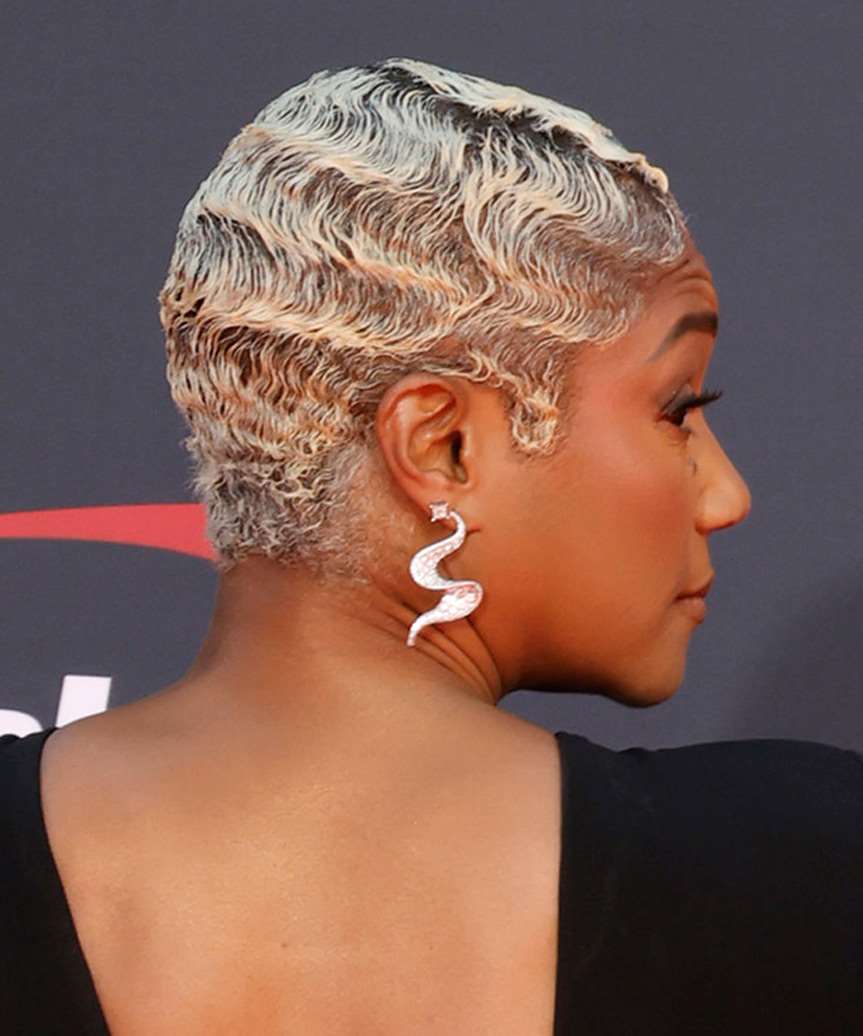
A finger wave pattern on a pixie cut is a feat of geometry: each S-curve is pressed into wet hair with a comb and held with strong-hold gel until dry. The side part and ear-length cut mean the waves sit close to the head, which suits fine, wavy texture that might otherwise lie flat. Ask your stylist for: short pixie cut, platinum blonde, finger waves. The glossy finish is a styling cream, not an afterthought, and the hold lasts through a full evening because the pattern is set, not curled.
Platinum Blonde Waves With Pink Streaks
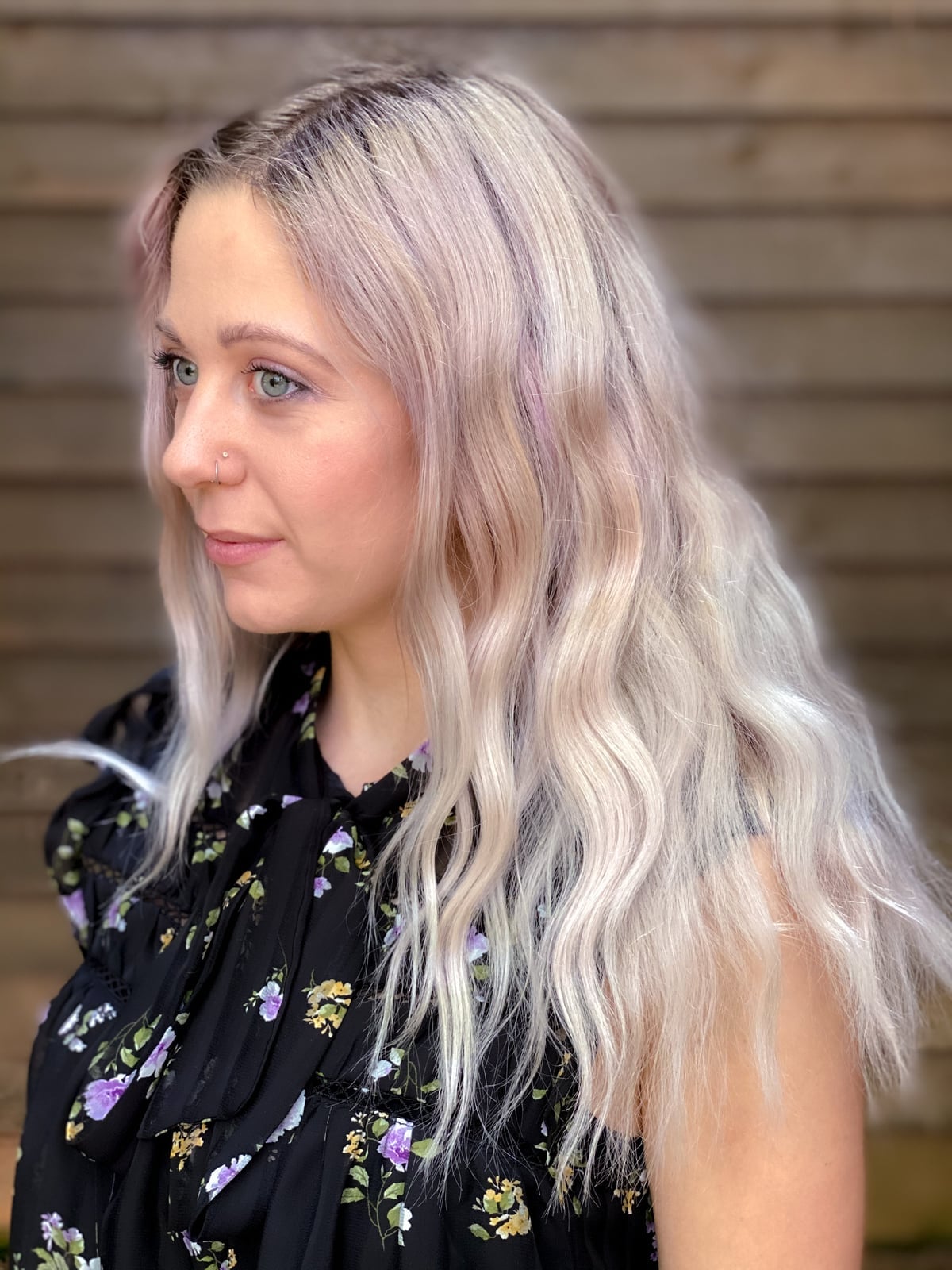
The pink streaks sit on a platinum base with ash undertones, not a warm yellow blonde. The mid-back length and loose wave shape give the color room to move, so the pink appears as a ribbon through the wave pattern. Medium density hair holds this wave shape well because there is enough weight to keep the S-curves from falling straight.
This is a salon project. Ask your colorist for: mid-back hair, platinum blonde with pink streaks, loose waves. Lifting natural pigment to platinum takes at least one session, and the pink sections require a separate application. At home, you can maintain the wave with a large-barrel curling iron and a heat protectant, but the color needs a purple shampoo every other wash to keep the platinum from yellowing and a toning appointment every four weeks.
Final Thoughts
For a polished wave that holds its shape all evening, book a salon blowout or use a curling iron with a firm-hold hairspray. For a relaxed, everyday wave, apply a texture spray to damp hair and let it air-dry, then twist sections as they dry for extra definition. The right approach depends on how much time you have and how long you need the wave to last. Waves hair gives you room to move between both extremes.
- Refresh waves with a texturizing spray or dry shampoo between washes.
- Use a heat protectant spray before any heat styling to maintain hair health.
- For longevity, sleep on a silk pillowcase or use a silk bonnet to preserve waves.
- Trim split ends every 8-12 weeks to keep waves looking healthy and defined.
The best wave is the one that works with your texture, your schedule, and your mirror.